Nation-Building and the Symbolism of the German Flag
The German flag’s black-red-gold colors reflect a layered history of struggle, democratic aspirations, and unity. As a symbolic construct, it embodies collective memory and political transformation, illustrating how national identity is shaped through historical experience and shared values.
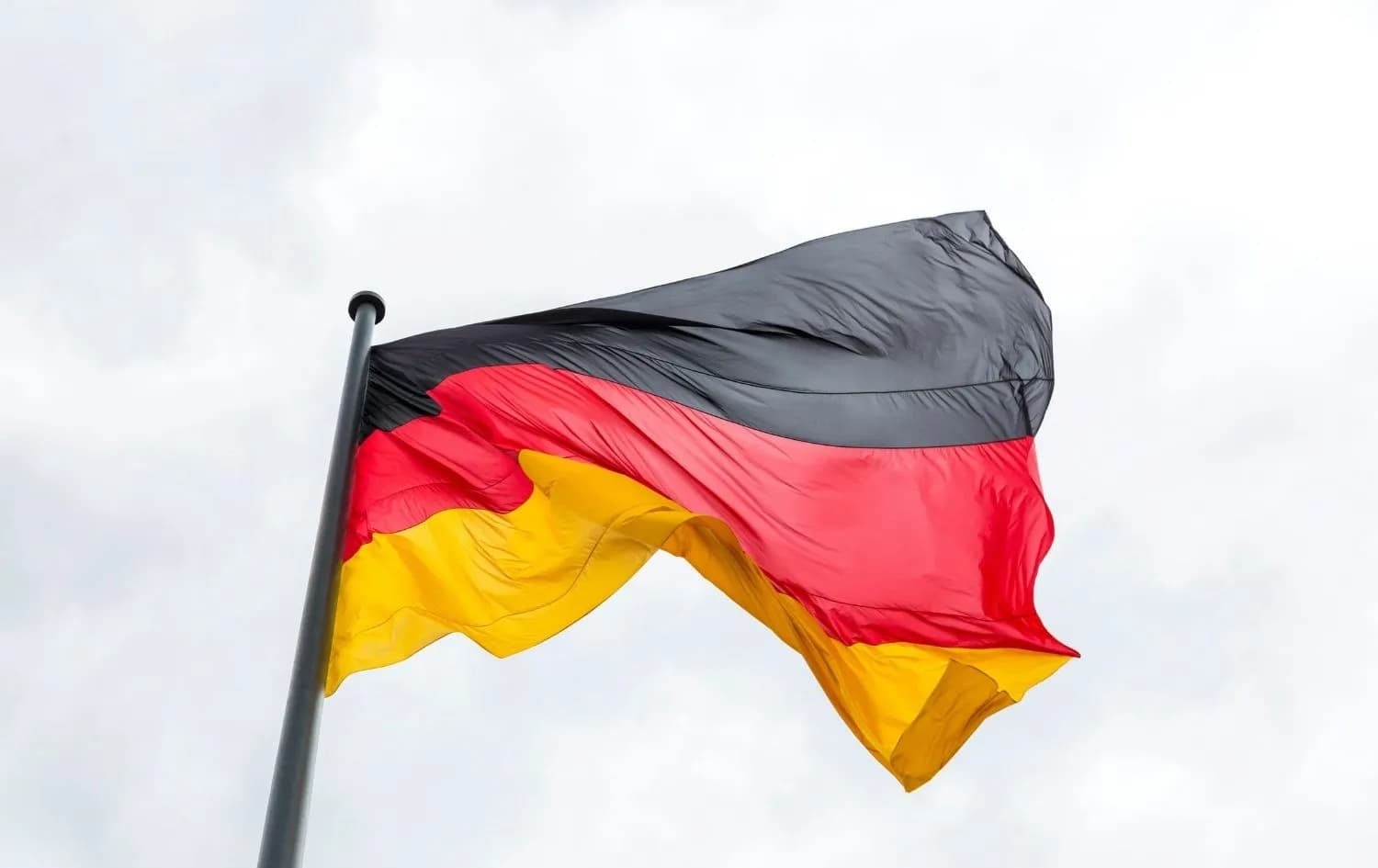
Nation-building is not merely a process of establishing political borders or institutional frameworks; it also entails the construction of a shared identity, historical narrative, and symbolic cohesion. In this context, flags represent one of the most condensed expressions of how nations define themselves both internally and externally. The German flag, with its black-red-gold tricolour, offers a rich symbolic narrative shaped by historical traumas, struggles for freedom, and democratic transformations. Each of these colors is not simply an aesthetic choice but rather a coded representation of specific historical experiences and ideological orientations. Therefore, the German flag constitutes a significant case for understanding both the historical and normative dimensions of nation-building.
1. War, Resistance, and Identity: The Historical Background of Black
The black color, positioned at the top of the German flag, has historically been associated with war, resistance, and hardship. During the War of the Sixth Coalition in 1813, German soldiers, lacking standardized uniforms due to economic constraints, adopted black-dyed clothing to distinguish themselves from French troops. What initially emerged as a practical necessity gradually evolved into a powerful symbol of resistance and sacrifice within the collective memory.
In this sense, black does not merely represent a specific war; it embodies the broader struggles encountered during the formation of German national identity. From a nation-building perspective, the symbolic encoding of such historical experiences serves as a crucial mechanism for fostering collective cohesion. Black thus represents the idea of unity forged through adversity, anchoring national identity in shared hardship and resilience.
2. Freedom and Civic Rights: The Ideological Weight of Red
The red stripe in the middle of the flag is closely linked to the concepts of freedom, civic rights, and democratic aspirations in Germany’s nation-building process. Particularly during the nineteenth century, rising liberal and republican movements embraced red as a symbol of political struggle, transforming it from a mere color into an ideological marker.
Red also signifies struggle, sacrifice, and societal transformation. Its prominence during periods when German citizens demanded broader political rights and representation highlights the bottom-up dimension of nation-building. In this regard, red reflects not the authority of the state but the agency of society and its aspiration for political participation.
Within this framework, symbols are not static reflections of the past; they are dynamic carriers of future-oriented demands. The red color, therefore, can be interpreted as the visual embodiment of Germany’s democratization process and its ongoing commitment to civic freedoms.
3. Unity and Continuity: The Social Meaning of Gold
The gold stripe at the bottom of the flag represents unity, solidarity, and national cohesion. It symbolically reflects Germany’s historical transition from a fragmented political landscape of multiple states and principalities toward a unified national entity.
Gold also conveys notions of hope, prosperity, and a shared vision for the future. In nation-building processes, it is essential not only to commemorate past struggles but also to project collective aspirations. In this sense, gold represents not just achieved unity but the enduring goal of maintaining social cohesion and stability.
The combination of black, red, and gold thus constructs a layered historical narrative—one that moves from hardship to freedom, and ultimately to unity. This progression encapsulates the core stages of nation-building through a symbolic visual language.
Conclusion: The Constitutive Role of Symbols in Nation-Building
The German flag provides a compelling example of how symbols acquire meaning and how these meanings deepen over time within nation-building processes. The colors black, red, and gold collectively represent a trajectory that begins with struggle and resistance, evolves through demands for freedom and rights, and culminates in unity and cohesion.
In this respect, the flag is not merely a state emblem but a complex field of meaning where collective memory, ideological orientations, and societal aspirations converge. The German case clearly demonstrates that symbols are not passive elements but active and constitutive components of nation-building.

İsmail Polat
Ph. D. in International Relations
Follow EUReflect
See more of our reporting on Google
Mark EUReflect as a preferred source and our stories are ranked higher for you in Top Stories, Discover and Google News — and carry a “preferred” badge when they are cited in AI results.
Add EUReflect as a preferred source