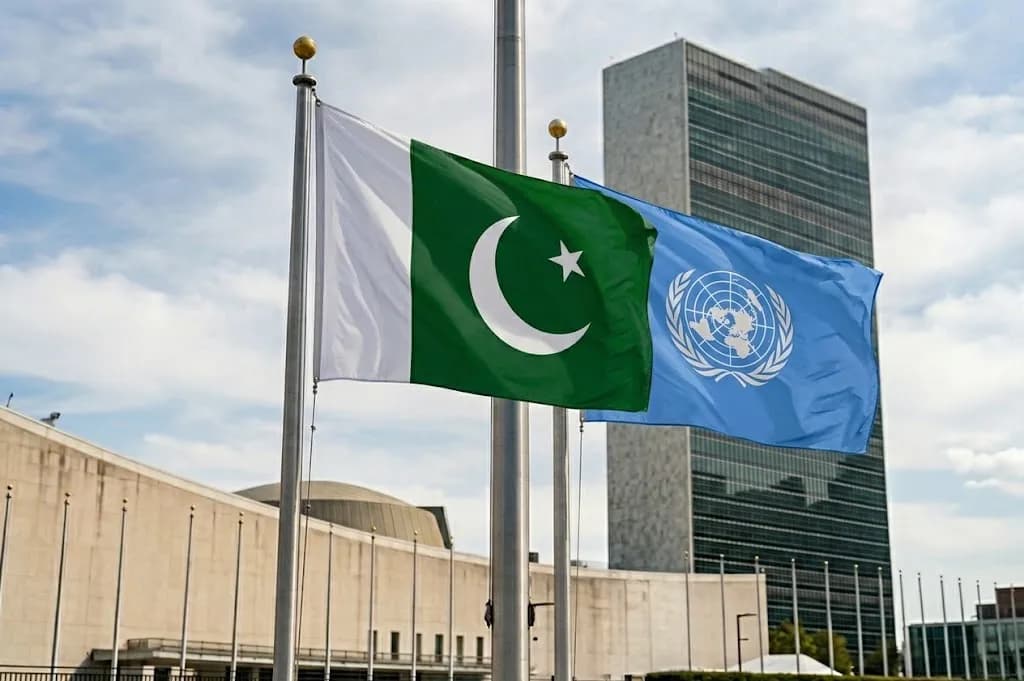
Trans-Caspian Corridor Takes Center Stage at European Parliament
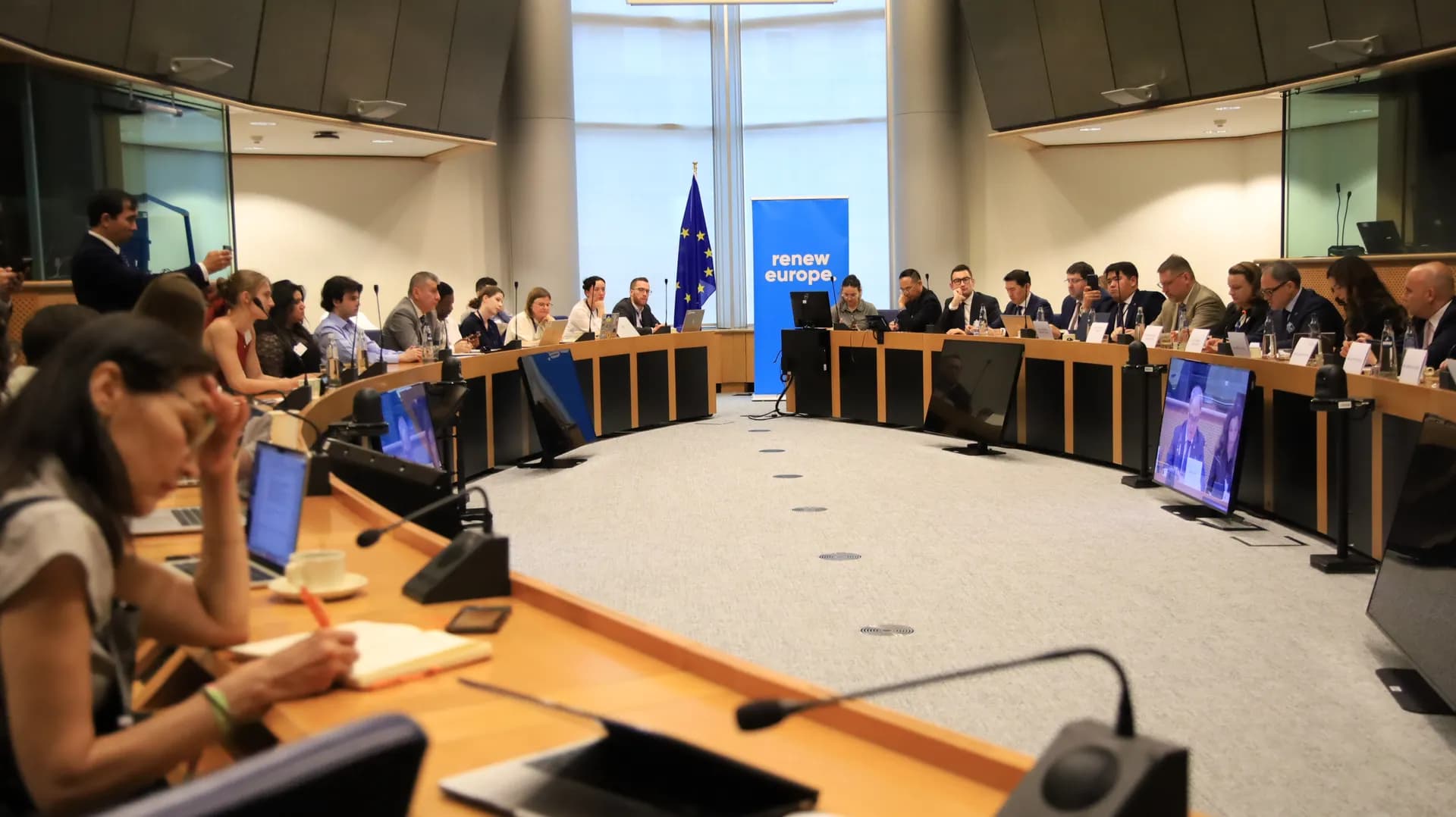
In a bid to reinforce supply chain resilience and deepen geopolitical ties, European and Central Asian leaders gathered yesterday at the European Parliament for a high-level roundtable, titled "Strengthening EU Strategic Autonomy through the Trans-Caspian Corridor," which highlighted a mutual determination to transform the Middle Corridor from a conceptual trade route into an economic and strategic lifeline.
Setting the Stage: A Shared Vision for Regional Connectivity
The opening session established a strong political tone, bringing together key European lawmakers and the diplomatic vanguard of Central Asia. Hosted by MEP Ilhan Kyuchyuk of Renew Europe, the welcoming remarks underscored that the Trans-Caspian International Transport Route is no longer a peripheral alternative, but a core component of the EU’s strategic autonomy. Opening the roundtable, Roman Vassilenko, Ambassador of Kazakhstan, recalled the recent official visit of Kazakh President Kassym-Jomart Tokayev to Brussels. During that visit, leaders from both sides reaffirmed the strategic weight of the Middle Corridor and pledged closer cooperation under the EU’s Global Gateway initiative.
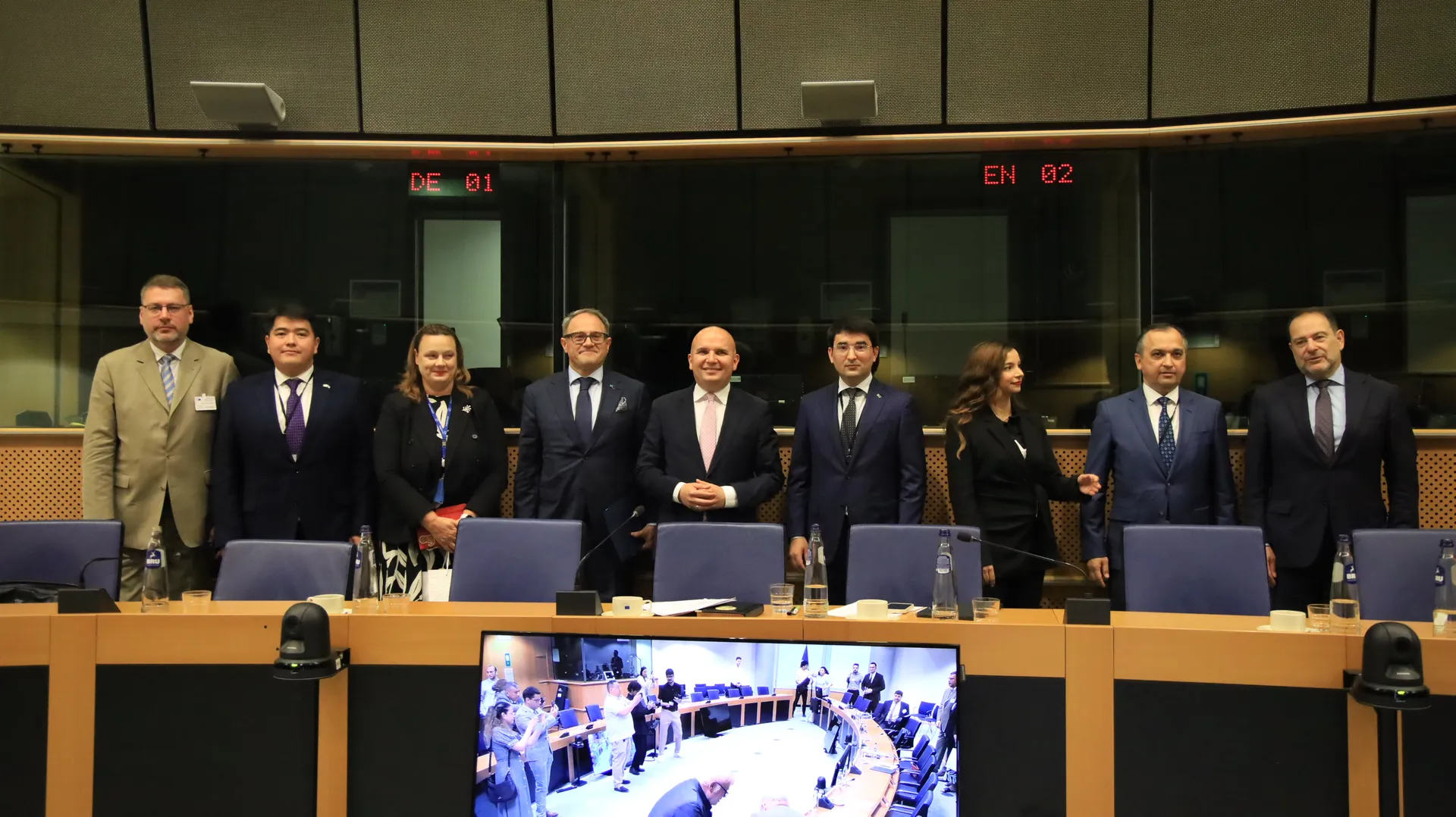
Ambassador Vassilenko was joined by Sapar Palvanov, Ambassador of Turkmenistan, and Gayrat Fazilov, Ambassador of Uzbekistan, in presenting a unified front. They emphasized that the success of the Middle Corridor is inherently a collective victory. As Ambassador Vassilenko noted, when the countries of Central Asia work together, everyone benefits, and regional cooperation is transforming Central Asia into a reliable transport and logistics bridge connecting Asia and Europe.
Panel I — Infrastructure, Logistics, and the Caspian Sea Dilemma
The first panel, titled "Central Asia and the Trans-Caspian Corridor: An Integrated Connectivity Architecture," shifted the focus toward practical logistics and infrastructure realities. Moderated by Central Asia expert Derya Soysal, speakers including Seyitguly Bayseyidov, Head of Foreign Economic Relations and Logistics Department at the State Service of Maritime and River Transport of Turkmenistan, and Henri Marc Vantieghem, former Belgian Ambassador to the region, delved into the physical and regulatory mechanisms required to optimize trade flow.
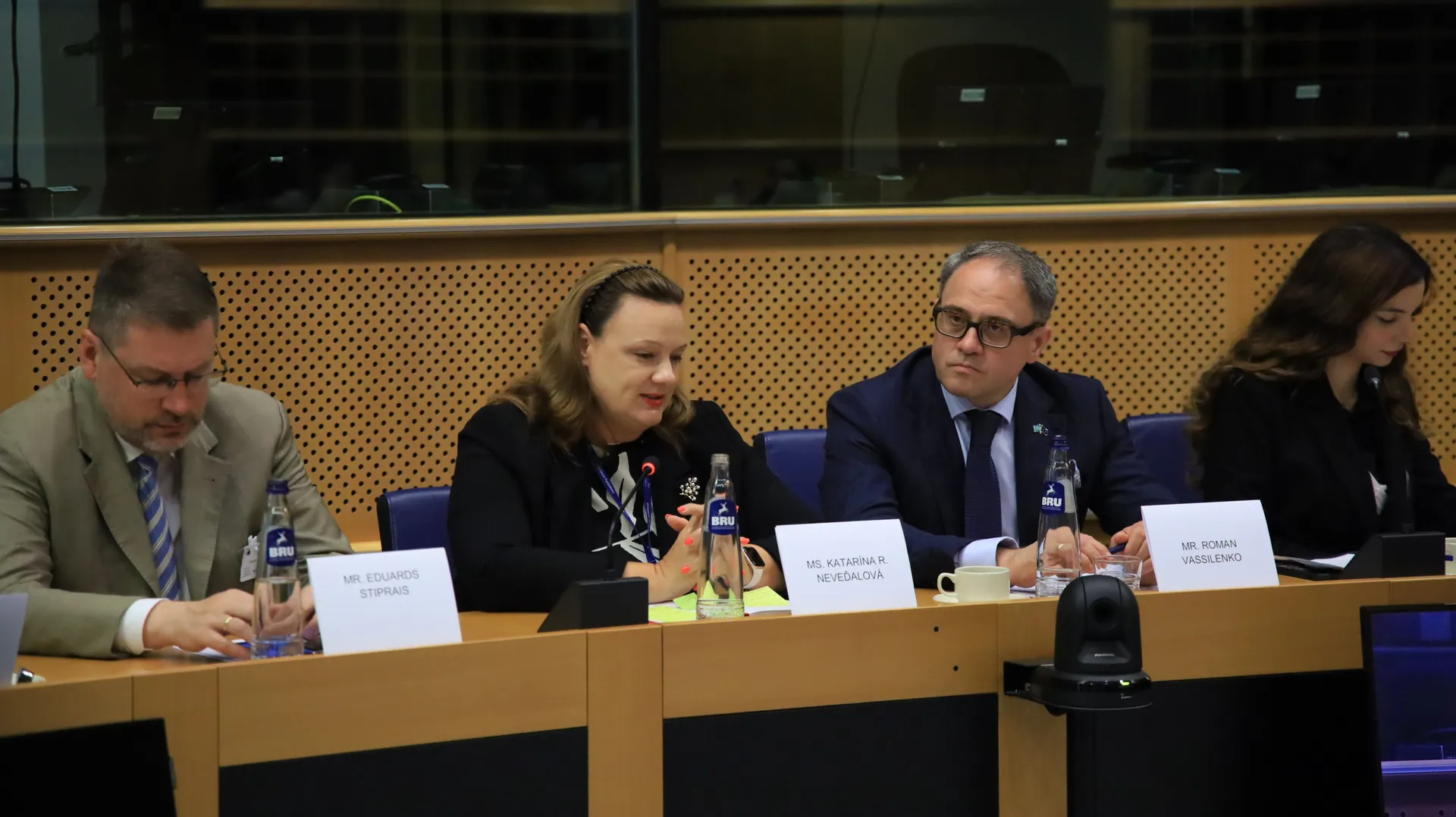
MEP Katarína Roth Neveďalová delivered a detailed analysis based on her extensive experience working with the region. While validating the immense progress and capacity built up at regional ports, which she had personally visited as part of a parliamentary delegation, she stressed that physical hardware is only half the battle. Expanding the corridor means facilitating human mobility, making the simplification of visa regimes a critical step forward for deep economic integration. Furthermore, she voiced concern over the current EU budget constraints, urging fellow MEPs to allocate more funding to programs like Erasmus+ to bridge the gap in student and professional exchanges. She reminded the audience that Central Asia’s population density is roughly five times less than Europe’s, meaning infrastructure projects face unique geographic hurdles that require targeted, sustained external investments. Neveďalová also raised an urgent environmental warning regarding the Caspian Sea, cautioning that water levels are a matter of serious concern. She noted that if water levels are too shallow, optimal cargo ships cannot operate, and the corridor will fail to function effectively, making close environmental cooperation essential.
Luc Devigne (EEAS) expanded the transport discussion into a broader strategic landscape, offering four key observations on the EU-Central Asia relationship. First, Central Asia has transitioned from a mere transit route into a critical strategic partner for energy security, raw materials, and digital transformation, with regional partners seeking reliable relationships that respect their autonomy. Second, sustainable investments are inseparable from political engagement; the EU's work on Enhanced Partnership and Cooperation Agreements (EPCAs) and WTO accession provides the predictable legal frameworks needed for development, while fostering regional cooperation and lowering trade barriers enhances investor appeal.
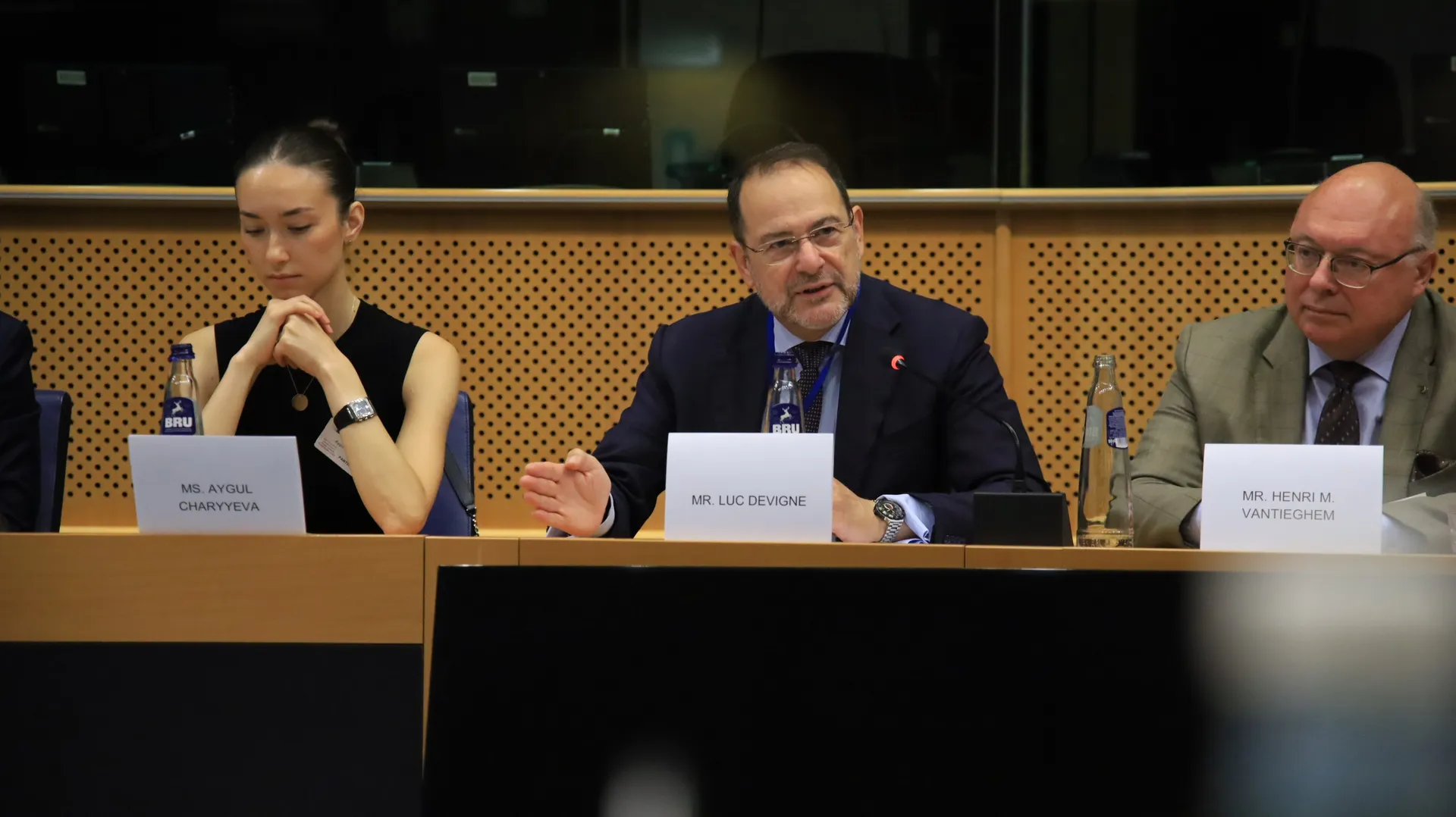
Third, the EU matches its political ambitions with concrete, sustainable actions, prioritizing commercially viable networks and local value-adding partnerships over mere infrastructure construction. The Trans-Caspian Corridor serves as a prime example of this methodology, modernizing connectivity through regional integration and digitalization. Finally, investing in this corridor fundamentally enhances strategic autonomy, offering diversified supply chains for Europe and reinforcing practical sovereignty for Central Asia. To achieve this, a unified "Team Europe" approach—uniting EU institutions, member states, and the private sector—is essential to project Europe's commitment and secure a resilient, long-term relationship.
Panel II — Digitalization, Investment, and the Global Gateway
The second panel, "From Strategy to Investment: Global Gateway and EU-Central Asia Partnership," focused on turning geopolitical policy into financial action. The panel featured EU Special Representative for Central Asia Eduards Stiprais and Valikhan Bakhretdinov, President and founder of the Kazakhstan-EU Gateway.
A major theme of the discussion was how soft infrastructure, specifically customs digitalization and integrated electronic data exchanges, is actively revolutionizing the route. Participants noted that these digital solutions have already significantly slashed cargo transit times along the Middle Corridor, making it fiercely competitive against traditional northern routes. Eduards Stiprais explained why Central Asia is rapidly climbing the priority list for European investors. He pointed out that the alignment of transport connectivity, critical raw materials—such as Kazakhstan’s uranium reserves, which are heavily eyed by nuclear-developing EU member states—and digital infrastructure creates a highly attractive environment for European capital.
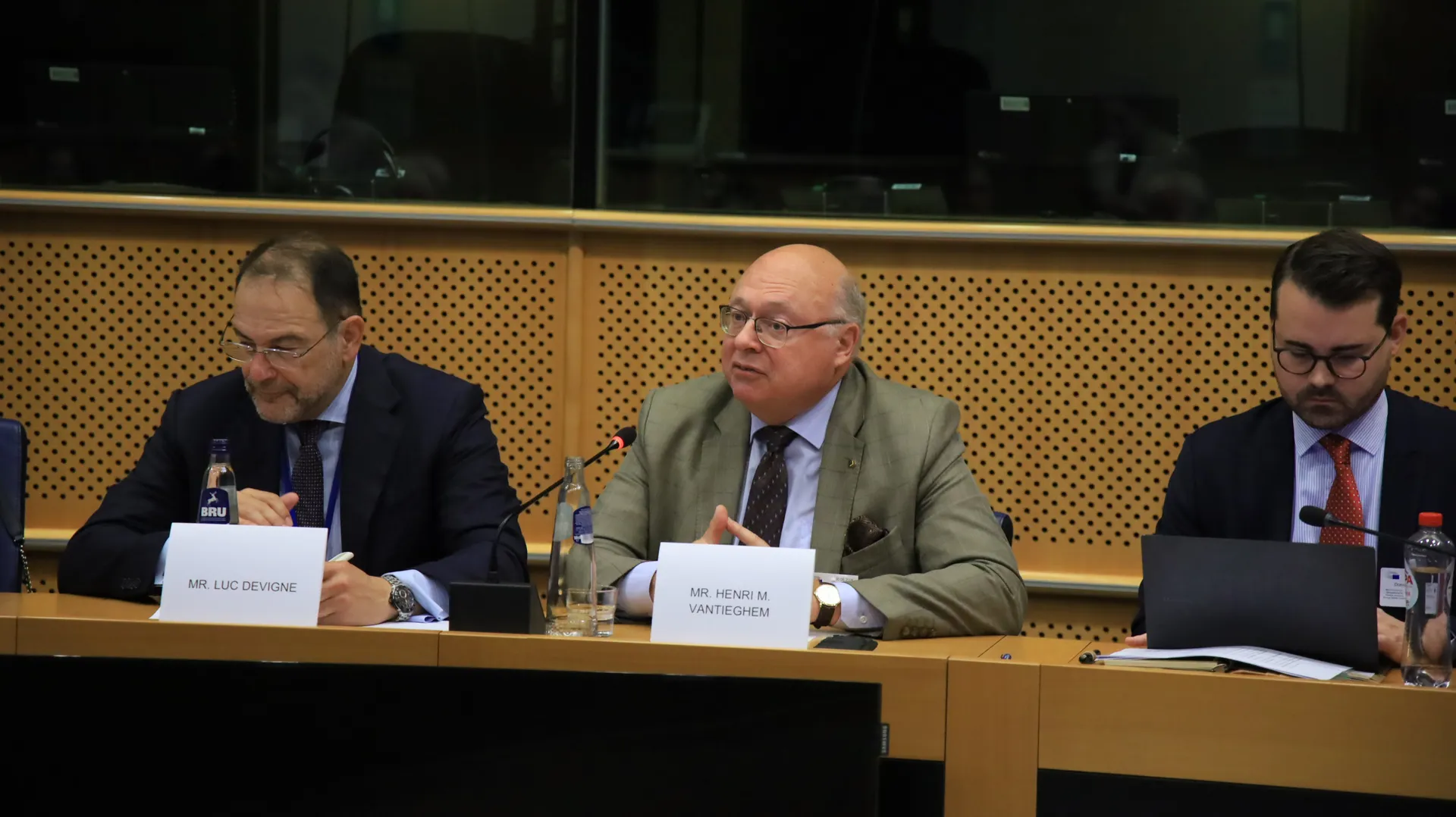
Henri Vantieghem, Former Ambassador at Embassy of Belgium in Kazakhstan, Uzbekistan, Kyrgyzstan and Tajikistan highlighted the rising strategic importance of Central Asia within both Belgium and the broader European Union. Furthermore, he described the Middle Corridor as a modern Silk Road that provides a more sustainable alternative to traditional maritime routes while unlocking fresh opportunities for regional cooperation.
Conclusion: Turning Declarations into Results
The round table wrapped up with an interactive Q&A session and closing statements from Ambassadors Palvanov, Fazilov, and Vassilenko, who reiterated their commitment to long-term bilateral reliability. As Europe navigates its new seven-year budget cycle, the insights from this 30 June event make one thing clear: the Trans-Caspian Corridor is no longer just a transport project. It is a vital geopolitical investment that will define EU-Central Asia relations for decades to come.
Olha Horina
Contributing writer at EUReflect.
Follow EUReflect
See more of our reporting on Google
Mark EUReflect as a preferred source and our stories are ranked higher for you in Top Stories, Discover and Google News — and carry a “preferred” badge when they are cited in AI results.
Add EUReflect as a preferred source