The American Flag as a Core Symbol of Nation-Building
The American flag symbolizes nation-building through its stars, stripes, and colors, reflecting unity, sacrifice, and democratic ideals. Reinforced by presidential rhetoric, it sustains collective memory and national identity across generations
Introduction
The flag of the United States, known as “Old Glory” and the “Stars and Stripes,” has functioned as a central instrument in the construction of American national identity since its adoption in 1777. Within the framework of nation-building, the flag reflects the historical experience of independence, the ideological foundations of the republic, and the enduring commitment to unity and democratic governance. Its symbolism is deeply intertwined with the political thought of the Founding Fathers and later American leaders, whose words further illuminate the meanings embedded in its design and colors.
1. Historical Structure and the Narrative of Independence
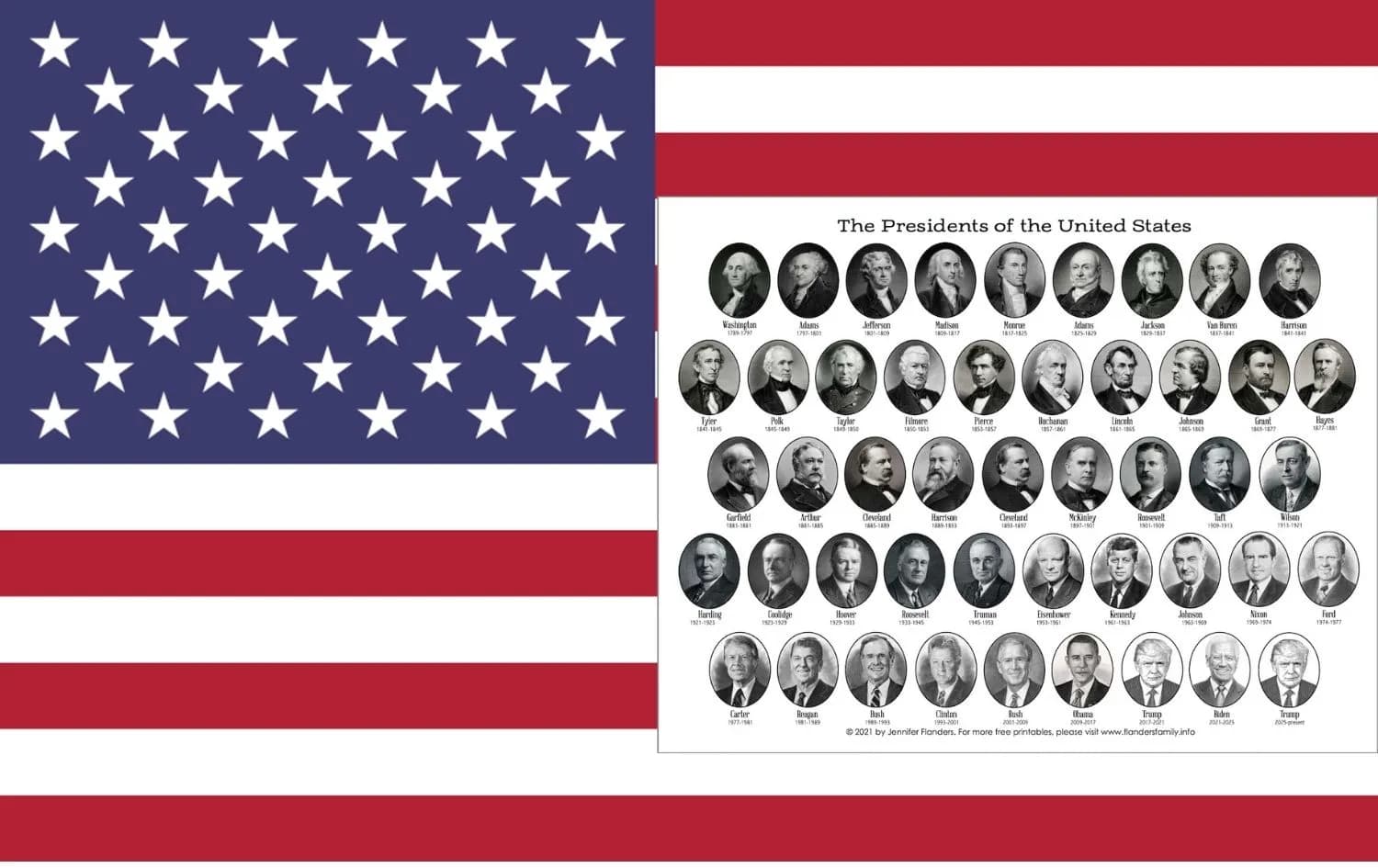
The structural composition of the American flag encodes the foundational moment of the United States. The thirteen stripes represent the original colonies that declared independence, while the fifty stars signify the states that constitute the Union today. This visual arrangement expresses the transition from a fragmented colonial structure to a unified federal system.
This symbolism resonates strongly with the ideas of George Washington, who emphasized unity as a prerequisite for national survival. His warning that “the unity of government which constitutes you one people is also now dear to you” reflects the same principle embodied in the flag’s design. The stars, placed together on a single field, reinforce the notion of a cohesive political community despite internal diversity.
Similarly, Thomas Jefferson highlighted the transformative nature of independence, asserting that “the God who gave us life gave us liberty at the same time.” This idea aligns with the symbolic role of the stripes, which commemorate the struggle for self-determination and the birth of a sovereign nation.
2. The Ideological Meaning of Colors and Political Thought
The colors of the American flag—red, white, and blue—carry a dense ideological meaning that reflects the values considered essential for the nation’s foundation. These meanings were later articulated in the context of the Great Seal and became integral to the symbolic language of the United States.
Red signifies courage, valor, and sacrifice. It represents the willingness of individuals to defend the nation and its ideals. This interpretation finds a strong parallel in the words of John F. Kennedy, who stated, “Ask not what your country can do for you—ask what you can do for your country.” The emphasis on sacrifice and civic duty directly corresponds to the symbolic weight of red.
Blue represents justice, vigilance, and perseverance. It reflects the institutional dimension of nation-building and the importance of maintaining a stable and lawful political order. Abraham Lincoln expressed this principle during a time of national crisis by defining democracy as “government of the people, by the people, for the people.” This statement underscores the centrality of justice and collective responsibility, both of which are embedded in the meaning of blue.
White stands for purity and moral integrity. It conveys the aspiration to uphold ethical principles and remain faithful to the founding ideals of the republic. George Washington reinforced this moral dimension when he noted that “the foundation of our national policy will be laid in the pure and immutable principles of private morality.” This perspective aligns closely with the symbolic interpretation of white as a representation of ethical clarity and national virtue.
3. Symbolism, Leadership, and the Continuity of National Identity
The American flag continues to function as a unifying symbol that sustains national identity across generations. Its presence in public life—ranging from government institutions to civic ceremonies—ensures the continuity of collective memory and shared values.
This enduring symbolic role has been consistently reinforced by American leaders. Ronald Reagan captured the emotional and symbolic power of the flag by describing it as “a symbol of freedom, of opportunity, of all that is best in America.” His words reflect the flag’s capacity to represent both historical achievements and future aspirations.
In a similar vein, Franklin D. Roosevelt emphasized the connection between national resilience and shared values during times of crisis, declaring that “the only thing we have to fear is fear itself.” This statement highlights the psychological and symbolic dimension of nation-building, where collective confidence and unity are essential. The flag, as a visible embodiment of these ideals, plays a crucial role in maintaining that unity.
Conclusion: The Flag as a Living Symbol of Nation-Building
The American flag represents a dynamic synthesis of history, ideology, and leadership. Its stars and stripes narrate the origins and development of the United States, while its colors encode the values of courage, justice, and moral integrity. The words of American presidents further deepen this symbolism, linking the flag to the broader intellectual and political tradition of the nation.
Within the context of nation-building, the flag functions as a living symbol that bridges past struggles with present commitments and future aspirations. It remains a central element in the ongoing construction of American identity, reflecting both the continuity of national values and the evolving nature of the republic.

İsmail Polat
Ph. D. in International Relations
Follow EUReflect
See more of our reporting on Google
Mark EUReflect as a preferred source and our stories are ranked higher for you in Top Stories, Discover and Google News — and carry a “preferred” badge when they are cited in AI results.
Add EUReflect as a preferred source