When the Horse Becomes a Diplomatic Instrument
What happens when a national symbol becomes a tool of diplomacy? In Turkmenistan, the Akhal-Teke horse is increasingly being used to project the country’s cultural identity and strengthen its international presence.
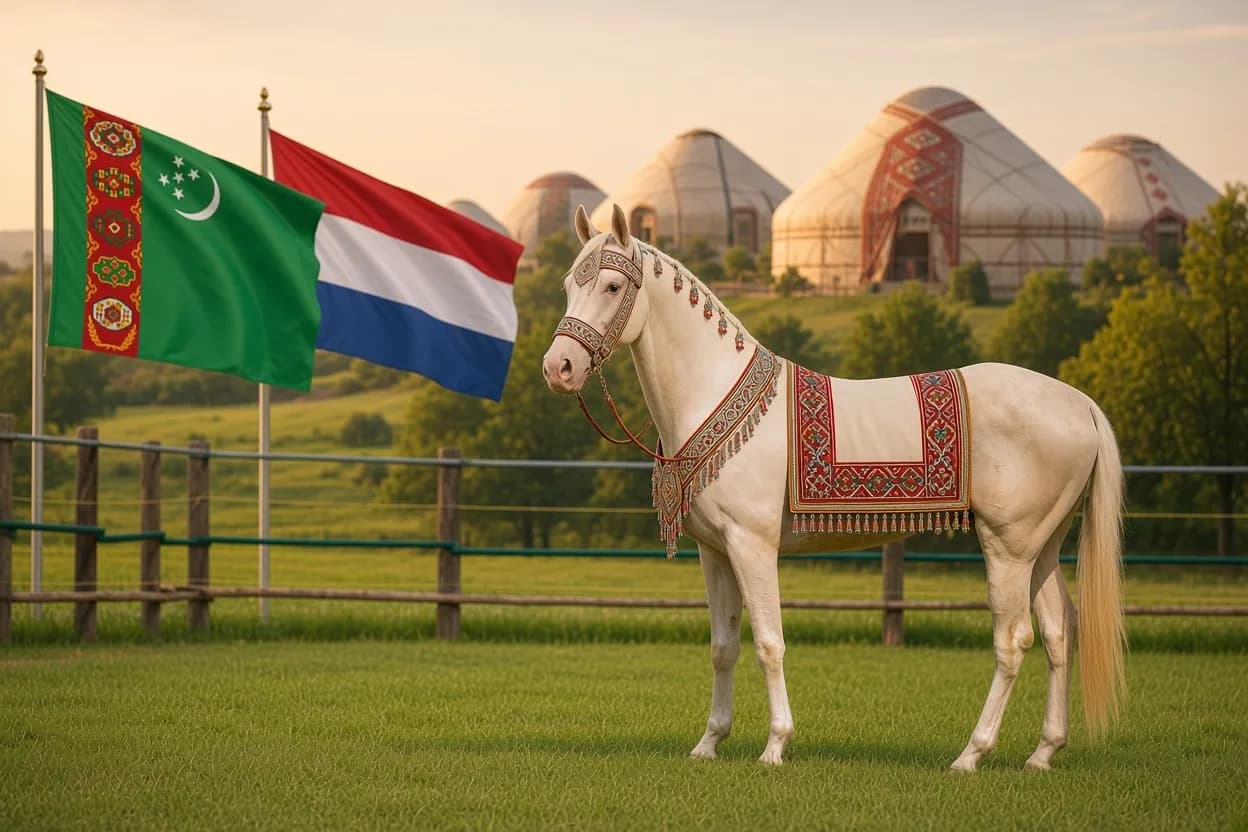
The Akhal-Teke constitutes a form of cultural diplomacy: Turkmenistan is not only seeking to export a horse, but to export a national narrative.
It is in this context that the Akhal-Teke Championship will take place from 4 to 6 September 2026 at the Peelbergen Equestrian Centre in the Netherlands. The event is held in partnership with Turkmen Atlary, celebrating the rich cultural heritage and national importance of the Akhal-Teke horse in Turkmenistan. The occasion takes on an even greater significance as it falls during the Year of the Horse, creating a particularly symbolic opportunity to honour and celebrate this exceptional breed.
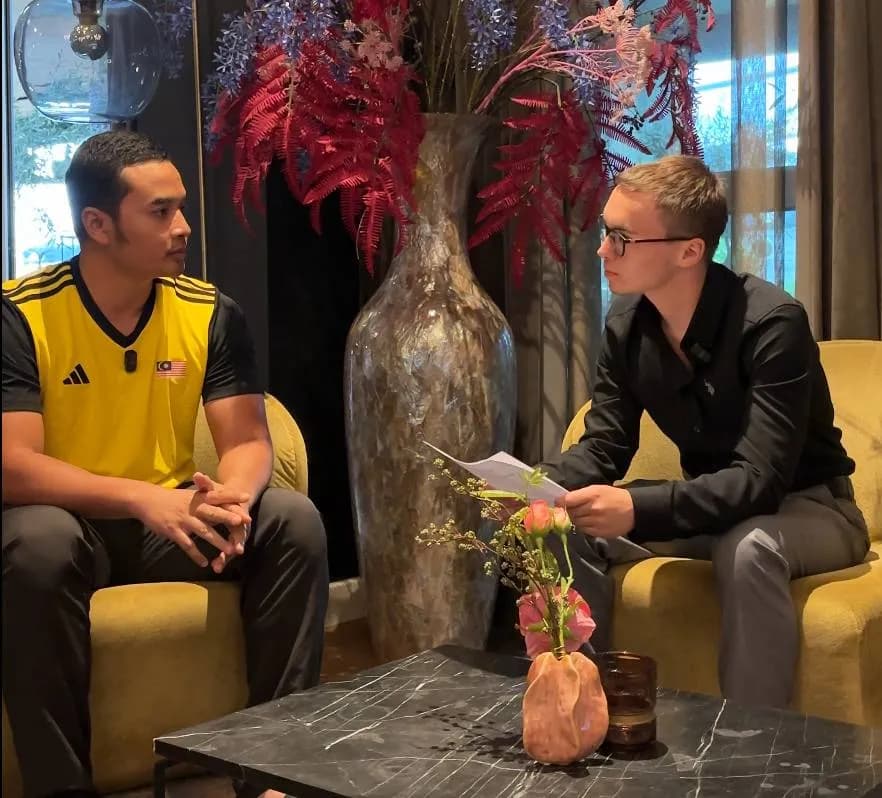
The upcoming event is set to make an important contribution to showcasing and promoting Turkmen culture across Europe. B. Matiyev, Head of the Diplomatic Protocol Training Centre at the Institute of International Relations of the Ministry of Foreign Affairs of Turkmenistan, highlighted the exceptional nature and cultural significance of the occasion.
From National Heritage to Cultural Diplomacy
Turkmen horses are considered a national treasure and a source of pride. In December 2023, the art of Akhal-Teke horse breeding and the traditions of horse decoration were inscribed on UNESCO’s Representative List of the Intangible Cultural Heritage of Humanity.
Deputy Minister of Foreign Affairs of Turkmenistan Berdyniyaz Matiyev explained that the event is not only intended to showcase the qualities of the Akhal-Teke breed, but also to strengthen ties between Turkmenistan and EU countries. The choice of the Netherlands is particularly significant given the country’s strong equestrian culture.
Why the Netherlands?
According to the International Equestrian Federation (FEI), the Netherlands has approximately 450,000 horses and 500,000 riders, supported by around 3,000 equestrian centres and riding clubs. The Royal Dutch Equestrian Federation (KNHS) counts 200,000 members, with approximately 765,000 competition entries recorded annually across eight disciplines.
The Netherlands therefore provides a particularly relevant European setting for the international promotion of Turkmenistan’s equestrian heritage.
The Akhal-Teke Within Turkmenistan’s Foreign Policy
The Akhal-Teke championship therefore needs to be understood within the broader architecture of Turkmenistan's foreign policy. Ashgabat officially presents its diplomacy as one based on neutrality, international cooperation, dialogue and the development of cultural and humanitarian relations.
Among its stated objectives is the strengthening of Turkmenistan’s position on the global political stage and the promotion of its Permanent Neutrality internationally.
Against this backdrop, the international projection of the Akhal-Teke offers an unconventional but potentially significant instrument of cultural diplomacy. Rather than replacing traditional diplomacy, it can complement it by projecting an element of Turkmenistan’s national identity through culture and heritage.
Conclusion: When Culture Becomes Power
The Akhal-Teke championship illustrates Turkmenistan’s growing use of cultural diplomacy as a tool of international influence. By promoting its national horse in Europe, Ashgabat seeks not only to preserve its heritage but also to project its identity and strengthen its international image.
This strategy reflects a broader trend in international relations. China uses scientific and technological cooperation in Africa, France relies on cultural institutions and education, South Korea on popular culture, while Qatar and Saudi Arabia increasingly use sport and cultural institutions to enhance their global visibility.
In today’s geopolitics, influence is therefore no longer built only through military or economic power. It can also be projected through culture, science, sport and heritage. For Turkmenistan, the Akhal-Teke may well be becoming a diplomatic instrument in its own right.
Related Topics
Follow EUReflect
See more of our reporting on Google
Mark EUReflect as a preferred source and our stories are ranked higher for you in Top Stories, Discover and Google News — and carry a “preferred” badge when they are cited in AI results.
Add EUReflect as a preferred source