The Soul of Chuvashia
Hidden in Russia’s Volga region, Chuvashia is a cultural treasure waiting to be discovered. Cheboksary, its picturesque capital, dazzles with stunning landmarks like the Monument of Mother, vibrant public art, and the National Museum’s rich displays of traditional costumes and crafts. Here, folklore, music, and centuries-old traditions thrive alongside modern life, offering travelers an authentic glimpse into a proud and living culture.
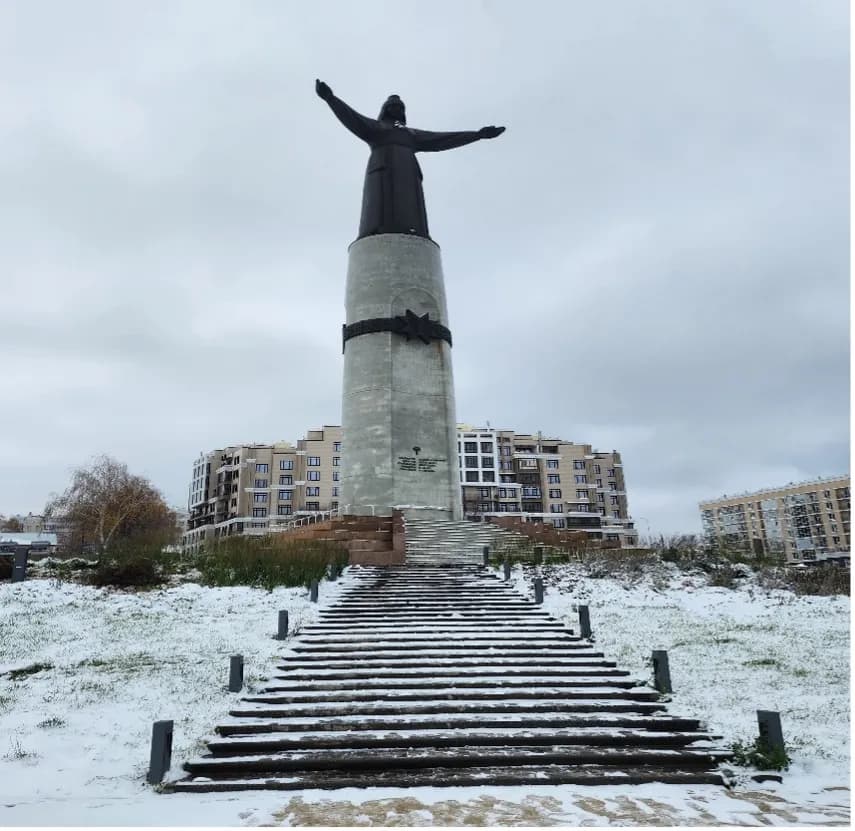
In the heart of Russia's Volga region lies a region often overlooked by many travelers, yet one with extraordinary cultural richness: the Chuvash Republic (Chuvashia). Located on the right bank of the Volga River, Chuvashia is part of the Russian Federation and home to approximately 1.2 million people, most of whom belong to the Chuvash ethnic group, one of the most ancient and deeply rooted Turkic peoples. Its capital, Cheboksary, is a charming and clean city beautifully situated on the banks of the Volga River, where history, art, and tradition coexist in elegant balance.
When I arrived in Cheboksary in late October 2023, the city was blanketed with the first snow of the season. The crisp air, gray skies, and shimmering white rooftops gave the capital a serene and poetic atmosphere. Standing by the Volga embankment, I could see the city unfolding before me — a harmonious blend of modern buildings, historical monuments, and open water. Cheboksary is not a large city, but it has a personality all its own. It is peaceful, tidy, and filled with public art. The locals take great pride in their heritage, and their friendliness makes any visitor feel instantly welcome.
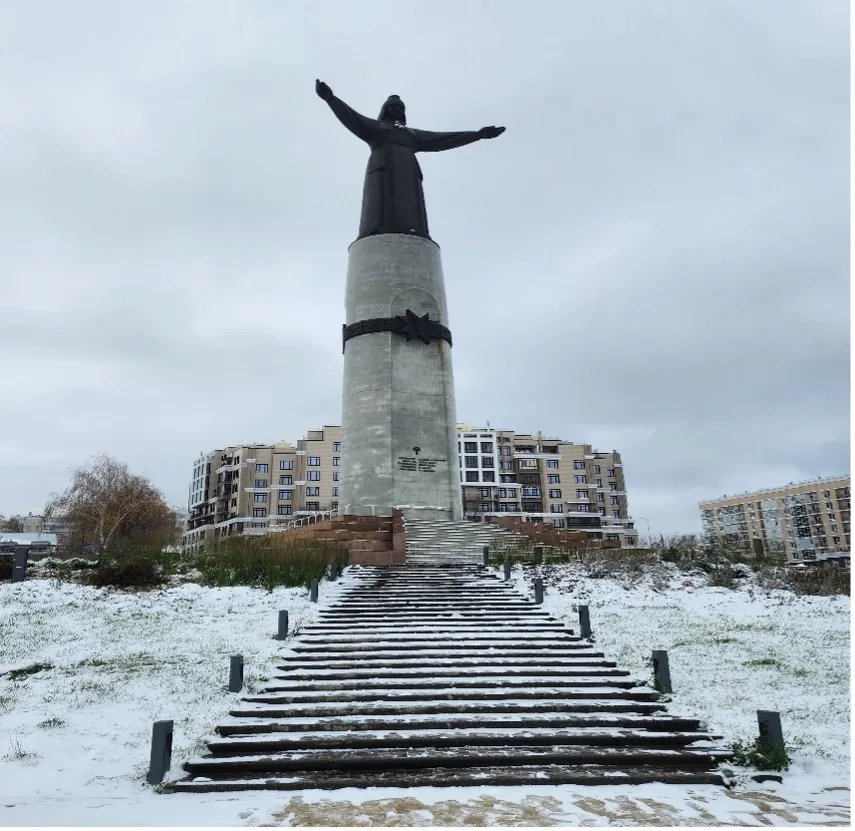
One of the first sights that caught my attention was the Monument of Mother, an impressive statue towering over the city from a hill near the river. The monument depicts a woman with outstretched arms, symbolizing peace, love, and the protection of the Chuvash nation. Locals often refer to her as the “Mother of Chuvashia,” a guardian figure watching over both the people and the Volga River. Climbing the snow-dusted stairs leading up to the monument, I felt a profound sense of tranquility. From the top, the panoramic view of Cheboksary is breathtaking — the Volga shimmering below, the city’s modern skyline in the distance, and the faint sound of church bells echoing through the cold air. It’s a place where one truly feels the heart of the Chuvash land beating in harmony with its natural surroundings.
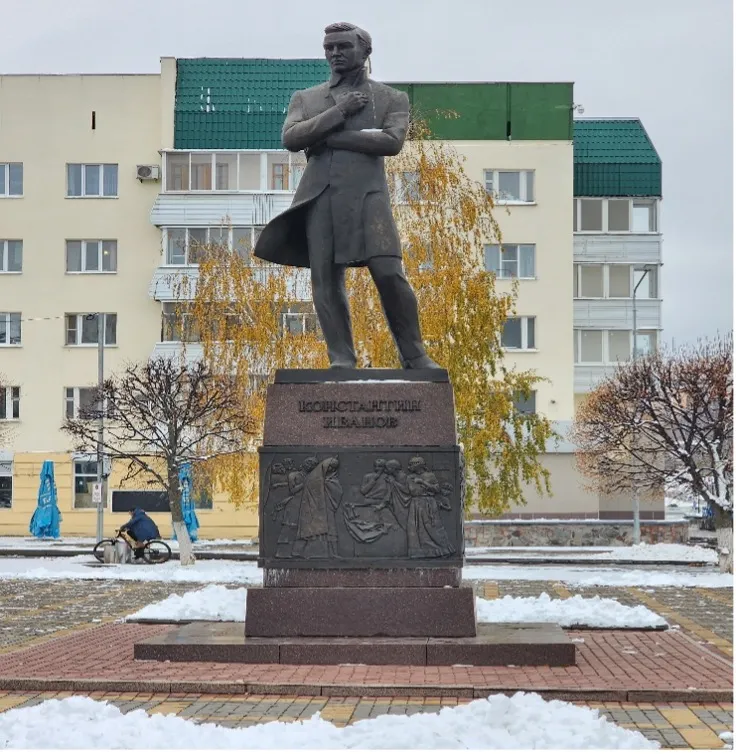
Cheboksary's public sculptures are not just ornaments; they are also storytellers. While walking through the city center, I came across a statue of Konstantin Ivanov, one of the most revered Chuvash poets. His works, written in the local Chuvash language, celebrated the beauty of his people's traditions and their longing for honor and freedom. The monument depicts him with a pensive expression, his hand on his chest, as if he were still listening to the heartbeat of his homeland.
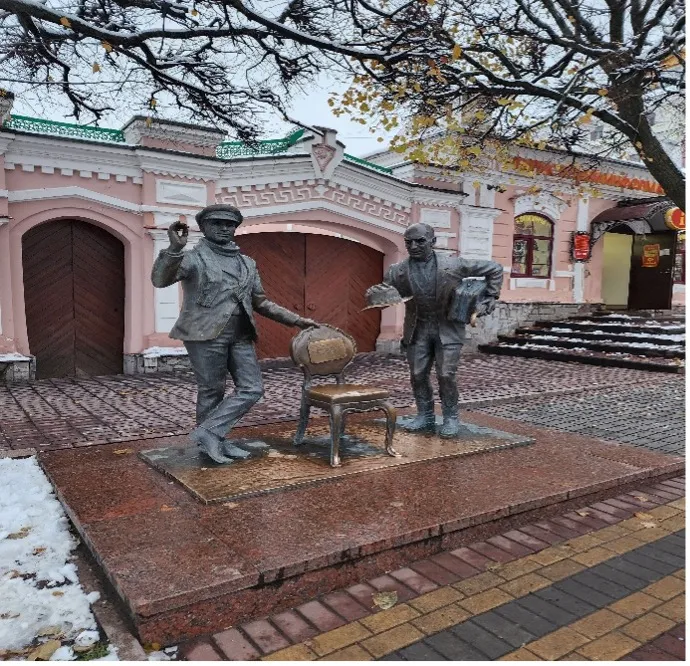
Nearby, another statue depicts two men next to a chair—a humorous, modern monument that references the famous Russian novel "The Twelve Chairs." This contrast between solemn national pride and playful cultural creativity perfectly captures the spirit of Cheboksary.
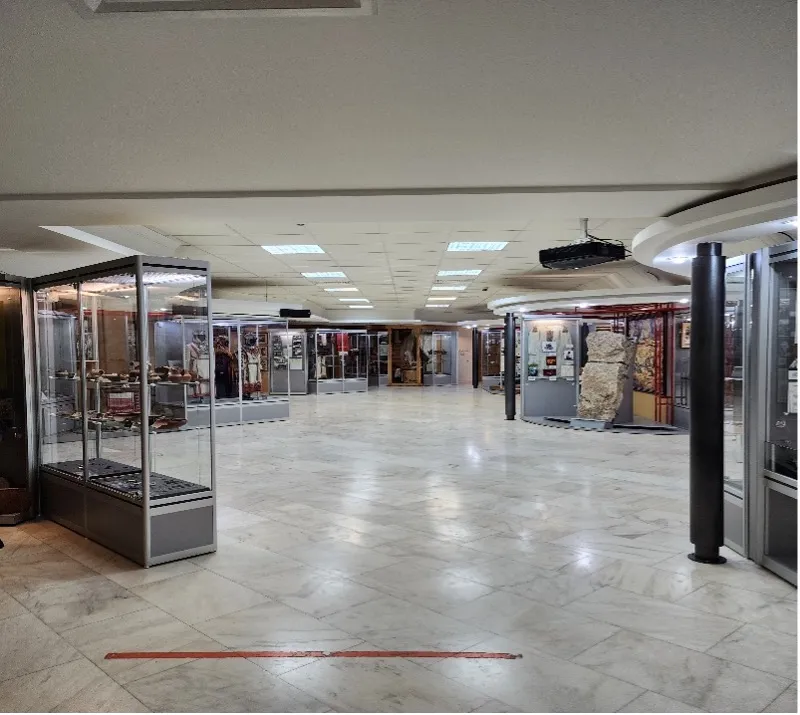
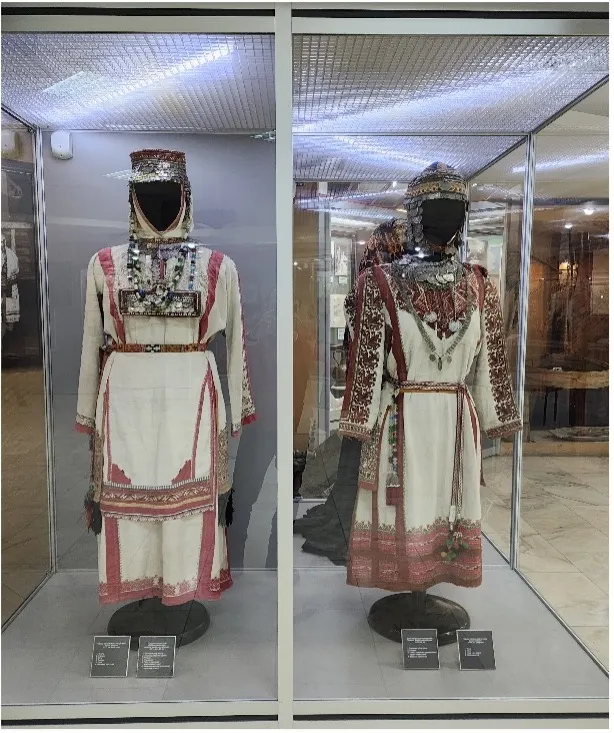
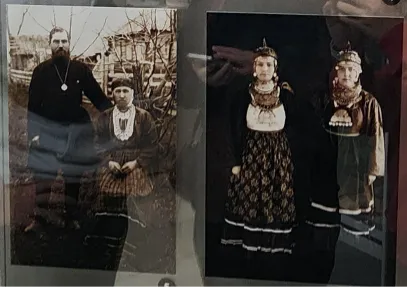
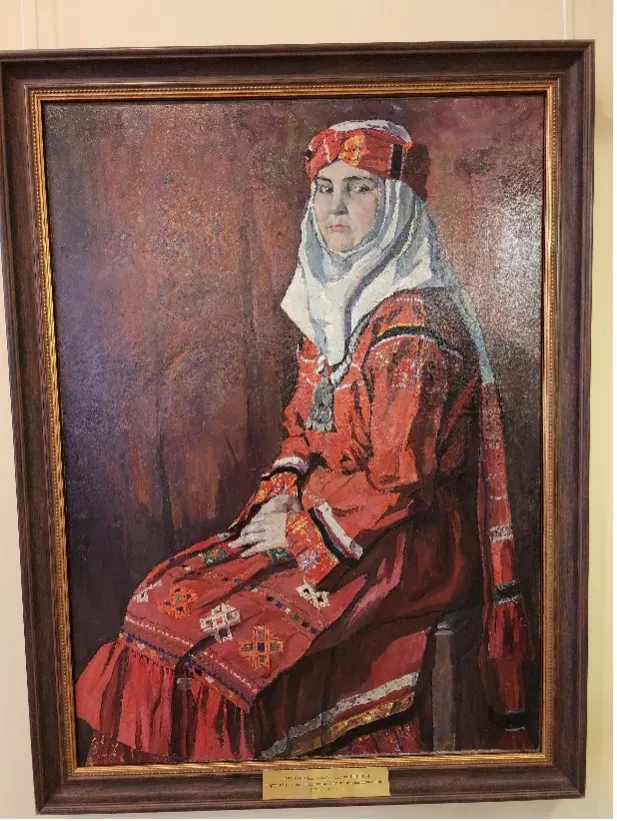
My visit to the National Museum of the Chuvash Republic was undoubtedly the highlight of my trip. Located in the heart of Cheboksary, the museum offers an immersive journey through Chuvash history, art, and ethnography. Inside, I found elegant traditional costumes adorned with coins, embroidery, and bright red and white patterns—the signature colors of Chuvash design. Each garment tells a story: family, craftsmanship, and identity passed down from generation to generation.
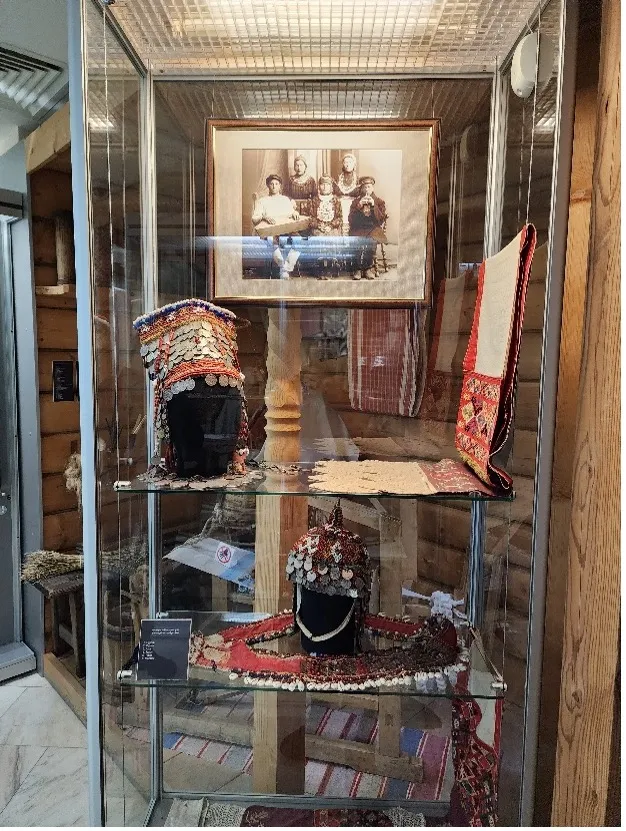
Old photographs and artifacts depict daily life in rural Chuvash villages, where weaving, pottery, and farming were once central to life. Particularly captivating were the symbolically rich wedding costumes, which blended pagan and Christian motifs. The museum also displays ancient tools, musical instruments, and household items, reminding visitors of the harmony between the Chuvash people and nature.
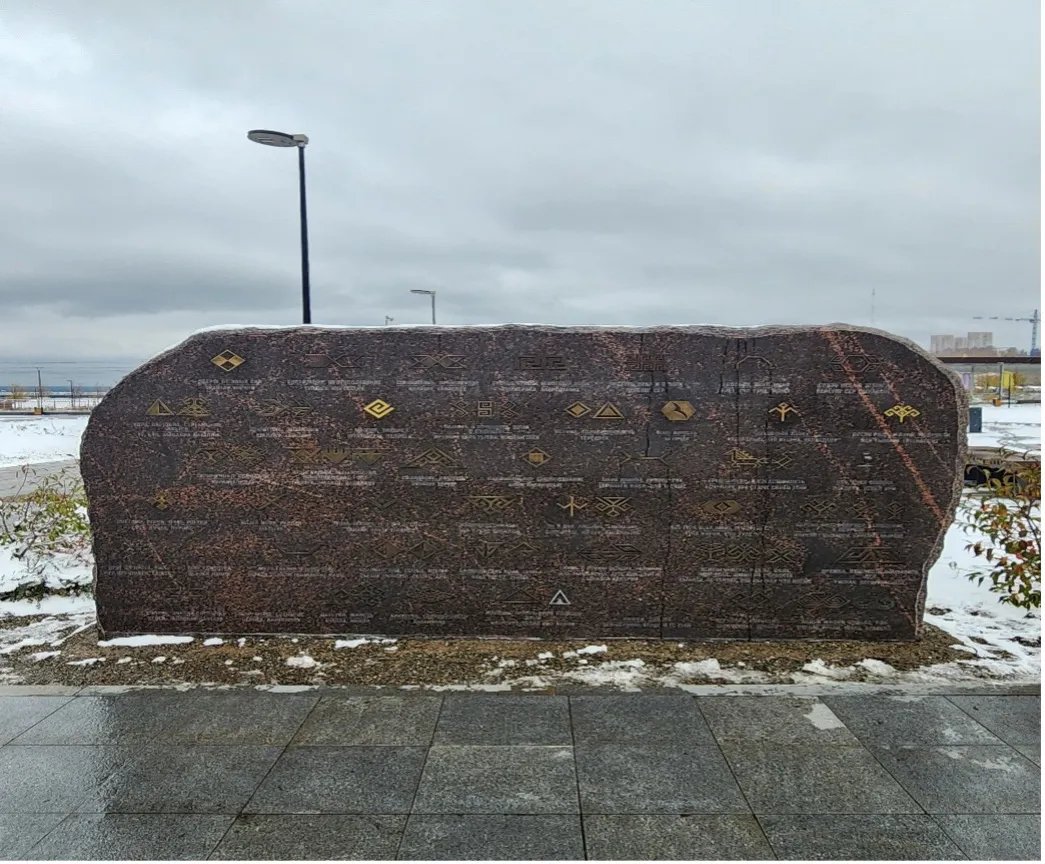
Outside the museum, I found a remarkable stone monument covered with ancient symbols — geometric patterns, crosses, and spirals once used in Chuvash embroidery and wood carving. Each symbol carries meaning: protection, fertility, peace, or memory. The Chuvash have long expressed their beliefs not only through words but also through these visual languages, which remain part of their modern artistic identity.
What impressed me most about Chuvashia is how alive its culture still feels. The region has preserved its folklore, music, and handicrafts not as relics of the past but as living elements of daily life. During my stay, I saw people wearing traditional scarves, heard music playing in local cafés, and noticed how the Chuvash language appears on street signs and public buildings.
In an age where many regional identities are fading, Chuvashia stands as a reminder that cultural heritage can coexist with modernity. Its people are deeply connected to their roots but also open to the world — a rare and beautiful balance. For anyone interested in history, culture, and authenticity, Chuvashia is a hidden treasure waiting to be discovered. Whether it’s walking along the snowy Volga embankment, admiring the Monument of Mother, exploring the National Museum, or simply talking to locals, every moment in Cheboksary offers insight into a people who have preserved their uniqueness with quiet strength.
Dolunay Yusuf Baltürk
Contributing writer at EUReflect.
Follow EUReflect
See more of our reporting on Google
Mark EUReflect as a preferred source and our stories are ranked higher for you in Top Stories, Discover and Google News — and carry a “preferred” badge when they are cited in AI results.
Add EUReflect as a preferred source