Turkish Political Elites and the Absence of China-Russia Expertise
Turkish political elites are predominantly Western-educated, lacking direct Chinese or Russian expertise. This creates strategic blind spots, limiting Turkey’s capacity to manage relations and opportunities in a multipolar world. Diversified education is crucial for effective global engagement.
Historically, Turkish political and bureaucratic elites have been shaped predominantly through Western-centered educational and experiential pathways. Within the bureaucracy of the Presidency, as well as among ministers and members of parliament, individuals who have received education in China or possess direct experiential knowledge of China are exceedingly rare. This scarcity directly limits Turkey’s capacity to accurately interpret opportunities in global politics and economics and to manage strategic relationships effectively.
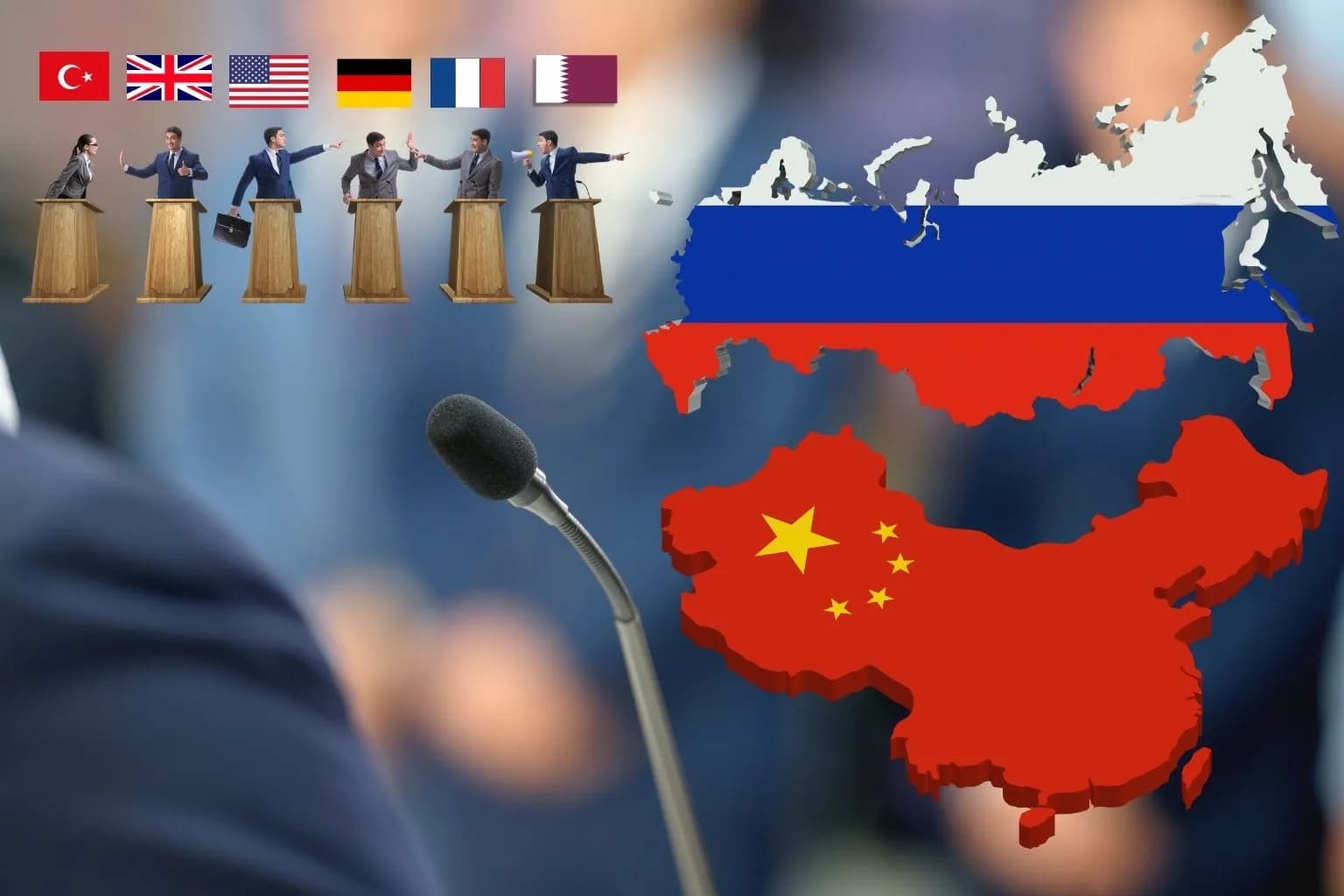
The educational orientations of Turkish decision-makers are largely Western-centric. The German school has played a particularly influential role in public administration, legal studies, and bureaucratic training. The French school has been decisive in political science, public administration, and diplomacy. The British and American schools have shaped dominant perspectives in international relations, economics, and law, whereas the Arab school has had a limited impact, primarily within historical and cultural contexts of the Islamic world. By contrast, Russian and Chinese educational traditions are virtually absent. This absence not only creates a structural gap in the educational foundation but also confines Turkey’s foreign policy vision to a unipolar framework.
A Western-centered education infrastructure familiarizes Turkish decision-makers with interpreting global politics and economic relations through Western norms. However, in a multipolar world, a Western perspective alone is insufficient. China’s development model, state-capital relations, long-term investment and infrastructure strategies, regional diplomacy, and cultural sensitivities cannot be fully comprehended through a Western lens. Similarly, Russia’s energy policies, regional security strategies, and historical diplomatic practices are challenging to understand through Western-centric education. The inability of decision-makers to gain direct experience from Chinese and Russian educational frameworks restricts Turkey’s capacity to develop strategic cooperation with these countries and risks impeding bilateral relations.
At the global level, this deficiency has significant consequences. Turkey operates in international negotiation arenas and multipolar economic and diplomatic platforms through decision-making mechanisms shaped by Western norms, yet it faces a cadre incapable of understanding Chinese and Russian perspectives. This limitation undermines Turkey’s ability to defend its national interests and creates disadvantages in strategic negotiations. For instance, China’s Belt and Road Initiative (BRI) projects require a comprehension of long-term state strategy and culturally informed diplomacy, which a Western-centric approach may reduce merely to economic opportunity. Likewise, collaborations with Russia in energy and security may suffer from strategic errors if historical and cultural contexts are overlooked.
Therefore, diversifying the educational and experiential backgrounds of Turkish decision-makers is of critical importance. Postgraduate programs, diplomatic internships, short- or long-term academic exchange programs, and cultural and scientific experiences that provide direct access to Chinese and Russian educational paradigms would enable leaders to develop diverse perspectives and accurately assess global risks. Such experiences are not only essential for diplomatic or commercial relations but also for ensuring that Turkey functions as an effective actor in a multipolar world.
Turkey’s strategic pathways remain primarily oriented toward the West. However, in a multipolar global system, a cadre trained solely in Western perspectives can interpret only the opportunities associated with Western actors, while facing strategic blindness in Eastern arenas. The absence of Chinese and Russian expertise limits Turkey’s capacity to capitalize on economic opportunities and reduces flexibility in foreign policy crises. For example, investments in energy and infrastructure, technology transfers, and regional security collaborations could be far more effective and strategic if guided by leaders familiar with Chinese and Russian perspectives.
Turkish decision-makers and expert cadres experience a profound structural deficit in understanding emerging powers such as China and Russia. Significantly, many analysts lack proficiency in the relevant languages: China specialists often do not speak Chinese, and Russia specialists frequently do not speak Russian. Consequently, analyses and assessments of these countries rely predominantly on Western-centered sources, including academic articles, diplomatic reports, international media, and evaluations from Western research institutions. These secondary sources have become the primary reference points for Turkish decision-makers and experts.
The root of the problem lies in the fact that Turkey’s comprehension of China and Russia is mediated through third-party, Western-framed interpretations rather than direct experience and access to primary sources in the local language. This situation generates two primary challenges:
Perception and Interpretation Bias: Western-centered sources interpret China and Russia through their own political, economic, and cultural norms. This framing shapes the perceptions of Turkish experts and decision-makers. For example, analyses of China’s state-capital relations or Russia’s energy diplomacy, when filtered exclusively through Western perspectives, may be incomplete or inaccurate. Consequently, Turkey’s strategic decisions are shaped more by Western viewpoints than by national interests.
Strategic Blindness: A lack of on-the-ground experience, language proficiency, and cultural understanding constrains Turkey’s capacity to develop long-term, strategic cooperation with China and Russia. Economic, diplomatic, or security collaborations conducted without direct observation or engagement remain short-term and superficial. This limitation diminishes Turkey’s ability to safeguard its interests and manage crises effectively in a multipolar environment.
From a global perspective, this structural deficiency renders Turkey dependent on Western-centric analyses and decision-making frameworks. Efforts to understand emerging powers solely through Western lenses reduce strategic flexibility and increase risks in international collaborations. Policies executed without a nuanced understanding of China’s and Russia’s dynamics can result in missed economic opportunities, insufficient diplomatic initiatives, and ineffective crisis interventions.
Addressing this challenge requires more than the training of individual experts. The education system, bureaucratic career pathways, and diplomatic training programs must provide direct engagement with Chinese and Russian perspectives. Experts and decision-makers must acquire language proficiency, access primary sources, and directly observe cultural and historical contexts. Such measures would allow Turkey to develop independent, multidimensional, and strategically foresighted policies beyond Western-centric frameworks.
In conclusion, the problem extends beyond a mere knowledge gap regarding China and Russia. It fundamentally reflects Turkey’s strategic perception being constrained by Western-centric sources and perspectives. This structural deficiency directly undermines Turkey’s effectiveness and competitive capacity in a multipolar world. Diversifying educational and experiential pathways would strengthen the strategic foresight of decision-makers and position Turkey as a balanced actor in global politics. Expanding the diversity of educational paradigms is not merely a matter of education reform or individual career planning; it is a national security and economic strategy imperative. Opening educational and experiential pathways toward Chinese and Russian axes would ensure that Turkey maintains robust ties with the West while emerging as a balanced, foresighted, and effective actor within the Eastern sphere.

İsmail Polat
Ph. D. in International Relations
Follow EUReflect
See more of our reporting on Google
Mark EUReflect as a preferred source and our stories are ranked higher for you in Top Stories, Discover and Google News — and carry a “preferred” badge when they are cited in AI results.
Add EUReflect as a preferred source