US–Azerbaijan Trade Relations Enter a Dynamic New Era
A Flourishing Economic Alliance: US–Azerbaijan Trade Relations Enter a Dynamic New Era
By: Ms. Fatima Tuz Zehra
President “The Gulf Observer Research Forum” and Editor-In-Chief of “The Gulf Observer”
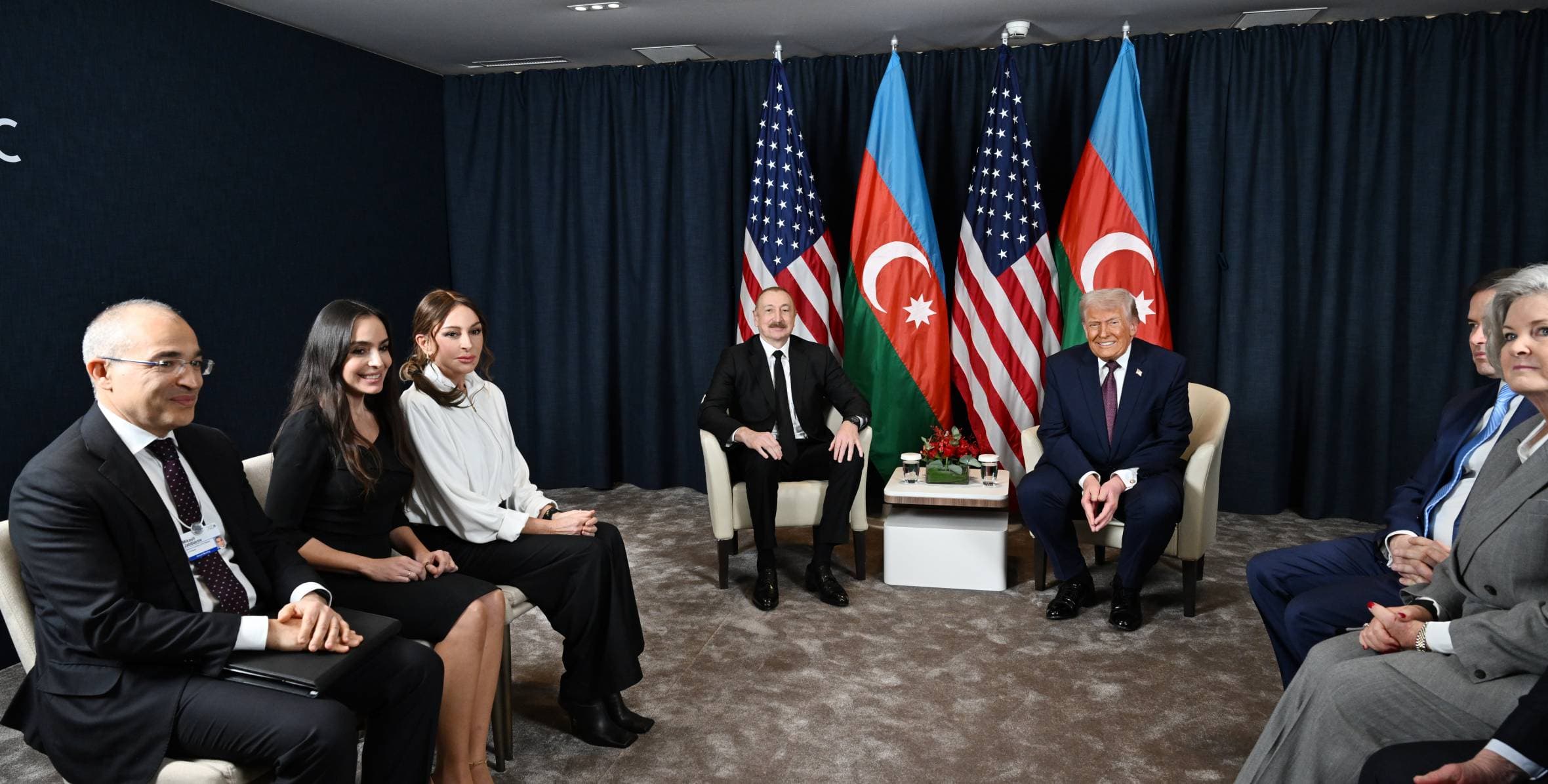
The development of the trade relations between the United States and Azerbaijan has entered a new inspiring and more organized stage which indicates the common vision of the long-term economic relations and strategy cooperation. The recent bilateral business mission, between the two nations, is a milestone; not only as a diplomatic venture, but as a clear cut move to ensuring that the dialogue between the two nations on the economic front is institutionalized at the state of the art.
The visit of the delegation to Baku, headed by Kush Choksi, Senior Vice President of the US Chamber of Commerce, saw the delegation finally hold a high level round table at the Ministry of Economy in Azerbaijan. The debates highlighted a strong message Azerbaijan United States relations, supported by the solid political will of both states, have grown into a strategic alliance with broadening economic capabilities.
From Energy Foundations to Multidimensional Growth
Traditionally the bilateral relations were based on energy. With the process of its restoration of independence in Azerbaijan in 1991, the oil and gas industry has experienced the influx of American investment in the country, with the US involvement in the historic Contract of the Century, as well as the vigorous support of the Southern Gas Corridor. The United States has been the second-largest investor in Azerbaijan to this day with over 250 US-invested companies registered in the country.
But what is different about the present stage of cooperation is that it is diversified. The business mission recently under the spotlight was made of major areas that reflect the development agenda of Azerbaijan through reforms and the American global commercial capabilities: digital transformation, defense, transport and logistics, agriculture, healthcare, finance, and strategic investments.
This wide area coverage is an indicator of a shift in a conventionally energy based relationship to a holistic economic alliance that is founded on innovation, technology, and connectivity.
Azerbaijan: A Reform-Oriented and Predictable Economy.
The focus on macroeconomic stability and sustainable development in the roundtable discussions showed how Azerbaijan is obviously ambitious about its position as a predictable and investor friendly economy. At the time when international investors are wary of the risk of supply-chain discontinuities and regulatory risk, the consistent reform agenda in Azerbaijan is notable.
Baku is sending a strong message through incentives to entrepreneurs, digitalization efforts and policies that promote the development of the non-oil sector: it is a long-term, technology-oriented capital (not short-term speculative flows). Such a proactive strategy goes hand in hand with the American corporate interests in the hi-tech industries and the innovations ecosystems.
The fact that most companies in the US are both global leaders (such as Apple, ExxonMobil, bp, Boeing, Visa, and Mastercard, Shell, Meta and Honeywell) reflects the depth and gravity of the American business activities. It is no longer sector-based association; it is a multidimensional economic discourse on the international level.
Trade Growth: Momentum with Prospect
The trade statistics indicate strong demand and a great prospect. The turnover in bilateral trade increased significantly during the recent years to around 1.75 billion in 2024. Although the United States is the largest contributor to the imports in the country, machinery, aircraft parts, pharmaceuticals, medical equipment and novel technologies are also contributing to the modernization and productivity benefits of Azerbaijan.
The volume of Azerbaijan exports to the US, which is less significant, indicates growing opportunities. Other emerging diversification trends are shown through products such as aluminum plating and ferroalloys and even to diamonds and chemical goods. Instead of being an indicator of imbalance, these numbers demonstrate the uncharted potential and an obvious way toward increasing value-added exports by having a more powerful brand, meeting the US standards, and entering the global value chains.
Notably, Azerbaijan is the biggest US trading partner in South Caucasus -this is a statement to its increasing economic importance in the region.
Connectivity: Geographic Economic Benefit
Logistics and transport became one of the strategic areas of cooperation. The geographical location of Azerbaijan between Europe and Asia, as well as the development of transport routes, increases its competitiveness as both a trading and a transit country. In the case of companies in the US, the connectivity is not only an entry point to the local Azerbaijan market, but also to the regional markets in Central Asia and Europe.
With the maturation of new transport connections, the Azerbaijan contribution to the supply chains of the region will also be increased, which will bring a significant geopolitical aspect to the economic collaboration.
The Future of Technology and Space - Shaping the Future Together
The alliance is also exploring new frontiers in the area of technology. Collaboration with the US firms in the satellite and space initiatives, such as the Azerspace-1 and Azerspace-2, show that the bilateral relationship is far bigger than the conventional industry.
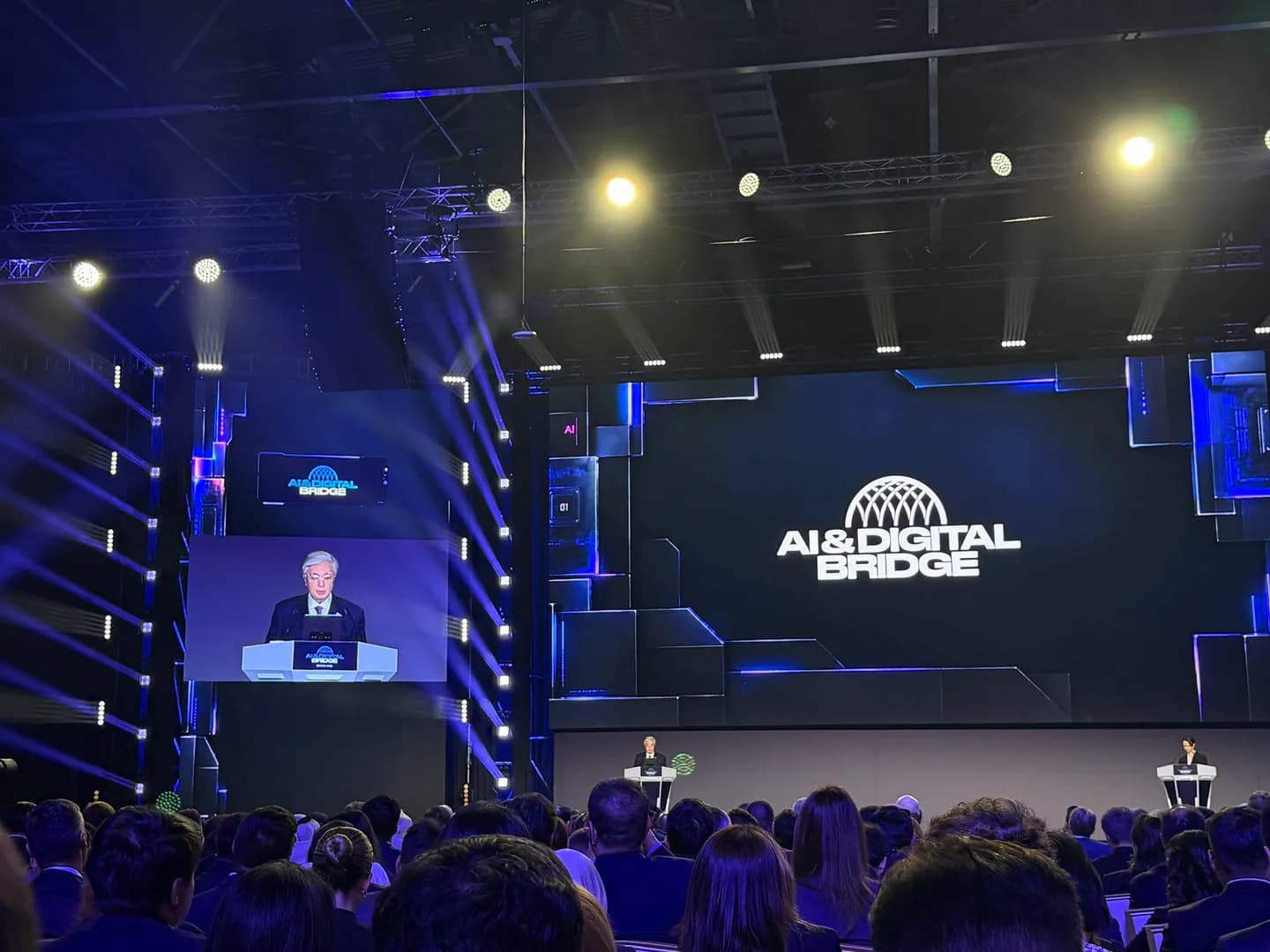
In addition, the Memorandum of Understanding which took place in August 2025 preconditioned enhanced collaboration in the domain of artificial intelligence, digital infrastructure, and advanced technologies. These industries can reshape the Azerbaijan -US economic relations into a collaboration of innovations, research and digital resilience.
A Strategic and Sustainable Future
The structural framework within which this relationship is placed such as the initial agreements on commercial relations and protection of investments, and the Azerbaijan-US Economic Partnership Commission are the factors that give the process the stability and continuity. These processes provide order, clear and sustainable cooperation.
The US and Azerbaijan trade relations are obviously shifting to the model of diversified and innovation-based framework as compared to an energy-based model today. The advancement of trade at a rather galloping pace, the development of sectoral involvement, and the further enhancement of technological cooperation are the indications of a partnership on the next, mature stage.
Should the continuous proceedings of reforms and investment projects remain in the form of tangible projects, the economic coalition will not only enhance the energy security but also connectivity, digital transformation, and common prosperity.
United States and Azerbaijan are proving to the world that bilateral trade can make a very potent engine of innovation and regional stability in a fast changing global compound, showing that strategic foresight, institutional cooperation and mutual respect can transform the bilateral trade.
Fatima Tuz Zehra
Contributing writer at EUReflect.
Follow EUReflect
See more of our reporting on Google
Mark EUReflect as a preferred source and our stories are ranked higher for you in Top Stories, Discover and Google News — and carry a “preferred” badge when they are cited in AI results.
Add EUReflect as a preferred source