Why Killing Khamenei Won’t End Iran’s Islamic Regime
The Iran-US conflicts and Khamenei’s death will not topple the Islamic Republic. The system is institutional, ideological, and backed by military structures. Regional powers and international actors influence developments through diplomacy and strategy; the regime won’t collapse easily, changing slowly from within.
The world is facing a catastrophic era where conflicts, wars, genocide, and humanitarian crises are prevalent without any ending solutions. After the 12-day war between Iran and the United States, the postwar environment seems cordial, as both countries sat at the table for negotiation due to the mediating role of Oman. While both sides present the talks as a positive step, the motivations appear rooted more in fear of escalation than genuine reconciliation.
Days had not passed, and both countries were again involved in the tug of war, and President Donald Trump announced a major combat operation and hit Iranian educational institutions and other places with the collaboration of Israel. In retaliation, Iranattacked US bases such as Al-Udeid Air Base (Qatar),Ali al-Salem Air Base (Kuwait), Al-Dhafra Air Base (UAE), andU.S. Fifth Fleet headquarters (Bahrain).
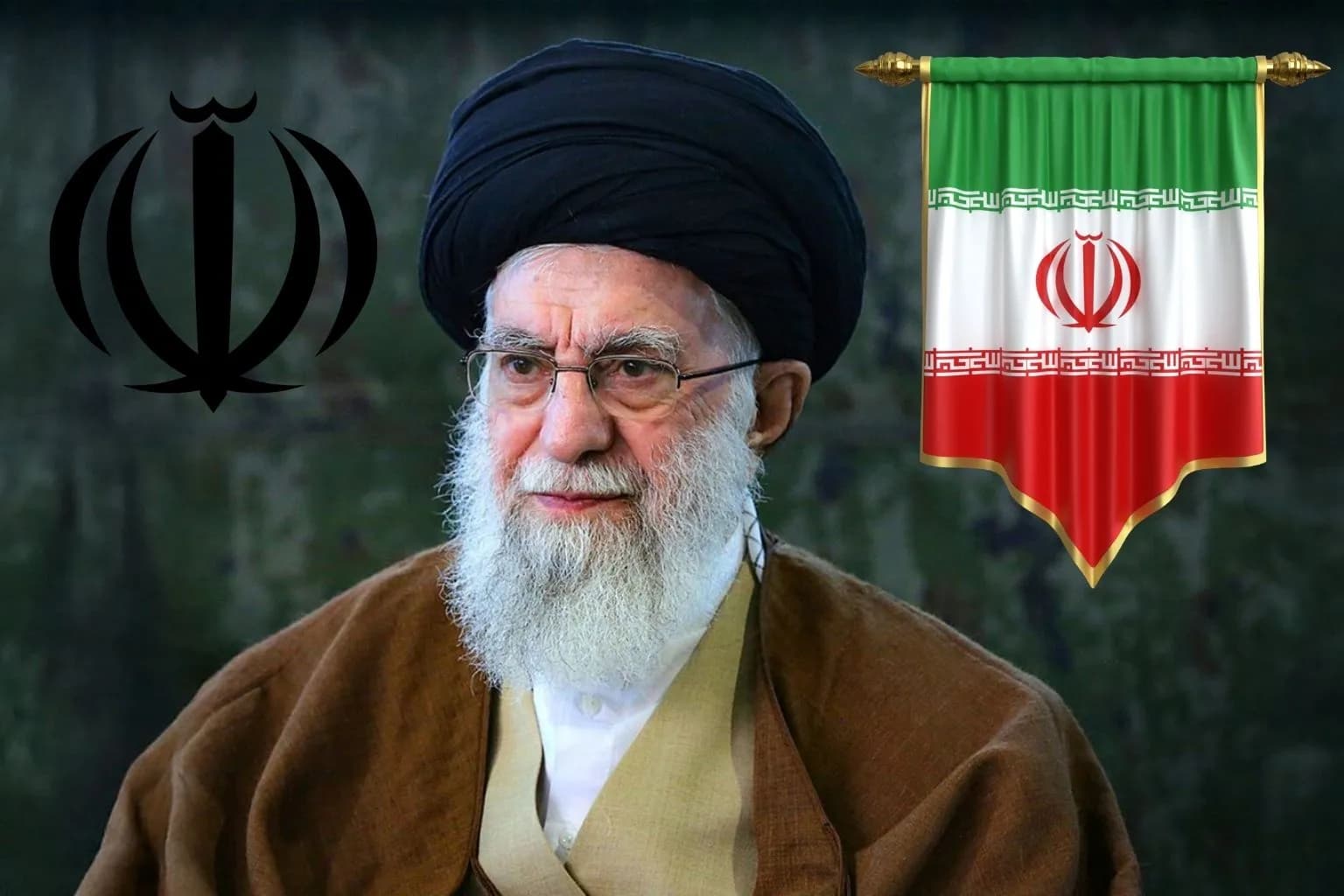
The most tragic scene in this wave of conflict is the death of Iran’s Supreme LeaderAyatollah Ali Khamenei. US President Donald Trump and Israeli Prime Minister Benjamin Netanyahu perceive that the death of the leader will end the Islamic regime and start the new system in the country, which just does not seem easy, as similar perceptions are made by the Western media.
While looking at the ground realities, the Islamic Republic of Iran is institutional, not personal. History has witnessed that after Saddam Hussein was killed, Iraq was destroyed because theentire state apparatus wasbroken. After Muammar Gaddafi was killed, Libya witnessed chaos owing to an institutional vacuum. But after Ruhollah Khomeini died in 1989, the Islamic Republic continued to run under Ali Khamenei.
Before delving into the justification for why the killing of a leader will not collapse the entire Islamic regime, it is worth mentioning the institutional Islamic system thatworks in Iran.
The Doctrine of Wilayat al-Faqih has been the Islamic principle in Iran since the 1979 revolution. The supreme leader is a part of the structure, not the entire system. The Assembly of Experts in Iran is responsible for appointing the supreme leader.The Islamic Revolutionary Guard Corps (IRGC) is the backbone of the country and controls military assets, information, and other activities. Thus, if a leader dies, the IRGC remains active in its work and operations.
There is a whole clerical network present in the country consisting of many organs of the state. Hence, the Islamic regime of Iran is not just a man but is the system consisting of an ideology, a constitutional structure, a security state, and a military-economic complex.
It is said that a supreme leader has chosen his successors, and names are circulating in Tehran, such as Sadeq Larijani, the former judiciary chief and a close aide to Khamenei; Alireza Arafi, who oversees Iran’s seminaries; Mohsen Araki, a longtime member of the Assembly; Mohsen Qomi, an adviser within the Supreme Leader’s office; and Hassan Khomeini, the grandson of the Islamic Republic’s founder, Ruhollah Khomeini. The most important candidate among them is the grandson of the former supreme leader.
Undoubtedly, the international laws have been dumped; no one cares about the sovereignty of countries. UNSC articles and clauses have been violated consistently by major powers, and weak countries are bearing the brunt.
The game has been played to create dominance of Israel in the region, which threatens the security and interests of regional countries such as Pakistan, Iran, and Russia. These countries will never afford the presence of an Israel-influenced regime in the region. If war escalates, the dynamics of the Middle East and West Asia will change, and countries will be on the tide to create new alliances for their security and survival.
Russia’s main goal is to weaken US influence in the region and prevent friendly regime collapse in Iran. China, on the other hand, is dependent on oil imports from Gulf countries and Iran. If regional conflagration happens, both countries will be in a difficult posture and enhance their role in mediating and using diplomatic channels.
Henceforth, the world is eyeing the development in the Middle Eastern region; the interests of the countries are at stake due to the war. We must understand thatSystems made by people don't break easily. You can't destroy them with one big hit. They last a long time. If they do fall apart, it happens slowly from the inside. ASCarl von Clausewitzrightly said that war is just politics continued in a different way
Uroosa Khan
Contributing writer at EUReflect.
Follow EUReflect
See more of our reporting on Google
Mark EUReflect as a preferred source and our stories are ranked higher for you in Top Stories, Discover and Google News — and carry a “preferred” badge when they are cited in AI results.
Add EUReflect as a preferred source