Yennayer 2976: North Africa Marks Amazigh New Year
Amazigh communities across North Africa and the diaspora mark Yennayer 2976, welcoming the traditional New Year rooted in ancient agricultural cycles. The celebration highlights cultural heritage, renewal, family traditions and the growing recognition of Amazigh identity in the modern era.
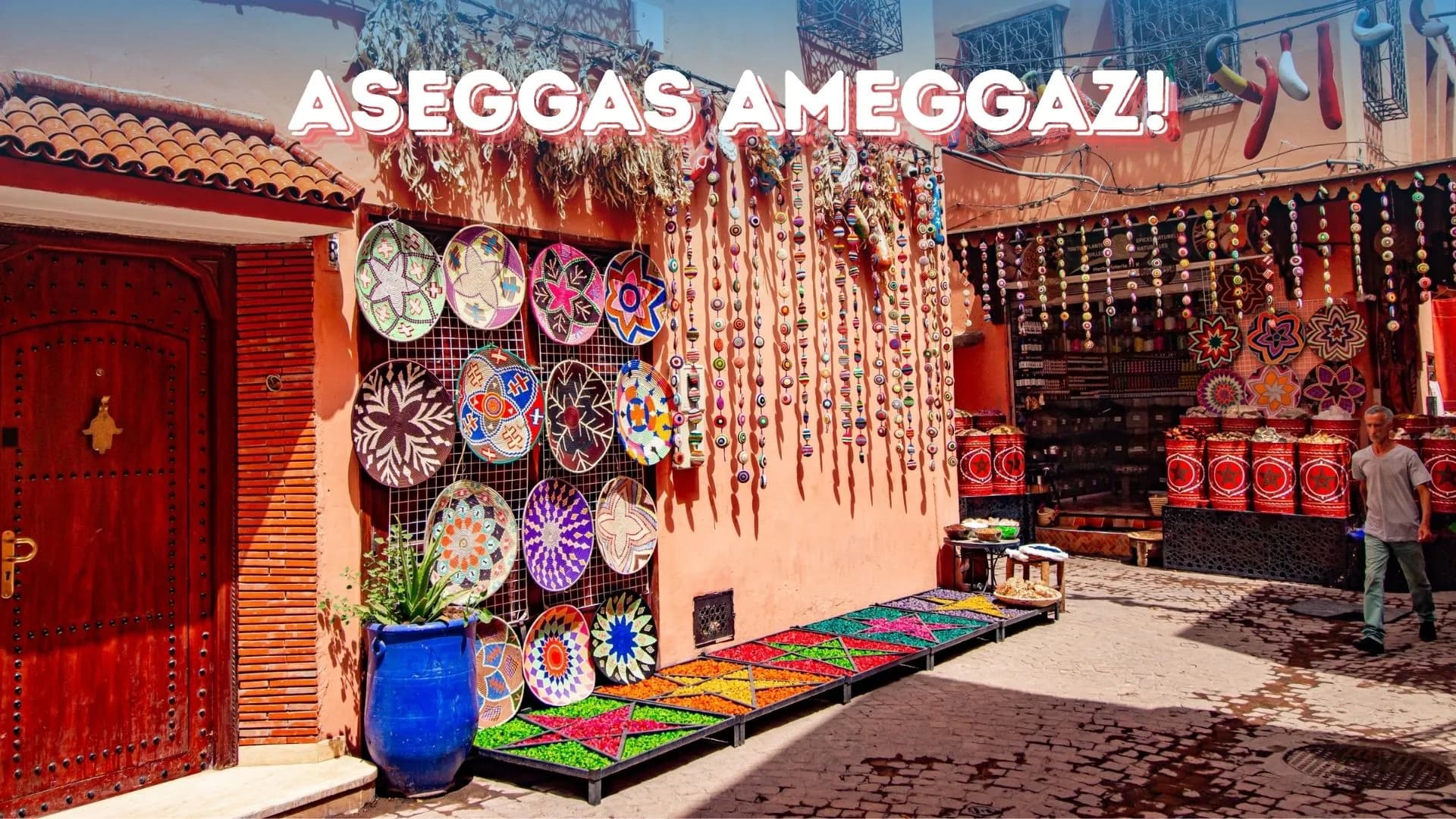
Across North Africa, communities are welcoming the Amazigh New Year, Yennayer 2976, a celebration that connects people not only to a date, but to the land, memory, and the rhythms of agriculture that shaped civilization in the region long before modern borders emerged.
A calendar born from the soil
Unlike many modern holidays tied to state or religion, Yennayer is rooted in farming life. It marks the symbolic opening of the agrarian year, when families look ahead to planting, rain, and harvests. This relationship with nature has helped the Amazigh — known as the Imazighen, “the free people” — preserve a worldview in which time is measured through seasons, earth, and collective labor rather than through formal institutions.
Culture carried across generations
Homes fill with the aromas of couscous, barley dishes, dried fruits, and slow-cooked meats prepared to express hopes for abundance. Elders share ancestral stories, while music and dance revive local traditions. These practices are not simply festive rituals; they are informal classrooms where language, values, and memory are passed to younger generations in Tamazight and local dialects, ensuring that heritage remains alive beyond textbooks.
Recognition and revival
In recent years, Yennayer has gained broader official recognition, including its designation as a public holiday in countries such as Algeria, and this year, for the first time, Morocco. For many Amazigh families, this step represents more than administrative change: it signals a growing acknowledgment that Amazigh identity is not peripheral, but central to North Africa’s historical narrative. Diaspora communities in Europe and North America are also embracing the holiday, using digital platforms to connect across continents.
Aseggas Ameggaz!
As people exchange the greeting Aseggas Ameggaz — “Happy New Year” — Yennayer stands as a quiet but powerful reminder that cultural continuity can endure centuries of change. In celebrating renewal, land, and community, the Amazigh New Year offers a universal message: heritage is not a relic of the past, but a living bridge between generations and a shared future.
EUReflect News
Site Administrator
Follow EUReflect
See more of our reporting on Google
Mark EUReflect as a preferred source and our stories are ranked higher for you in Top Stories, Discover and Google News — and carry a “preferred” badge when they are cited in AI results.
Add EUReflect as a preferred source