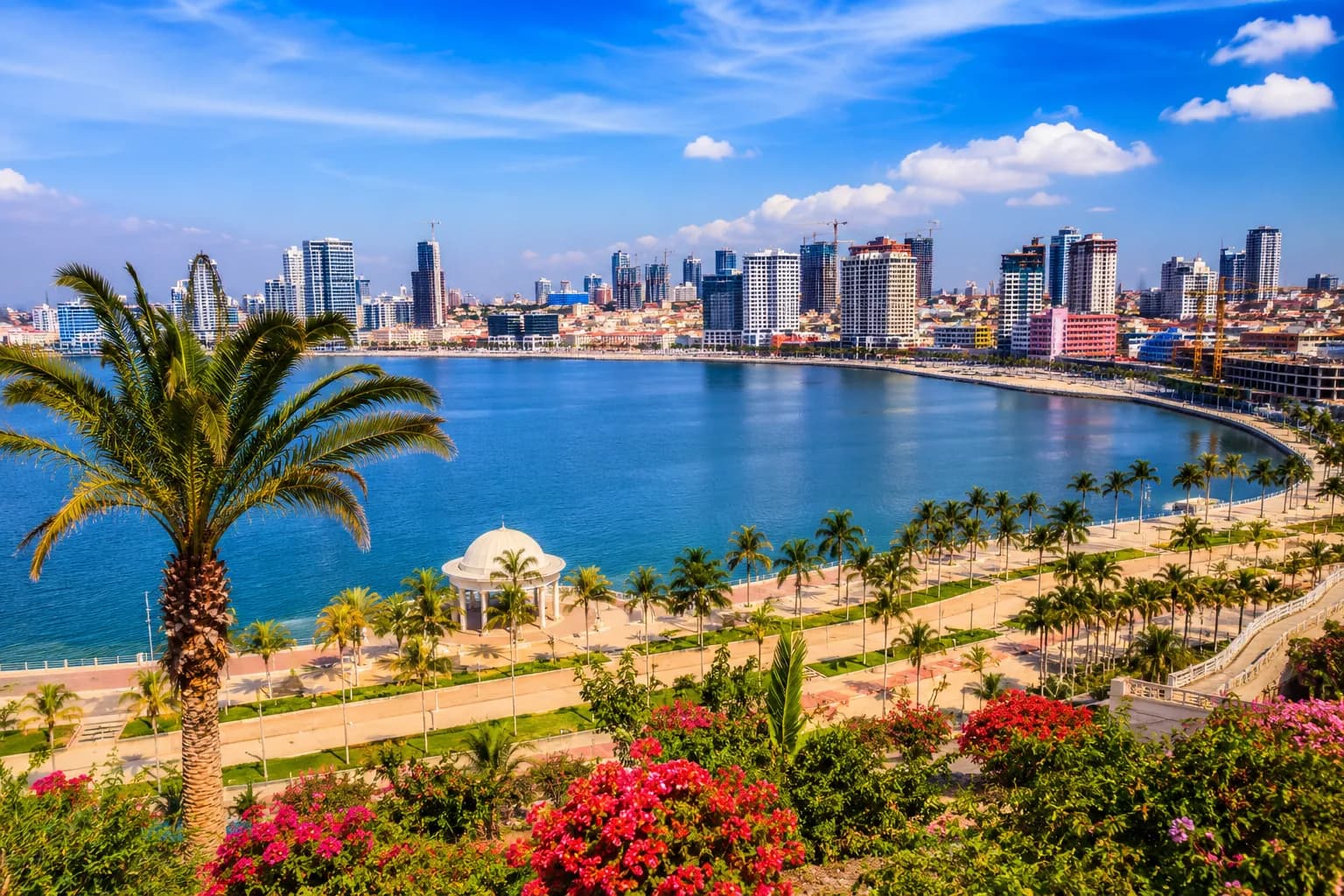
The Global Tourism Forum Angola Investment Summit
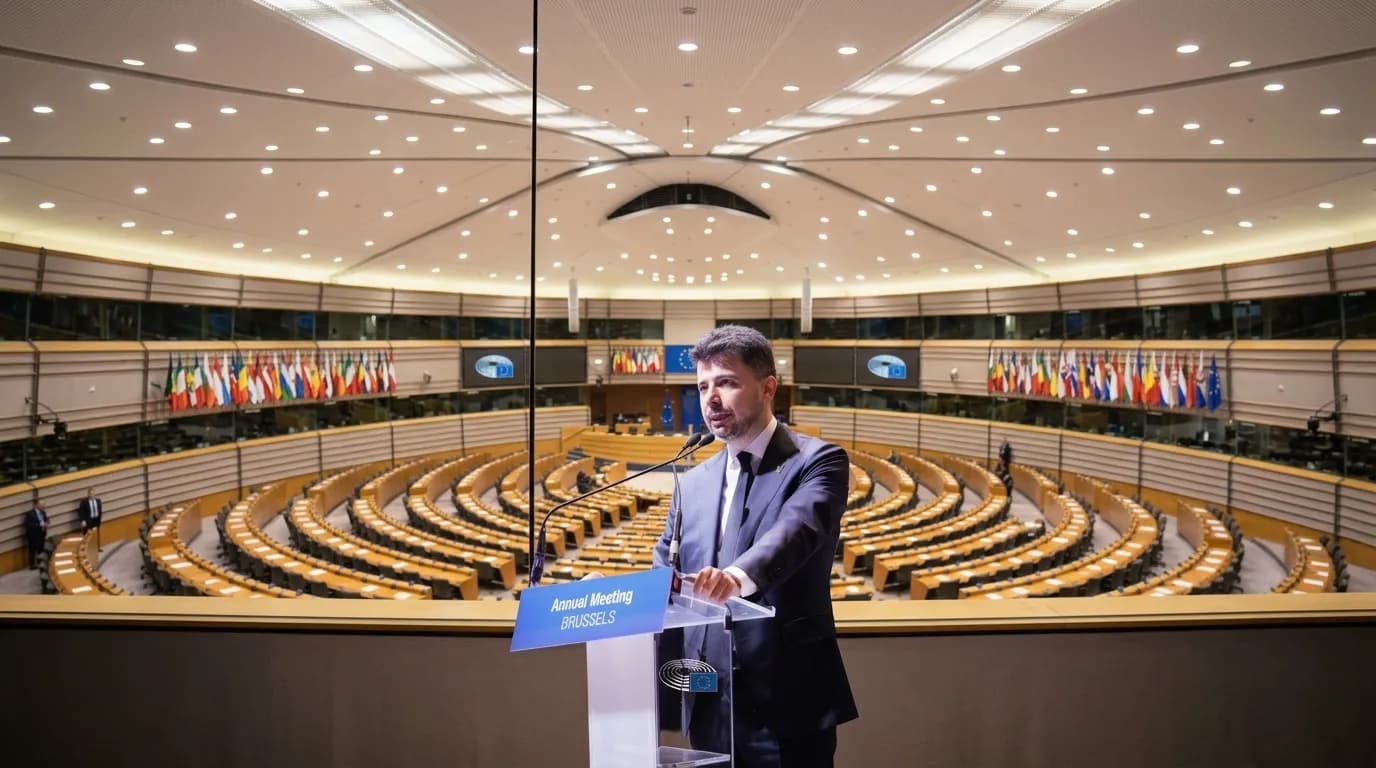
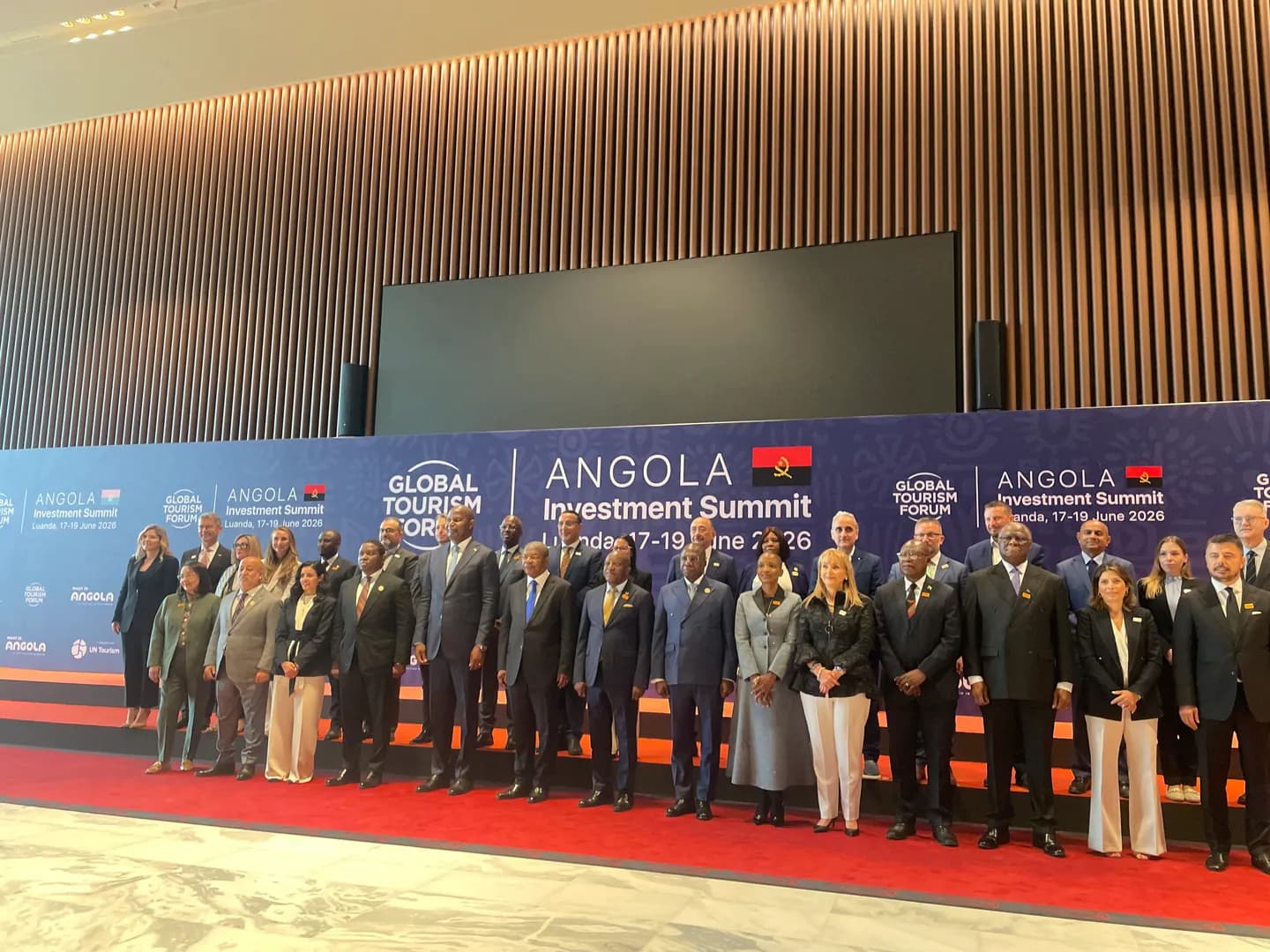
The Global Tourism Forum Angola Investment Summit opened on Thursday in the Angolan capital with a level of protocol rarely seen before.
Authors: Derya Soysal and Olha Horina
The Global Tourism Forum Angola Investment Summit opened on Thursday in the Angolan capital with a level of protocol rarely seen before.
Transitioning a national economy from a historical reliance on oil to a vibrant and sustainable tourism sector is no small feat. Yet, as more than 1,000 global delegates gathered in Luanda this week for the Global Tourism Forum (GTF) Investment Summit Angola 2026, the message was clear: Angola is not merely discussing its potential—it is actively laying the foundation to realize it.
Echoing the nation’s tourism campaign, “The Rhythm of Life,” the summit stands as a powerful testament to a country carefully building a world-class hospitality and tourism industry from the ground up.
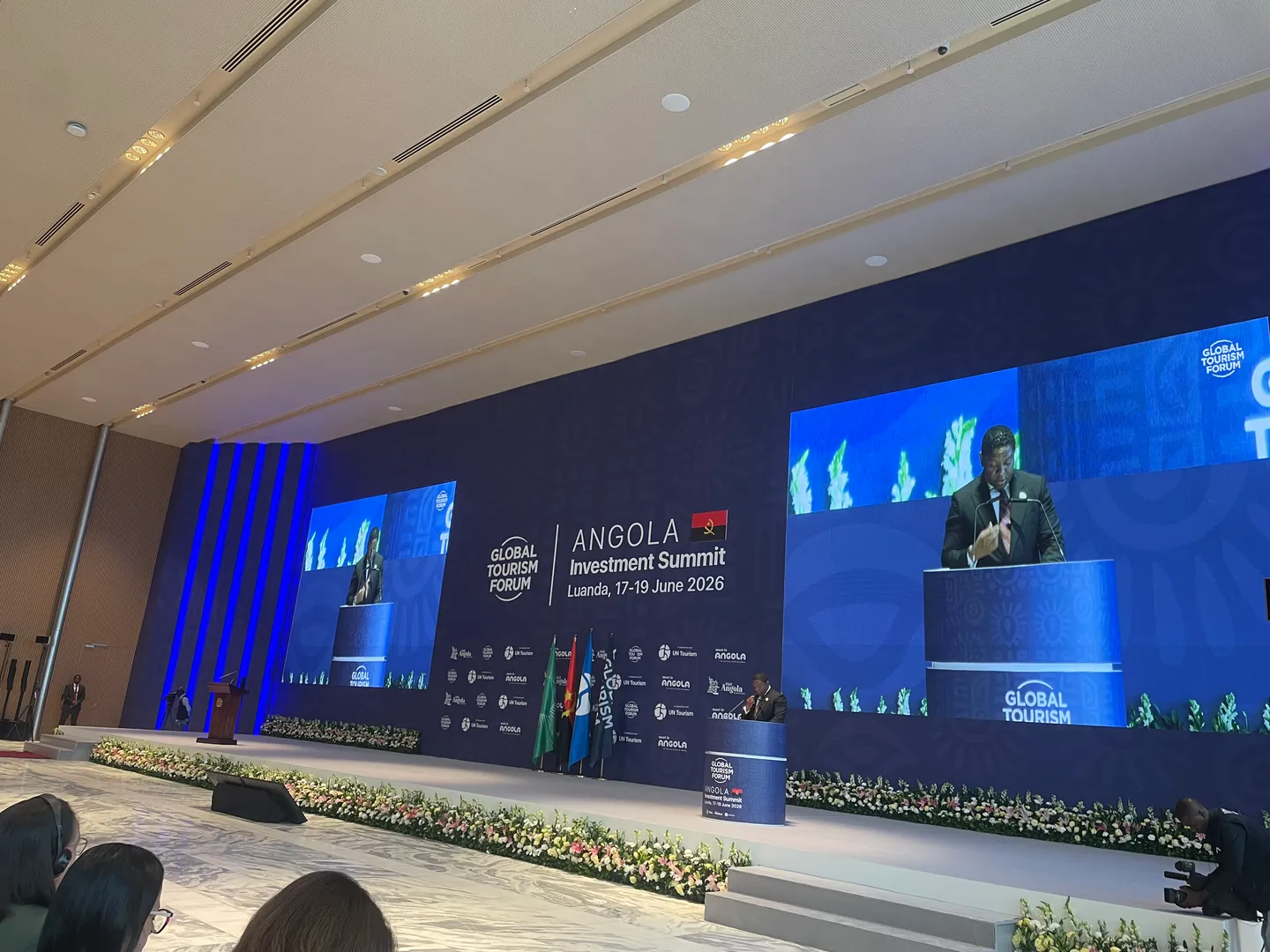
Constructing a New Economic Pillar: President's speech
Angolan President João Lourenço reaffirmed that the country remains open to foreign investment, innovation, knowledge transfer, and strategic partnerships capable of generating mutual benefits and accelerating economic transformation.
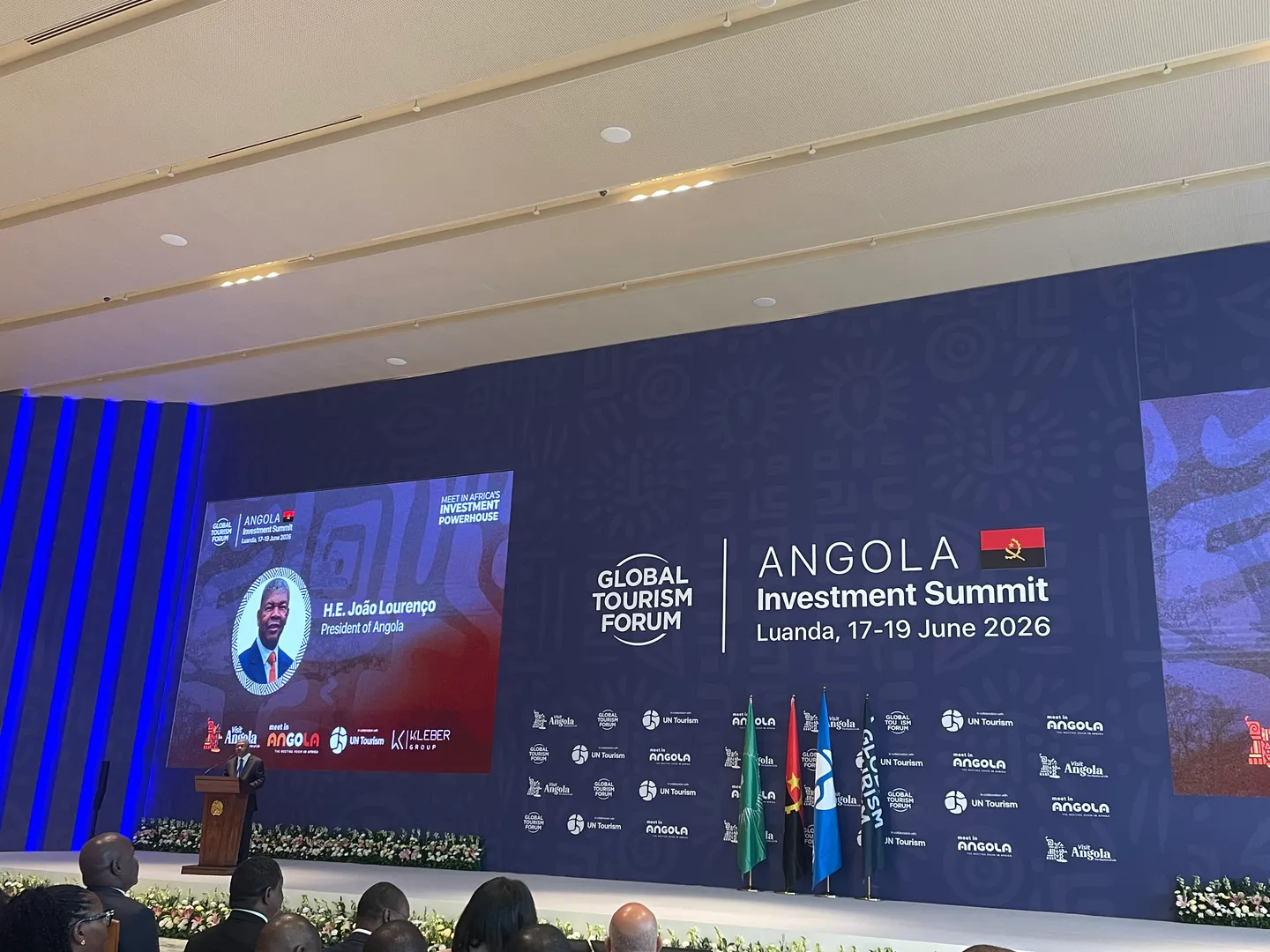
For decades, Angola’s economic narrative was dominated by oil. Today, the country is rewriting that story. Addressing a crowded hall of international investors, aviation leaders, and hospitality brands, the President framed tourism as a vital catalyst for change.
“For Angola, tourism is no longer a peripheral consideration or a distant aspiration,” he said. “It has been elevated to a core national economic priority and a key strategic pillar in our ongoing structural reforms.”
He also emphasized the need to strengthen continental cooperation in tourism, highlighting Africa’s collective potential and the importance of regional integration.
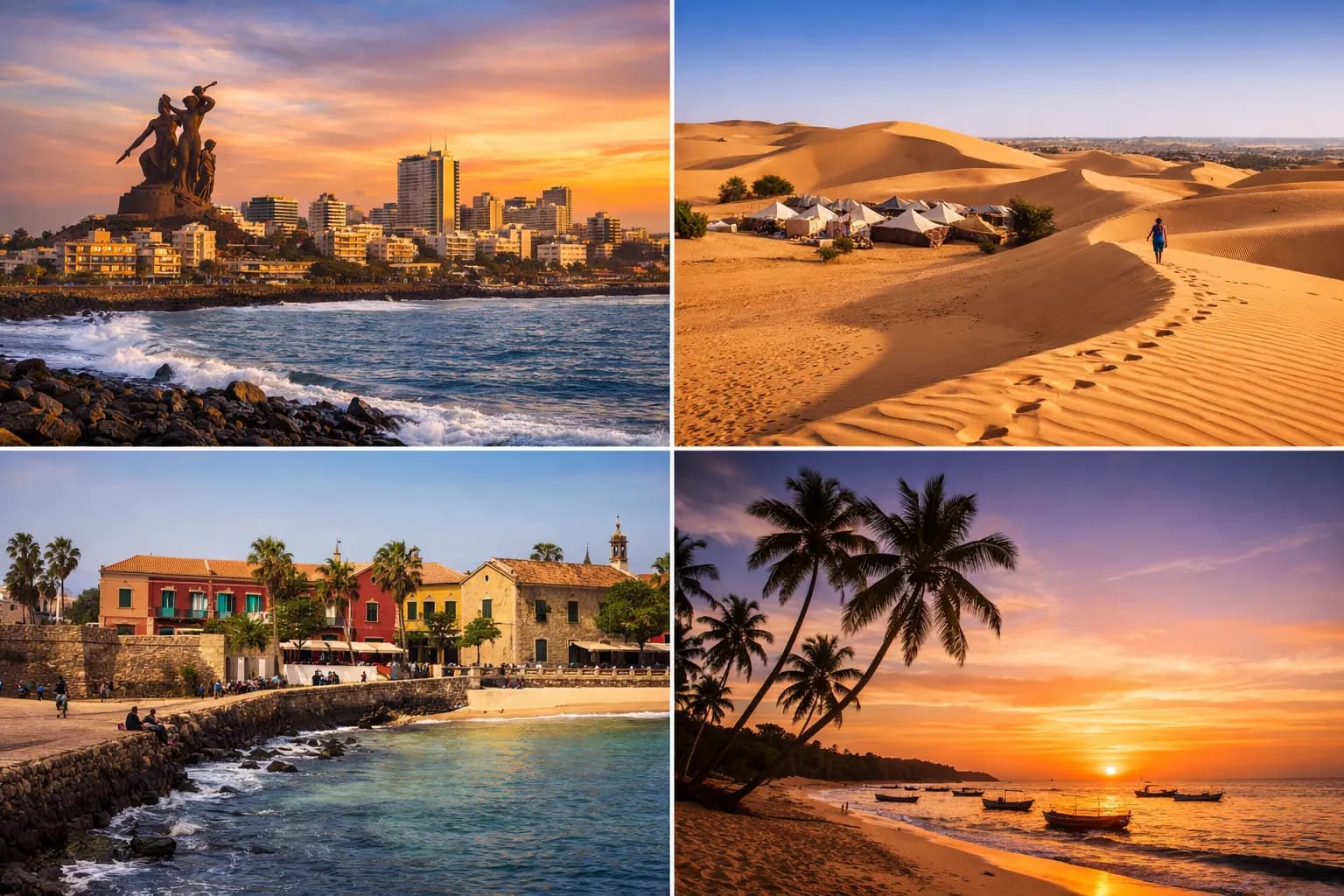
Building an industry of this scale requires substantial groundwork. To unlock its 1,600 kilometers of pristine coastline and rich biodiversity, the government is heavily investing in infrastructure. Key milestones include the operationalization of Dr. António Agostinho Neto International Airport, ongoing telecommunications upgrades, and the imminent inauguration of a new Conference Palace in Luanda.
Funding the Blueprint: €8 Billion and Beyond
Developing a tourism sector from scratch requires capital, and confidence is the currency that attracts it. Shaikha Al Nuwais, Secretary-General of UN Tourism, highlighted the concrete steps Angola has taken to reduce investment risks and accelerate growth.
Through the government’s PLANATUR initiative, more than €8 billion has already been mobilized. This financial commitment is complemented by sweeping policy reforms, including a visa-free regime for citizens of more than 90 countries and the Luanda Ministerial Statement, which aims to significantly improve regional air connectivity.
“Angola is not waiting for the future; it is building it,” Al Nuwais stated.
Reflecting on the historical lack of investment in African tourism, she added:
“Potential is distributed widely, but investment is not. And that must change. Together, we can channel investment to destinations that are ready… and Angola is the perfect place to deliver solutions, not just presentations.”
Cooperation with the Global Tourism Forum
The summit was co-organized with the Global Tourism Forum. Its President, Bulut Bağcı, stressed the country’s unique position:
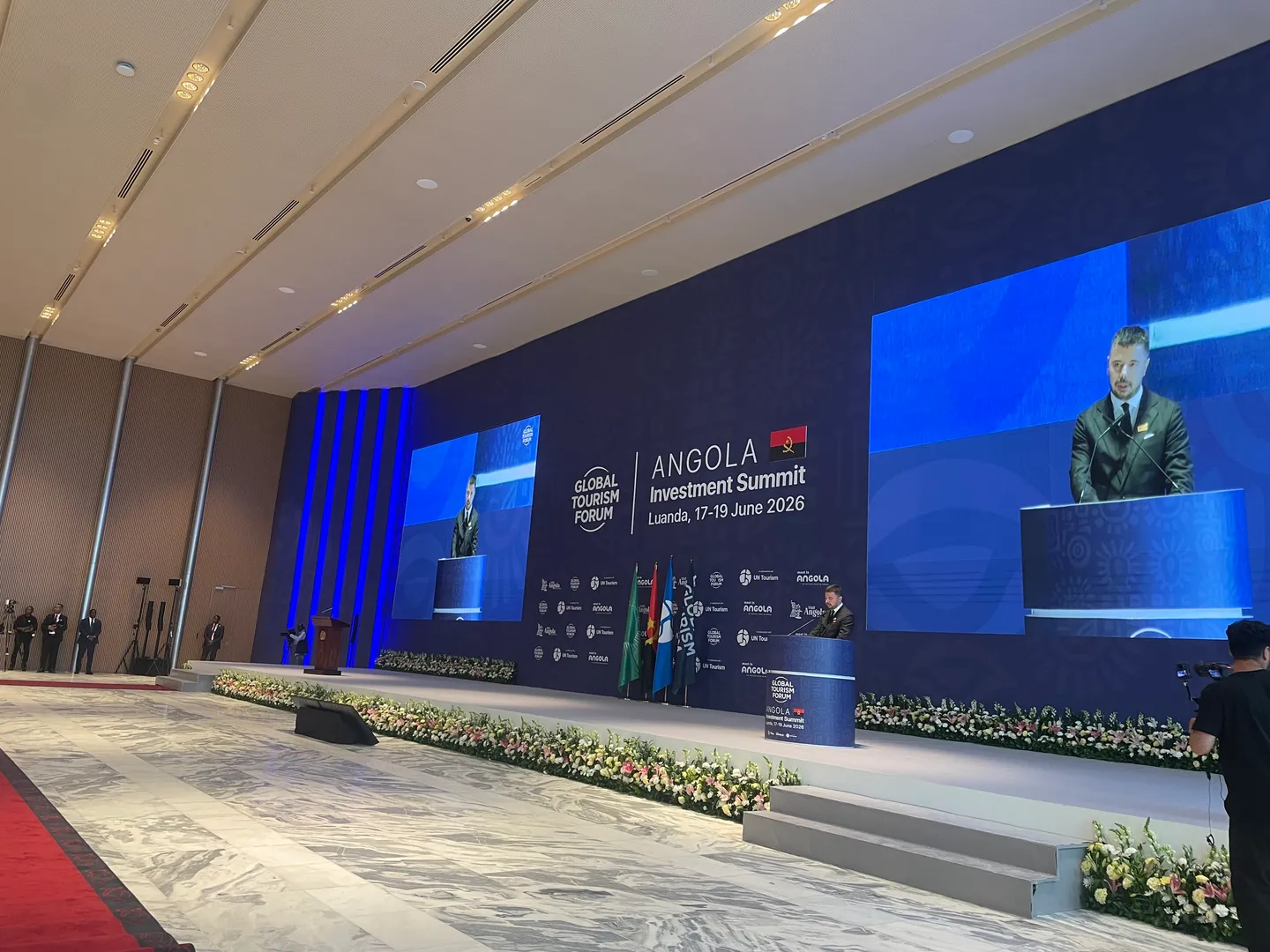
“Angola stands today at a historic moment. With its natural beauty, cultural richness, strategic location, and growing investment potential, this country is ready to become one of Africa’s leading tourism and investment hubs.”
He added that Angola is doing far more than hosting a summit—it is demonstrating to the world that building a sustainable tourism economy from scratch is not only possible, but already well underway.
Official Launch: Angola Investment Summit 2026
The press conference also marked the formal unveiling of the Angola Investment Summit 2026, a strategic initiative designed to position Angola in new markets, strengthen international cooperation, and consolidate the country’s standing as a competitive destination for business, tourism, and economic development.
A Vision for Economic Transformation
Government officials and representatives from the Global Tourism Forum emphasized that the event represents more than just a gathering—it is a vision for the future. The summit seeks to bring together government leaders, international financial institutions, investors, and local decision-makers around a common objective: showcasing Angola’s economic potential and diversifying the national economy.
Under the leadership of President João Lourenço, tourism has been identified as a flagship sector capable of driving economic diversification and national development.
Strategic Advantages and Competitive Edge
To ensure the country remains competitive among emerging African destinations, the government is implementing concrete measures to attract foreign direct investment (FDI):
Legal and Tax Reforms: Angola is modernizing its legal framework to create a more business-friendly and tax-efficient environment for investors.
Public-Private Partnerships (PPPs): The government has committed to financing the foundational infrastructure of key tourism zones, lowering entry barriers for private developers.
Sector Synergies: Officials noted that tourism serves as a gateway industry. Investment in hotels and hospitality infrastructure generates demand across aviation, real estate, construction, and textiles.
Openness to Global Capital: The administration maintains an open-door policy, welcoming high-quality private investment from China, the Middle East, Europe, the United States, and beyond.
Expected Outcomes
Organizers expect the summit to have a significant impact, with numerous Memorandums of Understanding (MOUs) anticipated across sectors such as hospitality, infrastructure, and aviation. These agreements are expected to represent an important milestone in Angola’s ambition to become a leading player within the SADC region and across the African continent.
A Turnkey Destination for Global Capital
For the private sector, the groundwork already completed presents a rare first-mover opportunity. Bulut Bağcı, President of the Global Tourism Forum, emphasized that Angola is “ready for takeoff.” With national security and financial stability firmly established, he encouraged international investors not to miss this unique window of opportunity.
To facilitate the flow of foreign direct investment into the country’s expanding tourism sector, the Angolan government outlined several measures aimed at maintaining a competitive advantage:
Tax and Legal Reforms: Ongoing legislative reforms are creating a secure and investor-friendly business environment.
Public-Private Partnerships: The state is assuming responsibility for major infrastructure investments in key tourism zones, providing private developers with easier and more attractive entry points.
Sector Synergies: Officials underscored that hospitality is only the beginning. Hotel development naturally stimulates growth in aviation, real estate, construction, and manufacturing.
An Open-Door Policy: Whether capital originates from the United States, Europe, the Middle East, China, or elsewhere, Angola welcomes high-quality private partnerships regardless of their source.
Conclusion
The Global Tourism Forum Investment Summit 2026 (June 17-19) demonstrated that Angola is pursuing an ambitious but increasingly realistic vision of transforming tourism into a new pillar of its economy. Through substantial infrastructure investments, regulatory reforms, and an open-door approach to foreign capital, the country is creating the conditions necessary for long-term growth and diversification beyond oil.
With more than €8 billion already mobilized, major projects such as the new Dr. António Agostinho Neto International Airport, improved connectivity, and strengthened public-private partnerships illustrate that Angola is moving beyond rhetoric and toward implementation. Support from international organizations and the Global Tourism Forum further reinforces confidence in the country's potential.
While challenges remain, Angola is positioning itself as an emerging tourism and investment hub in Africa. By combining its natural resources, cultural heritage, political stability, and commitment to economic reform, the country is laying the foundations of a sustainable tourism industry from the ground up. The Angola Investment Summit 2026 highlighted not only the opportunities available today, but also Angola’s determination to shape a more diversified and resilient future through tourism and international cooperation.
Derya Soysal
Contributing writer at EUReflect.
Follow EUReflect
See more of our reporting on Google
Mark EUReflect as a preferred source and our stories are ranked higher for you in Top Stories, Discover and Google News — and carry a “preferred” badge when they are cited in AI results.
Add EUReflect as a preferred source