Travel · Travel Diplomacy
To Kazakhstan with Turkish Airlines
A Turkish Airlines Journey to Kazakhstan
A Turkish Airlines Journey to Kazakhstan

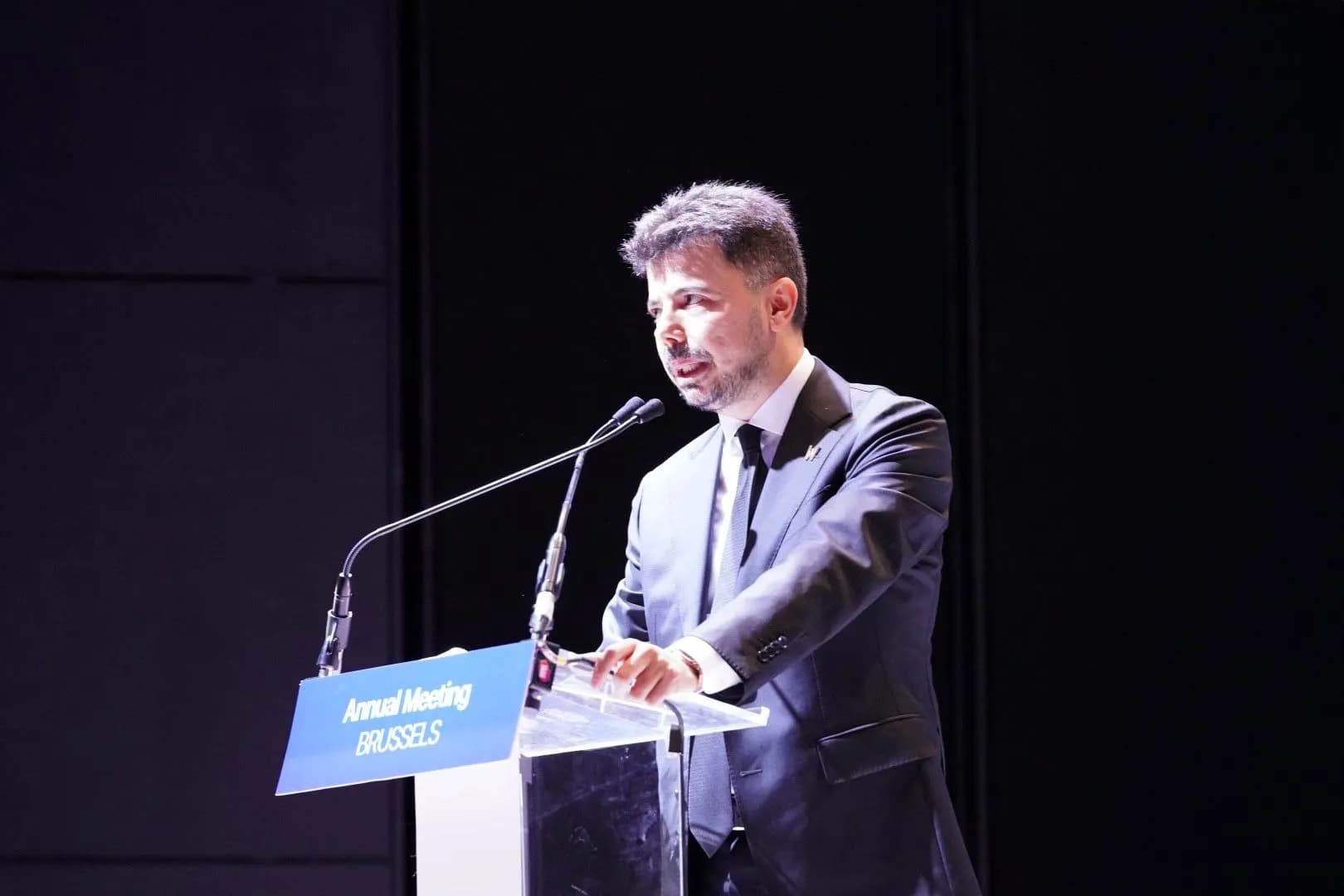
Global Tourism Forum President and Visit Brussels Ambassador Bulut Bağcı attended an exclusive gathering at the Warwick Brussels Hotel, where he met with former Visit Brussels Ambassadors to exchange views on the city’s growing international profile, its role as a global hub for tourism and business events, and opportunities for future collaboration.
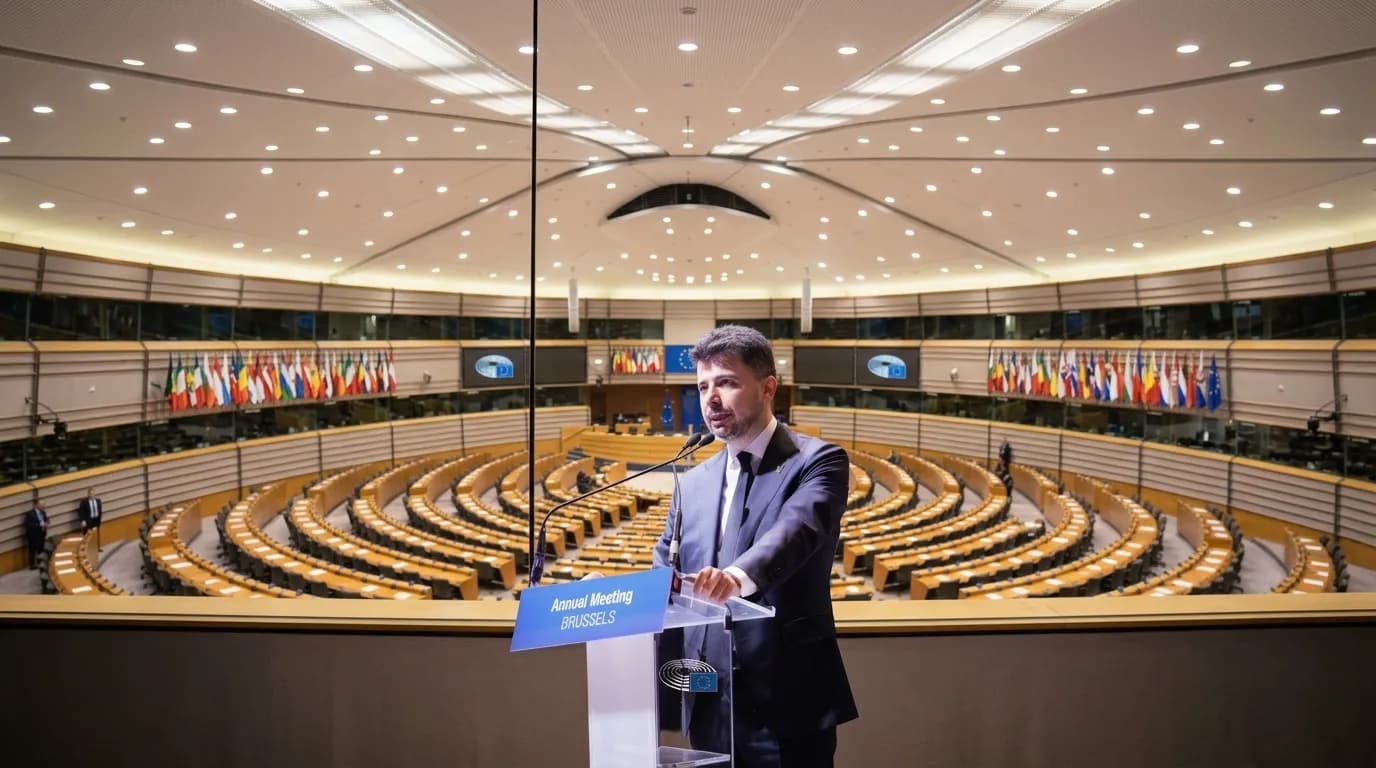
BRUSSELS — Europe may still be the world’s most recognizable tourism destination, but its dominance can no longer be taken for granted, World Tourism Forum Institute President Bulut Bağcı warned during remarks at the European Parliament on Tuesday.
Despite West Asia tensions, European arrivals hit a record half-million in Q1, driven by double-digit growth from Türkiye, Ukraine, and Poland.
Africa’s tourism sector is expanding rapidly and could create jobs, attract investment, and support economic growth, potentially addressing some drivers of migration. However, experts argue tourism alone cannot reduce migration, as benefits are uneven, security risks remain high, and broader economic reforms are still essential.
The World Tourism Forum Institute (WTFI) has officially completed the first milestone of Tourism House Brussels, a landmark initiative designed to strengthen the relationship between the global tourism industry and the European institutional ecosystem.
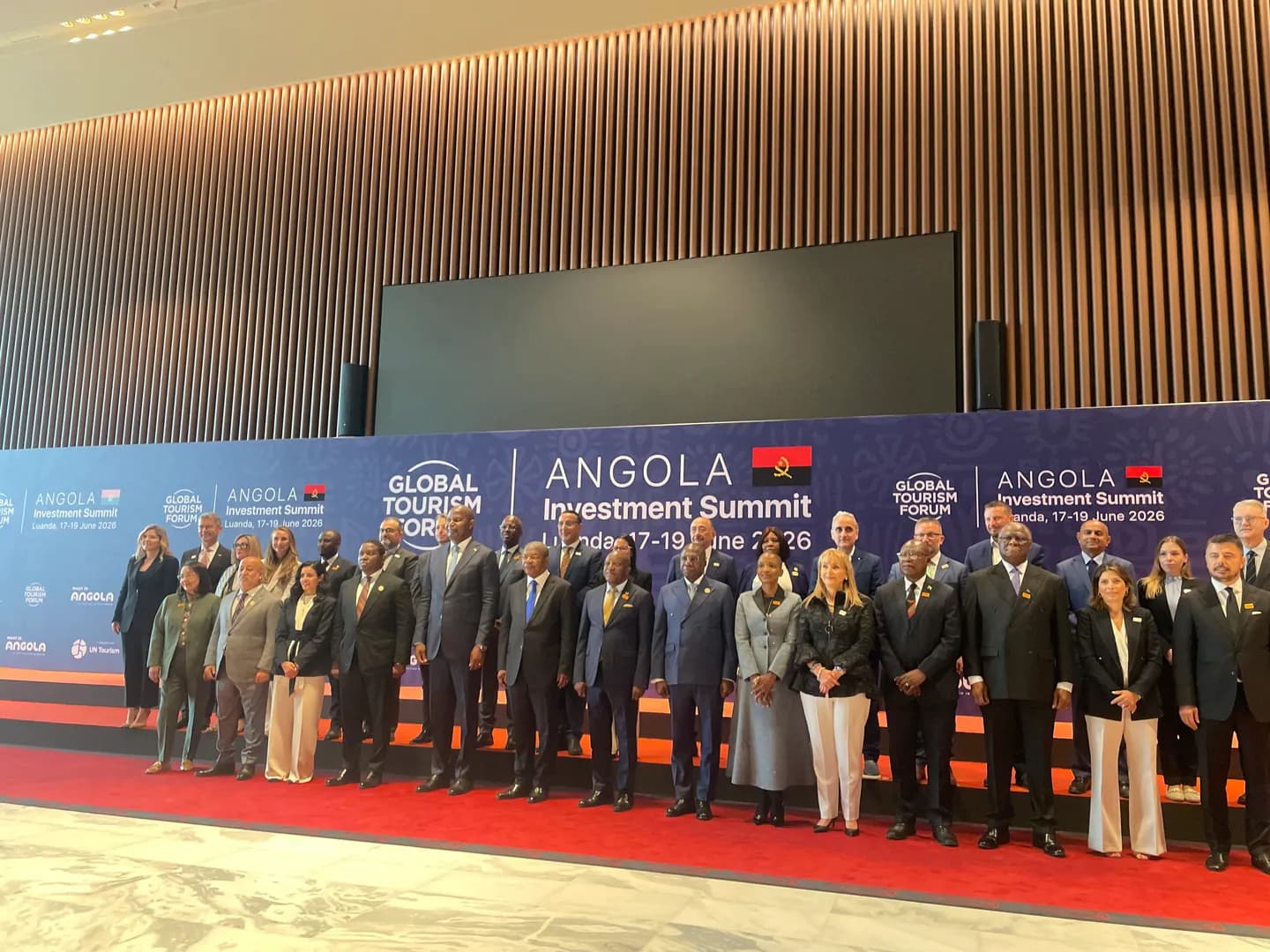
LUANDA, ANGOLA — Under the high patronage of the President of the Republic, João Manuel Gonçalves Lourenço, Angola hosted the Angola Investment Summit from June 17 to 19, 2026. The summit was an initiative of the Ministry of Tourism, held in partnership with the Global Tourism Forum Institute (GTFI), based in Brussels and Dubai.
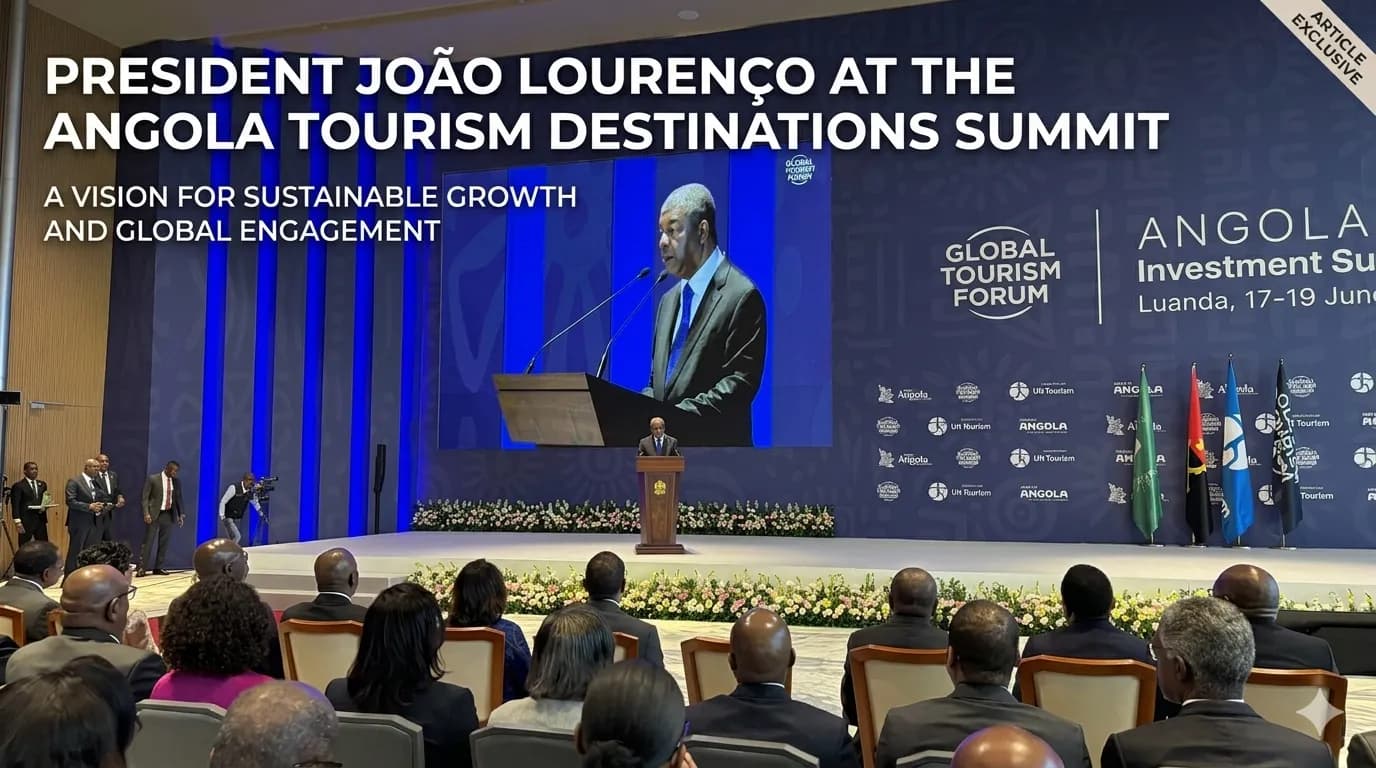
The Global Tourism Forum Angola Investment Summit opened on Thursday in the Angolan capital with a level of protocol rarely seen before.
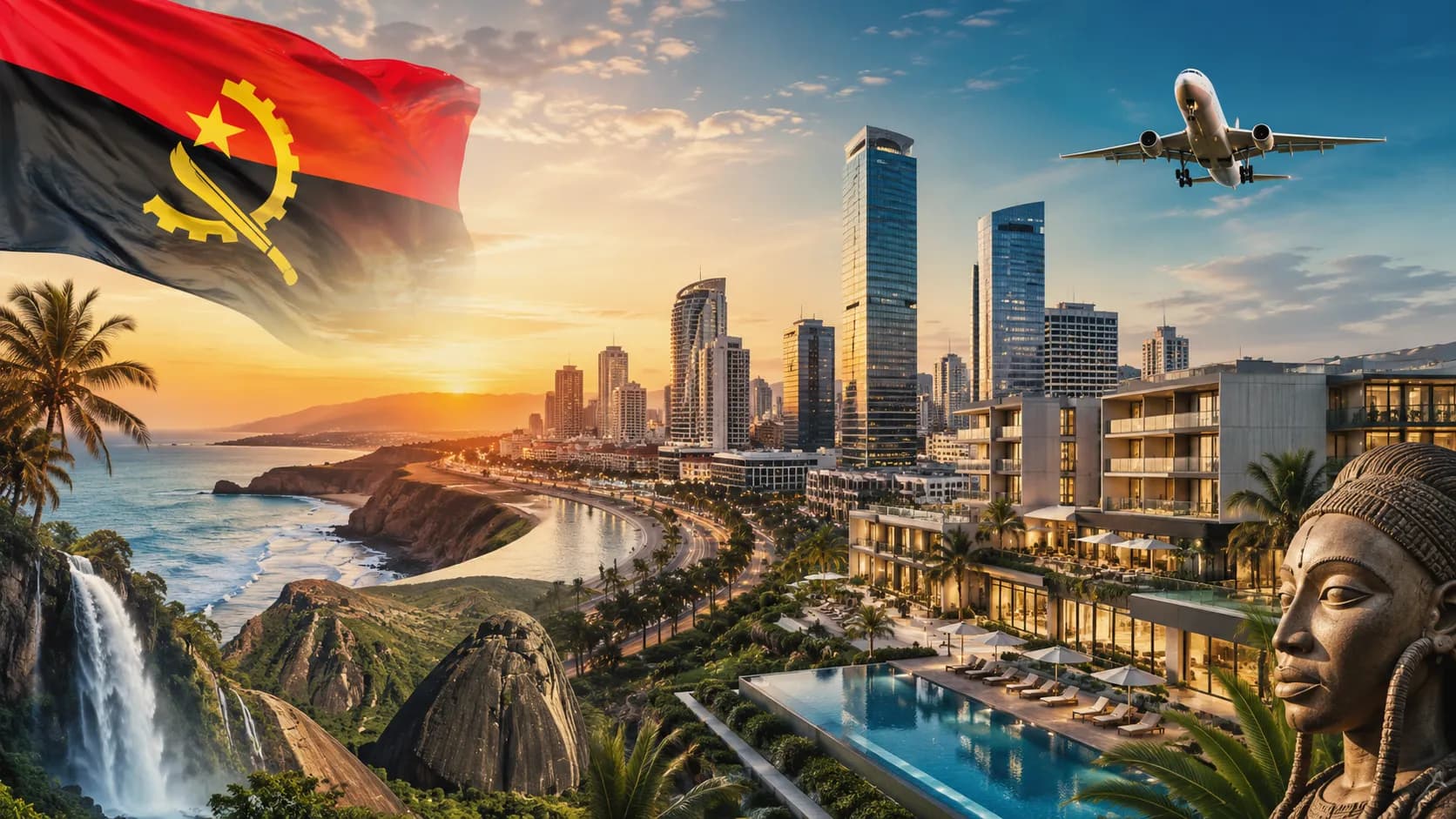
Angola is reducing its dependence on oil by positioning tourism as its new “green oil.” In 2025, tourist arrivals rose by 20–30%, generating $667 million in revenue. Visa-free entry, a new international airport, and major investments are helping make Angola Africa’s fastest-growing tourism destination.

Under President João Lourenço, Angola is positioning tourism as a driver of economic transformation, attracting investment, creating jobs, strengthening infrastructure, and enhancing its global image. The country aims to turn its natural and cultural assets into long-term growth and international partnerships.
Uzbekistan’s 2030 Strategy aims to expand visa-free travel access for its citizens from 34 to 50 countries by 2030. The initiative also seeks to increase the number of countries with simplified visa procedures to 60 and modernize consular services through digital platforms. https://daryo.uz/en/2026/02/23/uzbekistan-plans-visa-free-travel-expansion-to-50-countries-by-2030/
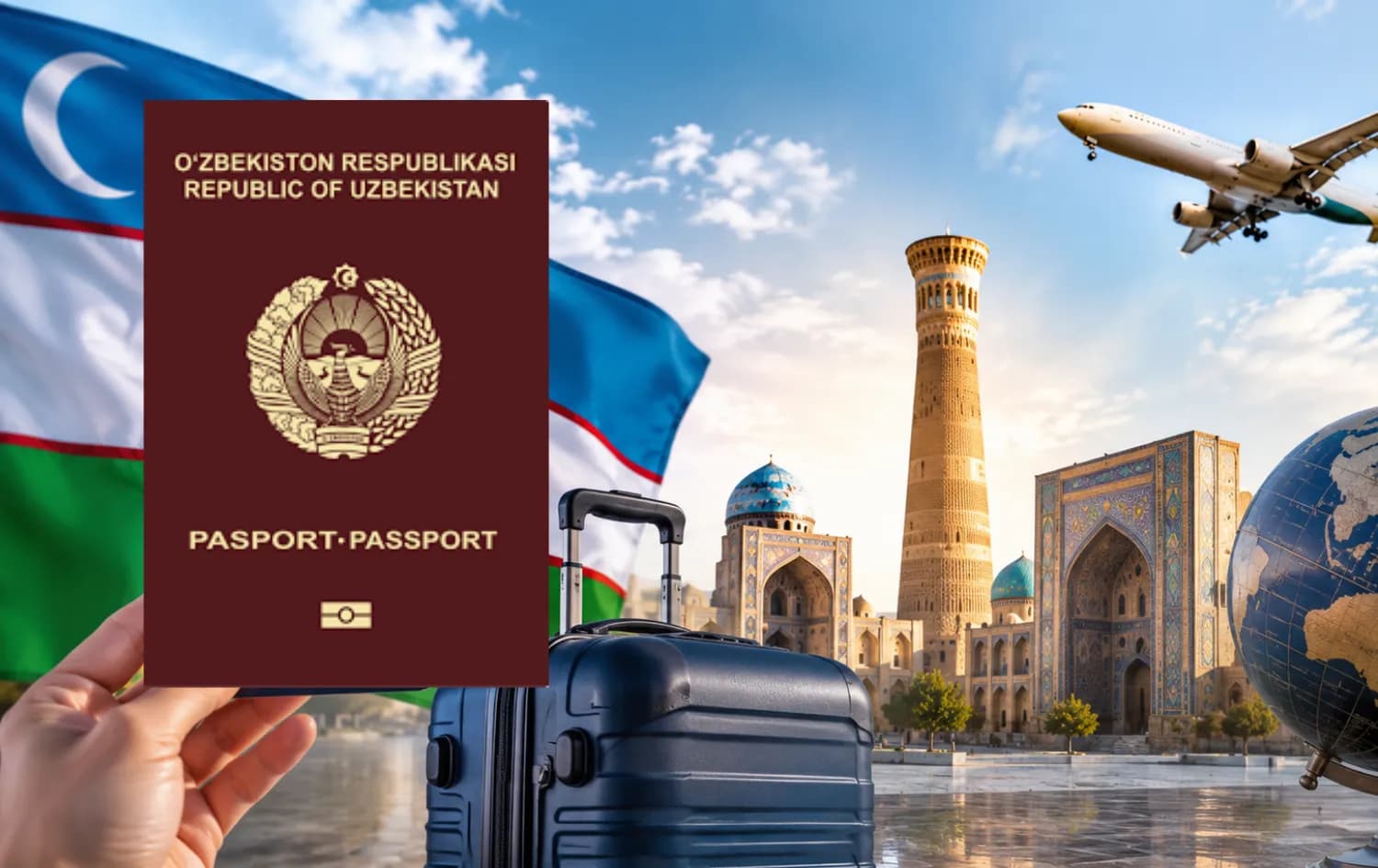
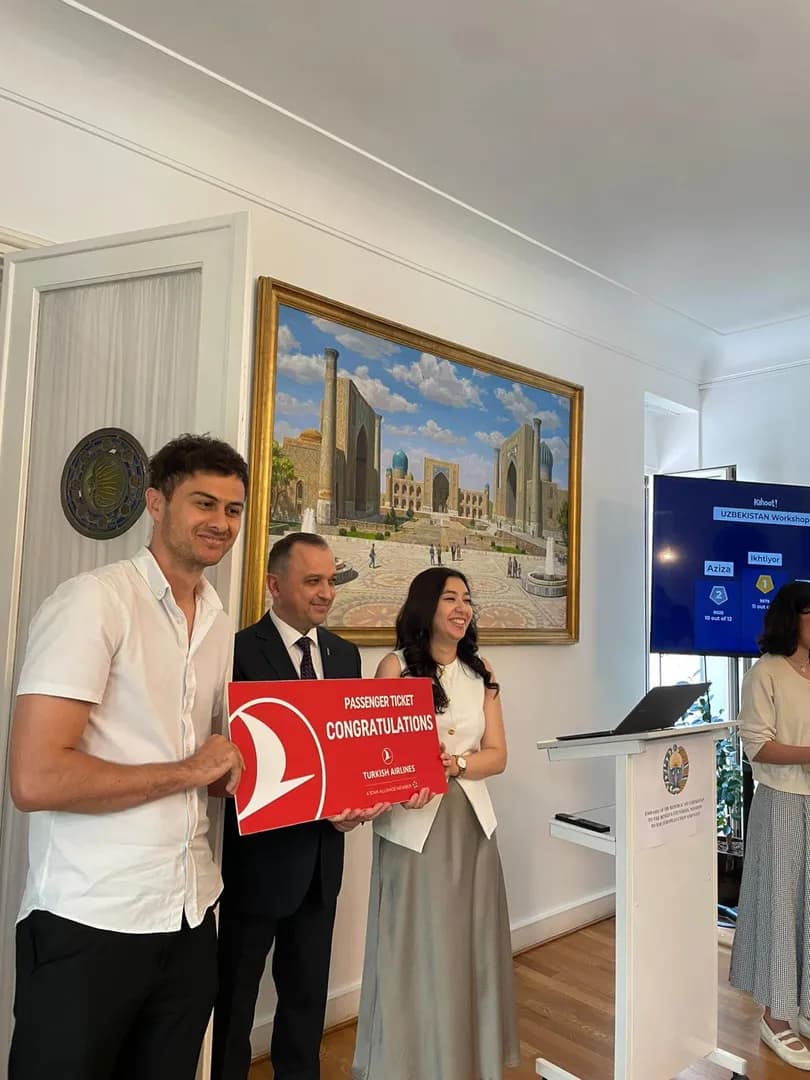
Uzbekistan Tourism Workshop Held at the Embassy of Uzbekistan in Brussels
ANGOLA BRINGS ITS MICE STRATEGY TO THE GLOBAL STAGE AT IMEX FRANKFURT 2026

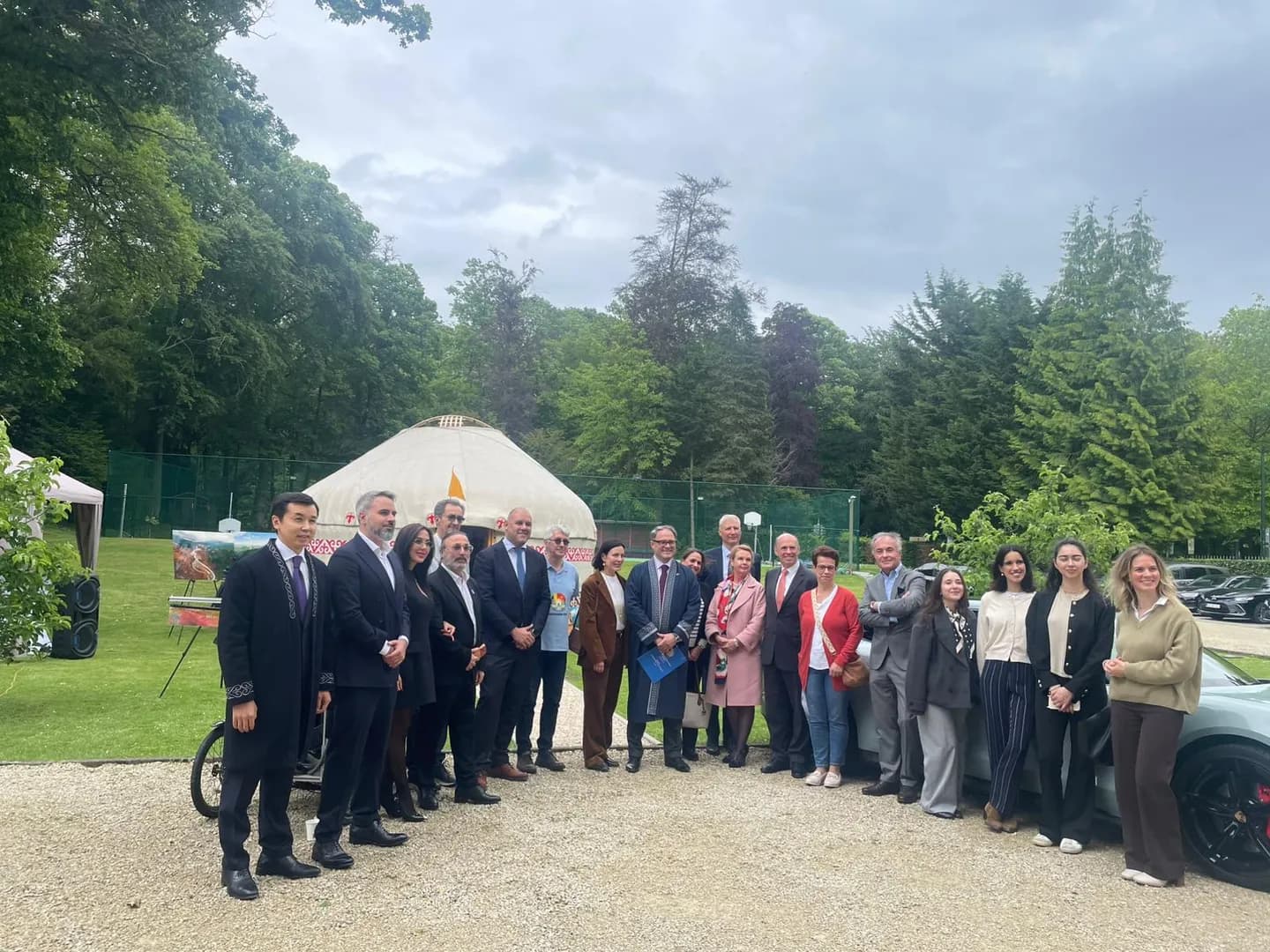
Beyond Stereotypes: The Silk Road Spirit Revived in Brussels
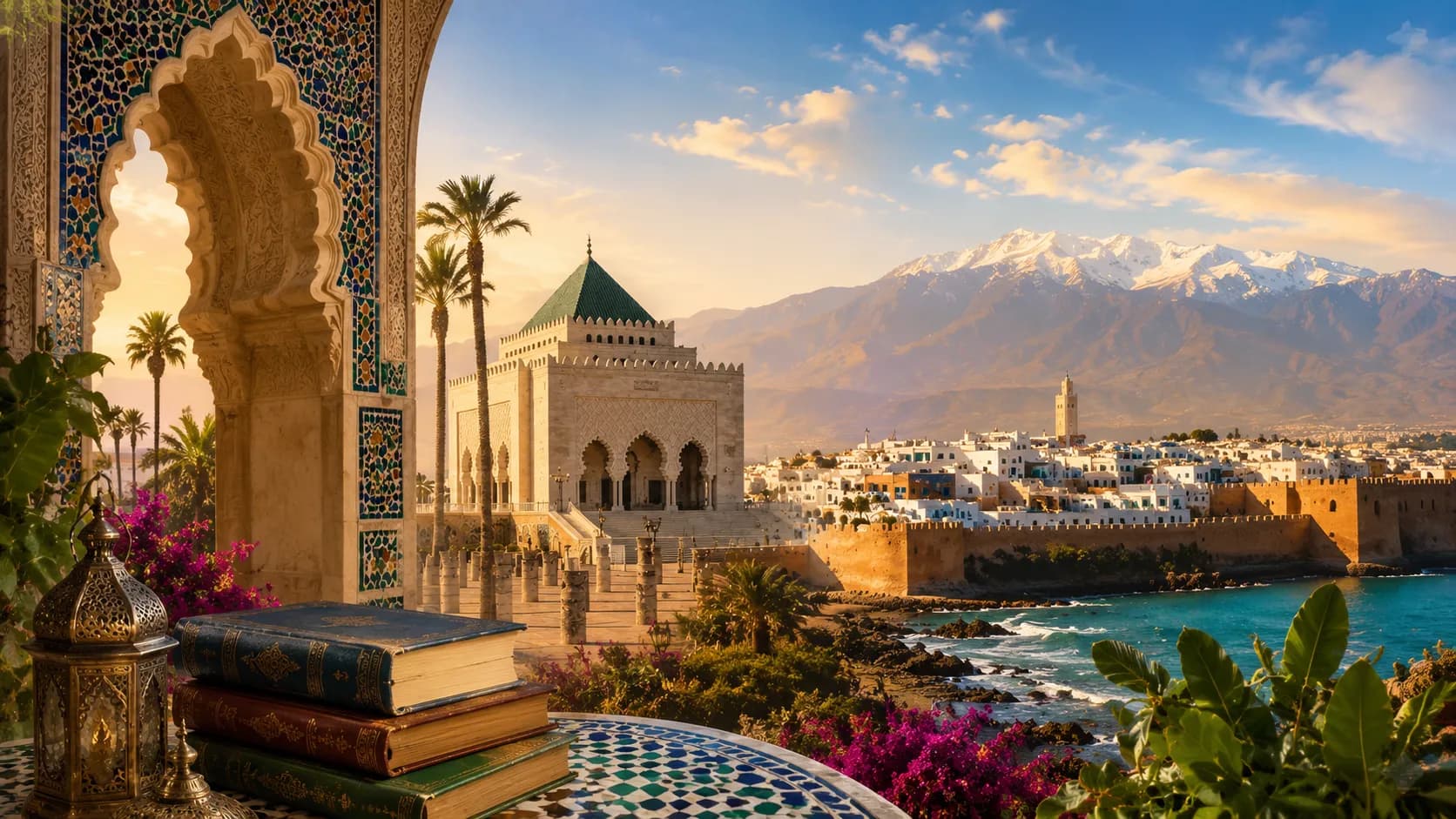
UNESCO’s selection of Rabat as the 2026 World Book Capital reflects Morocco’s rising cultural influence. After a strong post-pandemic tourism recovery, the country welcomed nearly 20 million visitors in 2025 and is investing heavily ahead of the 2030 FIFA World Cup.
Bulut Bagci has been recognized by visit.brussels as a 2026 Business Events Ambassador. This is not just an award, it’s a strong signal that Brussels is becoming a key hub for global tourism investment and decision-making through the Global Tourism Forum.
Global Tourism Forum Investment Summit Angola to Take Place in Luanda on June 18–19, 2026

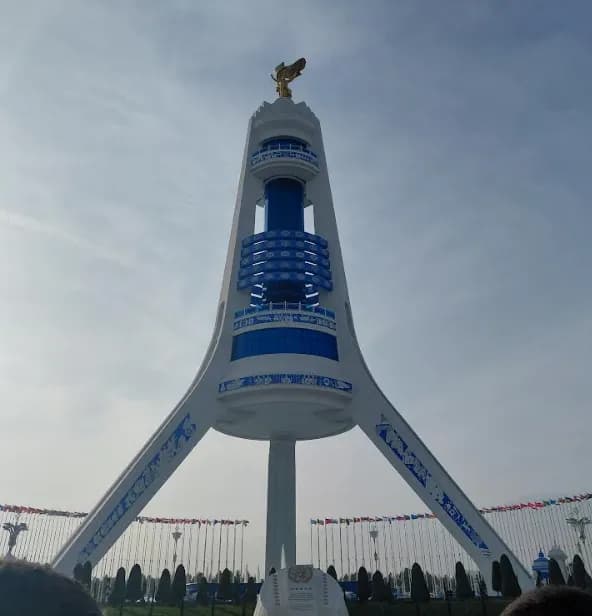
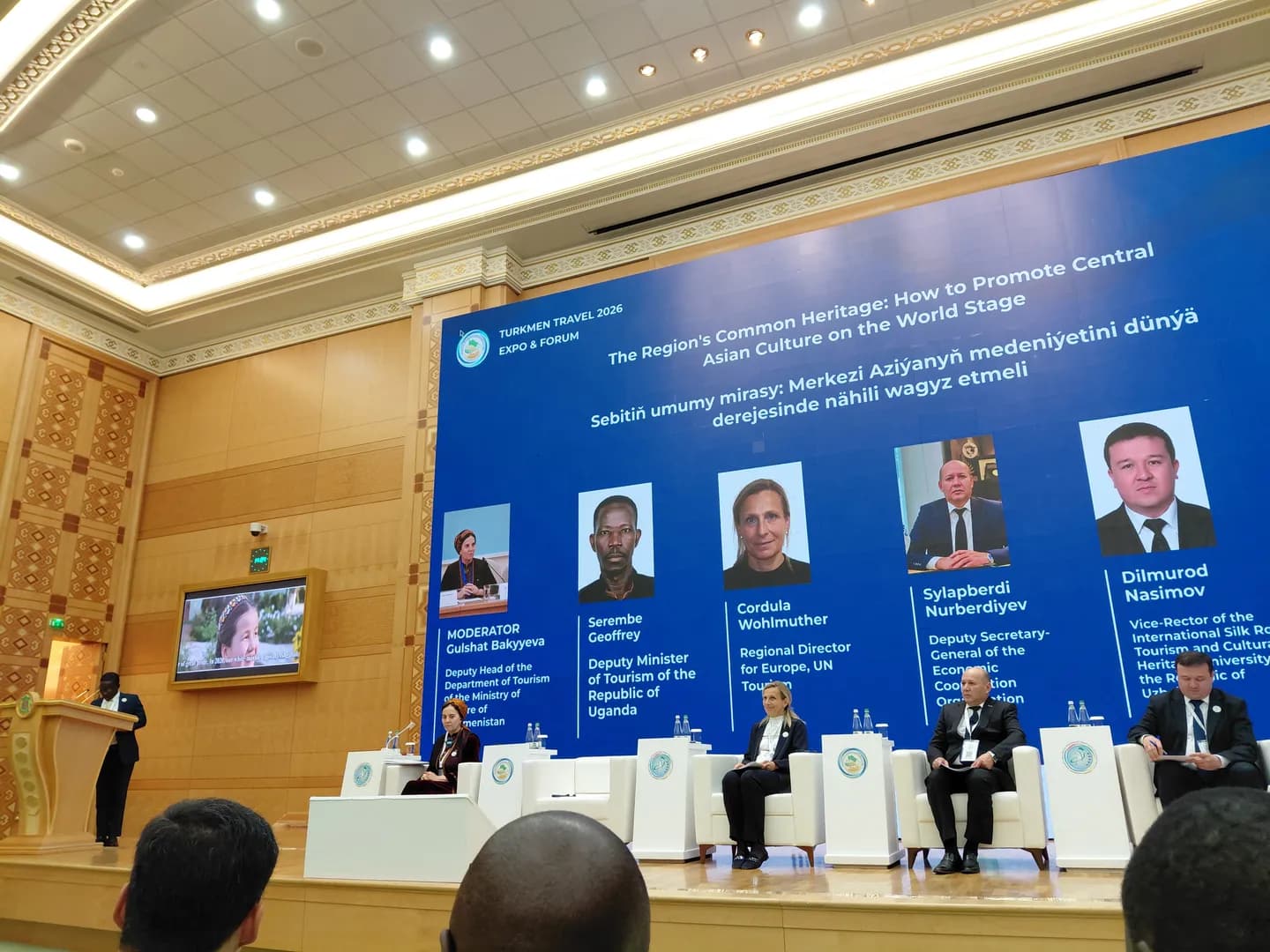
Turkmentravel – 2026
In 2026, the DRC invests in global football sponsorships to promote adventure tourism, highlighting Virunga and Kahuzi-Biega parks. While opportunities for nature and cultural tourism grow, safety concerns, cash reliance, and infrastructure challenges remain key barriers for visitors.

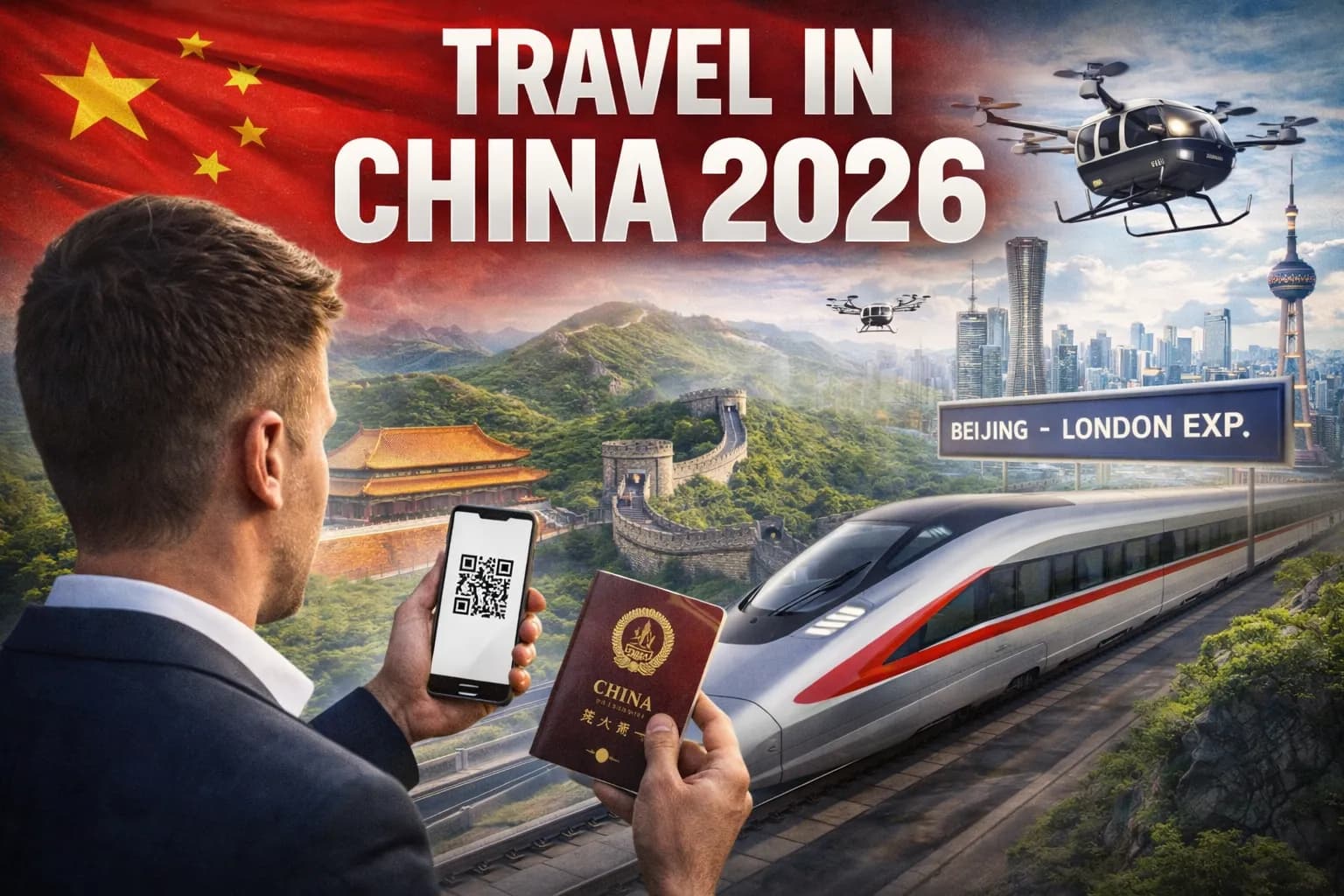
In 2026, China has modernized travel with visa-free entry, digital payments, and high-speed rail networks, becoming a global testbed for future tourism. While infrastructure and technology facilitate access, digital reliance, app restrictions, and language remain challenges for visitors.
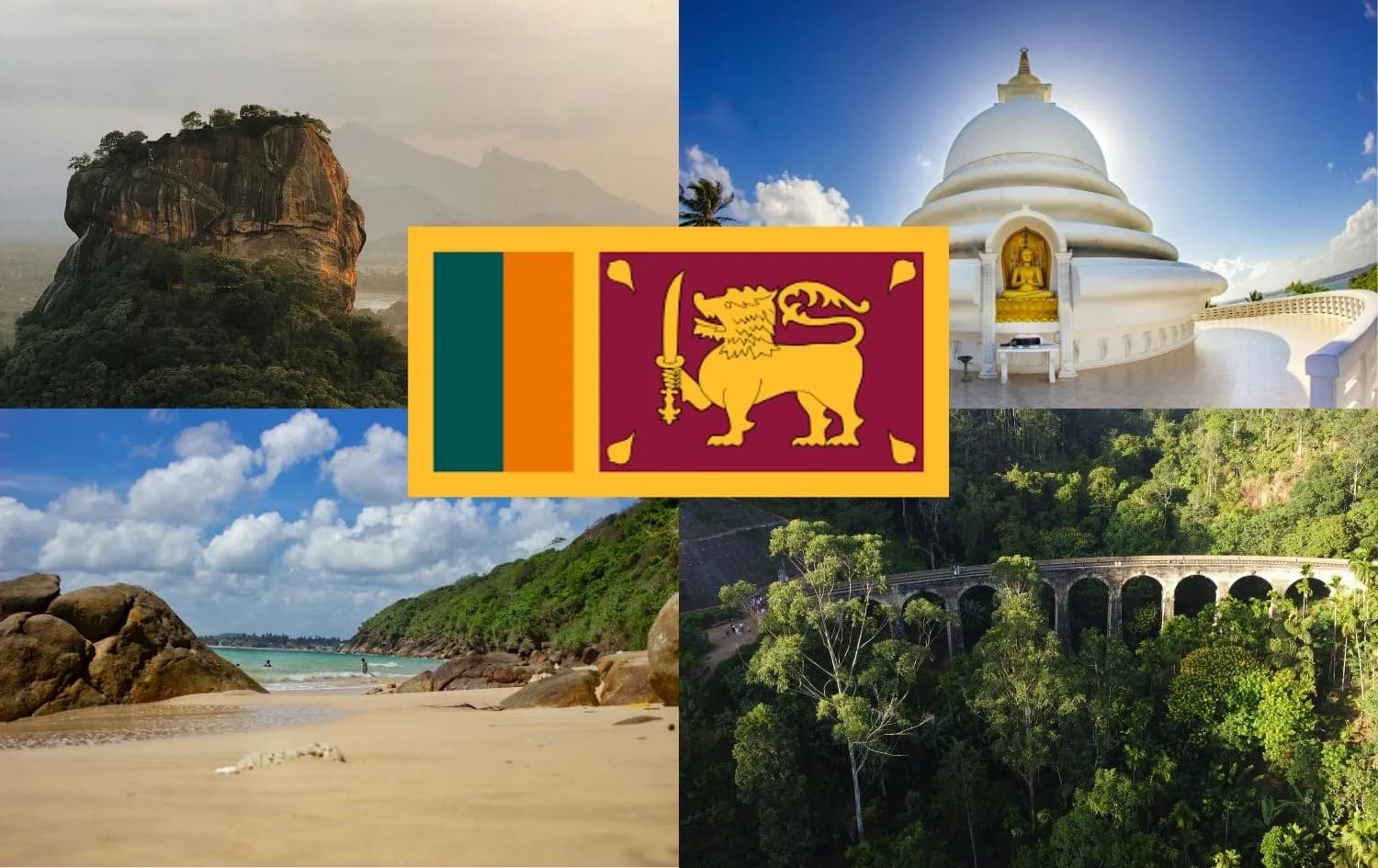
Sri Lanka’s tourism grew by 15.1% in 2025, reaching 2.36 million visitors. For 2026, arrivals are projected at 2.5–3 million. Despite global uncertainties, market diversification, digitalization, and sustainability remain key drivers of continued growth.
Golden beaches stretching into the Atlantic, music pulsing through the streets of Dakar, and a culture built on warmth and hospitality are quietly transforming Senegal into one of the most exciting travel destinations of 2026.
After the Middle East War, Kazakhstan Becomes the New Tourist Hotspot
Turkmenistan’s Investment Landscape and Tourism Potential