Can Tourism Save Europe’s Migration Crisis?
Africa’s tourism sector is expanding rapidly and could create jobs, attract investment, and support economic growth, potentially addressing some drivers of migration. However, experts argue tourism alone cannot reduce migration, as benefits are uneven, security risks remain high, and broader economic reforms are still essential.
Africa’s Untapped Card
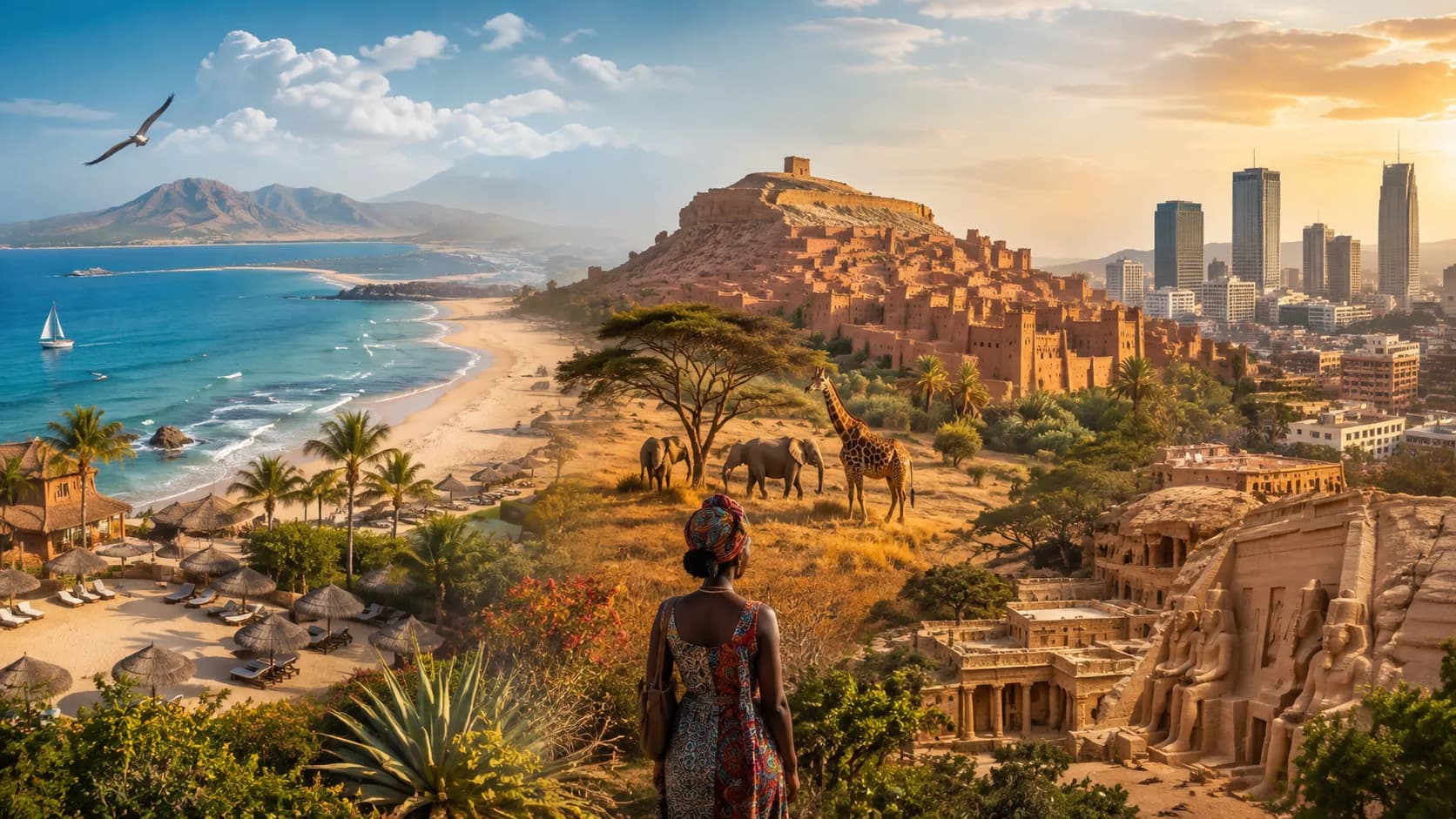
Brussels policymakers keep reaching for border deals. The bigger lever might be sitting in Africa’s beaches, wildlife parks, and heritage sites — largely unbuilt.
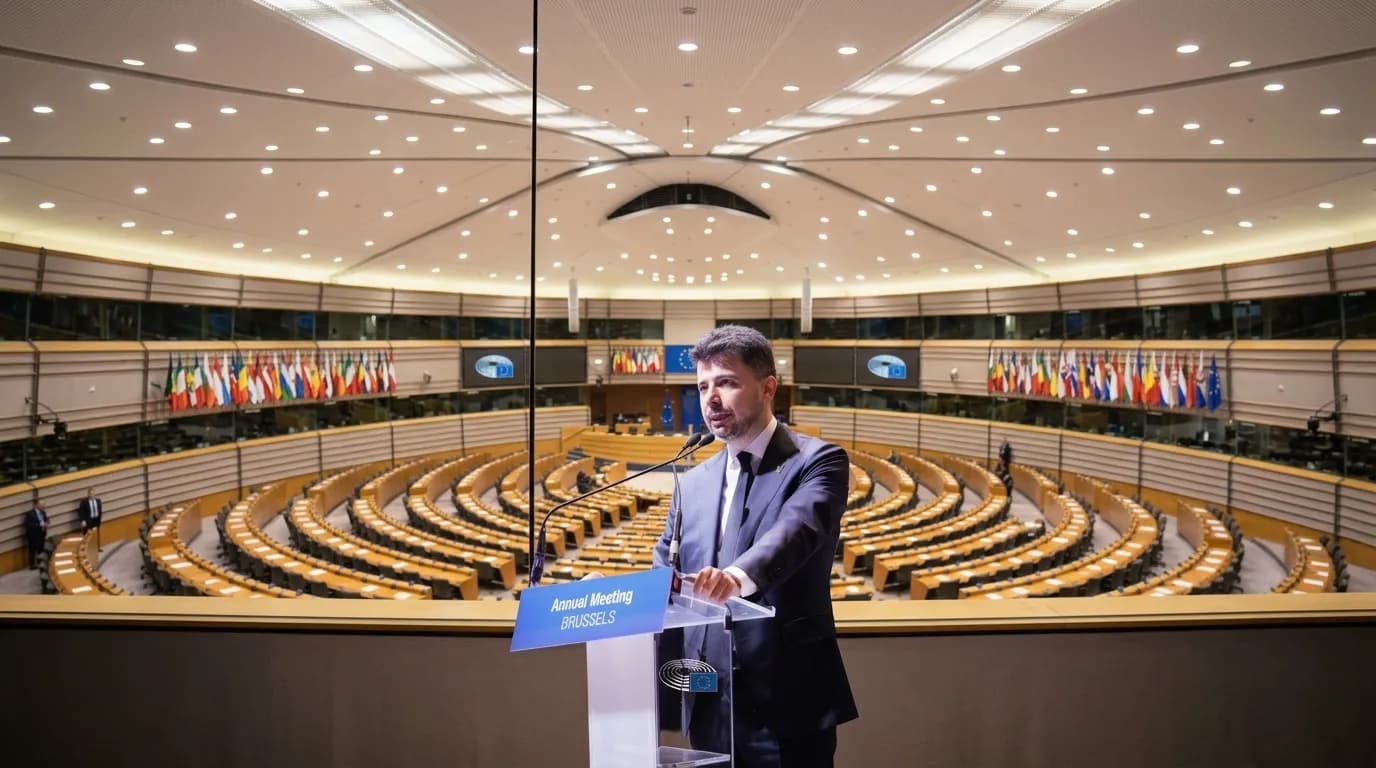
The migration debate in Brussels has calcified into a familiar loop: naval patrols, deportation agreements, and border walls dressed up as “partnerships.” What rarely makes it into the communiqués is a quieter policy lever — tourism.
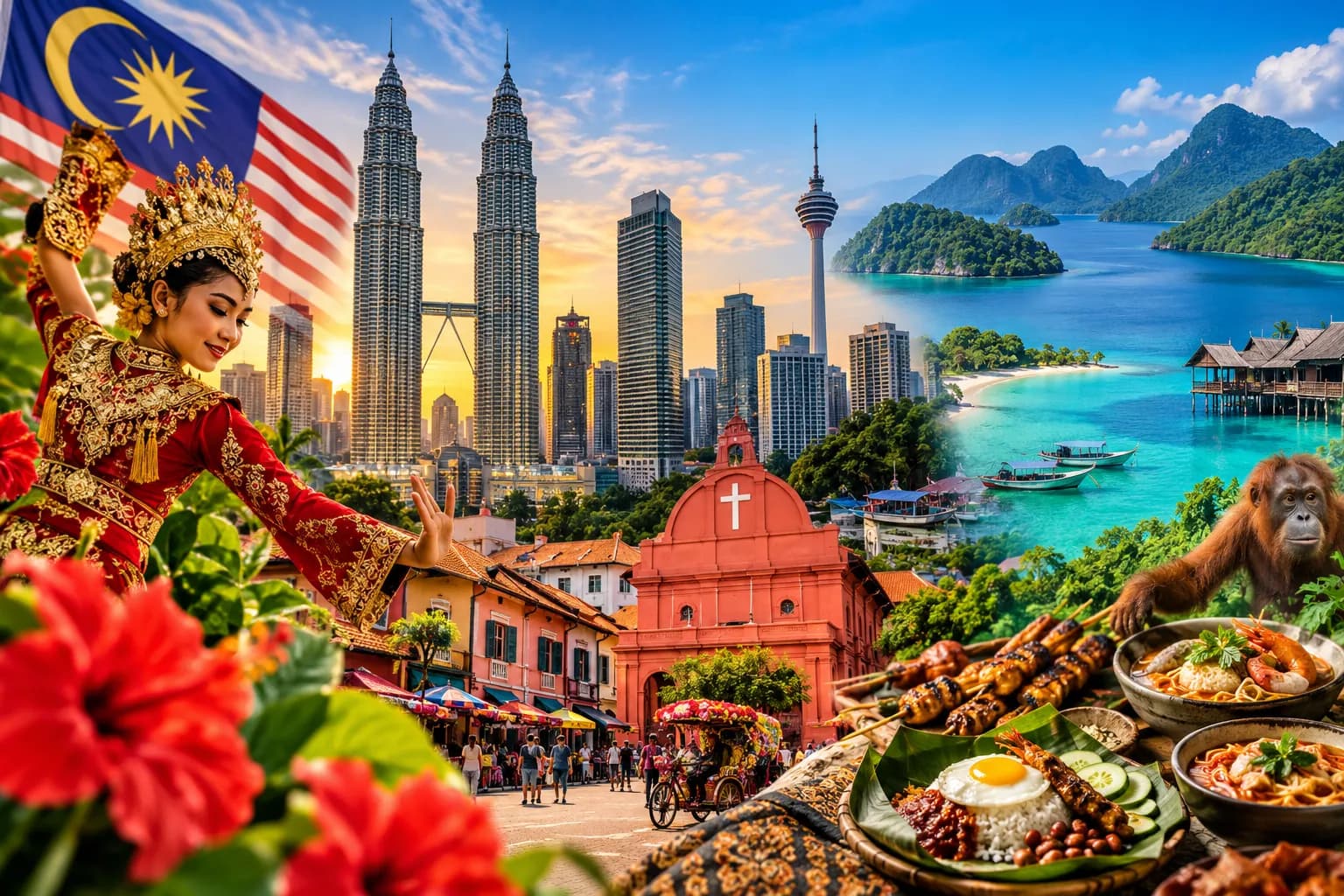
Africa holds roughly a fifth of the world’s landmass, some of its most biodiverse ecosystems, and a coastline longer than any other continent’s. Yet the numbers show just how much room there is to grow: the continent drew about 81 million international visitors in 2025 — an 8% jump that made it the fastest-growing tourism region on Earth, according to UN Tourism figures. Compare that to Europe’s 747 million arrivals in 2024 alone, and the scale of the gap becomes obvious. Tourism now contributes roughly $211 billion to African GDP, or about 7.8% of total output, per the World Travel & Tourism Council — meaningful, but still a fraction of what a fully built-out sector could generate. Close that gap, the argument goes, and you don’t just build hotels — you build jobs, currency inflows, and a reason to stay.
The Case for It
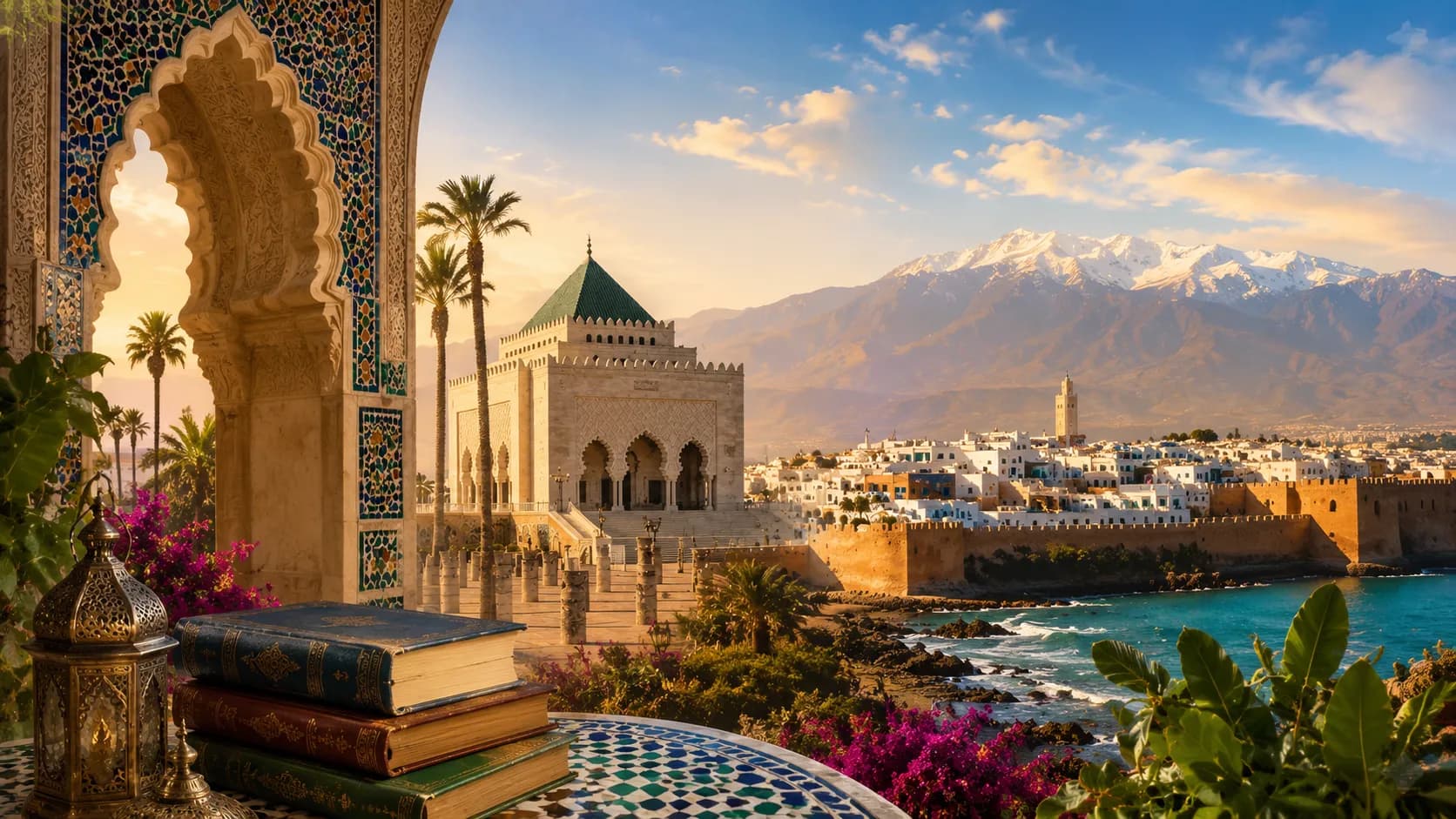
Tourism is labor-intensive and low-skill-accessible in ways manufacturing rarely is at scale. A single resort or safari lodge can employ guides, drivers, cooks, and craftspeople with minimal upfront training — precisely the demographic most likely to attempt the Mediterranean crossing. Morocco and Rwanda are often cited as proof of concept. Morocco alone pulled in roughly 17.4 million visitors in 2024, climbing toward 20 million in 2025 — a 14% year-on-year rise driven by deliberate government investment, according to its tourism ministry. In Tanzania, tourism accounts for close to 17% of GDP and ranks as one of the country’s top foreign-exchange earners; in Kenya it’s about 7%, and in Egypt roughly 8.5%, per industry data compiled by ACCA. Across the continent as a whole, tourism’s GDP share climbed from 5.9% in 2022 to 6.8% in 2023 — a trajectory advocates point to as evidence the sector is still accelerating, not plateauing.
There’s also a geopolitical logic European leaders find appealing. Tourism investment can be framed as partnership rather than charity — hotel chains, airlines, and infrastructure funds, not aid budgets. It’s the kind of thing that plays well domestically in donor countries too: “we’re building your economy,” not “we’re paying you off.”
And unlike industrial development, tourism doesn’t require decades of manufacturing base-building. A coastline, a heritage site, or a national park can be “product-ready” faster than a factory can.
The Holes in the Theory
Critics — and there are many — point out that tourism jobs are notoriously seasonal, low-wage, and concentrated in a handful of coastal or safari-adjacent regions, doing little for the landlocked interior where much outmigration originates. Sahel states like Mali and Niger, key transit and origin points, have essentially no tourism potential to speak of, war and instability having seen to that. Frontex’s own 2025 data underscores the mismatch: on the West African crossing route to the Canary Islands, the nationals most frequently detected were from Mali, Senegal, and Guinea — states where tourism, whatever its national GDP contribution, has barely touched the rural and inland communities these migrants are leaving. That route did see arrivals fall by nearly 60% in 2025, but Frontex attributes the drop mainly to tougher enforcement in Mauritania, Morocco, and Senegal, not to any improvement in local economic prospects.
There’s a deeper structural critique too: migration scholars have long argued that development doesn’t reduce emigration in the short-to-medium term — it increases it. Rising incomes give people the capital to attempt the journey they couldn’t previously afford. The “migration hump” is a well-documented phenomenon; a bump in GDP per capita in a mid-income-transition country often precedes a spike in emigration, not a decline. Tourism revenue, unless captured by a broad enough swath of the population, risks doing exactly this — funding the smugglers’ fees rather than replacing the motive to pay them.
Then there’s the security question: tourism is exceptionally fragile to instability. A single attack, coup, or health scare (see: Kenya post-2013 Westgate, or the entire continent post-COVID) can gut arrival numbers overnight, reversing years of employment gains.
What Brussels Actually Wants
None of this means tourism investment is worthless as policy — it means it’s not a silver bullet, and treating it as one risks the same disappointment that followed the EU’s earlier “root causes” aid strategies. The more sober read: tourism development is a useful component of a broader industrialization and job-creation push, most effective in politically stable coastal states, and nearly irrelevant in the Sahel corridor where the crisis is most acute.
The EU’s own Global Gateway initiative has quietly started funding tourism infrastructure alongside energy and transport projects — a sign the idea has some institutional traction. But the honest framing isn’t “tourism will stop the boats.” It’s “tourism is one lever among many, and not the one aimed at where the boats actually launch from.”
Bulut Bagcı
Contributing writer at EUReflect.
Follow EUReflect
See more of our reporting on Google
Mark EUReflect as a preferred source and our stories are ranked higher for you in Top Stories, Discover and Google News — and carry a “preferred” badge when they are cited in AI results.
Add EUReflect as a preferred source