Morocco’s Tourism Development: A Model of Resilience, Growth, and Cultural
UNESCO’s selection of Rabat as the 2026 World Book Capital reflects Morocco’s rising cultural influence. After a strong post-pandemic tourism recovery, the country welcomed nearly 20 million visitors in 2025 and is investing heavily ahead of the 2030 FIFA World Cup.
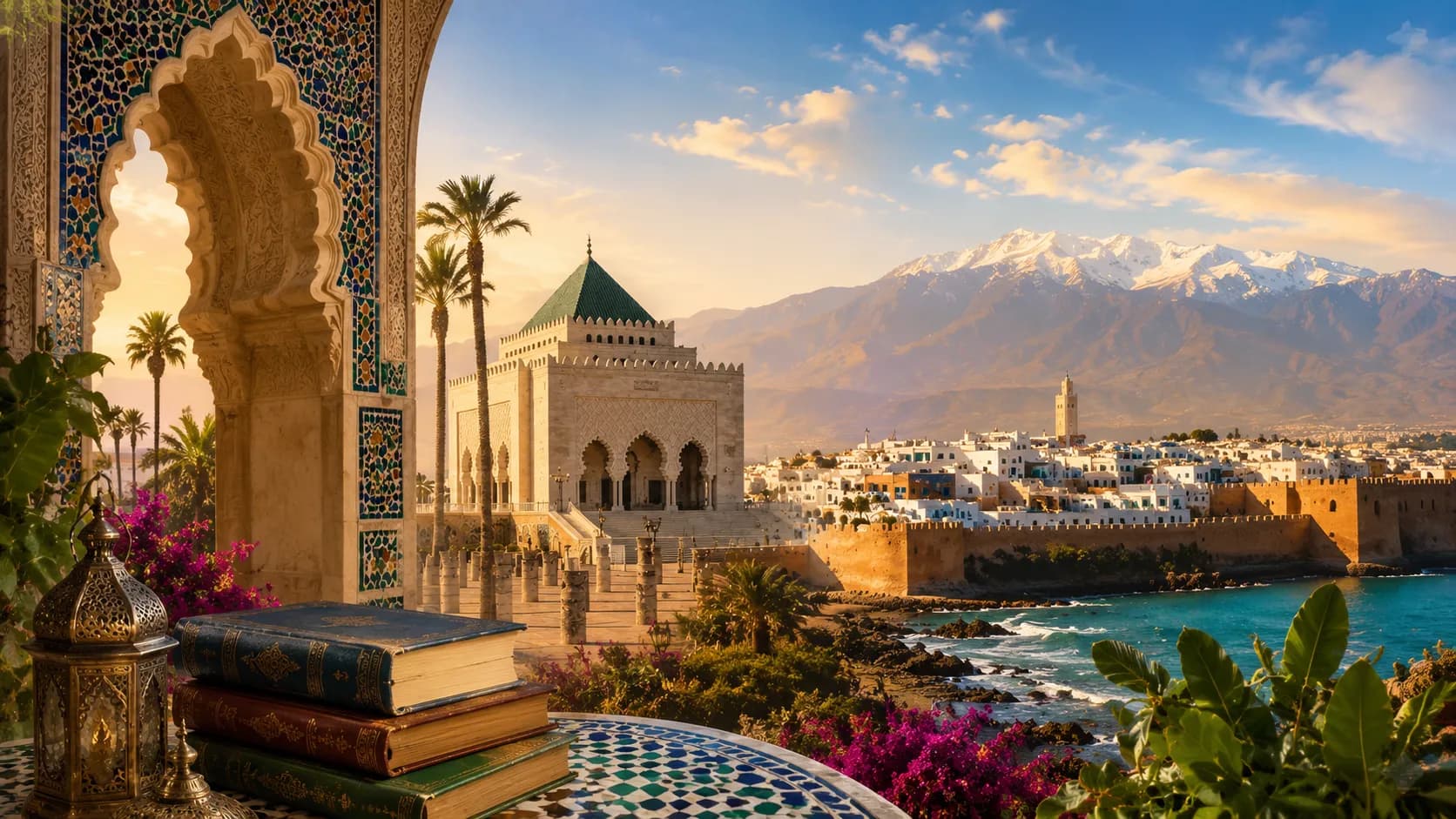
In a symbolic recognition of Morocco’s growing cultural influence, Audrey Azoulay, Director-General of UNESCO, recently announced Rabat as the World Book Capital for 2026. Highlighting the city’s cultural significance, she described Rabat as “a cultural crossroads where books help transmit knowledge and the arts in all their diversity.”
Rabat hosts approximately 54 publishing houses and is home to the third-largest international book and publishing fair in Africa. Its book industry stands as a powerful mechanism for “democratizing knowledge”, reinforcing Morocco’s broader cultural strategy alongside its economic ambitions.
A period of accelerated tourism growth
Morocco’s tourism sector has experienced remarkable growth in recent years. By the end of July 2025 alone, the country had already welcomed around 11.6 million tourists, marking a significant 16% increase compared to 2024. According to Fatima-Zahra Ammor, Minister of Tourism, Handicrafts, and Social and Solidarity Economy, 52% of arrivals were Moroccan expatriates, illustrating the strong role of the diaspora alongside international visitors.
This steady growth reflects a broader trend: Morocco is increasingly attracting both foreign tourists and its global diaspora, creating a diversified and resilient tourism base.
From pandemic collapse to rapid recovery
The trajectory of Morocco’s tourism sector cannot be understood without acknowledging the severe impact of the COVID-19 crisis. In 2020, visitor numbers plummeted dramatically from 12.9 million to just 2.8 million, representing a staggering 78.3% decrease, as underlined by analyst Badr Elhamzaoui.
Yet the recovery has been equally striking. Since 2022, Morocco has experienced a powerful rebound, with tourist numbers rising from 10.9 million in 2022 to 19.8 million in 2025, an 82% increase in just three years.
This rapid expansion is driven by several factors: significantly improved air connectivity, strategic efforts to strengthen links with European markets, and increased international promotion of Morocco as a destination.
Tourism as a strategic pillar of development
Today, Morocco stands as one of the most dynamic tourism destinations globally. The sector has evolved into a central pillar of national development, positioning the country as Africa’s most visited destination in recent years.
According to the Travel and Tourism Development Index 2024(TTDI), Morocco ranks 82nd globally and first in the Maghreb region. The country continues to be recognized for its rich cultural resources, relative safety, and major improvements in infrastructure and transport, clear indicators of sustained investment in tourism competitiveness.
Tourist demographics further highlight this balance: 51% are international visitors, while 49% are Moroccans residing abroad.
Economic impact and growth momentum
Tourism is playing an increasingly vital role in Morocco’s economy. In 2024, the sector generated approximately 112 billion dirhams in revenue, representing a 43% increase compared to 2019.
This growth contributes to a broader economic cycle, fostering development, job creation, and investment across the country.
Moreover, Morocco’s tourism GDP reached MAD 116.2 billion (approximately $12.5 billion) in 2024, marking a 38.4% increase compared to 2019, a clear sign of the sector’s resilience and expanding contribution to national prosperity.
Looking ahead: Morocco’s vision for 2030
Morocco is now looking toward an ambitious future. By 2030, the country aims to welcome 26 million visitors annually, consolidating its position as a leading destination in the region.
A key milestone will be the co-hosting of the 2030 FIFA World Cup alongside Spain and Portugal. This event is already driving major investments in infrastructure, services, and hospitality capacity, as Morocco prepares to accommodate a surge in international arrivals.
Under the leadership of Minister Fatima-Zahra Ammor, a comprehensive strategy has been launched to transform the sector. The plan focuses on improving hotel services, reforming tourism professions, and supporting businesses, with the aim of elevating Morocco’s global standing even further.
Conclusion
From cultural recognition in Rabat to record-breaking tourism figures, Morocco is undergoing a profound transformation. What began as a sector heavily impacted by the pandemic has evolved into a cornerstone of economic growth and international visibility.
By combining cultural heritage, strategic investment, and forward-looking policies, Morocco is not only recovering but also redefining its place on the global tourism map.
This trajectory reflects Morocco’s broader commitment to sustainable development, international cooperation, and cultural exchange.
Saadia Ajbaili
Contributing writer at EUReflect.
Follow EUReflect
See more of our reporting on Google
Mark EUReflect as a preferred source and our stories are ranked higher for you in Top Stories, Discover and Google News — and carry a “preferred” badge when they are cited in AI results.
Add EUReflect as a preferred source