How Uruguay Can Surprise You as a Travel Destination in 2026?
By Dmytro Melnyk. 2 April 2026. A small country between giants, Uruguay is quietly redefining what modern tourism looks like, offering authenticity, stability, and a deeply human travel experie
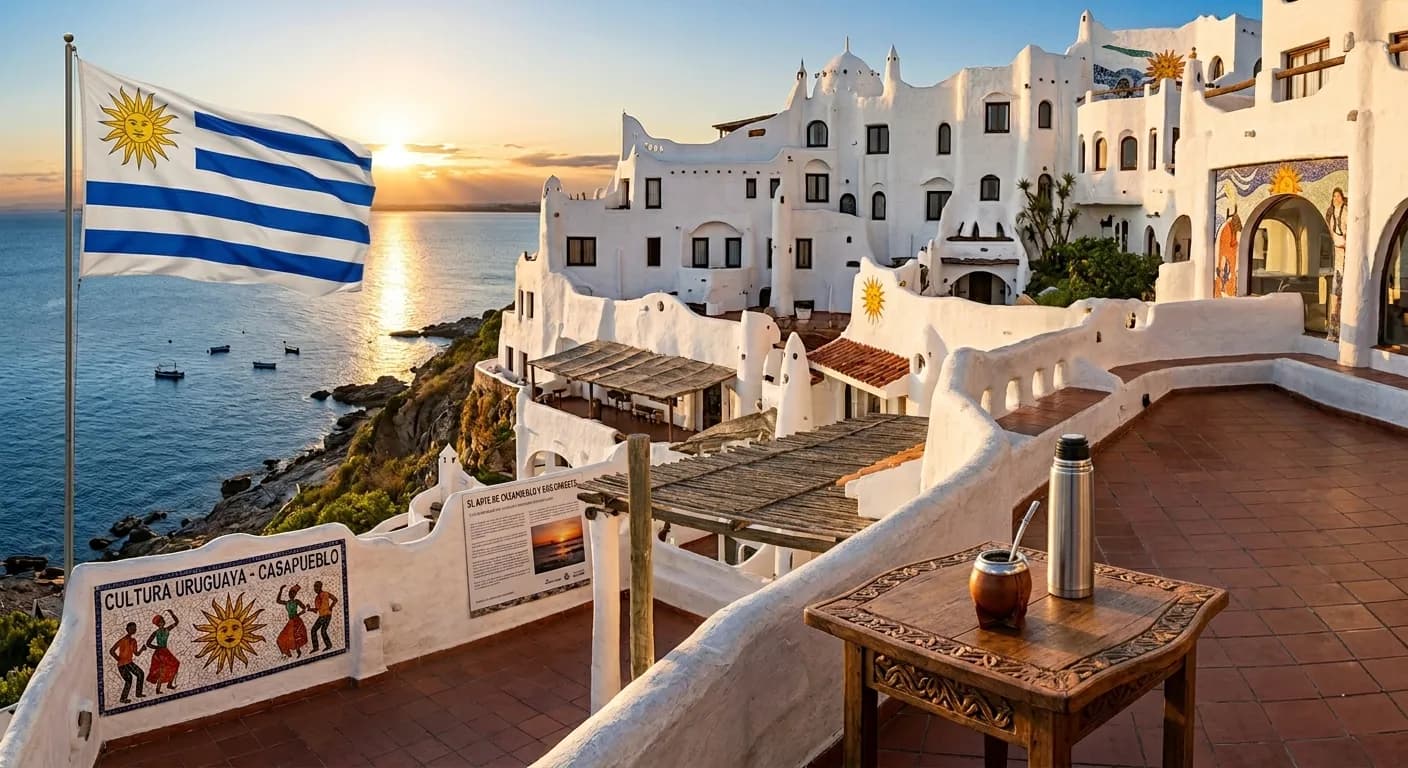
Overview of Uruguay as a destination
Uruguay is located between Argentina and Brazil along the Atlantic coast, yet it stands apart in both atmosphere and experience. With a relatively small population, the country offers a slower pace of life, where cities are manageable, landscapes are accessible, and tourism feels personal rather than overwhelming. Montevideo, the capital, reflects this balance, combining historic architecture with a relaxed coastal lifestyle, while Punta del Este provides a more upscale beach experience. A growing body of research highlights Uruguay as a leader in well-being. According to Uruguay XXI, the country ranks highly in happiness and national pride, based on data from the World Values Survey. This sense of satisfaction is visible in everyday life, from the way people interact to the emphasis
Travel logistics
Reaching Uruguay from Europe typically involves a connection through major hubs such as Madrid, Paris, or São Paulo. The main international airport, Carrasco International Airport in Montevideo, is well organized and serves as the primary entry point for international visitors. Another popular route is through Buenos Aires, followed by a ferry crossing across the Río de la Plata, which offers a scenic and efficient alternative.
Travel within Uruguay is relatively straightforward. The country has a well-maintained road network, and long distance buses are both reliable and comfortable. Visitors often find it easy to move between Montevideo, Punta del Este, and Colonia del Sacramento without difficulty. Compared to other South American countries, Uruguay stands out for its safety, making it particularly appealing for solo travellers.
Economy and political stability
Uruguay is recognized as one of Latin America’s most stable democracies. Transparent governance and strong institutions foster a secure environment that travellers can sense throughout their stay. This political and social stability has helped attract both visitors and investors. Tourism plays a significant role in Uruguay’s economy and benefits from government initiatives aimed at promoting sustainability and improving infrastructure. Although the country does not receive the same volume of visitors as regional giants like Brazil or Argentina, Uruguay’s tourism model emphasizes quality over quantity, creating a balanced and rewarding experience for travellers.
Culture and lifestyle
Culture plays very important role in exploring and understanding Uruguay, as a country and its people. Uruguayan culture is deeply influenced by European traditions, particularly Spanish and Italian, yet it has developed its own identity centred on simplicity and connection. Social life often revolves around shared experiences, whether it is spending time along the Rambla in Montevideo or gathering with friends in public spaces.
One of the most recognizable aspects of daily life is the tradition of drinking mate. This herbal infusion is more than just a beverage. It is a social ritual that reflects friendship and community. As explained by Karen A Higgs, mate is a fundamental part of Uruguayan identity, consumed throughout the day and often shared among friends. Similarly, Paola Fornari describes mate as a tradition that connects people, symbolizing trust and openness in social interactions.
Music, art, and literature also play important roles, with cultural events and festivals taking place throughout the year. The country’s relaxed atmosphere allows visitors to engage with these elements naturally, rather than as staged performances. The
Soul of Casapueblo
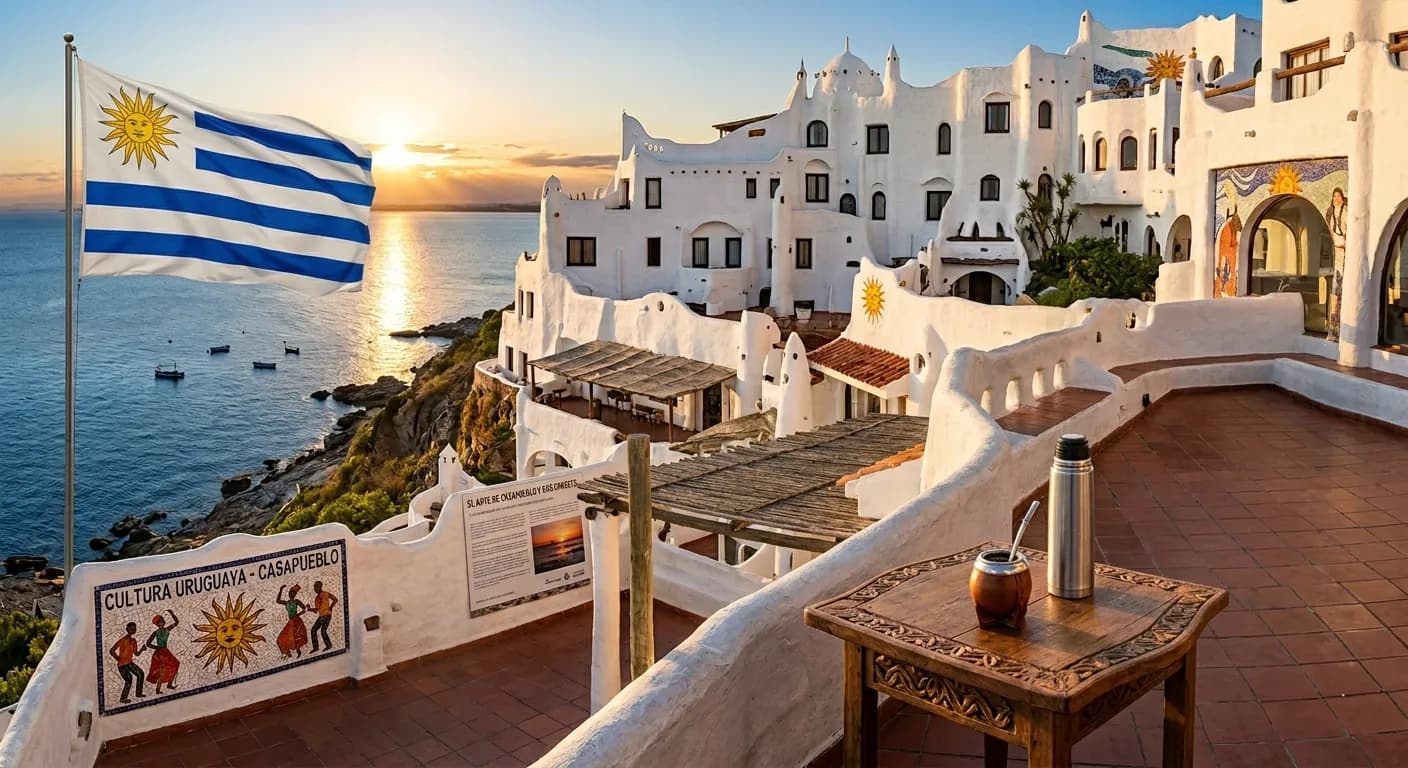
The artistic vision of Carlos Páez Vilaró reaches its most powerful expression in Casapueblo, a structure that transcends traditional definitions of architecture. Perched dramatically on the cliffs of Punta Ballena, the building is often described as a “liveable sculpture,” a concept that reflects the artist’s belief that art should not be confined to galleries but integrated into everyday life. Rather than following architectural rules, Páez Vilaró allowed the structure to evolve organically over decades, shaping it by hand without formal plans. The result is a flowing, whitewashed complex with curved walls, terraces, and interconnected spaces that resemble a labyrinth. The lack of straight lines and strict geometric forms gives Casapueblo a dreamlike appearance, as though it has been shaped by nature itself rather than deliberately built.
The inspiration behind Casapueblo reflects both global and local influences. Elements of Mediterranean architecture, particularly the white villages of Santorini, can be seen in its cascading forms, while the artist himself often compared the structure to the nests of the hornero bird, a symbol of creation in Uruguay. Over time, the building expanded into a multifunctional space that includes a museum, gallery, and hotel, but it remains deeply personal, embodying the life and philosophy of its creator. Visitors do not simply observe art within its walls; they move through it, experiencing light, space, and the surrounding ocean as part of a continuous artistic narrative. In this sense, Casapueblo is not just a landmark of Uruguayan tourism but a rare example of architecture as an evolving, lived experience shaped by creativity, memory, and place.
Food and culinary
Identity of Uruguay’s cuisine is rooted in quality ingredients and simple preparation. The country is particularly known for its beef, often considered among the finest in the world. Asado, a traditional barbecue, is central to both culinary culture and social life. Other dishes, such as chivito, reflect the country’s European influences while maintaining local character. Coastal regions offer fresh seafood, while bakeries and cafés highlight Italian and Spanish traditions. Dining in Uruguay is less about luxury and more about enjoyment, emphasizing flavor, time, and company.
Travel experience and destinations
Uruguay can give you a diverse range of experiences despite its size. Montevideo provides a mix of culture, history, and modern living, while Punta del Este stands out as a major attraction. According to travel content by Josh Payne, the city combines beaches, architecture, and nightlife, making it one of the most dynamic coastal destinations in the region.
Beyond these well-known locations, Colonia del Sacramento offers a step back in time with its cobblestone streets and colonial heritage. Meanwhile, quieter coastal areas and inland regions provide opportunities for nature-based tourism and relaxation. Visual travel content, including YouTube explorations, highlights Uruguay’s clean cities, organized infrastructure, and welcoming atmosphere. These elements contribute to a travel experience that feels both comfortable and authentic.
Why Uruguay stands out in South America Uruguay’s strength lies in its balance. It offers the cultural richness of Argentina and the coastal appeal of Brazil, but without the scale or intensity that can sometimes overwhelm visitors. Instead of large crowds and highly commercialized attractions, Uruguay provides a more intimate and relaxed environment.
Argentina is known for its dramatic landscapes and vibrant cities, while Brazil attracts millions with its iconic beaches and festivals. Uruguay, however, offers a different kind of value. Its smaller size, combined with political stability and a strong sense of identity, allows travellers to experience the country in a more meaningful way.
Authenticity is one of Uruguay’s defining characteristics. Tourism is not overdeveloped, which means that visitors often encounter real daily life rather than curated experiences. This creates a deeper connection with the destination and its people.
Conclusion
Uruguay in 2026 represents a new direction in global tourism, one that moves away from excess and instead focuses on balance, authenticity, and human connection. In a world where many destinations are shaped by mass tourism and rapid commercialization, Uruguay offers a refreshing alternative. It is a country where travelers are not rushed from one attraction to another, but are encouraged to slow down, observe, and truly experience their surroundings. This approach aligns closely with modern travel trends, where people increasingly seek depth, meaning, and emotional connection rather than simply ticking destinations off a list.
One of Uruguay’s greatest strengths lies in its ability to offer a high quality of life that visitors can both see and feel. The nation’s strong democratic institutions, sense of safety, and social stability create an environment where travel feels comfortable and reassuring. In a region where conditions often vary from country to country, this consistency is not something to be taken for granted. In Uruguay, this stability enhances every aspect of the journey, allowing travellers to explore freely and engage more deeply with local life.
Cultural authenticity remains central to Uruguay’s charm. Traditions such as sharing mate, lingering over long meals, and gathering in public spaces are not staged for tourists but are genuine expressions of everyday life. Visitors are not kept at a distance as onlookers; they are welcomed into these experiences with warmth and sincerity. This creates a kind of tourism that feels natural and effortless, fostering real connections through simple, shared moments. It is this authenticity that distinguishes Uruguay from more commercialised destinations.
At the same time, Uruguay offers impressive variety across both natural and urban landscapes. From the historical character of Colonia del Sacramento to the cosmopolitan rhythm of Montevideo and the refined coastal atmosphere of Punta del Este, the country offers a wealth of experiences within a relatively compact area. This accessibility allows travellers to discover different sides of Uruguay without the complications often encountered in larger countries.
Looking to the future, Uruguay is well placed to strengthen its profile on the world tourism stage. Its emphasis on sustainability, cultural preservation, and quality over quantity reflects the values of a new generation of travellers. Rather than competing directly with larger, more established destinations, Uruguay is carving out its own distinct niche that celebrates authenticity, well-being, and meaningful engagement. For those seeking a destination that feels genuine, balanced, and quietly captivating, Uruguay offers far more than a place to visit. It offers an experience that lingers long after the journey ends, leaving a lasting impression shaped not by spectacle but by simplicity, connection, and a true sense of place.
References
Josh Payne. (2025, March 31). URUGUAY is SCIENTIFICALLY BETTER than your Country (and mine). YouTube [video]. https://youtu.be/46cbS_A4tTE Uruguay XXI. (2024). Uruguay stands out in happiness and national pride according to the new World Values Survey. Uruguay XXI. https://www.uruguayxxi.gub.uy/en/news/article/uruguay-stands-out-in-happinessand-national-pride-according-to-the-new-world-values-survey/ Karen A Higgs. (n.d.). What is mate Uruguay favourite drink. Guru’Guay. https://www.guruguay.com/what-is-mate-uruguay-favourite-drink/ Paola Fornari. (n.d.). Drinking mate is a tradition in Uruguay. Travel Thru History. https://travelthruhistory.com/drinking-mate-is-a-tradition-in-uruguay/ Lonely Planet. (2026). Uruguay travel guide. Lonely Planet. https://www.lonelyplanet.com/destinations/south-america/uruguay Condé Nast Traveler. (2023). Montevideo and Uruguay travel experience. Condé Nast Traveler. https://www.cntraveler.com/laced on leisure and community.
Dmytro Melnyk
Contributing writer at EUReflect.
Follow EUReflect
See more of our reporting on Google
Mark EUReflect as a preferred source and our stories are ranked higher for you in Top Stories, Discover and Google News — and carry a “preferred” badge when they are cited in AI results.
Add EUReflect as a preferred source