Beyond Stereotypes: The Silk Road
Beyond Stereotypes: The Silk Road Spirit Revived in Brussels
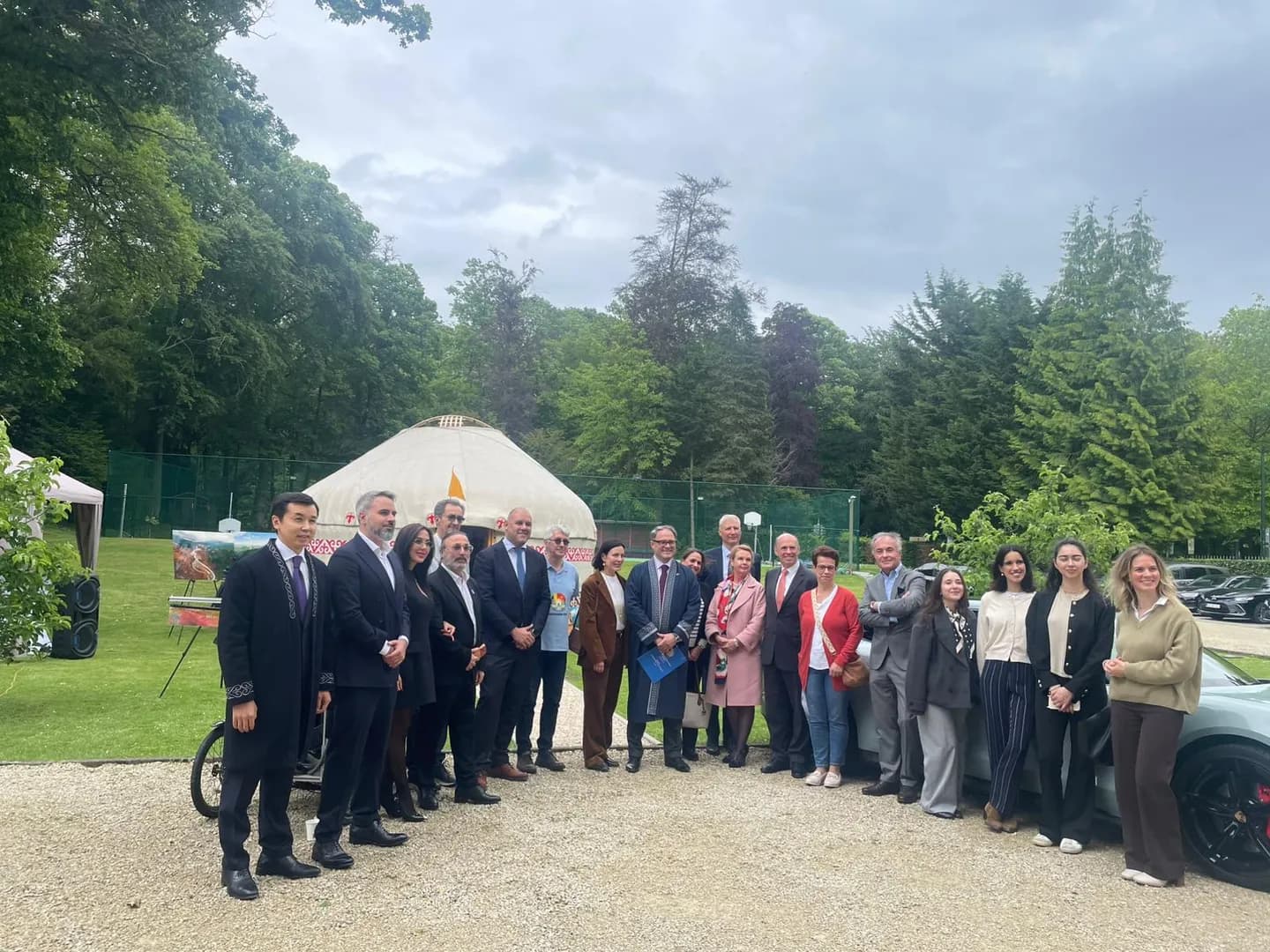
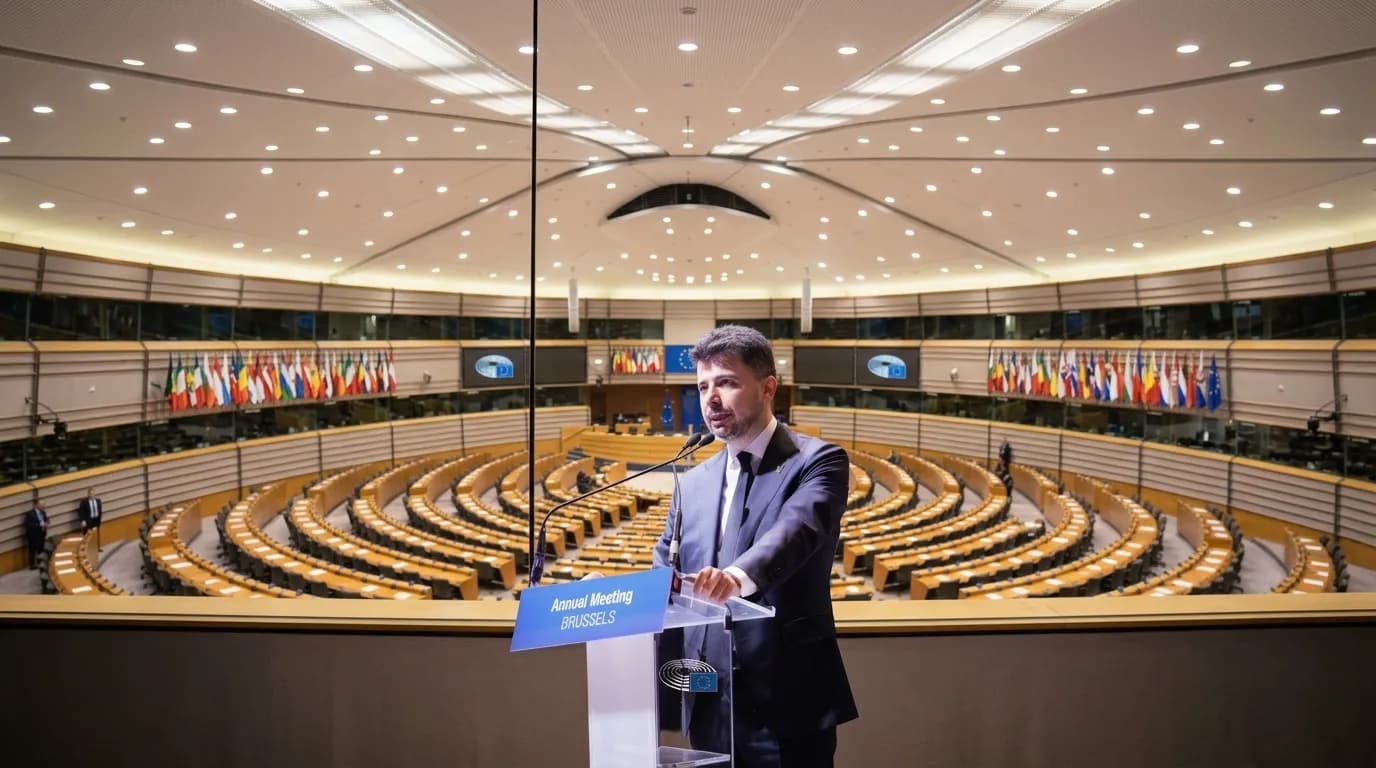
On May 20, 2026, Brussels hosted a remarkable cultural and diplomatic gathering as part of the second edition of the “Shanyraq Dialogues”, organised by the Embassy of the Republic of Kazakhstan. Held in a traditional Kazakh yurt, the event offered a unique immersive experience, blending diplomacy with nomadic heritage and creating a symbolic space where dialogue, culture, and storytelling converged.
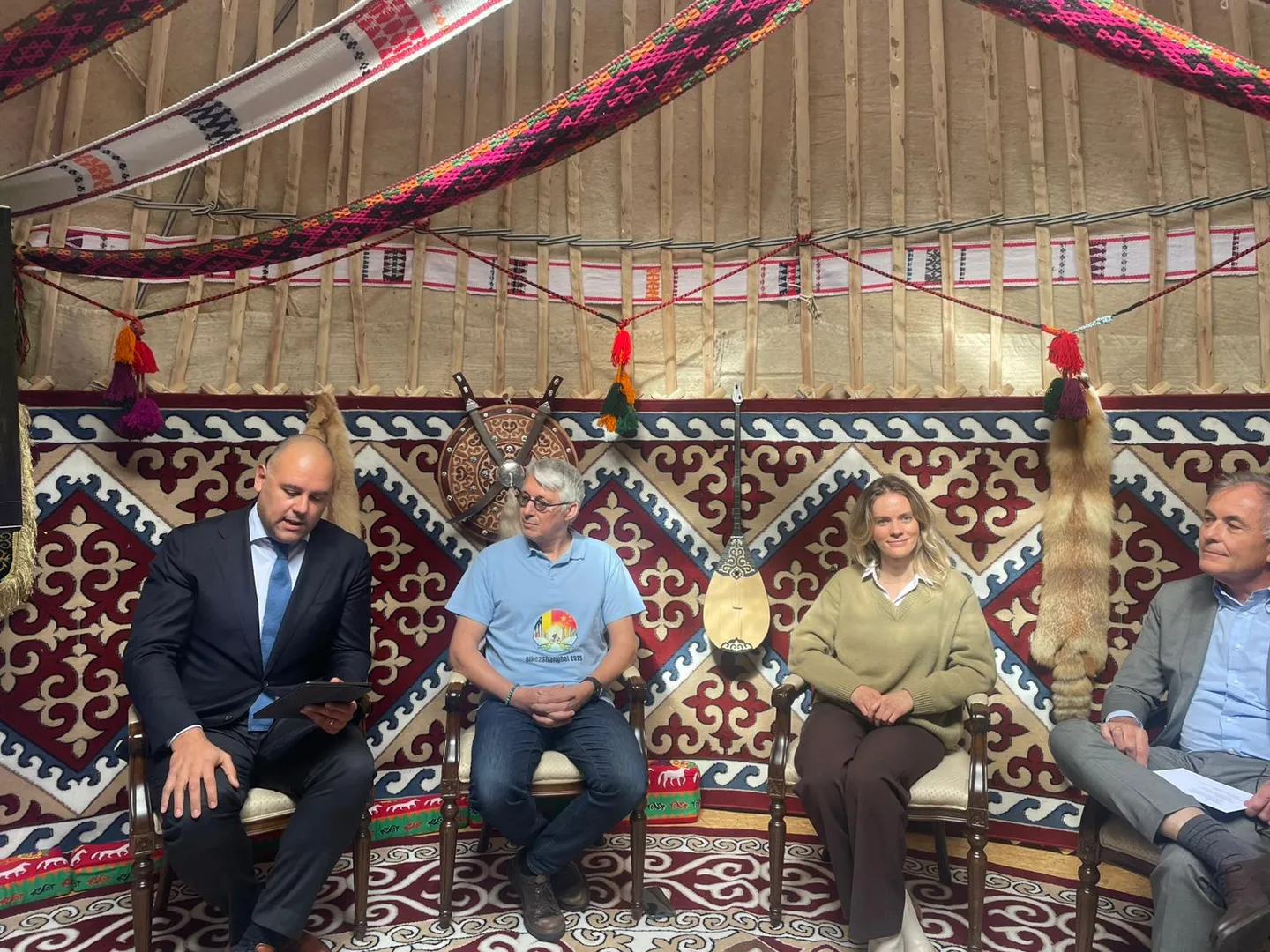
A Yurt in the Heart of Europe
Set within the Embassy premises, the traditional yurt provided more than just a setting—it embodied the very ethos of the event. In Kazakh culture, the shanyraq, the crown of the yurt, represents home, unity, continuity, and openness. Historically, it has been a place where travellers were welcomed and communities gathered. As Ambassador Roman Vassilenko noted in his opening remarks, hosting the discussion in a yurt allowed participants to experience “one of the very few places in Brussels where diplomacy meets nomadic civilization."
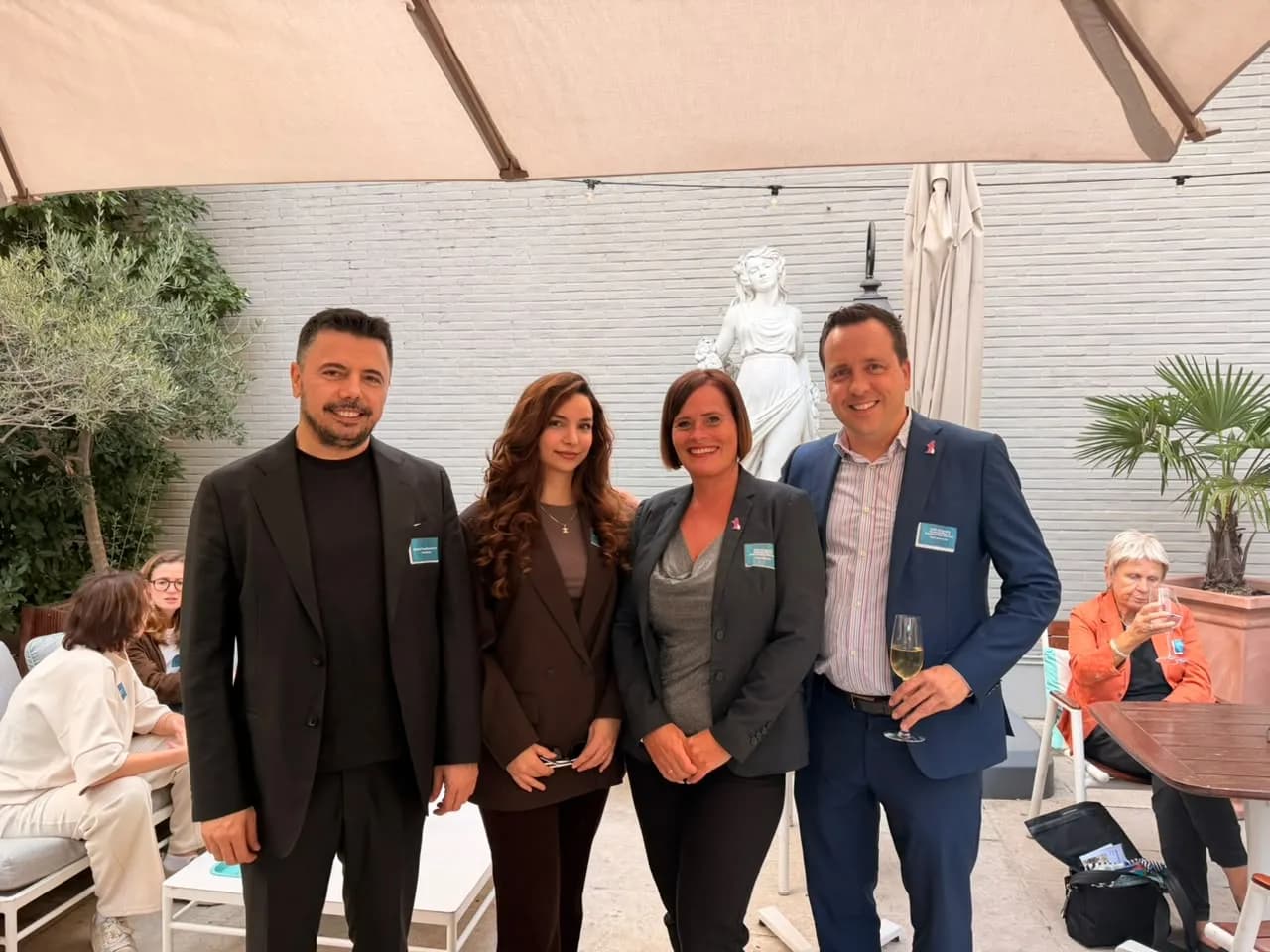
The event brought together a diverse audience, including representatives from European institutions, the Royal Palace, media, cultural actors, and tourism professionals from across Belgium and Europe, reflecting the growing engagement between Kazakhstan and the European Union..
Reimagining the Silk Road
Titled “Silk Road Beyond Stereotypes: Real Stories of Travel Across Kazakhstan,” the discussion sought to challenge conventional perceptions. Rather than focusing on geopolitics or economic narratives, the dialogue emphasized personal experiences, cultural richness, and human connections.
As highlighted throughout the discussions, the Silk Road was never simply a trade network—it was historically a corridor of ideas, encounters, and mutual discovery..
Today, this spirit continues in new forms, as Kazakhstan positions itself as both a cultural and experiential destination.
Moderator Antonio Buscardini, President of the Press Club Brussels Europe and Editor-in-Chief of Travel Tomorrow, underlined how perceptions are evolving, particularly among younger generations. He pointed to emerging cultural trends on social media, where Kazakhstan is increasingly associated with authentic travel experiences, nomadic traditions, and creative expression.
Stories from the Steppe
At the heart of the event were firsthand accounts from travellers who have traversed Kazakhstan and experienced its diversity:
Sven Hoyaux, Editor-in-Chief of Porschist magazine, shared insights from his journeys across several regions, which inspired a dedicated publication on Kazakhstan.
Claude Brouir, a cyclist who travelled from Belgium to China, recounted his journey crossing Kazakhstan, offering a unique perspective shaped by distance, landscape, and direct human encounters.
Inga Chumakova, producer of Pékin Express, presented the impact of Kazakhstan through television, notably via the programme Route de Glace, which introduced broad European audiences to the country’s landscapes and culture.
These testimonies demonstrated that Kazakhstan is not merely a destination on a map, but an experience defined by vast landscapes, evolving urban centers, and deeply rooted traditions..
From Nomadism to Modernity
Adding a conceptual dimension to the discussion, Professor Olivier Arifon explored the evolution of nomadic culture into forms of “neo-nomadism”, highlighting how mobility, identity, and storytelling continue to shape modern societies.
This perspective reinforced one of the key messages of the evening: that Kazakhstan’s heritage is not static but actively informs its contemporary identity and global engagement.
Breaking Stereotypes through Experience
A recurring theme throughout the dialogue was the gap between perception and reality. For many Europeans, Kazakhstan remains an abstract or distant country, often reduced to clichés of geography or natural resources. Yet, through travel, storytelling, and cultural exchange, these simplified views are being replaced by a richer understanding.
As Ambassador Vassilenko emphasized, Kazakhstan is witnessing renewed international interest in its historical legacy, including the Golden Horde, which continues to shape national identity and historical continuity..
"Kazakhstan is witnessing a renewed international interest in the history of the Great Steppe and, more specifically, the Golden Horde. Just yesterday, in Astana, an international symposium dedicated to the legacy of the Golden Horde brought together scholars and experts from many countries. Speaking at the event, President Kassym-Jomart Tokayev stated that “the power of the Golden Horde is an undeniable historical fact”, also noting that Kazakhstan is “the direct heir to the Golden Horde” in terms of historical continuity and statehood."
The event demonstrated how personal narratives—whether through travel, journalism, or media—serve as powerful tools of public diplomacy, reshaping how countries are perceived abroad.
A Platform for Cultural Diplomacy
The Shanyraq Dialogues series itself reflects Kazakhstan’s broader commitment to cultural diplomacy and engagement with Europe. By creating informal yet meaningful spaces for discussion, the initiative fosters dialogue that goes beyond official frameworks.
The evening concluded with a reception featuring traditional tea served from a samovar, echoing the long-standing Silk Road tradition where conversations often continued beyond formal settings.
How Kazakhstan is Advancing Sustainable Tourism?
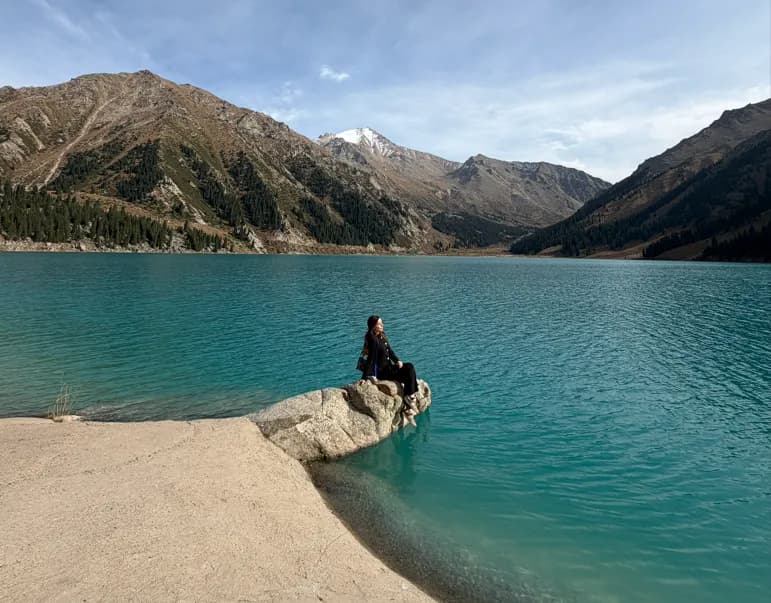
Kazakhstan’s natural wealth is significant. The country is home to 14 national parks and 10 nature reserves, and interest in these destinations has grown rapidly in recent years. Visitor numbers have increased from 1.3 million in 2019 to nearly 4 million in 2025—an impressive 47.3% rise compared to the previous year alone. This surge reflects not only rising global curiosity but also the country’s efforts to position itself as a destination for responsible and experience-based tourism.
A recent report by the United Nations Development Programme (UNDP) highlighted that much of Kazakhstan’s tourism potential lies within its protected natural areas, ranging from mountain ecosystems to steppe and semi-desert landscapes. In this context, sustainable tourism is emerging as a powerful driver of regional development, capable of expanding economic opportunities while preserving environmental integrity.
Recognizing the risks associated with such growth, Kazakhstan has taken steps to implement sustainable models of tourism management. These include strengthening environmental legislation, developing infrastructure, and supporting rural entrepreneurship—ensuring that local communities benefit directly from tourism development. In collaboration with international partners such as the UNDP and the Global Environment Facility (GEF), the country is implementing initiatives that combine biodiversity conservation with tourism strategies.
Concrete progress is already visible on the ground. Across Kazakhstan’s protected areas, 179 tourist routes and 42 ecological trails have been developed, with key sites such as Katon-Karagay, Sairam-Ugam, and Kolsay Kolderi benefiting from upgraded infrastructure. Between 2023 and 2025, new navigation systems, observation platforms, and information boards were introduced, helping to manage visitor flows while reducing pressure on fragile ecosystems.
At the same time, digital innovation is playing an increasingly important role. Automated entry systems, online ticketing, and cashless payments are improving both transparency and visitor experience, while virtual tours of major natural sites allow global audiences to explore Kazakhstan remotely. These tools serve not only as promotional instruments but also as educational platforms, fostering environmental awareness even before travel begins. Complementing these efforts, initiatives such as the “Clean Tourism” programme aim to encourage responsible behavior through waste management and ecological awareness, reinforcing the country’s long-term sustainability goals according to tthe UN report.
Conclusion
More than a discussion on travel, the event offered a broader reflection on how dialogue, openness, and cultural exchange can bridge distances—both geographic and perceptual.
In reviving the spirit of the Silk Road within a Brussels yurt, the Shanyraq Dialogues not only showcased Kazakhstan’s cultural richness but also reinforced a timeless idea: that true connection begins with curiosity, storytelling, and the willingness to look beyond stereotypes.
Bibliography
United Nations Development Programme (UNDP). (2026, April 28). Nature as an asset: How Kazakhstan is advancing sustainable tourism. https://www.undp.org/kazakhstan/stories/nature-asset-how-kazakhstan-advancing-sustainable-tourism [undp.org]
Derya Soysal
Contributing writer at EUReflect.
Follow EUReflect
See more of our reporting on Google
Mark EUReflect as a preferred source and our stories are ranked higher for you in Top Stories, Discover and Google News — and carry a “preferred” badge when they are cited in AI results.
Add EUReflect as a preferred source