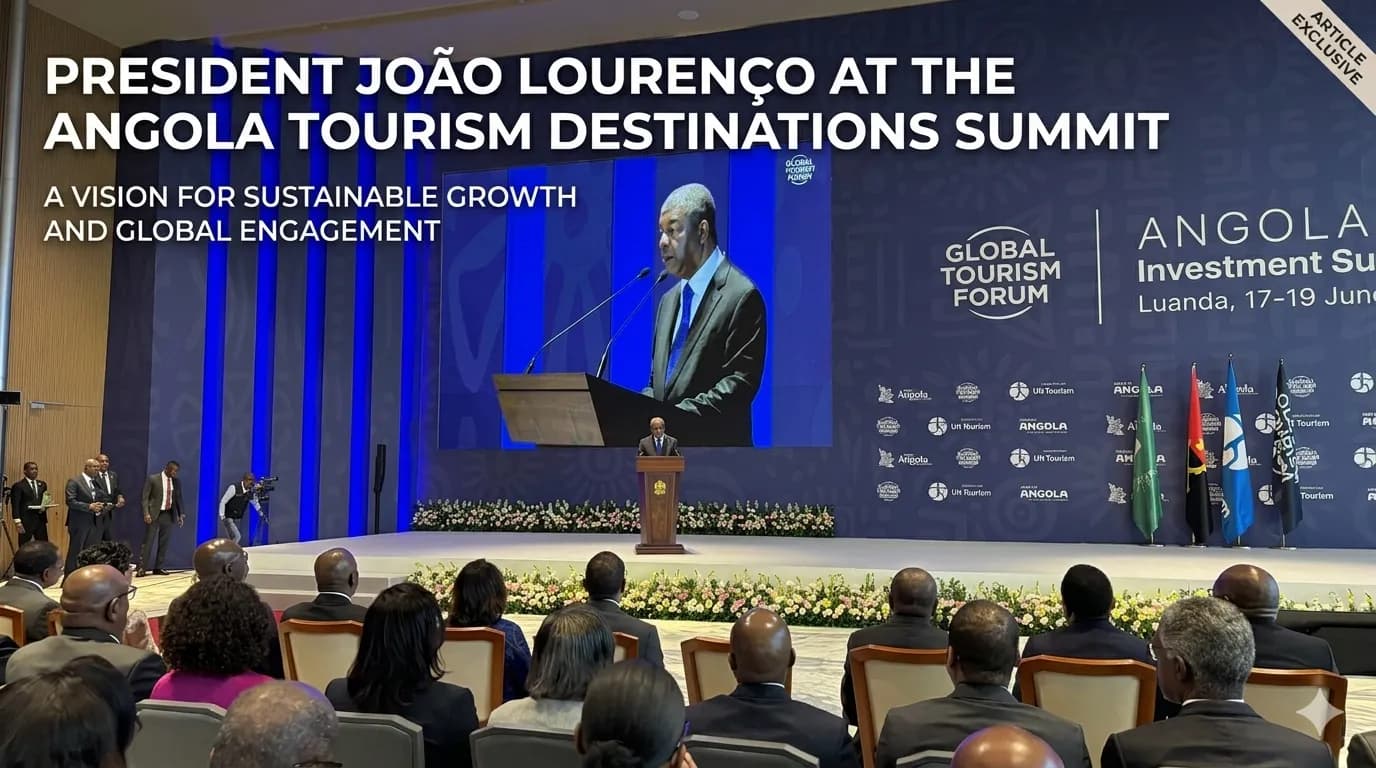
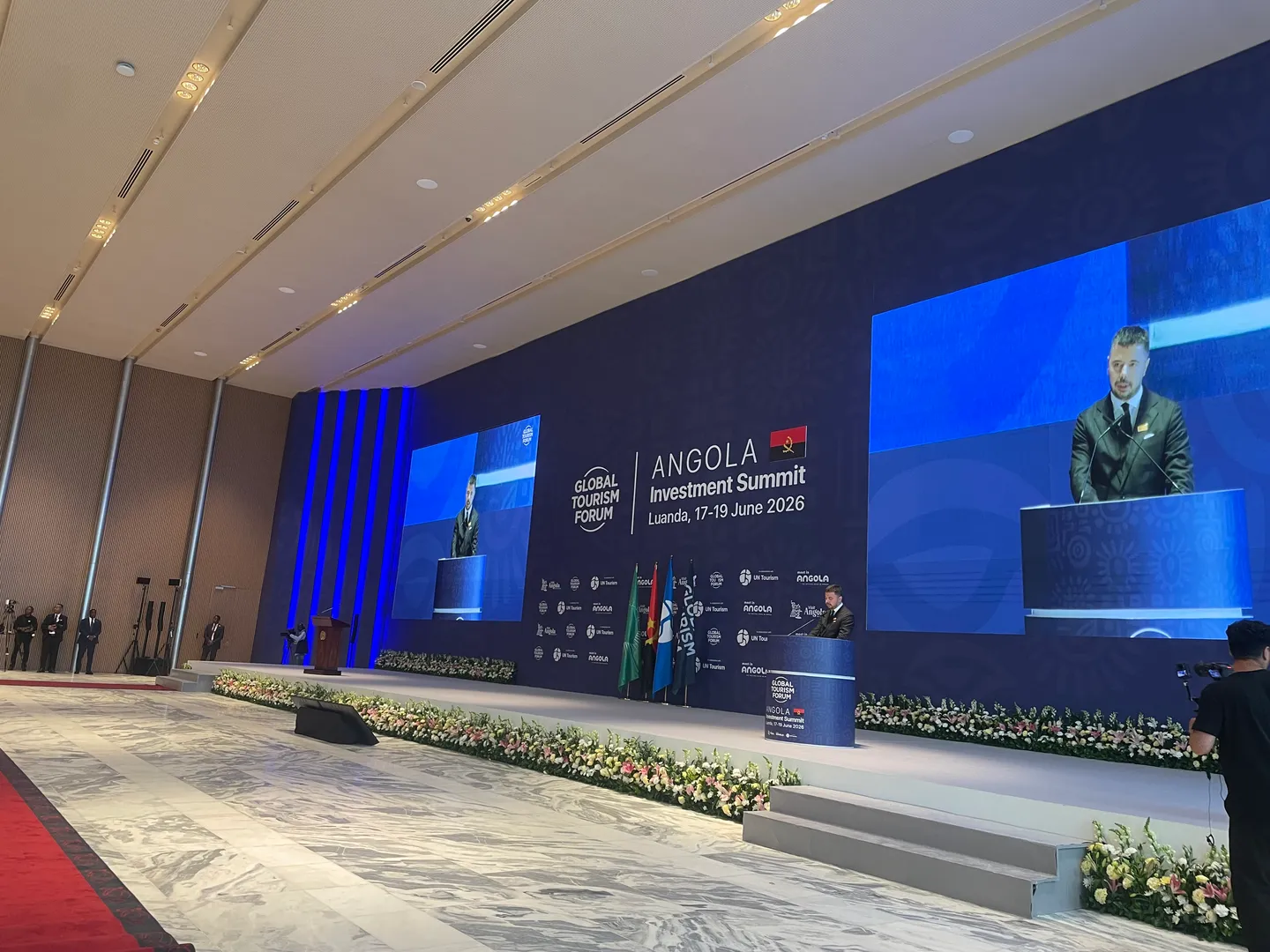
President João Lourenço’s speech during the Angola Invest Summit
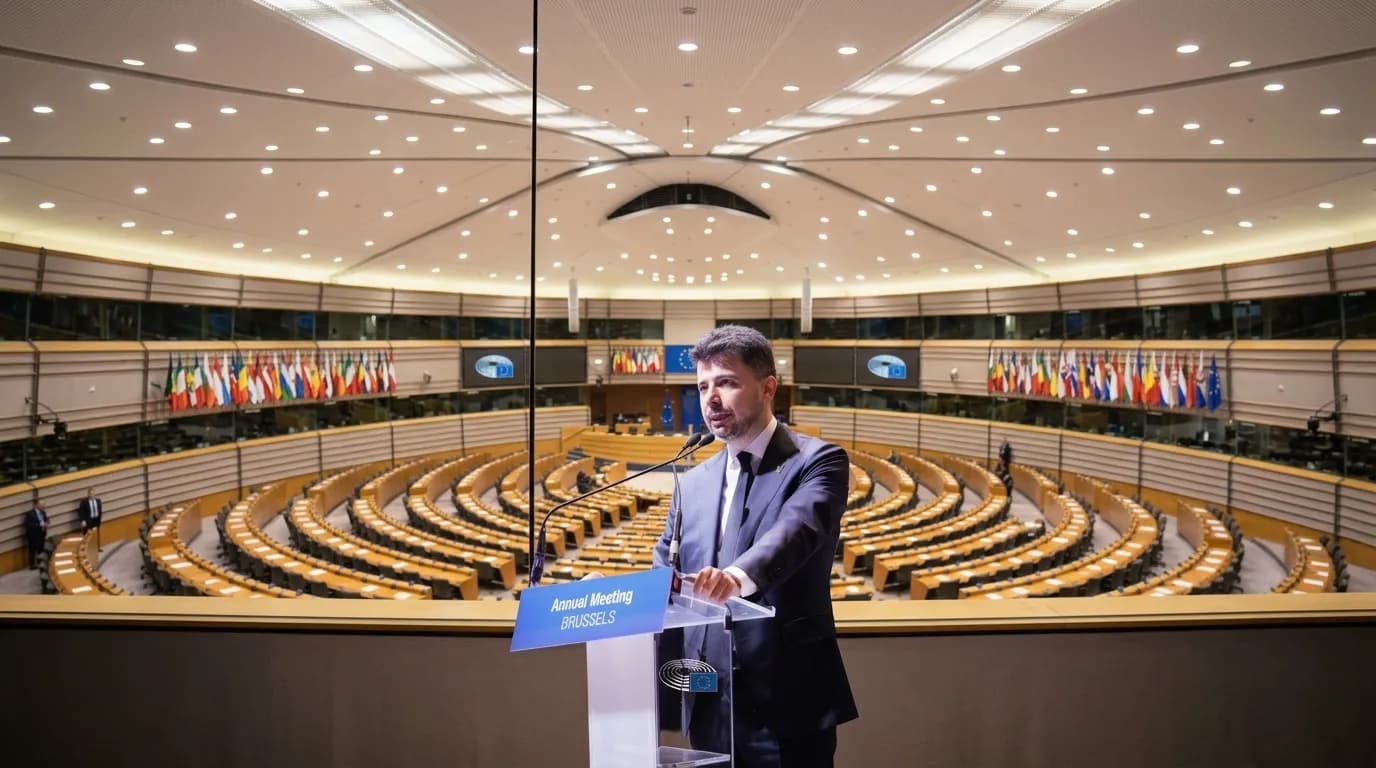
LUANDA, ANGOLA — Under the high patronage of the President of the Republic, João Manuel Gonçalves Lourenço, Angola hosted the Angola Investment Summit from June 17 to 19, 2026. The summit was an initiative of the Ministry of Tourism, held in partnership with the Global Tourism Forum Institute (GTFI), based in Brussels and Dubai.
LUANDA, ANGOLA — Under the high patronage of the President of the Republic, João Manuel Gonçalves Lourenço, Angola hosted the Angola Investment Summit from June 17 to 19, 2026. The summit was an initiative of the Ministry of Tourism, held in partnership with the Global Tourism Forum Institute (GTFI), based in Brussels and Dubai.
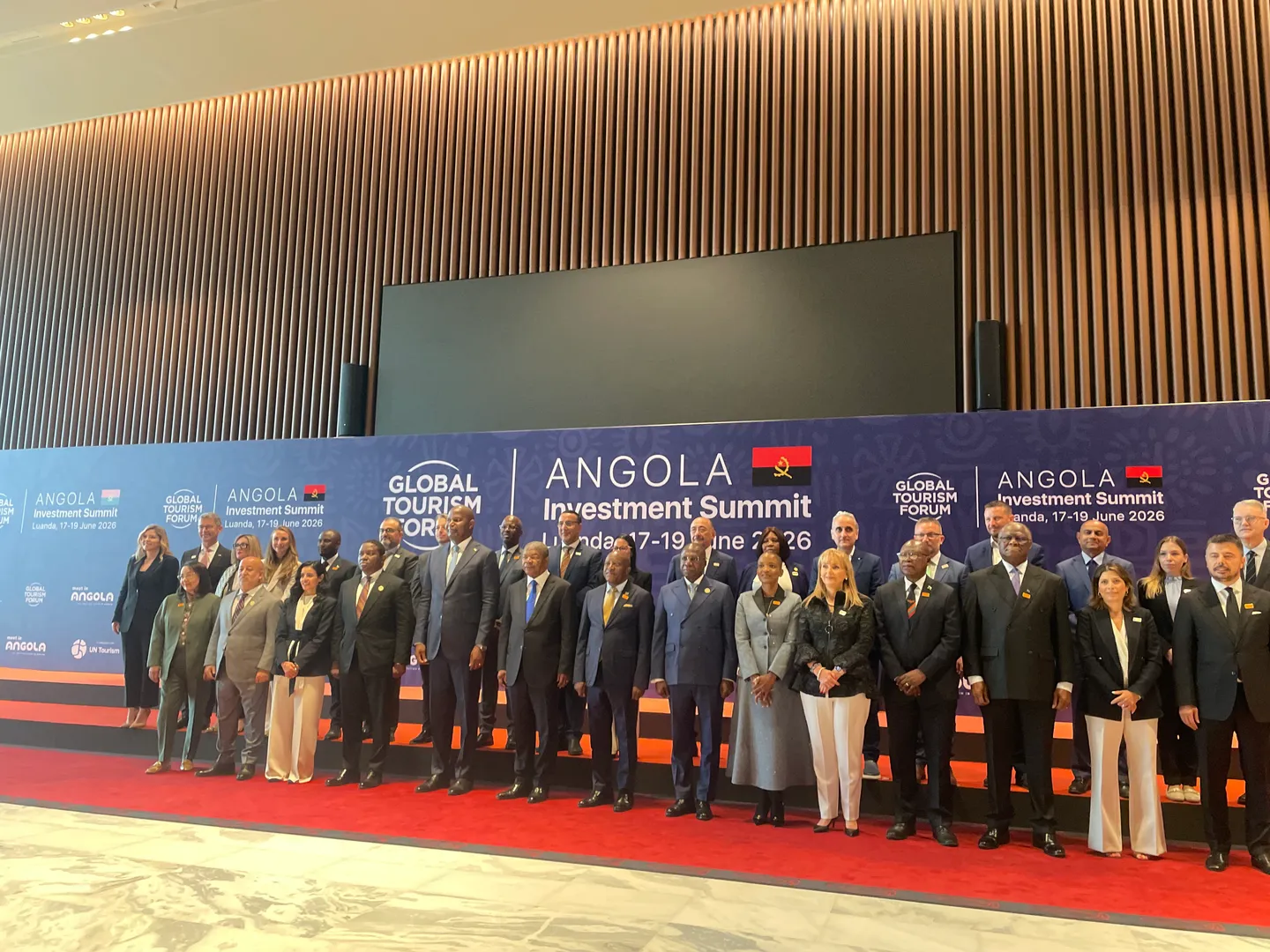
The summit brought together Angola’s President João Lourenço, the President of Mozambique, several prime ministers from the region, nearly ten tourism ministers, UN Tourism Secretary-General Shaikha Al Nowais, WTTC President and CEO Gloria Guevara, and investors from across the world. Held in the capital city of Luanda, the event marks a pivotal moment for the nation as it aggressively pivots away from its historical reliance on petroleum revenues, setting its sights on a booming, sustainable tourism industry.
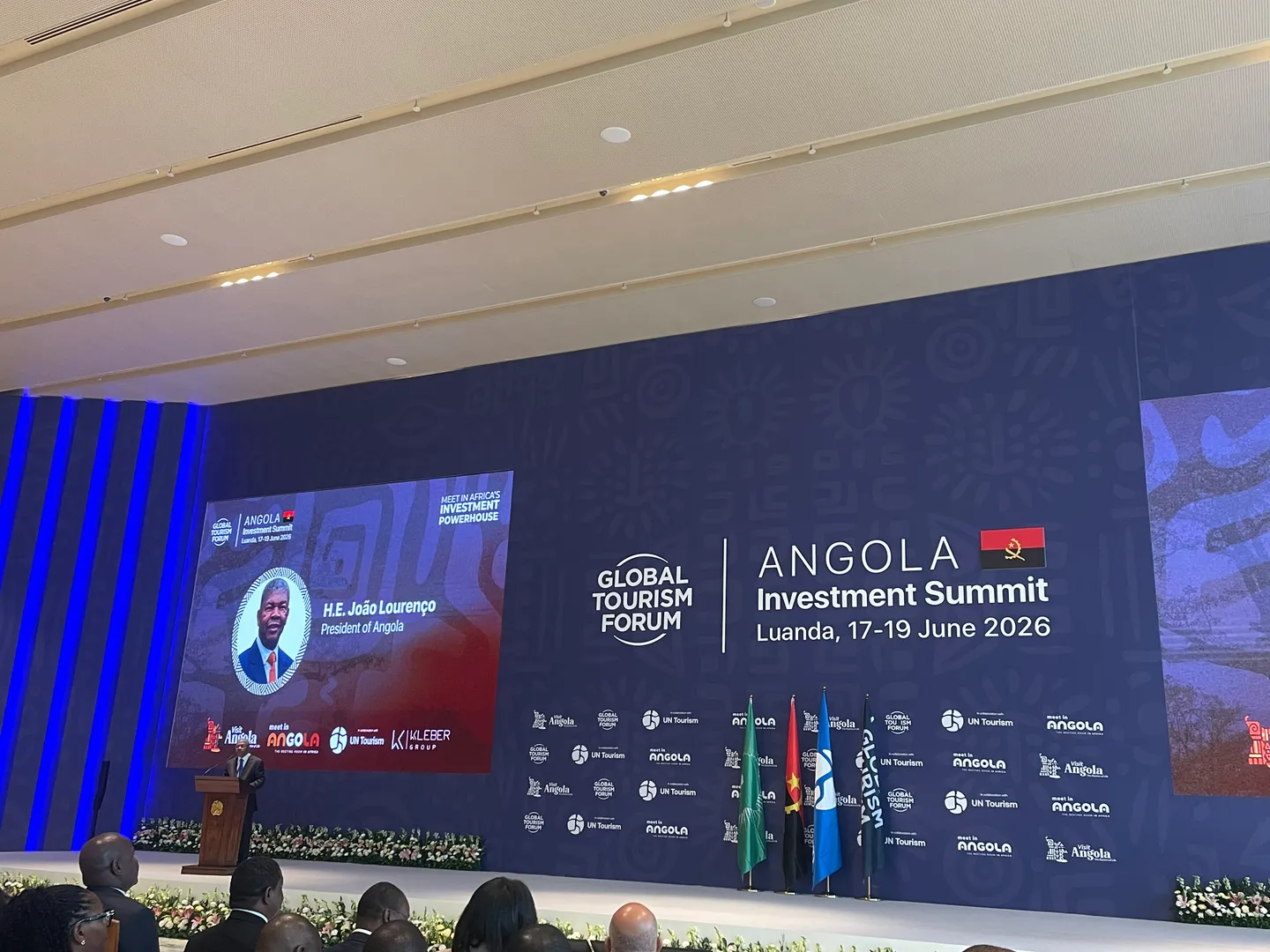
The President’s opening address outlined an ambitious roadmap for both the country and the African continent, framing tourism not just as a leisure industry, but as a crucial engine for job creation, geopolitical stability, and regional integration.
1. Angola: Africa’s New Tourist Hub
For decades, Angola’s economy has been heavily tethered to the fluctuations of global oil markets. The 2026 Summit served as the official global stage to announce a definitive break from this cycle.
"We have resolutely decided to reduce our dependence on the oil sector and build an economy based on sectors with a strong multiplier effect—sectors that create jobs, wealth, and added value, empower local communities, and project Angola as a world-class destination."
This is a crucial signal to international markets. By explicitly acknowledging the need to diversify, the Angolan government is validating the concerns of long-term investors regarding oil-price volatility. The "multiplier effect" of tourism is well-documented; it directly stimulates construction, agriculture, transport, and the digital economy. The government is backing this rhetoric with action, citing broad reform programs aimed at "simplifying administrative and bureaucratic procedures, strengthening legal certainty, [and] increasing transparency." For foreign direct investment (FDI), these legal and bureaucratic assurances are often more critical than the natural resources themselves.
2. Why Invest in Angola? Infrastructure Development
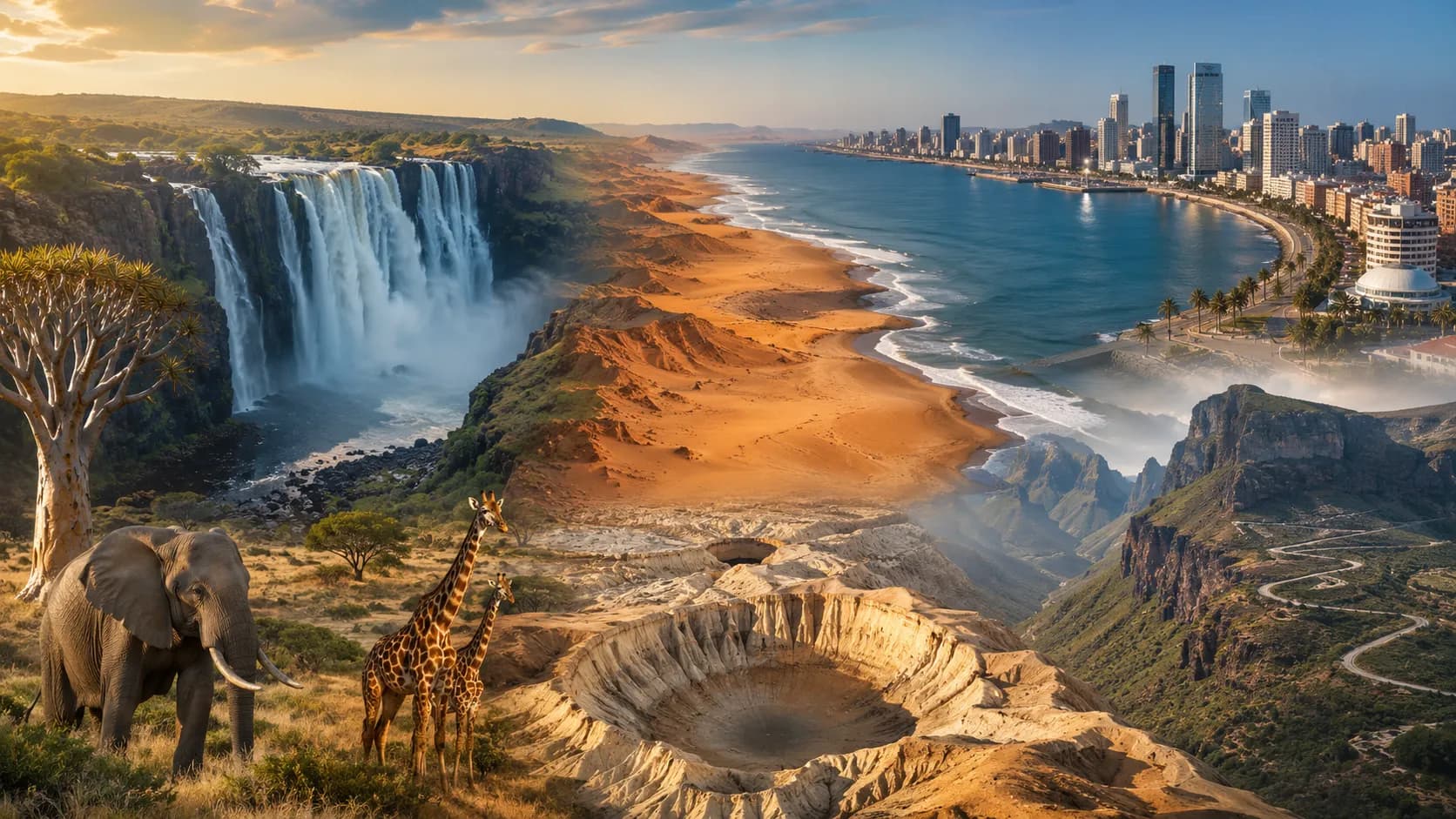
Angola’s natural and cultural assets—ranging from the Kalandula Falls and the Namib Desert to the historical Kingdom of Kongo—are undeniable. However, the President acknowledged that potential without infrastructure remains just a concept.
"For this reason, the Republic of Angola is strongly investing in the infrastructure necessary to boost the growth of this sector... The commissioning of the new António Agostinho Neto International Airport, the development of the Lobito Corridor, the upcoming inauguration of the Luanda Convention Center... complete the picture of a country that is seriously and responsibly building the foundations of its economic future."
The government is acutely aware that modern tourists and business travelers require seamless logistics. The mention of the Lobito Corridor—a massive, multi-national rail and port infrastructure project—highlights that Angola’s tourism strategy is deeply intertwined with its broader trade and transport ambitions. Earning the title of "Best Tourism Investment Destination" by the Global Tourism Forum in 2025 has clearly provided momentum, but the state recognizes that heavy capital expenditure in airports and rail is the only way to convert an accolade into tangible tourist footfall.
3. Pan-African Cooperation and Connectivity
A standout theme of the address was the emphasis on pan-African cooperation, moving away from isolated national strategies toward a unified continental approach.
"Regional integration must be viewed as an economic necessity, since no country can fully exploit its tourism potential in isolation. Through cooperation, complementarity, and a shared vision, we will achieve lasting results."
This reflects a maturing approach to the African tourism market. By advocating for harmonized migration policies, regional mobility, and improved air connectivity, Angola is championing the African Continental Free Trade Area (AfCFTA) principles applied to human movement. The President rightly notes that Africa's visitor growth rates in 2025 outpaced the rest of the world. By positioning Angola as a collaborative hub rather than an isolated destination, the country stands to capture a larger share of multi-destination international travelers.
4. Geopolitics, Peace, and Multilateralism
The address did not shy away from the complex global environment of 2026, linking macro-geopolitics directly to the micro-economics of the tourism sector.
"Peace remains the fundamental prerequisite for development, because without stability there can be no investment or economic growth. In this context, tourism assumes an important human and diplomatic dimension..."
The President’s remarks on global conflicts—and the specific mention of recent US-Iran diplomatic understandings—underscore Angola's desire to be seen as a stable, globally aware player. The message to the international community is clear: Angola is a safe harbor. By framing tourism as a tool for diplomacy and mutual understanding, the government elevates the industry from a purely commercial enterprise to a pillar of national security and international relations.
Why Visit Angola?
The President explained why Angola is poised to be the tourism hub of the future, stating:
"Today, Angola presents itself to the world as a country of stability, vision, and major investment opportunities. We possess more than 1,600 kilometers of Atlantic coastline, parks and nature reserves of high ecological value, rivers, lakes, and landscapes of extraordinary beauty, unique biodiversity, and a historical, cultural, and gastronomic heritage that reflects the richness and diversity of the Angolan people."
The Verdict
The 2026 Angola Investment Summit, bolstered by its partnership with the Global Tourism Forum, is a clear invitation to the world. The President's address successfully balanced aspirational rhetoric with grounded, actionable realities—highlighting specific infrastructure projects, bureaucratic reforms, and regional policies.
By targeting the "entire tourism value chain"—from hospitality to the digital economy—Angola is making a compelling case that its post-oil era is officially underway, driven by the open doors of international tourism.
Angola is quickly becoming a new paradise for investors. Highlighting this sentiment during his speech, the President of the Global Tourism Forum, Bulut Bagci, stated:
"Angola is not only a destination where we do business... I would especially like to thank President João Lourenço for creating this trust, this vision, and this opportunity."
Derya Soysal
Contributing writer at EUReflect.
Follow EUReflect
See more of our reporting on Google
Mark EUReflect as a preferred source and our stories are ranked higher for you in Top Stories, Discover and Google News — and carry a “preferred” badge when they are cited in AI results.
Add EUReflect as a preferred source