China’s High-Tech Tourism Boom in 2026
In 2026, China has modernized travel with visa-free entry, digital payments, and high-speed rail networks, becoming a global testbed for future tourism. While infrastructure and technology facilitate access, digital reliance, app restrictions, and language remain challenges for visitors.
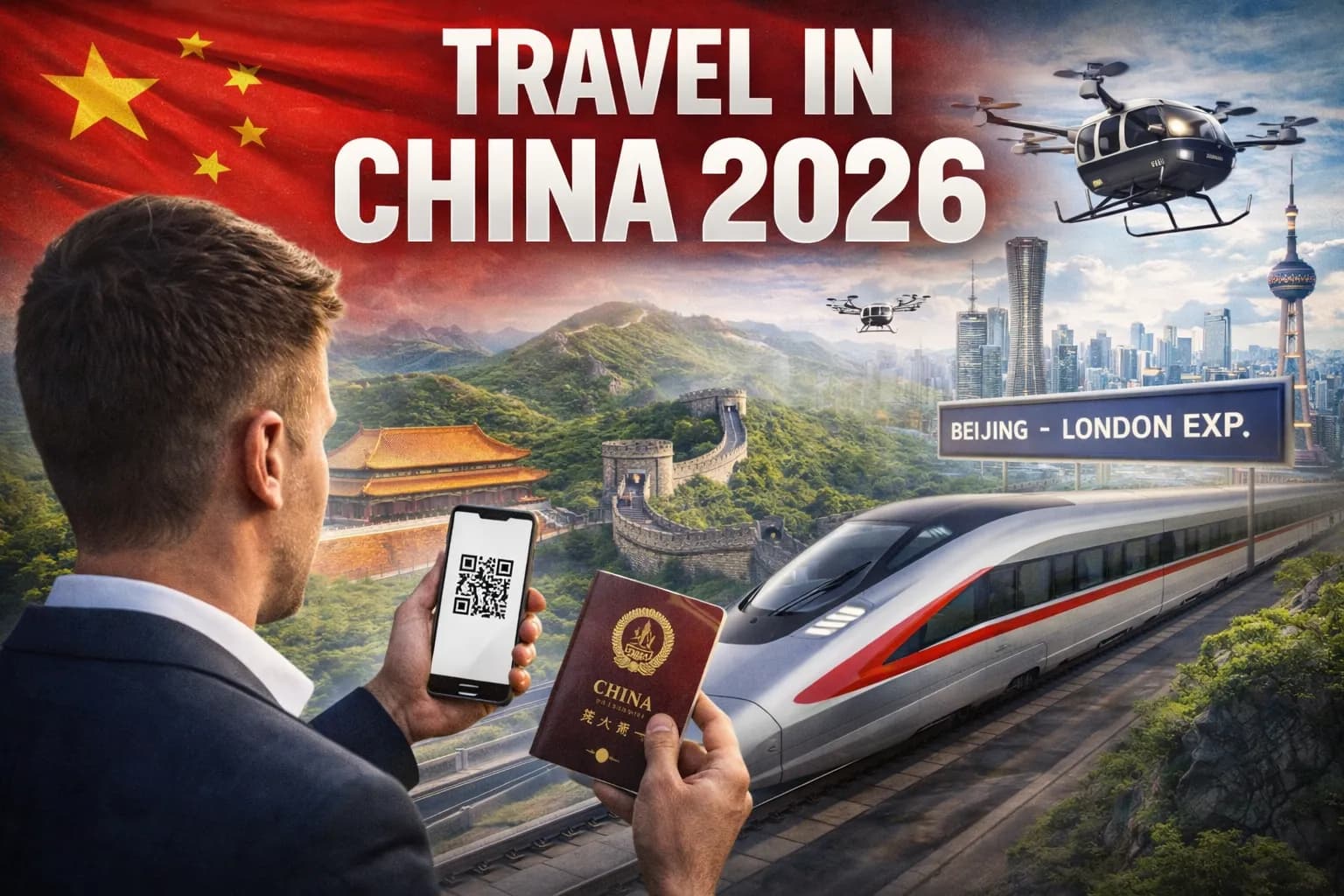
For years, traveling to China felt like a challenge. Not only was it an exciting adventure, but also a difficult one. Visitors had to deal with visa rules, language barriers, and unfamiliar systems. In 2026, that has changed. China has not only reopened, it has made travel faster, easier, and more digital than ever before. Today, the country is becoming a global test ground for the future of travel. From visa-free entry to high-speed rail connecting continents, China offers a new kind of experience. But this modern system also comes with its own challenges, especially for first-time visitors.
One of the biggest changes is the introduction of the‘30-Day Golden Pass.’ China now allows visa-free entry for travelers from over 50 countries, including the UK, Germany, and Australia. Visitors can arrive with just a passport and a ticket, removing one of the biggest barriers to travel. Payment has also become much easier. In the past, many tourists struggled because China relied heavily on local apps. Now, platforms like Alipay and WeChat Pay allow foreigners to link international Visa or Mastercard accounts. Whether buying cheap street food or luxury goods, payments are quick and simple through QR codes or tap-to-pay.
China’s infrastructure remains one of its biggest strengths. The high-speed rail network now covers over 55,000 kilometers, connecting major cities and remote regions. The most talked-about project in 2026 is theBeijing-London Express, a high-speed rail line that completes the journey in just 32 hours. This offers an alternative to flying, with comfortable sleeper cabins, fast internet, and scenic views across Eurasia. Even internally, trains have become the main way to travel. A person can have breakfast in Chongqing and arrive in Suzhou by lunchtime. Travel that once took days now takes hours.
China’s tourism industry is growing quickly. In early 2026, international arrivals increased by 35% compared to the previous year. This growth is driven by easier entry rules, better infrastructure, and smoother payment systems. Showing evidently that tourism is also changing in style. Visitors are not just sightseeing, they are looking for experiences. Cities like Shenzhen attract tech enthusiasts, while western regions offer cultural and heritage travel.
Even with all these improvements, travel in China is not completely easy. The challenges have simply changed from physical to digital. Your phone is everything. Because it has your wallet, map, ticket, and translator. If your battery dies, it can cause serious problems. Power bank rental stations exist, but they also require a working phone. Moreover, spontaneous travel is harder. Popular places like the Forbidden City or the Chengdu Panda Base often sell out weeks in advance through local apps. Tourists who do not plan ahead may miss out. In addition to that, China is famously known to have banned Western applications and websites, and they still are blocked. Hence, travelers need international roaming or VPNs to access services like Google or social media.
Language remains to be one of the biggest difficulties in China, but technology is helping solve that. Apps like Google Lens can translate menus and signs instantly by using your camera. Portable AI translators allow real-time conversations between English and Mandarin, making communication much easier. Many travelers now join small guided walking tours led by local bilingual guides. These tours offer a more personal and cultural experience, especially in areas like Beijing’s hutongs or Shanghai’s older neighborhoods.
China’s appeal in 2026 comes from its contrast between old and new. In Beijing, ancient streets exist alongside modern cafes and digital lifestyles. In Chengdu, panda conservation centers focus on quiet, eco-friendly tourism. In Shenzhen, visitors can see the future with electric air taxis flying over the city. Travelers can explore historical sites like the Great Wall while also experiencing advanced technology in daily life.
China in 2026 offers a glimpse into what global travel may look like in the future. It is fast, digital, and highly connected. The main challenge is not getting into the country anymore, but adapting to its systems. Travelers who prepare in advance, download the right apps, and embrace digital tools will find the experience smooth and rewarding. For those willing to adjust, China is no longer just a destination. It is an experience that combines history, technology, and culture in a way few places can match.
Hashim Aslam Khan
Contributing writer at EUReflect.
Follow EUReflect
See more of our reporting on Google
Mark EUReflect as a preferred source and our stories are ranked higher for you in Top Stories, Discover and Google News — and carry a “preferred” badge when they are cited in AI results.
Add EUReflect as a preferred source