Why Senegal is a Hidden Gem in the Touristic Map
Golden beaches stretching into the Atlantic, music pulsing through the streets of Dakar, and a culture built on warmth and hospitality are quietly transforming Senegal into one of the most exciting travel destinations of 2026.
How to Get There and Move Around
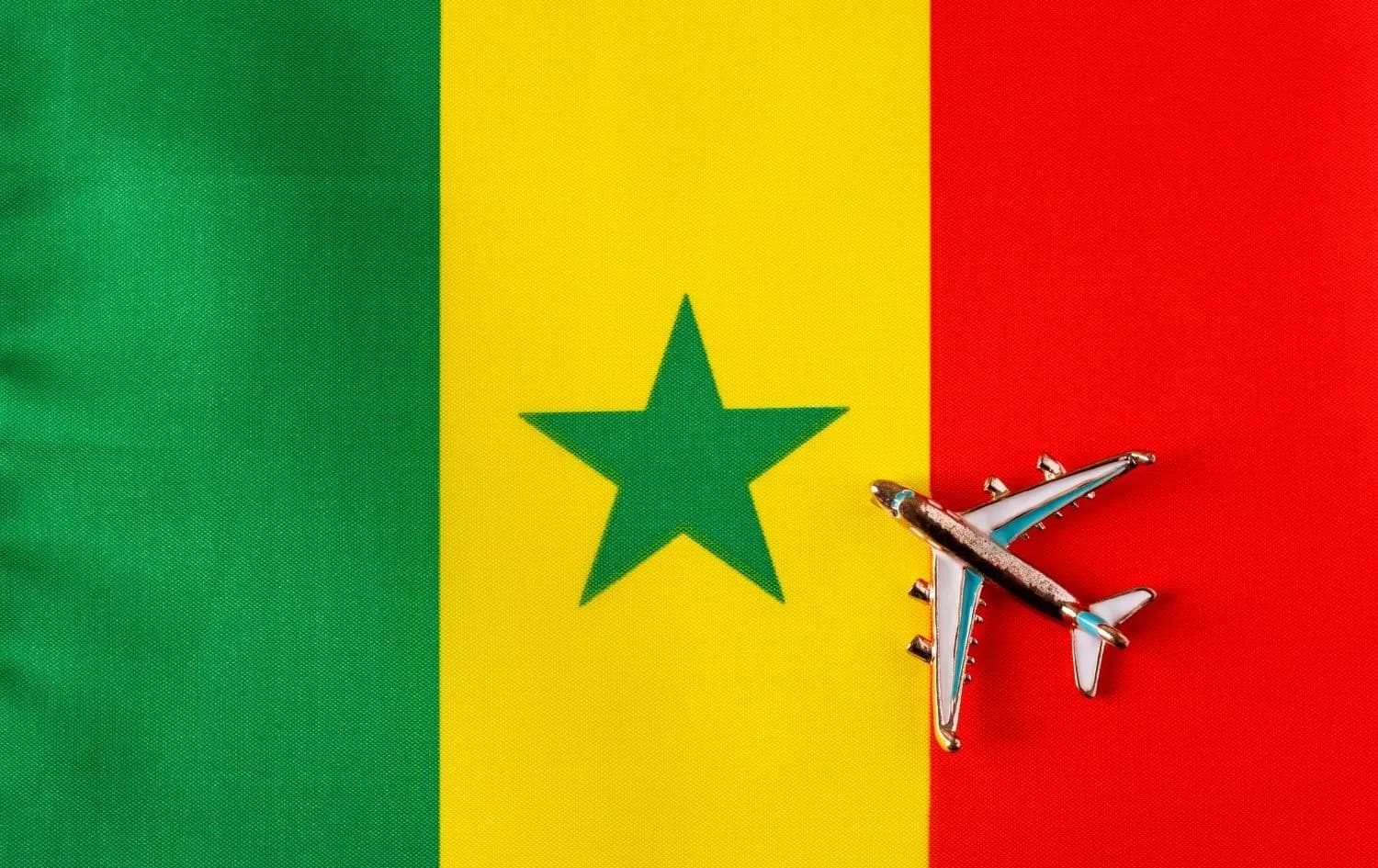
Located in West Africa, Senegal is one of the most accessible countries on the continent. The main international gateway is Blaise Diagne International Airport, situated about 45 kilometres from the capital Dakar. The airport connects Senegal directly with major European cities such as Paris, Brussels, and Madrid, as well as regional hubs across Africa. Travelers from Europe can reach Dakar in approximately five to six hours, making it one of the easiest African destinations to access.
Once in the country, transport options are steadily improving. Highways connecting Dakar to cities like Thiès and Saint Louis have been modernized, while buses and shared taxis remain widely used and affordable. For visitors seeking comfort, private drivers and organized tours are readily available.
Compared to destinations like Morocco, where tourism infrastructure is highly developed, but often crowded, Senegal offers a balance between accessibility and authenticity, allowing travellers to explore without overwhelming tourist pressure.
A Country Developing with Purpose
Senegal has grown into one of West Africa’s most stable and forward-looking nations. The government’s policies focus on three key areas: sustainable development, modern infrastructure, and tourism. As reported by Dan Saladino for BBC News, Senegal’s agricultural sector is also gaining an important international role, with farms sending vegetables to European markets, including the United Kingdom. This shows the country’s broader economic progress and its growing place in global supply chains.
Environmental awareness is now a core part of Senegal’s development plans. The nation is working to protect its coastlines, expand eco-tourism, and involve local communities in decision-making. French and international sources highlight these efforts to safeguard natural ecosystems while promoting travel, especially in regions like Casamance. Thanks to these initiatives, Senegal stands out as a destination that is not only growing, but doing so responsibly.
Culture, Religion, and Everyday Life
Senegal’s culture is vibrant and deeply rooted in tradition. The country is predominantly Muslim, with Sufi brotherhoods playing an important role in daily life. Despite this, Senegal is widely recognized for its religious tolerance, where different faiths coexist peacefully.
French is the official language, but Wolof is spoken by the majority of the population. Visitors often hear phrases like “Jërëjëf,” meaning thank you, which reflects everyday communication and cultural openness. Music is another defining feature of Senegalese identity, with rhythms blending traditional sounds and modern influences.
Football is central to national pride. Senegal’s victory in the Africa Cup of Nations in 2022 marked a historic achievement and remains a powerful symbol of unity. Celebrations filled the streets of Dakar and beyond, highlighting how sport connects communities across the country.
A Culinary Journey Through Senegal
Senegalese cuisine is widely regarded as one of West Africa’s finest, offering a rich tapestry of flavours shaped by centuries of trade, migration, and cultural exchange. At the heart of this culinary tradition lies thieboudienne (also spelled cee boujën), the national dish. It combines tender pieces of fish (often red snapper or thiof), fragrant rice, and a colourful mix of vegetables such as carrots, cabbage, cassava, sweet potato, and African eggplant, all simmered in a spiced tomato sauce. The dish is traditionally served from a single large platter, with family and guests gathering around to share, embodying teranga — the Wolof concept of warm, generous hospitality that defines Senegalese social life.
Another iconic creation is yassa, originally from the Casamance region. Chicken or fish is marinated overnight in a zesty blend of lime juice, vinegar, mustard, and a generous number of sliced onions, then grilled over wood fire and slowly cooked in its own marinade. The result is a perfect balance of tangy citrus and deeply caramelized sweetness, typically served over white Diola rice. Variations include yassa guinar (with sheep) and yassa dieun (with fish).
Beyond these staples, Senegalese tables feature mafé (a rich peanut stew with beef or lamb), domoda (a similar groundnut-based dish), soup kandia (okra stew with palm oil), and dibi(wood-fire grilled lamb served with spicy onion sauce). Rice and millet form the foundation of most meals, while ingredients like ginger, chili, peanuts, and fresh herbs add depth and heat.
In Dakar, street food thrives around markets like Marché Kermel and along the Corn.
The Best Places to Visit in Senegal
Senegal offers a diverse range of attractions that appeal to different types of travellers. According to Richard Collett, some of the most remarkable destinations include Gorée Island, the Lompoul Desert, and the vibrant capital Dakar.
Gorée Island, located just off the coast of Dakar, is a UNESCO World Heritage Site known for its historical significance in the transatlantic slave trade. Visitors can explore preserved colonial buildings and museums that tell powerful stories of the past.
The Lompoul Desert provides a completely different experience. With its golden dunes and peaceful atmosphere, it offers a taste of the Sahara without the need for long journeys. Travelers can stay in traditional tents and enjoy evenings under the stars.
Dakar itself is a dynamic city filled with art galleries, markets, and music venues. The African Renaissance Monument stands as a symbol of national pride, while neighbourhoods like Medina offer insight into everyday urban life.
For nature lovers, Niokolo Koba National Park showcases Senegal’s wildlife, including elephants and antelope. Coastal areas such as Saly and Cap Skirring provide beautiful beaches that are less crowded than those in North African destinations.
Travel content from YouTube creators also highlights the diversity of experiences, from exploring Dakar’s busy streets to relaxing in the desert and visiting historical sites. These visual accounts reinforce Senegal’s appeal as both adventurous and culturally rich.
Why Senegal Stands Out Today
Senegal stands out today for its unique combination of cultural authenticity, political stability, and deeply rooted traditions of hospitality. Travelers are often drawn not only by its landscapes and historical sites, but by the genuine human connections they experience throughout the country. Daily life is open and communal, allowing visitors to engage directly with local communities, share meals, and take part in traditions that are still actively lived rather than staged for tourism.
A defining feature of Senegal is the concept of teranga, meaning hospitality, which shapes social interactions across the country. As highlighted by travel sources such as Lonely Planet and Condé Nast Traveler, this welcoming spirit is not simply a cultural symbol but a reality that visitors encounter in markets, homes, and public spaces. It creates an environment where tourism feels personal rather than transactional.
The country’s tourism sector is steadily growing, supported by infrastructure improvements and a focus on sustainable development. Combined with its cultural richness and relative stability, Senegal is increasingly seen as one of the most promising destinations in Africa for travellers seeking meaningful and responsible experiences.
In comparison, destinations such as Morocco, Egypt, South Africa, or Nigeria are already well established on the global tourism map, often attracting large numbers of visitors and offering highly developed infrastructure. Senegal, however, provides a different appeal. Its lower level of commercialization allows for a more intimate and less crowded experience, where authenticity remains at the forefront. This contrast is becoming increasingly attractive as global travel trends shift toward deeper cultural immersion and sustainability.
References
Dan Saladino. (2026, February 19). The two farms in Senegal that supply many of the UK's vegetables. BBC.
https://www.bbc.com/news/articles/cwy6171wvppo
Richard Collett. (2023, November 16). 15 Best Places to Visit in Senegal. Travel Tramp. https://www.travel-tramp.com/best-places-to-visit-in-senegal/
ADE Africa. (n.d.). Senegal – A 2026 TRAVEL GUIDE. https://adeafrica.com/senegal-travel-to-senegal-senegalese-tips-senegalese-facts- senegalese-attractions-senegalese-people-senegalese-culture-senegalese-religion- africa-solo-female-travel/
Responsible Travel. (n.d.). Senegal holidays. https://www.responsibletravel.com/holidays/senegal
Lonely Planet. (n.d.). Senegal travel guide. https://www.lonelyplanet.com/destinations/senegal
Vivienne Dovi. (2024, December 6). Dakar, Senegal, Is the Best Destination You Don't Have on Your List Yet. Condé Nast Traveler. https://www.cntraveler.com/story/dakar-senegal-solo-travel
Saïna Manotte. (2024, August 3). Notre voyage au SENEGAL (Dakar, Gorée, Désert de Lompoul...). YouTube [video].
https://youtu.be/T9Cyuw1k6DM
Brown Boy Travels | Travel Advisor. (2023, July 18). Senegal Travel Vlog With One Week Senegal Travel Itinerary. YouTube [video].
https://youtu.be/3zNKJOp4De0
Dmytro Melnyk
Contributing writer at EUReflect.
Follow EUReflect
See more of our reporting on Google
Mark EUReflect as a preferred source and our stories are ranked higher for you in Top Stories, Discover and Google News — and carry a “preferred” badge when they are cited in AI results.
Add EUReflect as a preferred source