Uzbekistan Expands Global Mobility Under 2030 Strategy
Uzbekistan’s 2030 Strategy aims to expand visa-free travel access for its citizens from 34 to 50 countries by 2030. The initiative also seeks to increase the number of countries with simplified visa procedures to 60 and modernize consular services through digital platforms. https://daryo.uz/en/2026/02/23/uzbekistan-plans-visa-free-travel-expansion-to-50-countries-by-2030/
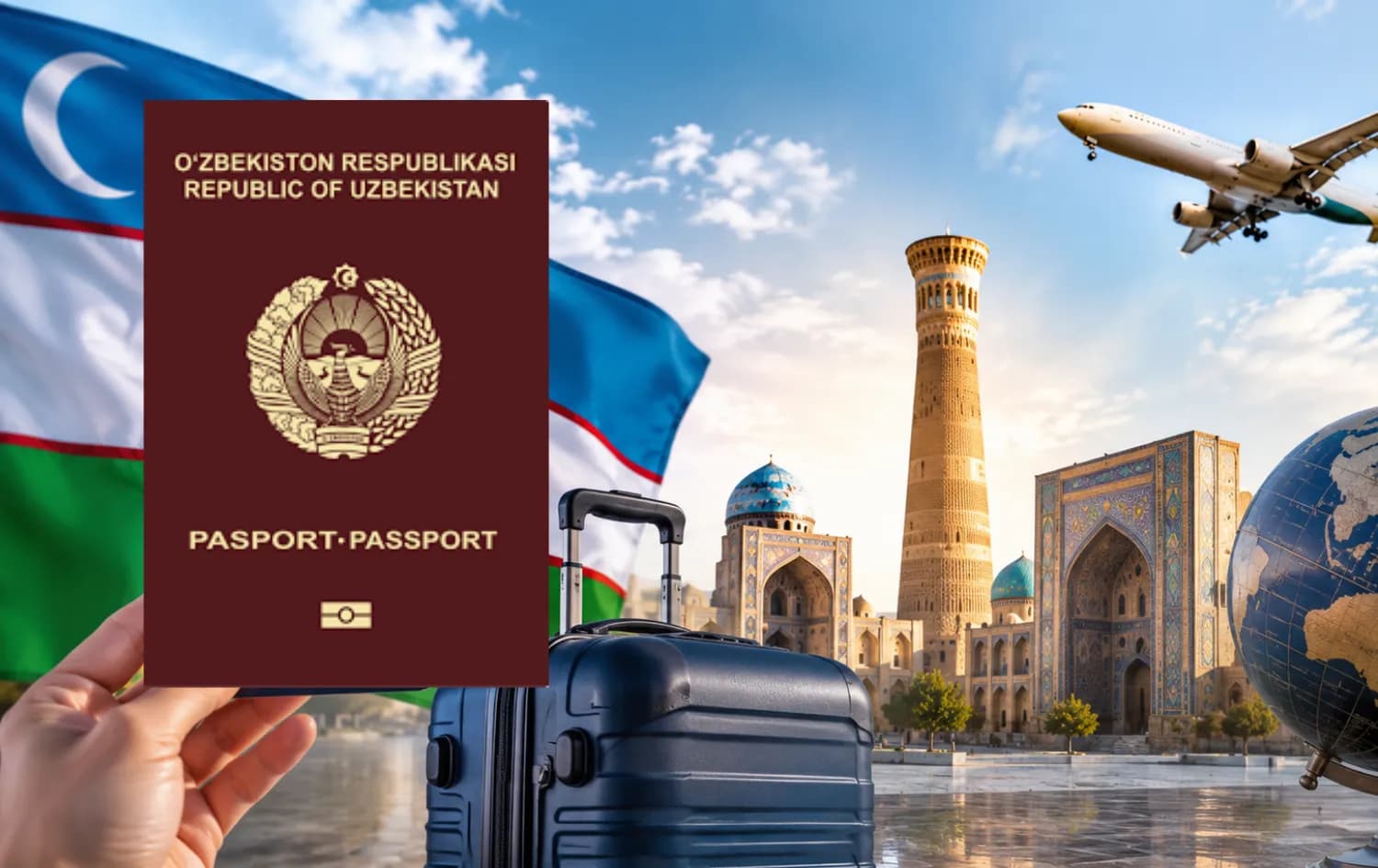
Uzbekistan has announced an ambitious initiative to significantly expand international travel opportunities for its citizens as part of the country’s long-term development agenda. Included in the updated Uzbekistan 2030 Strategy, the plan seeks to increase the number of countries accessible to Uzbek citizens without a visa, while also improving access to simplified visa procedures and modernizing consular services through digital technologies.
The initiative reflects Uzbekistan’s broader efforts to strengthen international cooperation, facilitate global mobility, and create new opportunities for tourism, education, business, and cultural exchange. By reducing travel barriers, authorities aim to make international travel more accessible and convenient for citizens over the coming years.
Expanding Visa-Free Travel Opportunities
Currently, citizens of Uzbekistan can travel to 34 countries without obtaining a visa. Under the new strategy, this number is expected to gradually increase over the remainder of the decade, reaching 50 countries by 2030.
The government has outlined a phased approach to achieving this goal. The number of visa-free destinations is expected to rise to 36 in 2026, 38 in 2027, 42 in 2028, and 46 in 2029 before reaching the final target of 50 countries in 2030.
This expansion is expected to provide Uzbek travelers with greater flexibility and more affordable travel options, while also strengthening people-to-people connections with partner nations across different regions of the world.
Improving Access Through Simplified Visa Regimes
Alongside visa-free travel agreements, Uzbekistan is working to expand access to countries offering simplified visa procedures. At present, Uzbek citizens benefit from simplified entry requirements in 42 countries.
According to strategic targets, this number is expected to increase to 60 countries by 2030. Simplified visa arrangements can significantly reduce administrative requirements, shorten processing times, and make international travel easier for tourists, students, entrepreneurs, and professionals.
The initiative demonstrates the government’s commitment to creating practical mechanisms that improve mobility even where full visa-free agreements are not yet in place.
Digital Transformation of Consular Services
A key component of the Uzbekistan 2030 Strategy is the modernization of consular services through digital transformation. Authorities plan to introduce and expand online platforms that will allow citizens to access consular assistance and related services more efficiently.
The number of users of the planned mobile consular platform is projected to grow from approximately 8,500 users in 2025 to 60,000 users by 2030. The digitalization effort is expected to improve service quality, reduce processing times, and provide more convenient access to information and support for Uzbek citizens living, studying, working, or traveling abroad.
These measures form part of a broader government effort to modernize public services and strengthen engagement with citizens beyond the country’s borders.
Conclusion
The expansion of visa-free travel, the growth of simplified visa regimes, and the digital modernization of consular services represent important elements of Uzbekistan’s long-term development strategy. If implemented as planned, these measures could substantially increase international mobility for Uzbek citizens, support tourism and business activity, and strengthen the country’s integration into the global community. The initiative highlights Uzbekistan’s commitment to creating new opportunities for its citizens while enhancing international partnerships and modernizing public services for the future.
Zulya Atabayeva
Contributing writer at EUReflect.
Follow EUReflect
See more of our reporting on Google
Mark EUReflect as a preferred source and our stories are ranked higher for you in Top Stories, Discover and Google News — and carry a “preferred” badge when they are cited in AI results.
Add EUReflect as a preferred source