37 Minutes to Europe: How the Middle Corridor is Reshaping Global Trade in 2026
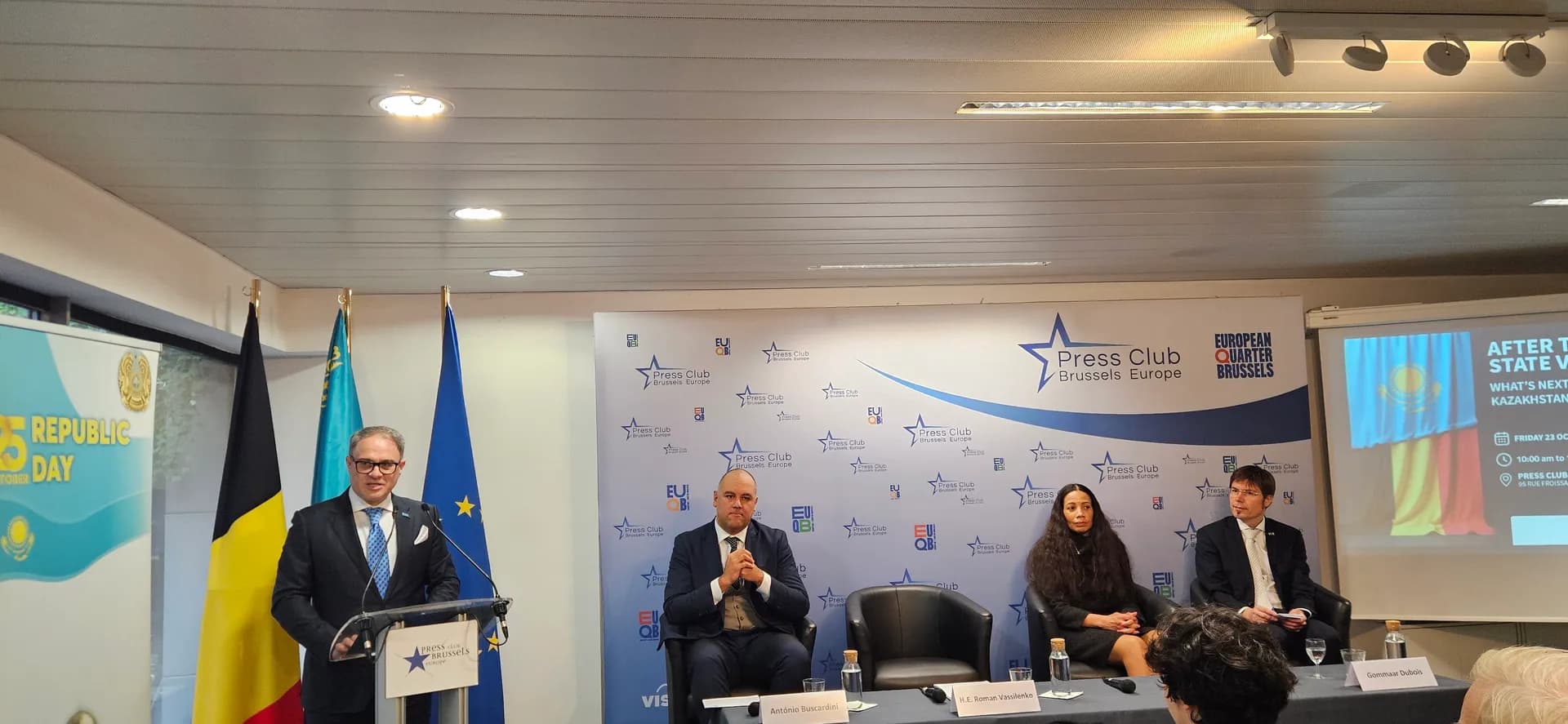
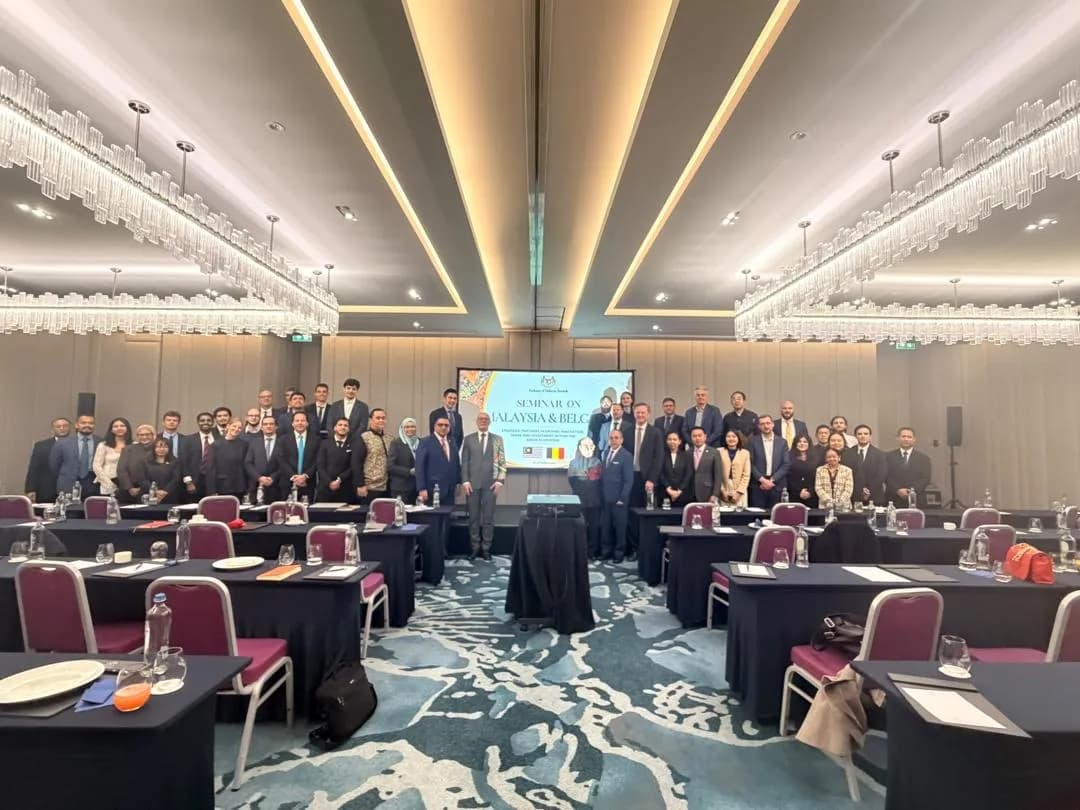
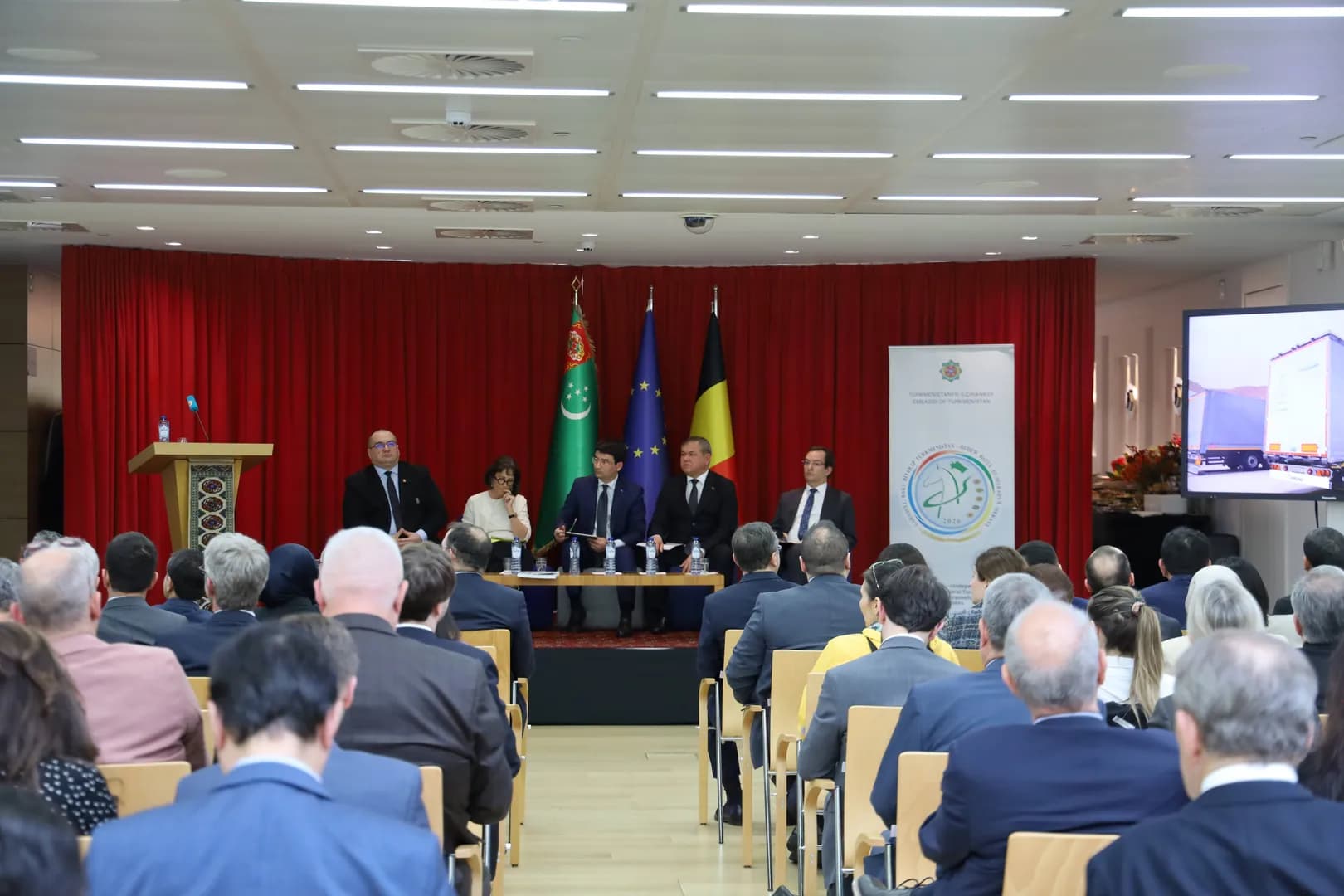
As geopolitical earthquakes continue to destabilize traditional maritime and northern trade routes, a centuries-old logic is re-emerging with 21st-century precision. The Middle Corridor—formally the Trans-Caspian International Transport Route (TITR) - has officially moved from a diplomatic talking point to a critical artery for global value chains. Gathered in Brussels on Friday, April 17, for a high-level briefing on Turkmenistan’s growing role as a reliable transit and logistics hub, diplomats and trade experts from across the corridor sent a definitive message: the map of global trade is being redrawn. Featuring representatives from the European Union, Turkmenistan, and the South Caucasus, the seminar underscored a fundamental shift in the region's identity. Central Asia is no longer a "land-locked" periphery; it has become a "land-linked" core.
The Digital Sprint: Beyond Asphalt and Steel
While massive infrastructure projects often dominate the headlines, the most significant breakthrough discussed was "soft infrastructure." A representative from Turkmenistan’s State Customs Service revealed a startling statistic: the average time for border procedures at Turkmenistan’s crossing points has dropped to just 37 minutes.
"We have transitioned from paper-based processing to a fully electronic document system," the official stated. "In the last five years, transit efficiency has more than doubled. In 2025 alone, 7 million tons of cargo crossed our territory—and that is excluding pipeline exports."
This digital transformation is part of a broader push to align with WTO standards. By implementing "Single Window" systems and harmonizing transit documents across the "C5" (the five Central Asian nations), the region aims to offer a seamless "digital bridge" between China and the European Union.
The €18 Billion Ambition
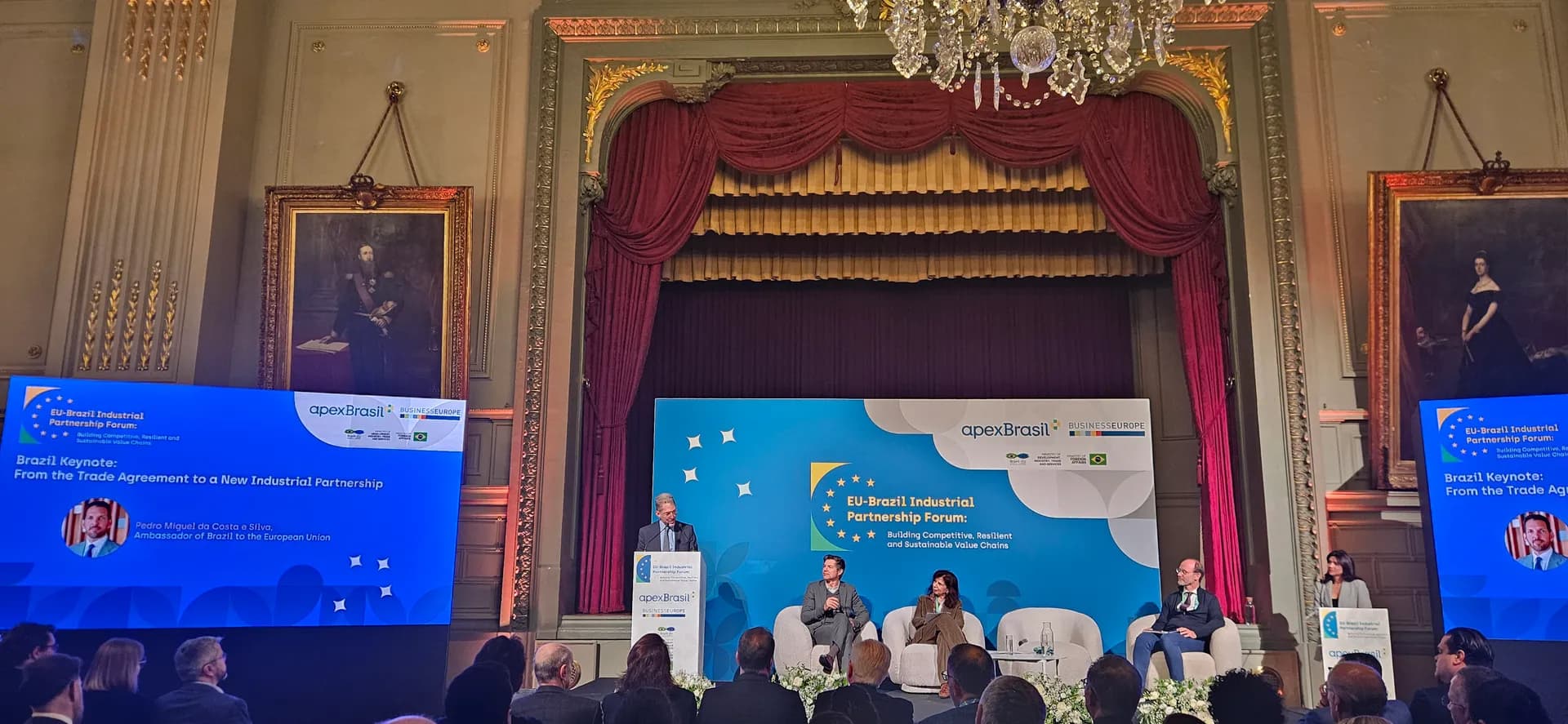
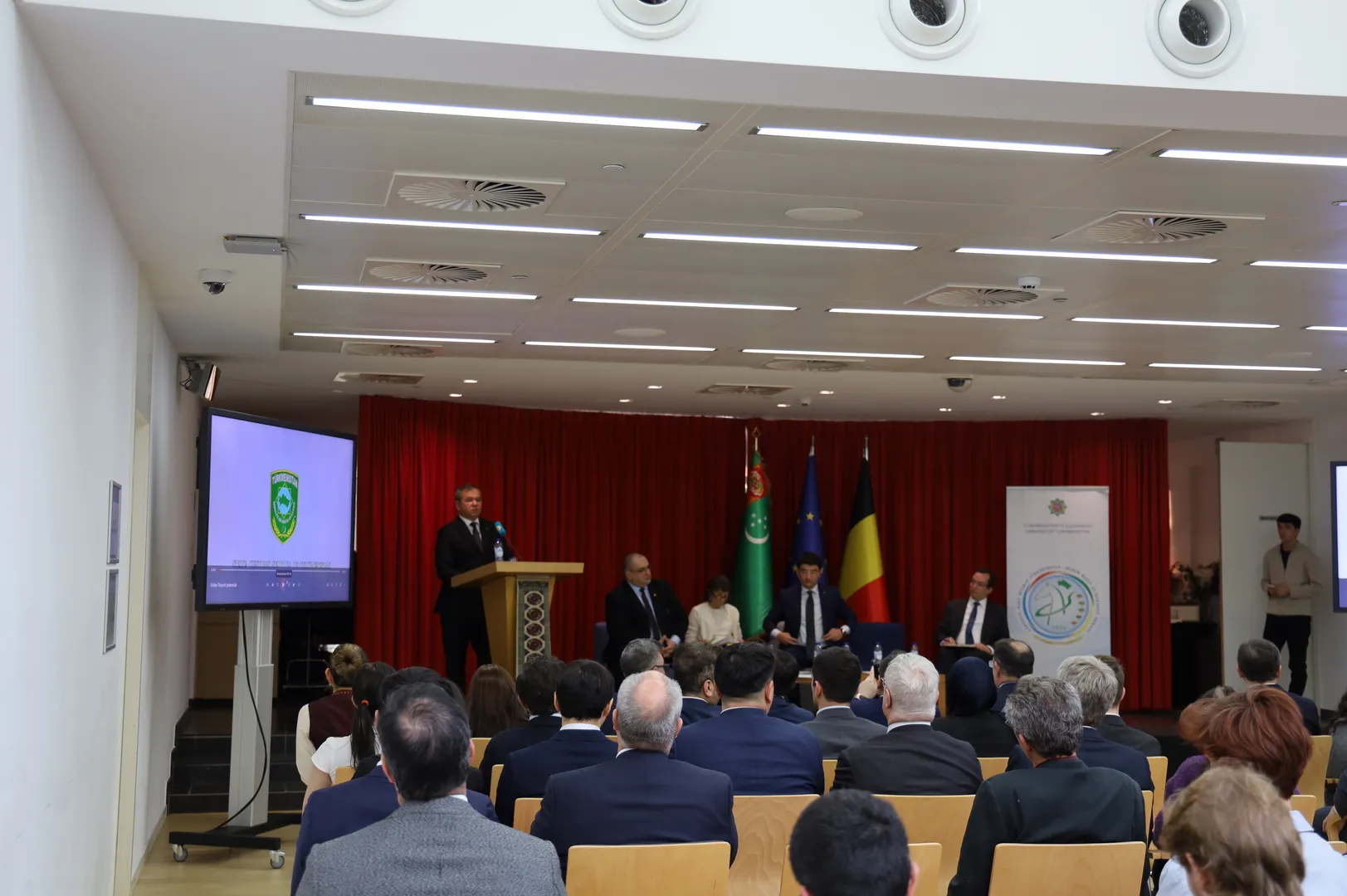
Charlotte Adrian, representing the European Commission’s DG INTPA, underscored the EU’s commitment through its Global Gateway strategy. The scale of the ambition is staggering: a study identified 40 priority projects requiring an estimated €18.5 billion in investment. To date, approximately €10 billion has been pledged or committed by the EU and international development banks (EIB, EBRD).
The "Southern Branch": while the northern route via Kazakhstan remains vital, the "Southern Branch" through Turkmenistan is gaining strategic weight, offering a direct link to the Turkmenbashi International Seaport.
Adrian also noted that while the will is there, "hard" infrastructure like rail networks and port expansions take time. Environmental assessments and social governance (ESG) standards remain non-negotiable for European investment.
Geopolitical Depth: Stability Amidst the Storm
The forum didn't shy away from the "elephant in the room": security. With the Middle East facing ongoing escalation and the Northern Corridor largely closed due to the war in Ukraine, the Middle Corridor is currently the only stable alternative.
However, international security specialists raised a critical concern regarding the trade imbalance. Currently, cargo flows are heavily one-sided:
East to West: Trains and trucks are 100% full.
West to East: Return loads hover between 25% and 30%.
For the corridor to be economically viable, Central Asia must evolve from a transit zone into a manufacturing hub that exports its own goods back to Asia and Europe.
The Rise of the "C5"
A recurring theme was the "institutionalization" of Central Asia. The region is moving away from the "C5+1" format (where they meet with a great power) toward a "C5" consultative format where the five nations solve internal issues independently.
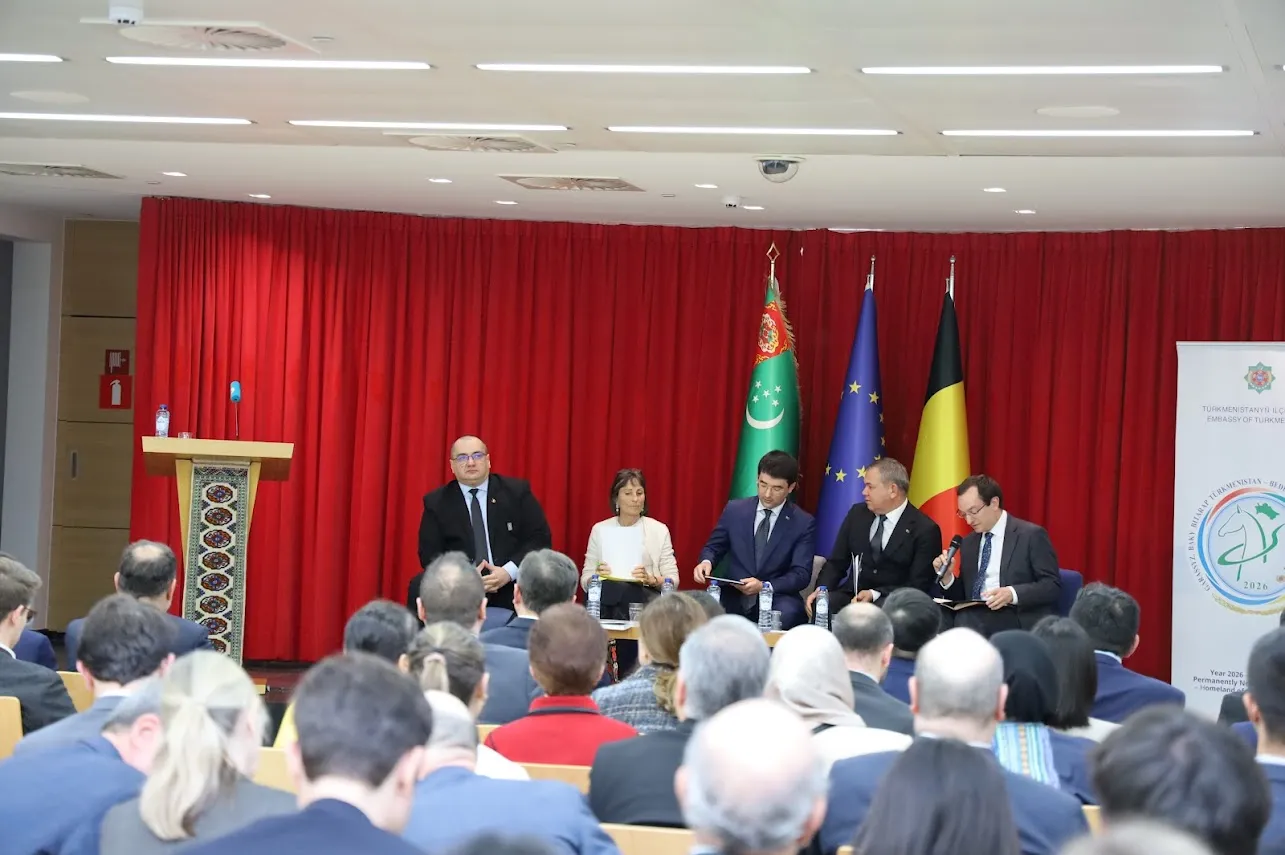
Christian Terheș, MEP, highlighted the potential for energy integration:
"We are looking at a holistic region. There is ongoing work on a green energy cable under the Black Sea to connect Georgia, Romania, and Hungary. Turkmenistan and other Central Asian states could eventually plug into this grid, exporting green electricity directly to the heart of Europe."
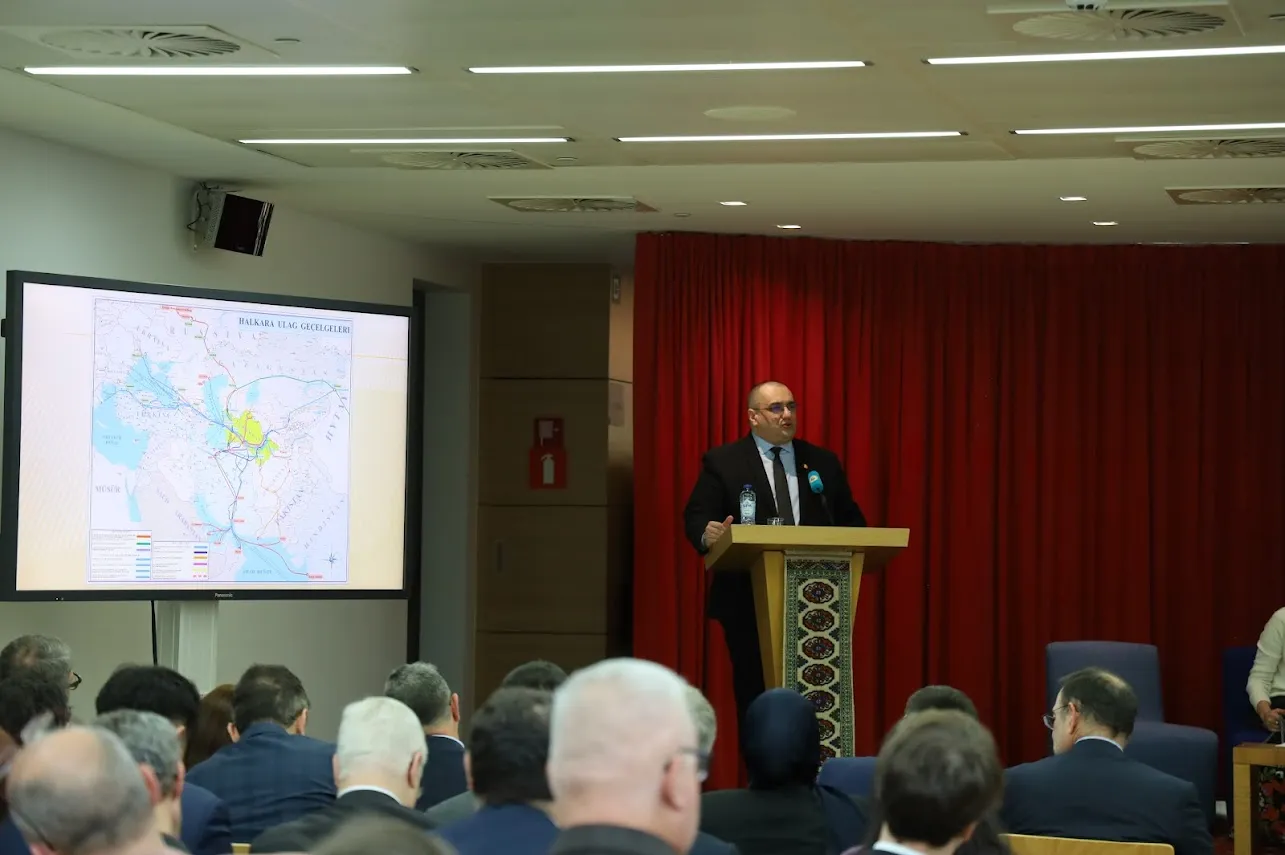
The Middle Corridor is no longer a "Plan B." It is a multi-billion euro bet on a more resilient, digitalized, and integrated global economy. As one diplomat noted, "Modern connectivity is built on three pillars: Reliability, Efficiency, and Partnership." In 2026, the Middle Corridor appears to finally have all three.
Olha Horina
Contributing writer at EUReflect.
Follow EUReflect
See more of our reporting on Google
Mark EUReflect as a preferred source and our stories are ranked higher for you in Top Stories, Discover and Google News — and carry a “preferred” badge when they are cited in AI results.
Add EUReflect as a preferred source