A Gateway to the Silk Road: Reflections on the 2026 Uzbekistan Tourism Summit
Just three days ago, on April 17, 2026, the Embassy of Uzbekistan opened its doors for a strategic briefing titled "Uzbekistan Tourism: Authentic Cities and Global Investment Opportunities." The event provided a vivid window into a nation rapidly positioning itself as the crown jewel of Central Asian travel. The atmosphere at the Embassy was defined by refined hospitality, providing a fitting backdrop for a country legendary for its warmth, and a look at the key takeaways from an afternoon spent exploring the future of the Silk Road.
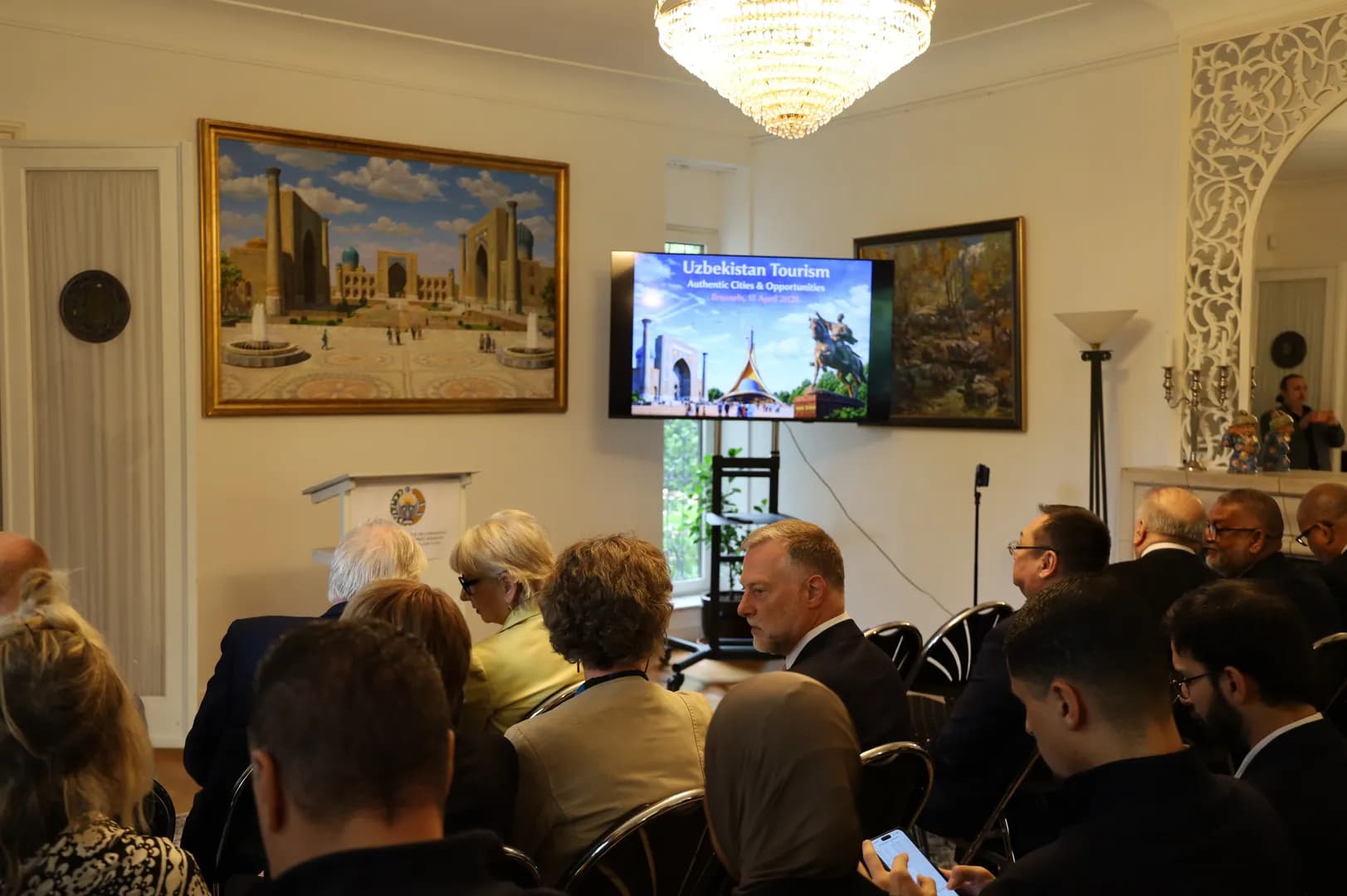
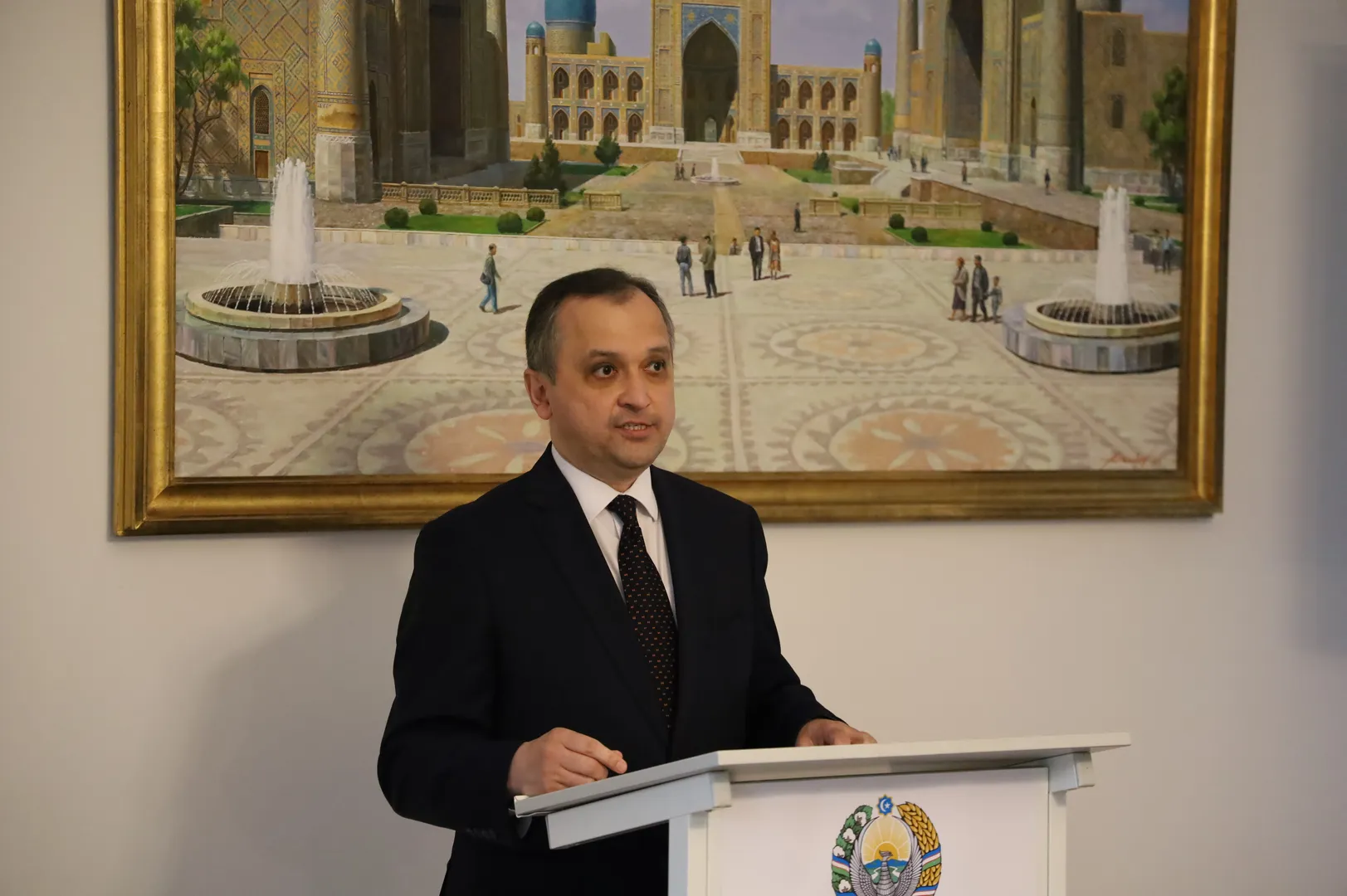
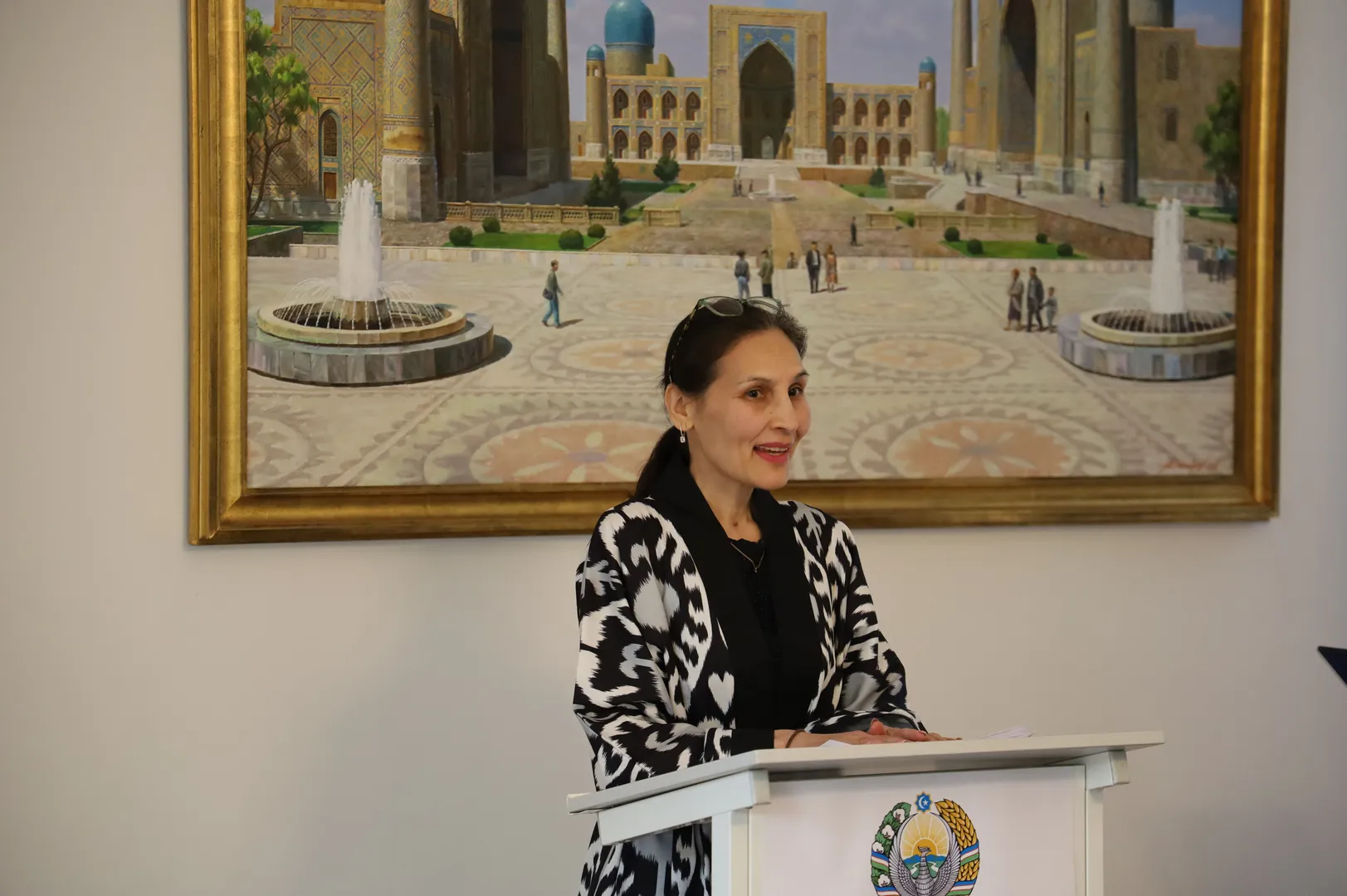
The centerpiece of the afternoon was a deep-dive presentation by Ms. Shoira Jabbarova, who mapped out the explosive potential of Uzbekistan’s tourism sector. Her insights went beyond typical travel brochures, inviting investors to view the country through a multifaceted lens of infrastructure and heritage. The presentation discussed Uzbekistan’s "Authentic Cities"—Samarkand, Bukhara, and Khiva. To any historian or traveler, these names evoke images of shimmering turquoise domes and intricate tilework. However, the briefing made it clear that these are not mere museum pieces but living, breathing cultural hubs currently undergoing meticulous preservation while their infrastructure is upgraded to meet 21st-century global standards.
Beyond the aesthetics of the Silk Road, the summit was focused on global investment opportunities. The Uzbek tourism sector has entered a "Goldilocks" zone, having moved past the volatile early stages of opening up and now entering a period of sophisticated, sustainable growth. The primary investment pillars currently driving the nation forward include the massive expansion of the Afrosiyob high-speed rail links and the modernization of regional airports to increase connectivity. There is also a surging demand for boutique hospitality and high-end accommodations that reflect local architectural heritage, as well as a new push to leverage diverse geographies beyond the urban centers, such as the rugged Nuratau Mountains and the ecological frontier of the Aral Sea region.
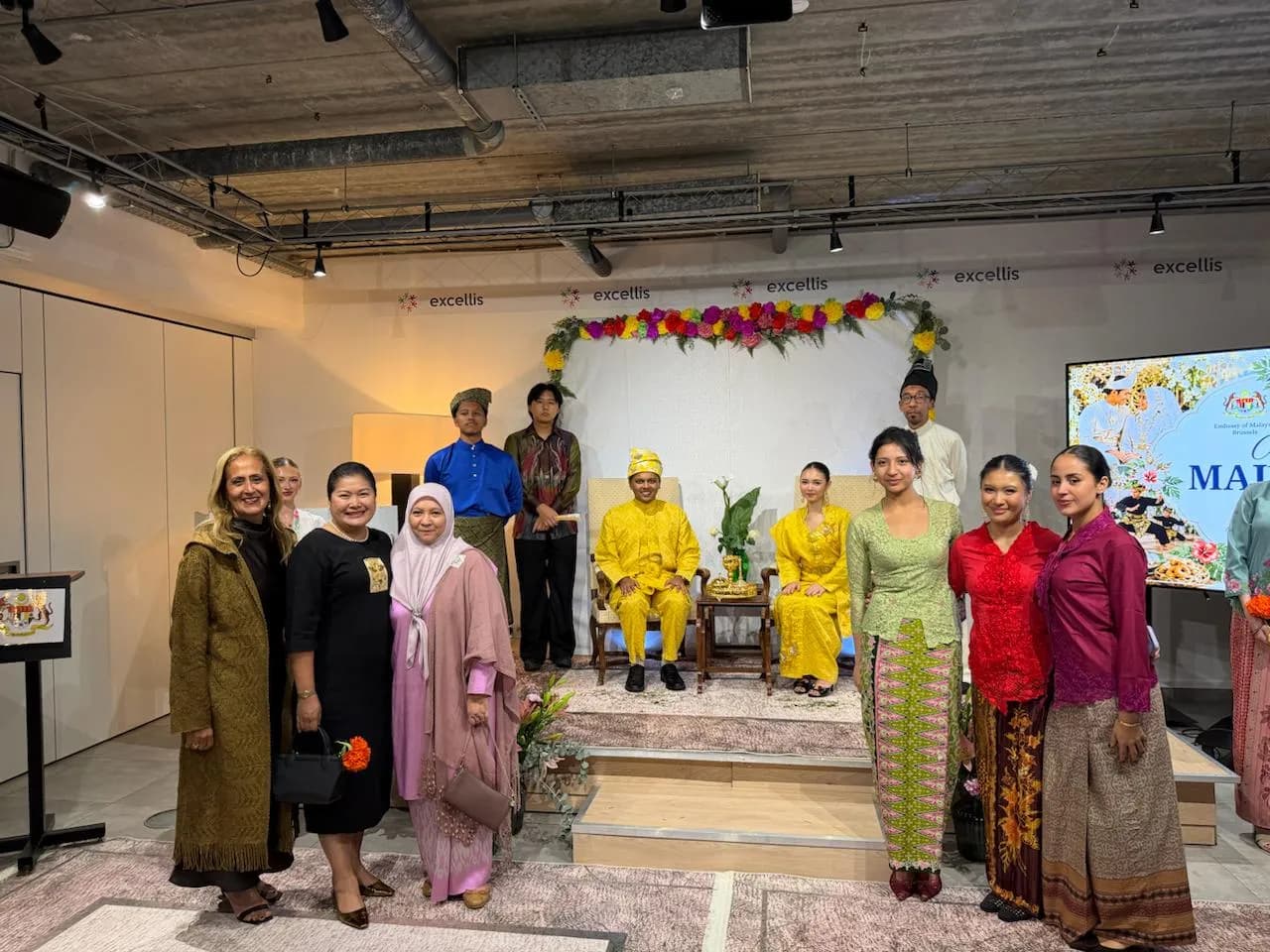
As was emphasized during the session, Uzbekistan is no longer a hidden gem but an intended destination. The government is inviting the world not just to visit, but to build the future of Central Asian hospitality alongside them. What made this briefing particularly striking was its masterful balance of soft power and hard data. Between clips of vibrant textiles and a stunning fashion show featuring handmade embroidered Chapan and Atlas silks, the Embassy provided concrete figures on the continued easing of visa regulations and aggressive tax incentives for foreign investors.

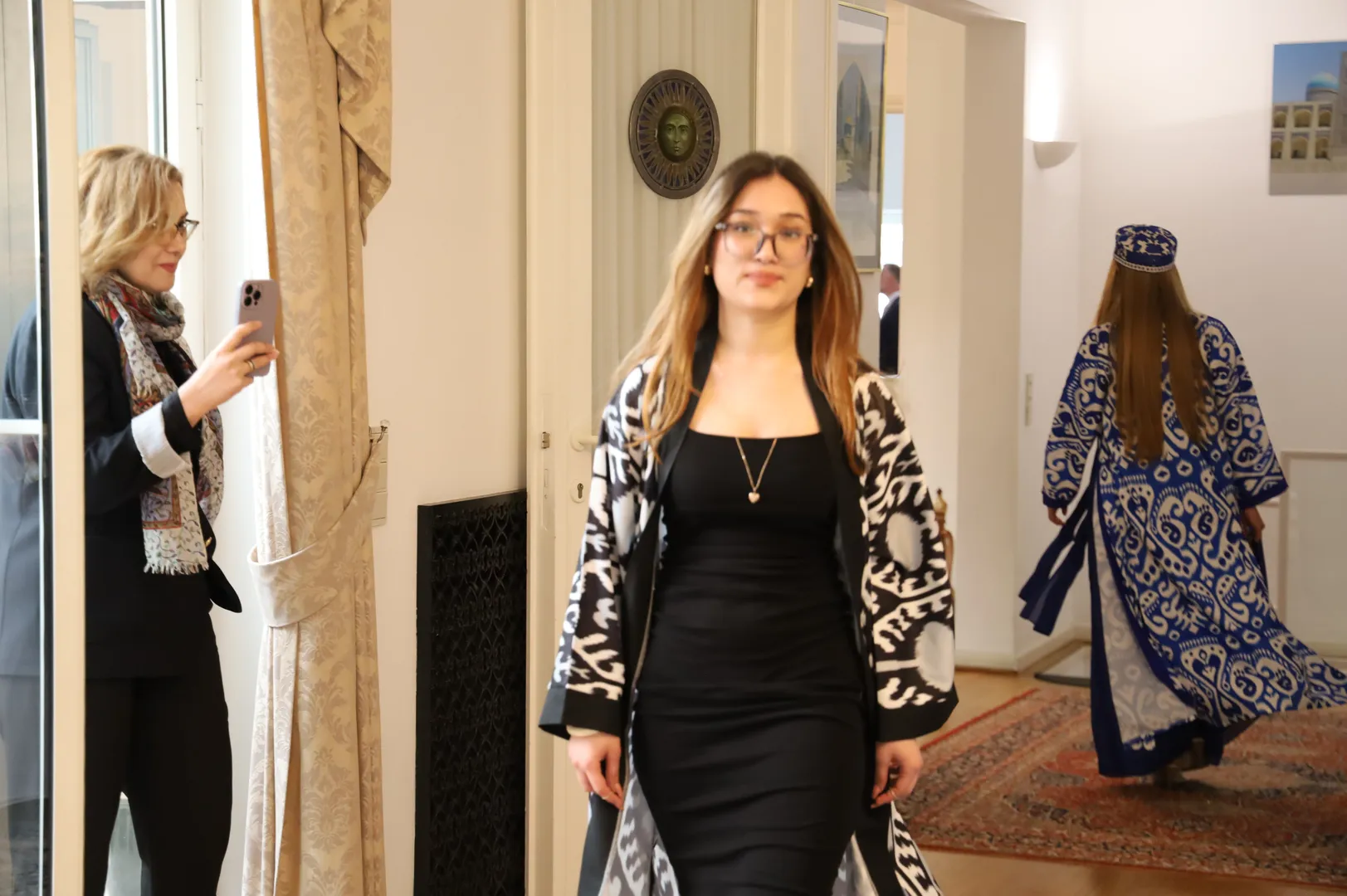
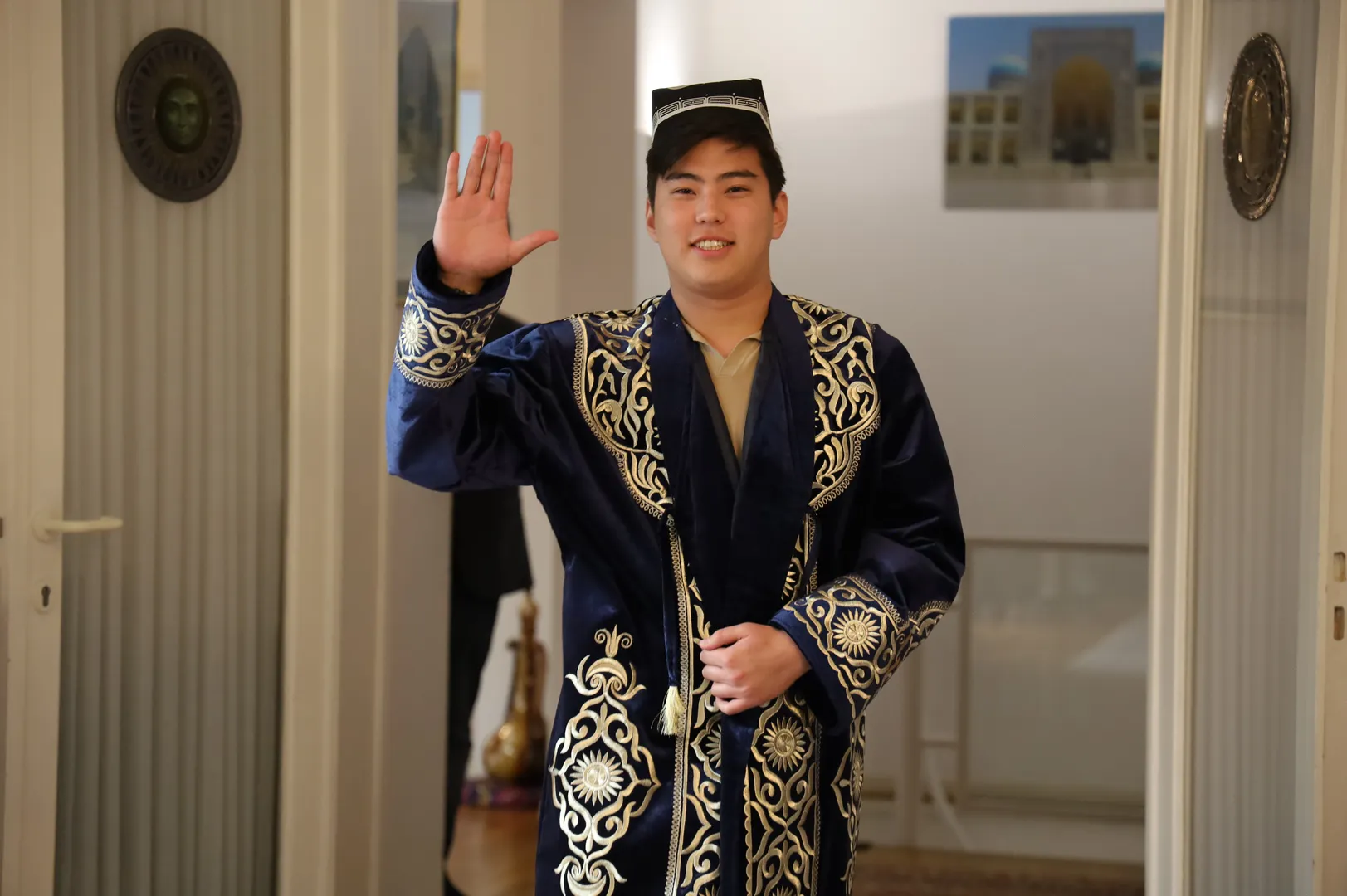
For those in attendance, it was a poignant reminder that tourism is often the first handshake in a long-term diplomatic and economic relationship. The scent of traditional food and the sight of centuries-old craftsmanship served as a visceral proof of concept for the nation's branding. Inside the Embassy, the air felt thick with both the storied history of the Timurid Empire and the ambition of a modernizing state. If the 2026 outlook is any indication, the road to Uzbekistan is paved with ancient stones but powered by new opportunities. Whether you are a traveler seeking a soul-stirring journey or an investor scouting the next major emerging market, Uzbekistan is making a very loud, very elegant case for your attention.
Olha Horina
Contributing writer at EUReflect.
Follow EUReflect
See more of our reporting on Google
Mark EUReflect as a preferred source and our stories are ranked higher for you in Top Stories, Discover and Google News — and carry a “preferred” badge when they are cited in AI results.
Add EUReflect as a preferred source