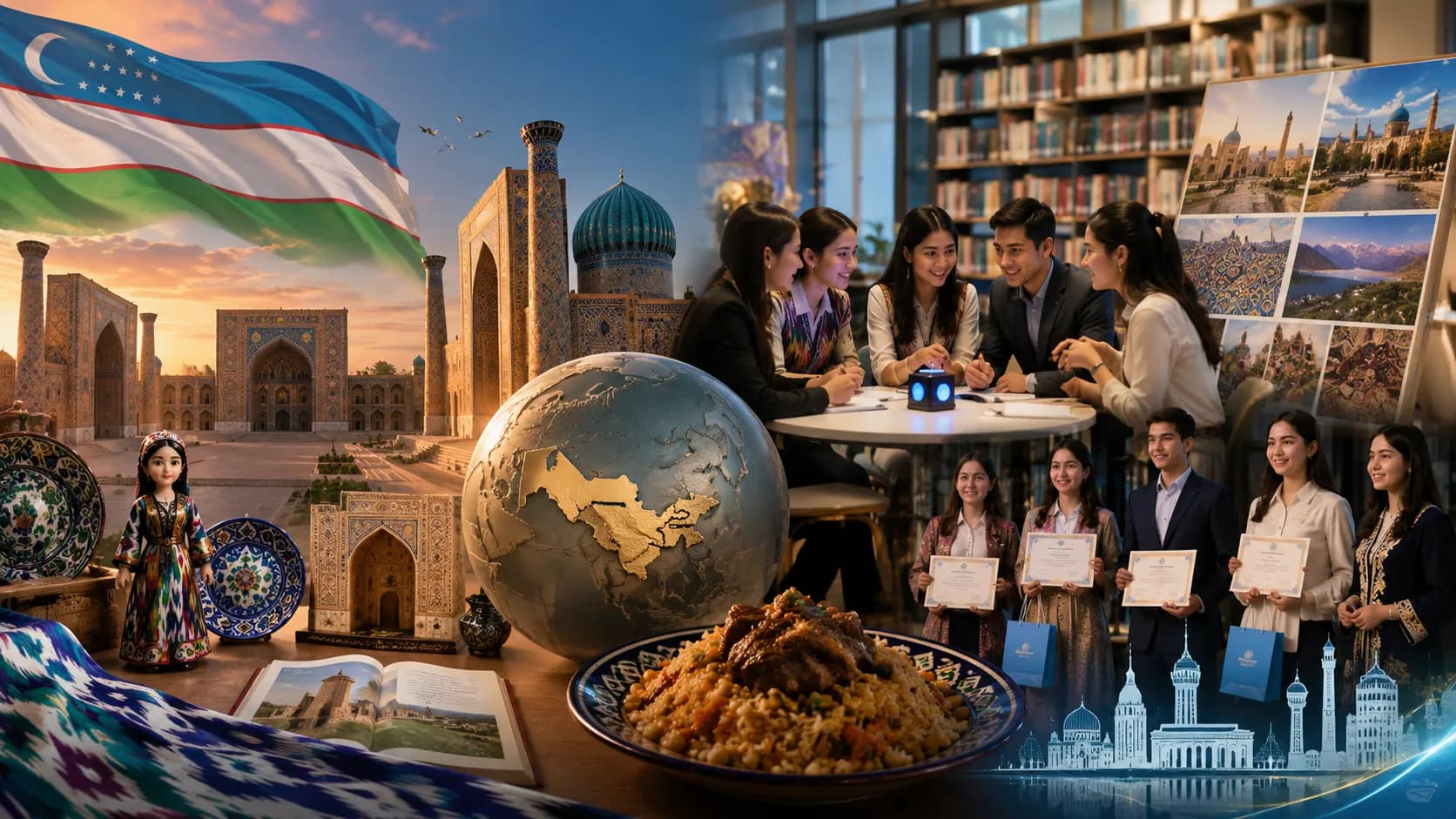
Academic Study on Turkic-Mongol Historical Unity
Scholars from Tashkent State University of Oriental Studies continue their research in Mongolia. At the Genghis Khan Museum, they study Turkic-Mongol shared history, ancient inscriptions, and new archaeological findings, aiming to reveal the common cultural heritage of Central Asia.
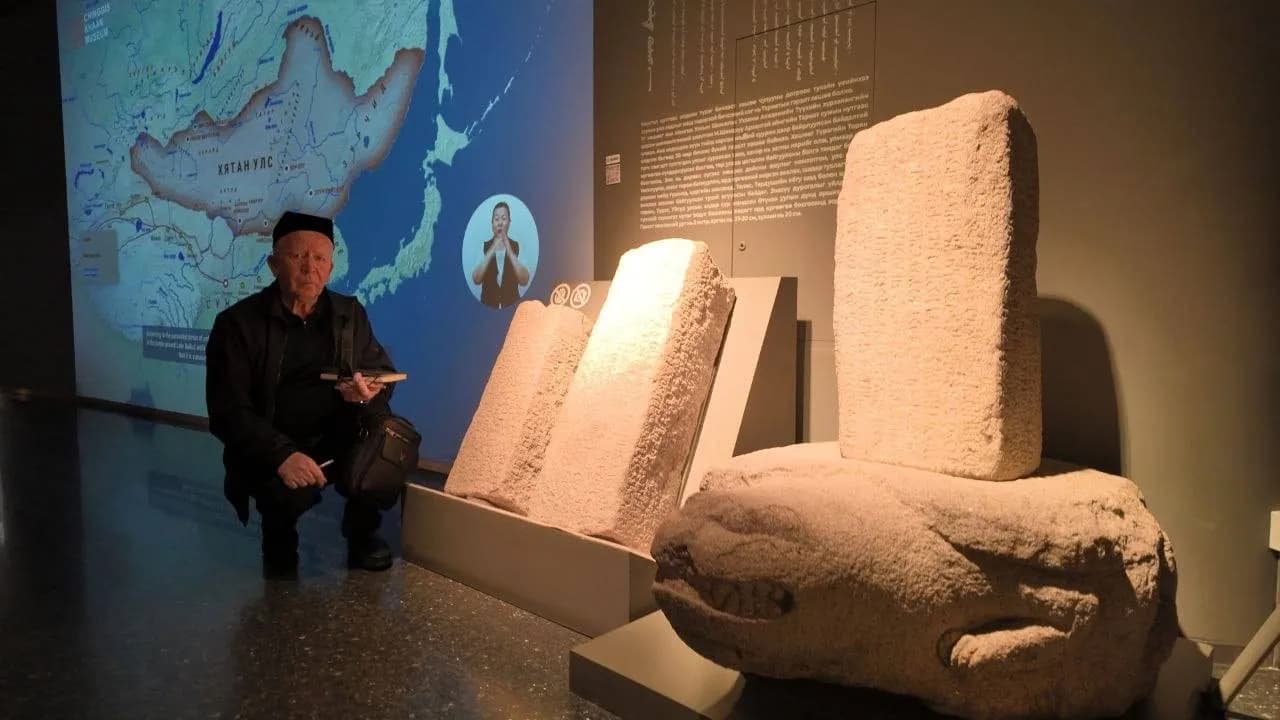
The scientific research expedition of scholars from Tashkent State University of Oriental Studies in Mongolia continues, and the work is increasingly highlighting not only academic findings but also the historical unity and shared cultural heritage of Turkic and Central Asian peoples.
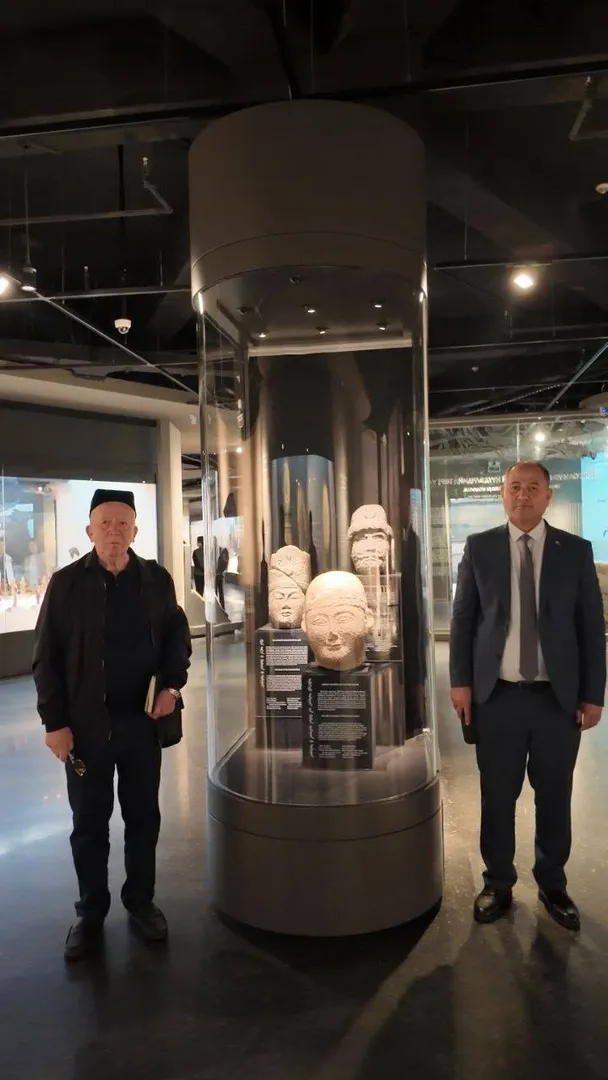
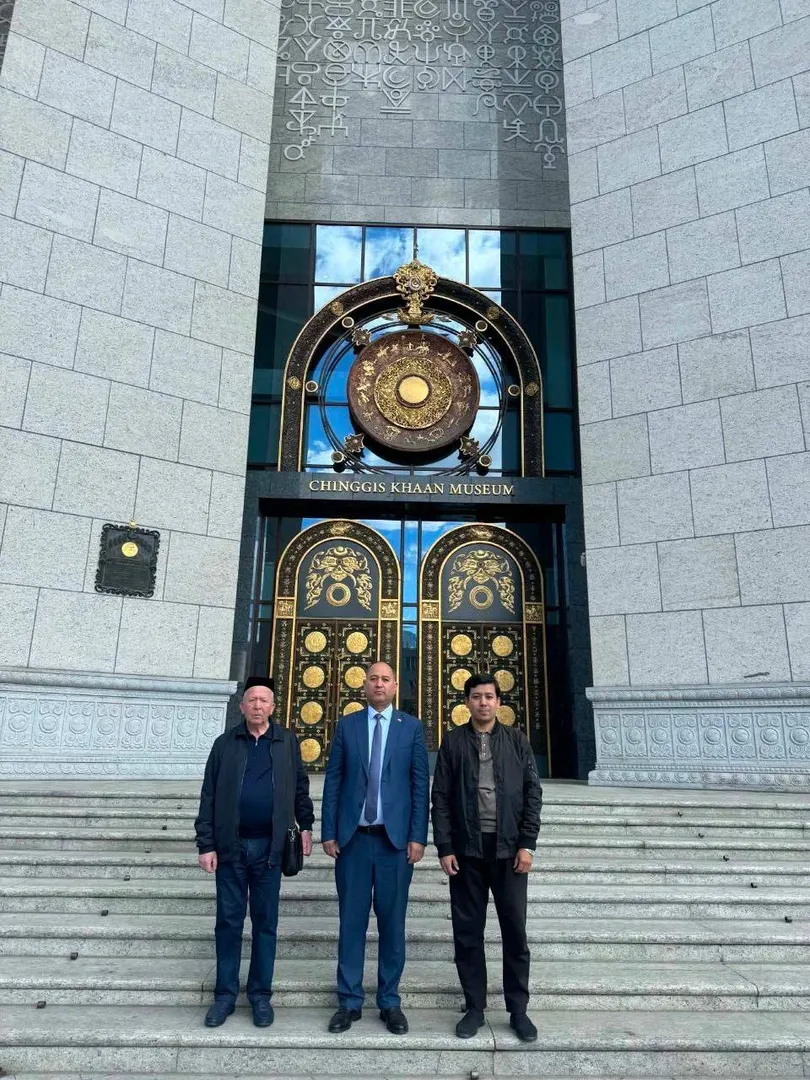
Today, the delegation visited the Genghis Khan Museum, where they examined written and material sources that hold significant importance in the historical memory of the region. The research focuses not only on Mongolian history but also on the shared state traditions, cultural interactions, and linguistic traces that have been shaped across the Eurasian steppe for centuries.
Experts emphasize that the historical interactions between Turkic and Mongol peoples—through migration movements, political alliances, and cultural exchanges—form a continuous historical framework that is highly relevant for contemporary academic studies. In this context, the research aims to demonstrate that the civilizations of Central Asia were not isolated entities but deeply interconnected structures.
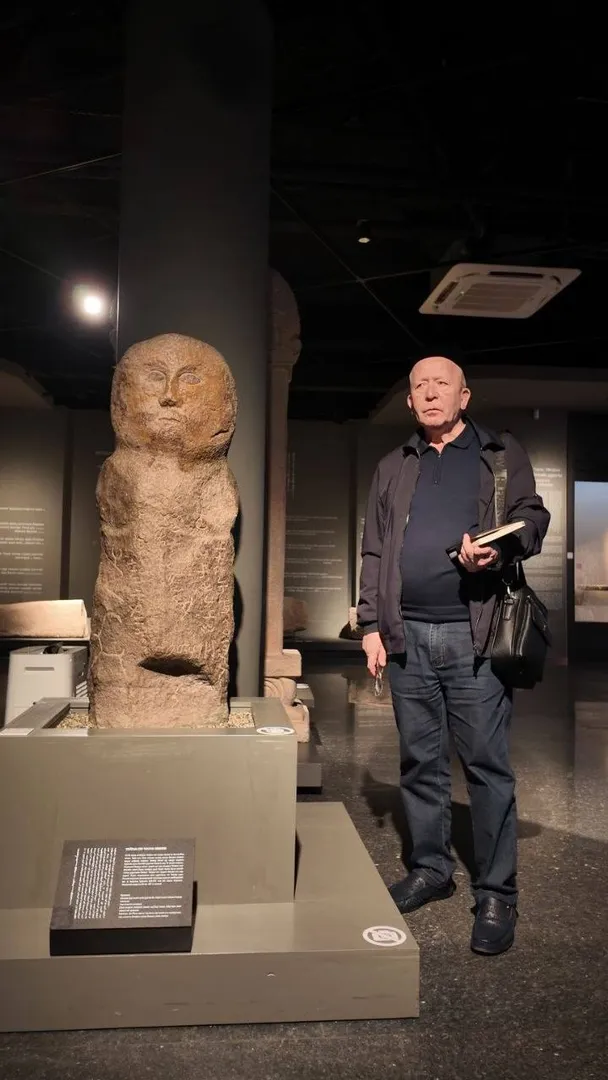
During the fieldwork, previously unstudied inscriptions and newly discovered archaeological findings from the last 20 years in Mongolia were carefully analyzed. These materials are considered crucial for understanding the ancient Turkic writing tradition, the origins of language development, and the shared cultural codes of the region.
The academic team notes that the collected data will contribute not only to linguistic and historical studies but also to a broader understanding of how historical identities in Central Asia were formed. The research is expected to provide a more systematic framework for analyzing the historical ties between the Turkic world and Mongolia.
According to experts, such field studies are of great importance in unifying fragmented historical narratives of Central Asia and building a more holistic perspective on the region’s shared past.
Mirzojon Kalandarov
Contributing writer at EUReflect.
Follow EUReflect
See more of our reporting on Google
Mark EUReflect as a preferred source and our stories are ranked higher for you in Top Stories, Discover and Google News — and carry a “preferred” badge when they are cited in AI results.
Add EUReflect as a preferred source