interview
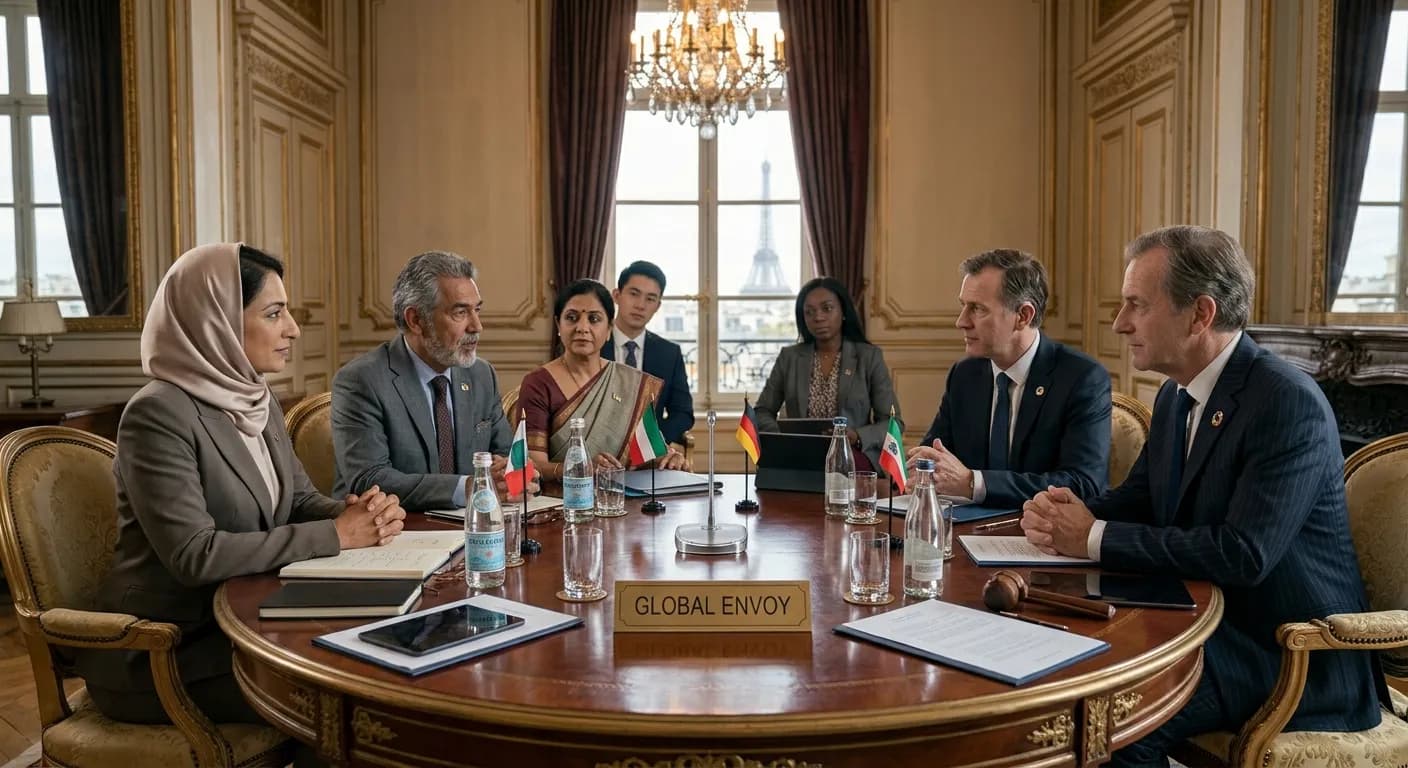
Business Diplomat: What Should Decide Member Selection?
This interview is conducted with Professor Jabborov Hazrat Husenovich, Professor at Tashkent State University of Oriental Studies and Doctor of Psychological Sciences (DSc).
Author
writer · EUReflect
Contributing writer at EUReflect.
interview
This interview is conducted with Professor Jabborov Hazrat Husenovich, Professor at Tashkent State University of Oriental Studies and Doctor of Psychological Sciences (DSc).
interview
This interview is conducted with Professor Jabborov Hazrat Husenovich, Professor at Tashkent State University of Oriental Studies and Doctor of Psychological Sciences (DSc).
interview
This interview is conducted with Professor Jabborov Hazrat Husenovich, Professor at Tashkent State University of Oriental Studies and Doctor of Psychological Sciences (DSc).
interview
This interview is conducted with Professor Jabborov Hazrat Husenovich, Professor at Tashkent State University of Oriental Studies and Doctor of Psychological Sciences (DSc).
interview
This interview is conducted with Professor Jabborov Hazrat Husenovich, Professor at Tashkent State University of Oriental Studies and Doctor of Psychological Sciences (DSc).

conferences events festivals
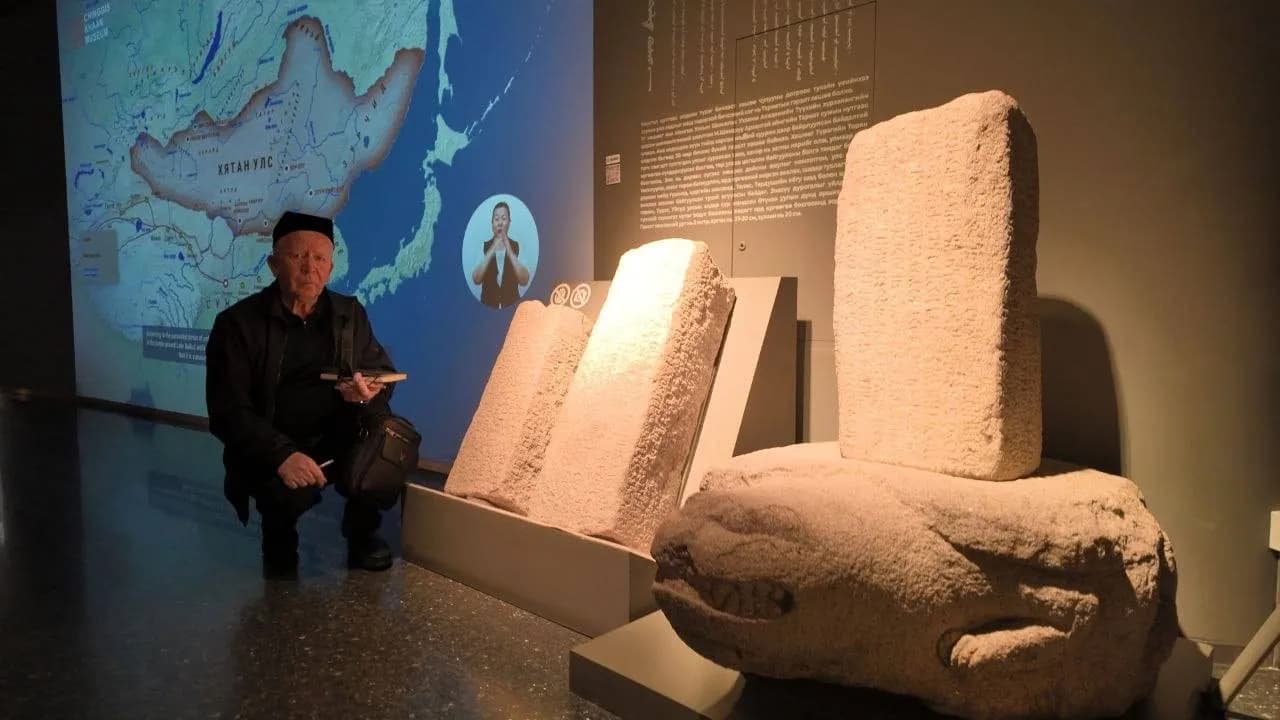
Scholars from Tashkent State University of Oriental Studies continue their research in Mongolia. At the Genghis Khan Museum, they study Turkic-Mongol shared history, ancient inscriptions, and new archaeological findings, aiming to reveal the common cultural heritage of Central Asia.
interview
High-level diplomatic interpretation constitutes a strategic practice that extends beyond linguistic transfer. Cultural knowledge, political awareness, and interpretive judgment shape leader-level communication and diplomatic outcomes.
interview
This study examines the historical and structural factors underlying the prominent role of philology graduates from the Tashkent State University of Oriental Studies in Uzbekistan’s state and bureaucratic institutions. It argues that linguistic and cultural expertise—particularly in Persian and Arabic—has functioned as strategic capital in governance, diplomacy, and security from the late imperial and Soviet periods to the present. By tracing the evolution of philological education from its origins in Central Asia’s higher education system to its role in elite formation, the study demonstrates how language proficiency has contributed to effective political communication, policy formulation, and international engagement. The findings highlight the enduring significance of philological training in shaping Uzbekistan’s political and administrative elites.