Philology in Uzbek Diplomatic Tradition
This study examines the historical and structural factors underlying the prominent role of philology graduates from the Tashkent State University of Oriental Studies in Uzbekistan’s state and bureaucratic institutions. It argues that linguistic and cultural expertise—particularly in Persian and Arabic—has functioned as strategic capital in governance, diplomacy, and security from the late imperial and Soviet periods to the present. By tracing the evolution of philological education from its origins in Central Asia’s higher education system to its role in elite formation, the study demonstrates how language proficiency has contributed to effective political communication, policy formulation, and international engagement. The findings highlight the enduring significance of philological training in shaping Uzbekistan’s political and administrative elites.
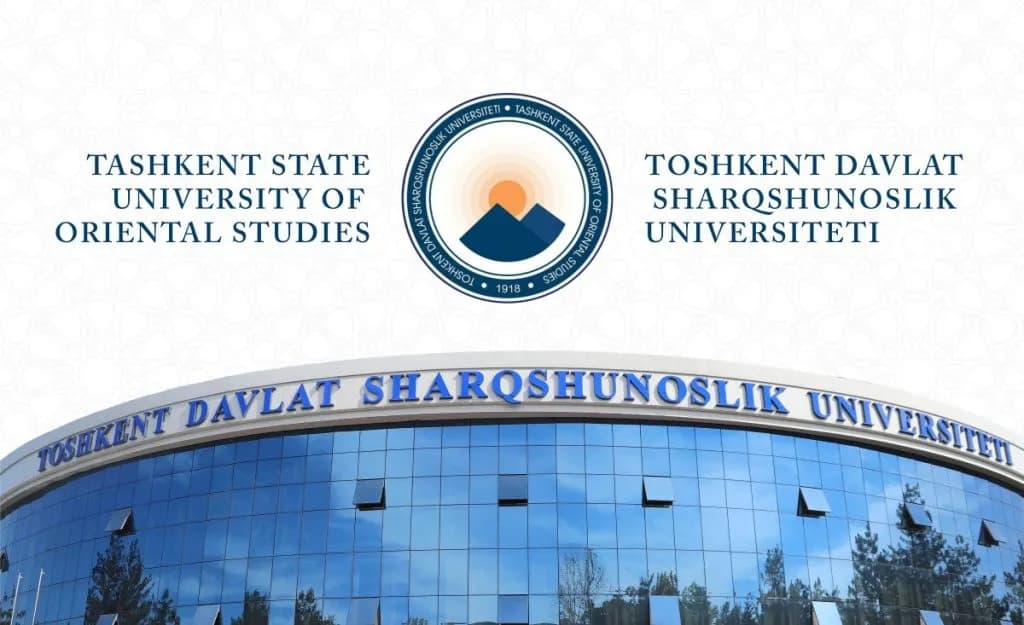
The prominent presence of graduates from the Faculty of Philology at the Tashkent State University of Oriental Studies (Sharqshunoslik) within state institutions and senior bureaucratic structures in Uzbekistan represents a phenomenon grounded in historical and structural factors. This pattern is closely linked to the formation of higher education traditions in Central Asia and to the region’s multilayered linguistic and cultural heritage.
During the period of the Russian Empire’s expansion into Central Asia, efforts to establish modern universities—albeit limited—were undertaken, and the earliest academic units within these institutions focused on Persian and Arabic studies. This orientation was not coincidental; rather, it reflected the region’s historical governance practices, its long-standing engagement with Islamic civilization, and the administrative and cultural legacy inherited from the khanates. A comprehensive understanding and effective governance of Central Asia necessitated profound knowledge of these two languages, which had long functioned as key vehicles of administration, scholarship, and religious life.
Within this framework, philology departments evolved beyond institutions devoted solely to language instruction and became centers for the cultivation of a modern intellectual elite in the region. Over time, the growing number of diplomats and specialists with advanced foreign language competencies contributed significantly to Uzbekistan’s enhanced international visibility and representation. Professionals proficient in Persian and Arabic were trained as experts capable of engaging deeply with Central Asia’s historical memory, social fabric, and political dynamics.
In the domain of foreign policy and diplomacy in particular, these specialists occupied positions within the close advisory circles of senior political leaders and assumed critical roles in managing sensitive and complex international processes. Their contributions extended beyond translation activities; they actively informed decision-making by analyzing the psychological, historical, and sociopolitical dimensions that differentiate linguistic and cultural contexts. In high-level negotiations, such experts were often able to discern and interpret implicit messages or unarticulated concerns that eluded direct communication, thereby emerging as indispensable yet largely invisible actors of diplomacy.
The strategic significance of philological and linguistic expertise became even more pronounced during the Soviet Union’s Afghanistan policy in the 1980s. In the course of the intervention in Afghanistan, Uzbek specialists were extensively deployed as translators and advisors due to both their Muslim identity and their linguistic and cultural proximity to the region. In this context, these cadres demonstrated competence not only in academic domains but also in military and political spheres, which facilitated rapid advancement in their professional careers.
In conclusion, graduates of the Faculty of Philology at the Tashkent State University of Oriental Studies have systematically distinguished themselves in the fields of diplomacy, security, and politics. A substantial proportion of contemporary or recently retired senior political elites in Uzbekistan can be traced back to this academic background. This continuity underscores that linguistic and cultural expertise has retained its historical strategic importance within the structure of the Uzbek state and continues to play a decisive role in its governance and international engagement.
Mirzojon Kalandarov
Contributing writer at EUReflect.
Follow EUReflect
See more of our reporting on Google
Mark EUReflect as a preferred source and our stories are ranked higher for you in Top Stories, Discover and Google News — and carry a “preferred” badge when they are cited in AI results.
Add EUReflect as a preferred source