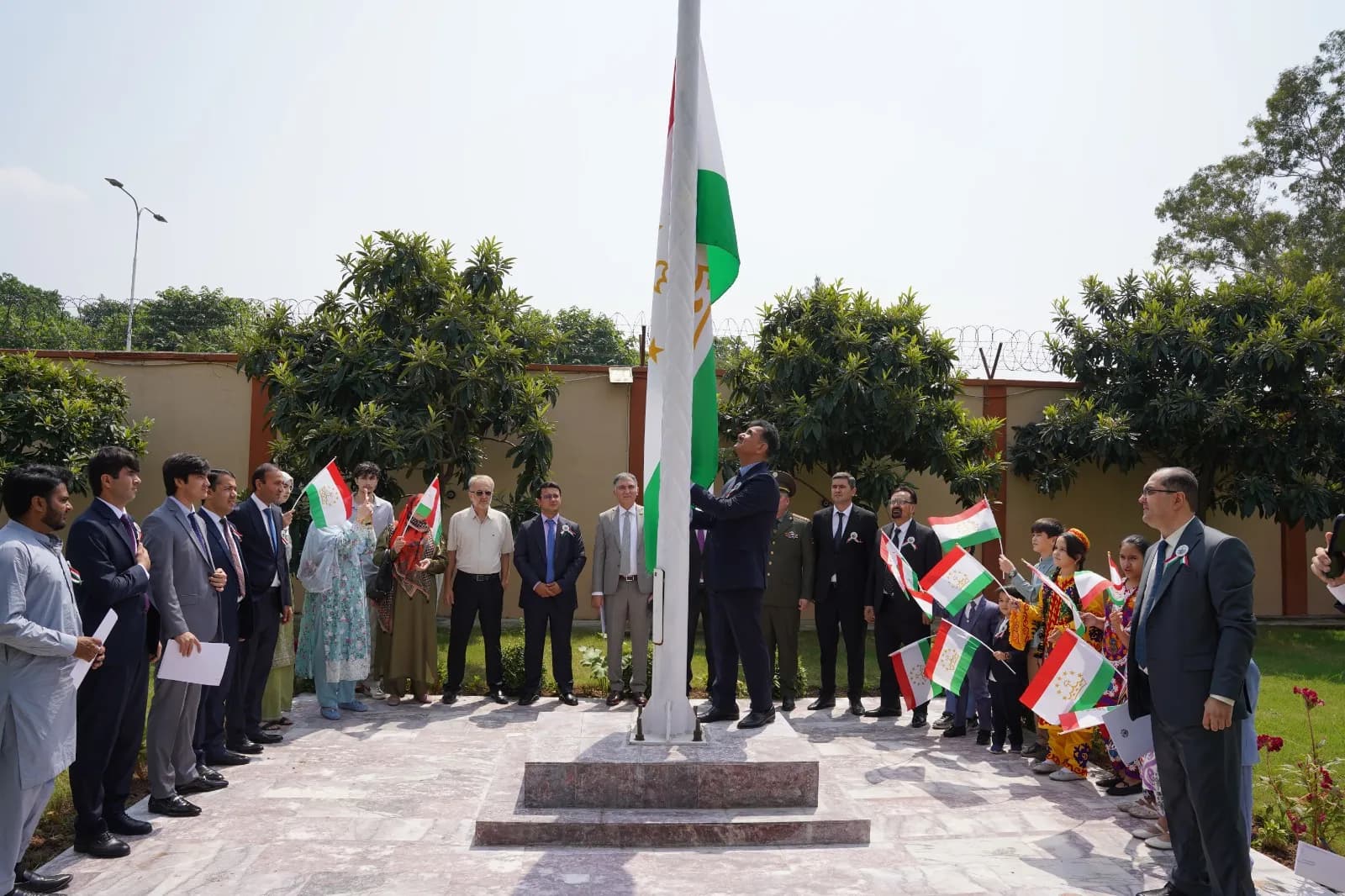
Business Diplomat: The Business Diplomat Through the Lens of Psychology
This interview is conducted with Professor Jabborov Hazrat Husenovich, Professor at Tashkent State University of Oriental Studies and Doctor of Psychological Sciences (DSc).
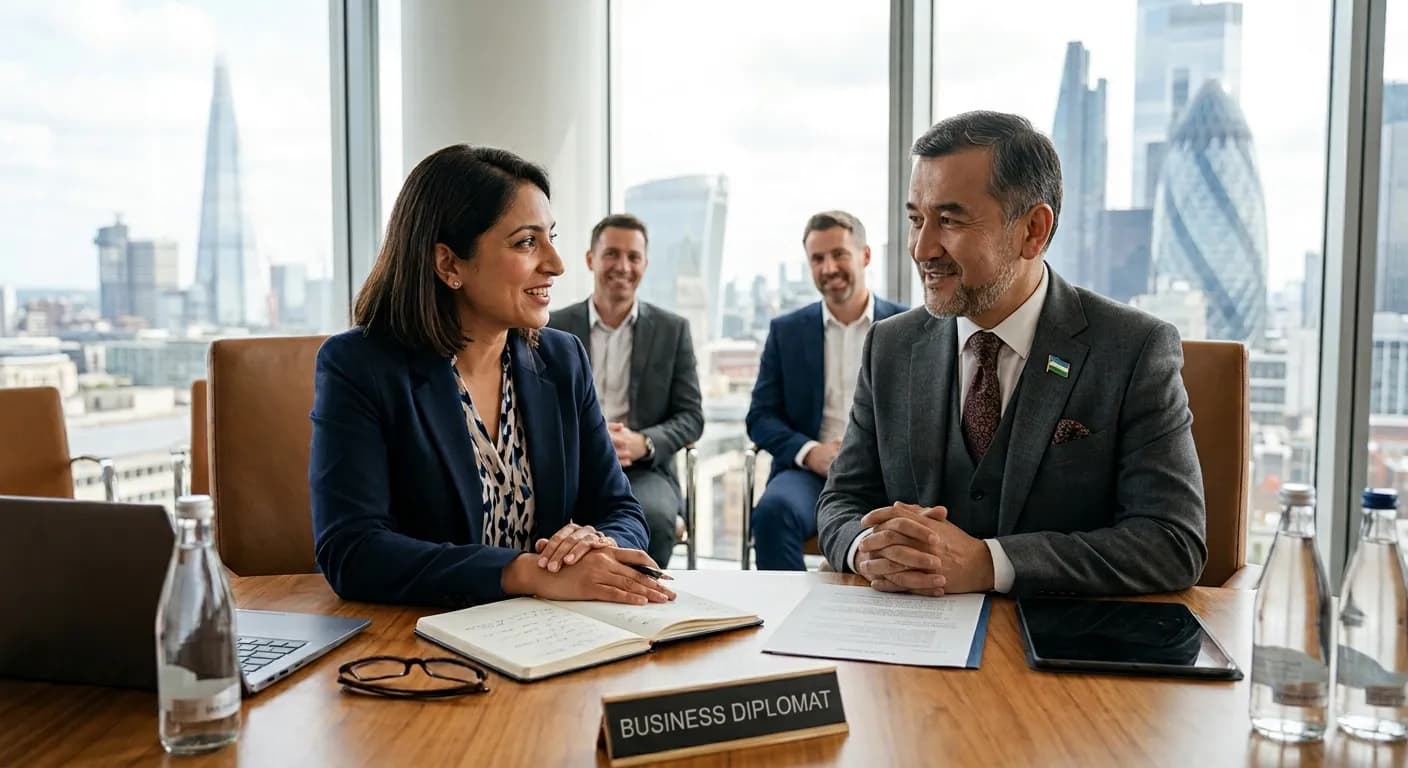
Introduction
Business diplomacy is usually described in terms of knowledge: protocol, market knowledge, foreign languages, negotiation technique. Yet of two people with the same knowledge, one inspires trust at the table and the other does not. The difference usually lies not in knowledge but in the person's inner resources. In this part of its interview series, Business Diplomat presents an answer that looks at the concept through the window of psychology.
What does the concept of "Business Diplomat" mean to you?
"From a psychological point of view, a 'Business Diplomat' is a person with a high level of empathy, emotional intelligence and communicative flexibility. Such a person, in demonstrating leadership potential, relies on the ability to resolve complex interpersonal and commercial conflicts constructively. At the same time, they are a psychologically balanced professional who creates a climate of mutual trust in the business environment and can manage their partners' intrinsic motivation correctly."
Business Diplomat commentary
This answer defines the business diplomat not by what they know but by what kind of person they are. The three sentences describe, in turn, the person's inner resources, where those resources are tested, and the effect they have on those around them.
Three core qualities. The first sentence outlines the business diplomat's psychological profile through three elements:
Empathy: The ability to see the other side's situation through their eyes. It does not mean agreeing with them; it means understanding them. Someone who understands why a counterpart hesitates can find the step that removes the hesitation.
Emotional intelligence: The ability to recognise and manage both one's own emotions and those of others. Staying calm in a tense negotiation, or noticing the other side's discomfort before it is put into words, comes from this skill.
Communicative flexibility: The ability to convey the same message to different counterparts in different ways. One does not speak in the same manner to a ministry official, an engineer and the owner of a family business. Flexibility is adjusting the language without changing the content.
Resolving conflict constructively. The second sentence ties leadership to an interesting place: the ability to resolve conflict. A leader is revealed not when things go well but when a problem arises. Both adjectives in the sentence matter. "Complex" conflicts are those where it is not obvious who is right. A "constructive" resolution does not suppress the problem or silence one side; it overcomes the problem while preserving the relationship. Naming interpersonal and commercial conflicts together is also apt, because behind a commercial dispute there is often broken trust or an offended counterpart.
A climate of trust. The word chosen in the third sentence is notable: "climate". Trust is not built by a single act; it is the general atmosphere of a setting. An environment where people speak without fear, where mistakes are not hidden and where promises are kept forms through an accumulation of consistent behaviour. A business diplomat builds this climate not only by their own conduct but by setting an example for others.
Understanding intrinsic motivation. The most original contribution of the answer is its emphasis on partners' intrinsic motivation. Not every partner is moved by the same thing. For one the priority is gain, for another reputation, for a third security, recognition or contributing to their country. Someone who knows what truly moves the other side can build a partnership that is meaningful to both. This skill gains its value when used with the other side's real needs in mind, and it strengthens trust for as long as it stays within the bounds of business ethics.
Psychological balance. The answer ends with the phrase "a balanced professional", and this is the ground for all the other qualities. International business involves pressure, uncertainty and disappointment. A person who cannot keep their balance loses both empathy and flexibility under pressure. A predictable, calm counterpart is in itself a source of trust for the other side.
The role of Business Diplomat. The platform's mission is to give young people experience, bring a diplomatic order to the business world, and benefit states by revitalising the economy. This answer adds an important dimension to that mission: training a business diplomat means supporting personal development as well as passing on knowledge. Empathy, emotional intelligence and conflict management are skills that can be developed. Business Diplomat aims to give its young members this human equipment alongside technical knowledge.
Conclusion
From a psychological point of view, a business diplomat is a balanced professional with strong empathy, emotional intelligence and communicative flexibility, who can resolve conflicts constructively, creates a climate of trust and understands what moves their partners. Protocol and market knowledge can be learned, but it is these inner resources that make them effective. Business Diplomat aims to raise a generation of business diplomats who combine knowledge with human maturity.
Mirzojon Kalandarov
Contributing writer at EUReflect.
Follow EUReflect
See more of our reporting on Google
Mark EUReflect as a preferred source and our stories are ranked higher for you in Top Stories, Discover and Google News — and carry a “preferred” badge when they are cited in AI results.
Add EUReflect as a preferred source