Business Diplomat: The Psychological Gain from Protocol
This interview is conducted with Professor Jabborov Hazrat Husenovich, Professor at Tashkent State University of Oriental Studies and Doctor of Psychological Sciences (DSc).
Introduction
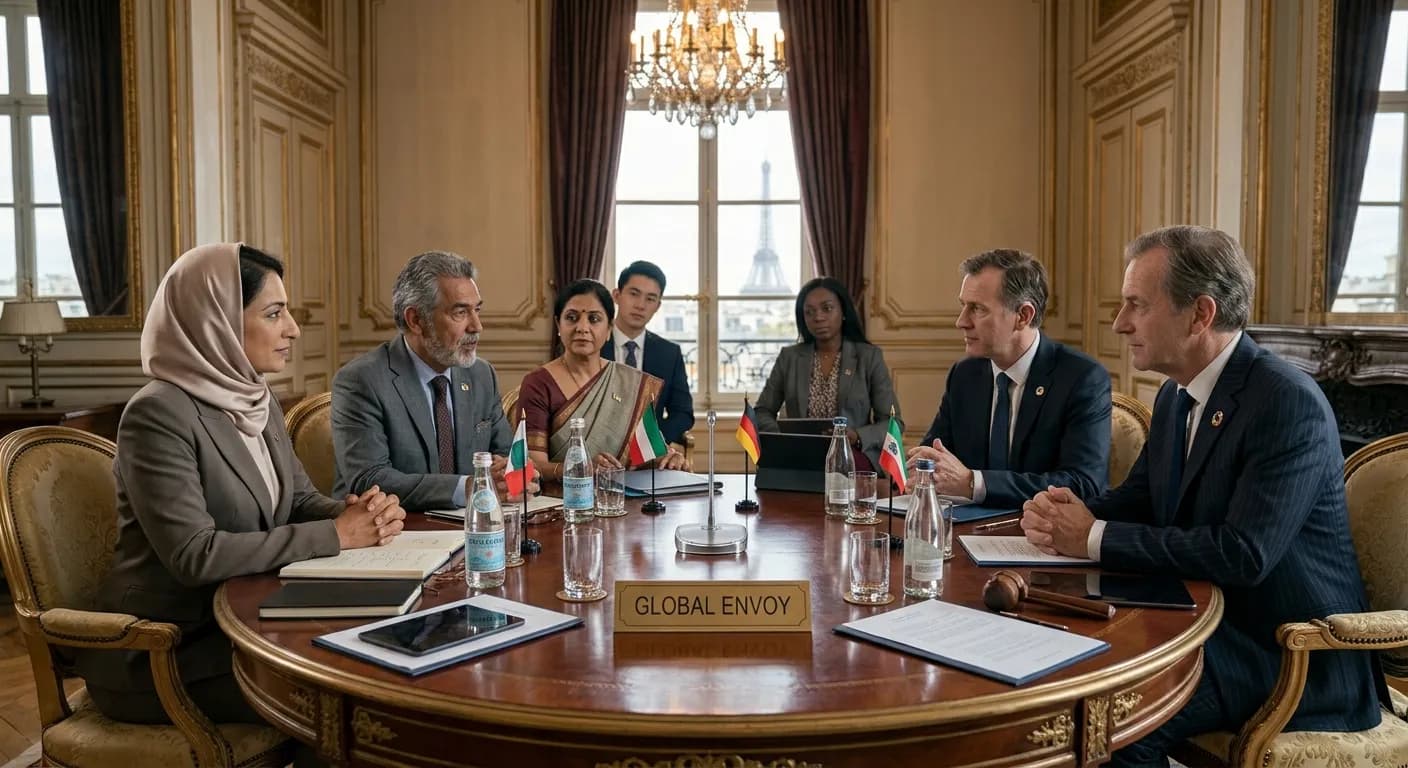
Protocol is usually discussed in terms of what can be seen from outside: who sits where, how each person is addressed, how a meeting is opened. Yet its real effect takes place in people's minds. A person who knows what to do is at ease, and a person at ease can listen to the other side. In this part of its interview series, Business Diplomat presents an answer that looks at the advantages of protocol knowledge for businesspeople from the standpoint of psychology.
What advantages does knowing diplomatic rules and protocol give to businesspeople?
"A deep grasp of diplomatic rules and protocol in the business world reduces states of anxiety and uncertainty in interpersonal communication and creates a sense of psychological safety in participants. In communicating with representatives of different cultures, this knowledge serves to overcome stereotypes, strengthen social perception and speed up psychological adaptation. During negotiations, relying on protocol norms provides mutual psychological closeness and trust through showing respect for the other side's values."
Business Diplomat commentary
The answer takes three settings in turn: general communication, cross-cultural contact and negotiation. In each, a different psychological function of protocol comes to the fore.
Less uncertainty, more safety. The first sentence describes protocol's most basic effect. A person in an unfamiliar setting is constantly on guard: thinking about how to greet, when to speak and what might seem out of place. This anxiety consumes a large share of attention. Protocol answers these questions in advance and frees the mind to focus on the real subject. The concept of "psychological safety" fits well here: when people are not afraid of making a mistake, they speak more openly, listen better and propose more creative solutions. The word "participants" also matters. Protocol puts at ease not only the person who knows it but everyone at the table, because a shared framework gives predictability to all.
Three gains in cross-cultural contact. The second sentence lists three functions of protocol knowledge in communication with other cultures:
Overcoming stereotypes: A stereotype fills the gap left by a lack of knowledge. Someone who really learns a culture's rules of conduct begins to see the person opposite as an individual, not as the representative of a generalisation.
Strengthening social perception: Protocol knowledge makes it possible to interpret behaviour correctly. Someone who knows that a reserved manner signals respect, not coldness, and that a long silence is time to think, not reluctance, does not reach wrong conclusions.
Speeding up psychological adaptation: Getting used to a new setting takes time. A person who knows the rules in advance shortens that time and starts working productively sooner. In postings abroad and in entering new markets, this is a direct saving of time and cost.
Closeness and trust in negotiation. The third sentence explains how protocol works in negotiation and shows a mechanism: following protocol is a way of showing respect for the other side's values, and that respect produces closeness and trust. A party that sees care being taken with its rules feels it is being taken seriously and lowers its guard. A counterpart who is not on the defensive speaks more openly and is more inclined to agree. The word "mutual" is meaningful too: the side that receives respect returns it, and a two-way movement towards each other begins.
Protocol is a foundation, not a wall. The conclusion that emerges from the answer as a whole corrects a common misconception. Protocol is often seen as a formality that puts distance between people. The view here is the reverse: protocol provides the common ground on which people can approach one another with confidence. When the rules are clear, warmth is easier to establish.
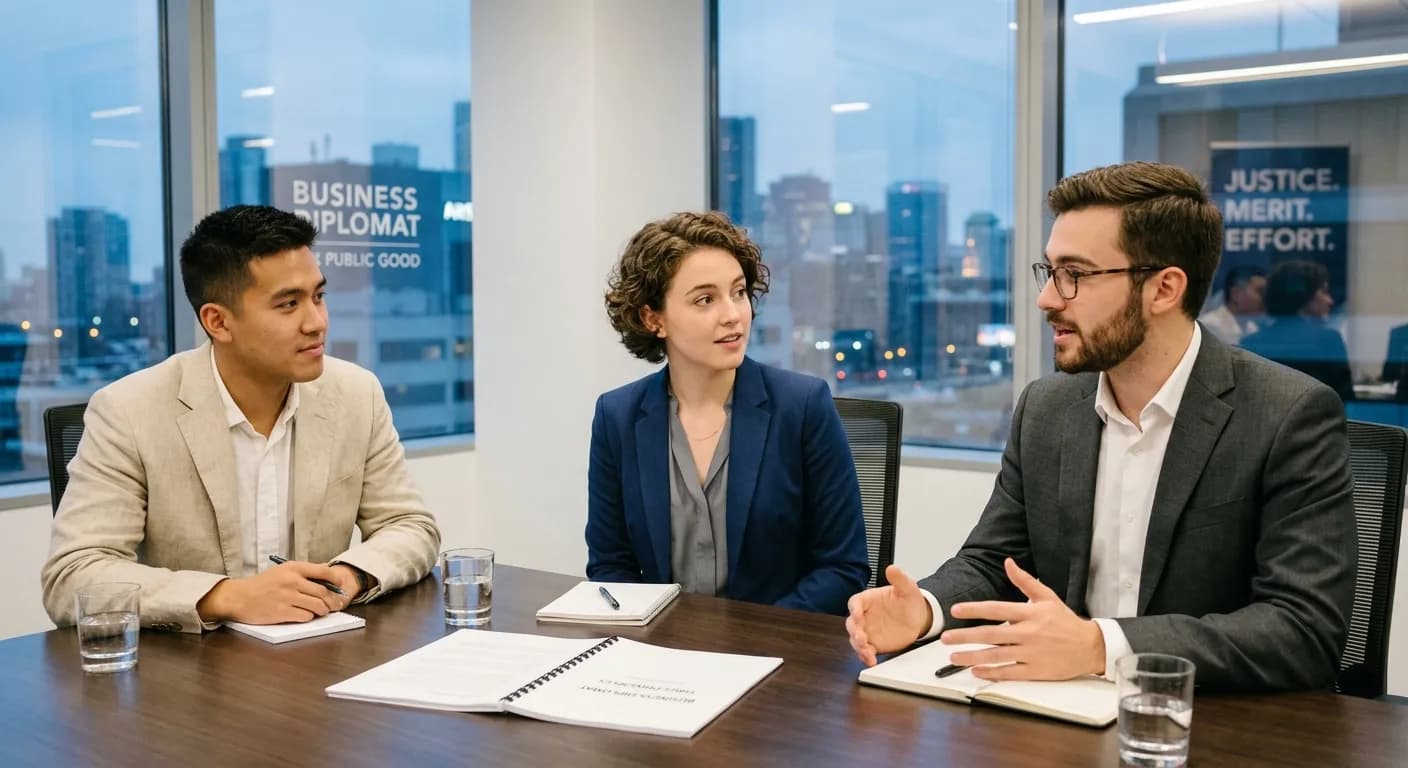
The role of Business Diplomat. The platform's mission is to give young people experience, bring a diplomatic order to the business world, and benefit states by revitalising the economy. This answer explains the effect of that order on people. For young professionals entering international settings for the first time, the greatest obstacle is often not a lack of knowledge but diffidence. By providing protocol knowledge, Business Diplomat aims to help its members enter these settings with confidence and to inspire confidence in the other side as well.
Conclusion
Protocol knowledge gives a businessperson three psychological gains: it creates a sense of safety by reducing uncertainty, it makes it easier to overcome stereotypes and adapt to new cultures, and in negotiation it builds closeness and trust through respect. Rules exist not to keep people apart but to let them approach each other with confidence. Business Diplomat aims to help establish a business culture that teaches and applies protocol in this spirit.
Mirzojon Kalandarov
Contributing writer at EUReflect.
Follow EUReflect
See more of our reporting on Google
Mark EUReflect as a preferred source and our stories are ranked higher for you in Top Stories, Discover and Google News — and carry a “preferred” badge when they are cited in AI results.
Add EUReflect as a preferred source