Interpreter Selection Criteria for Presidents
High-level diplomatic interpretation constitutes a strategic practice that extends beyond linguistic transfer. Cultural knowledge, political awareness, and interpretive judgment shape leader-level communication and diplomatic outcomes.
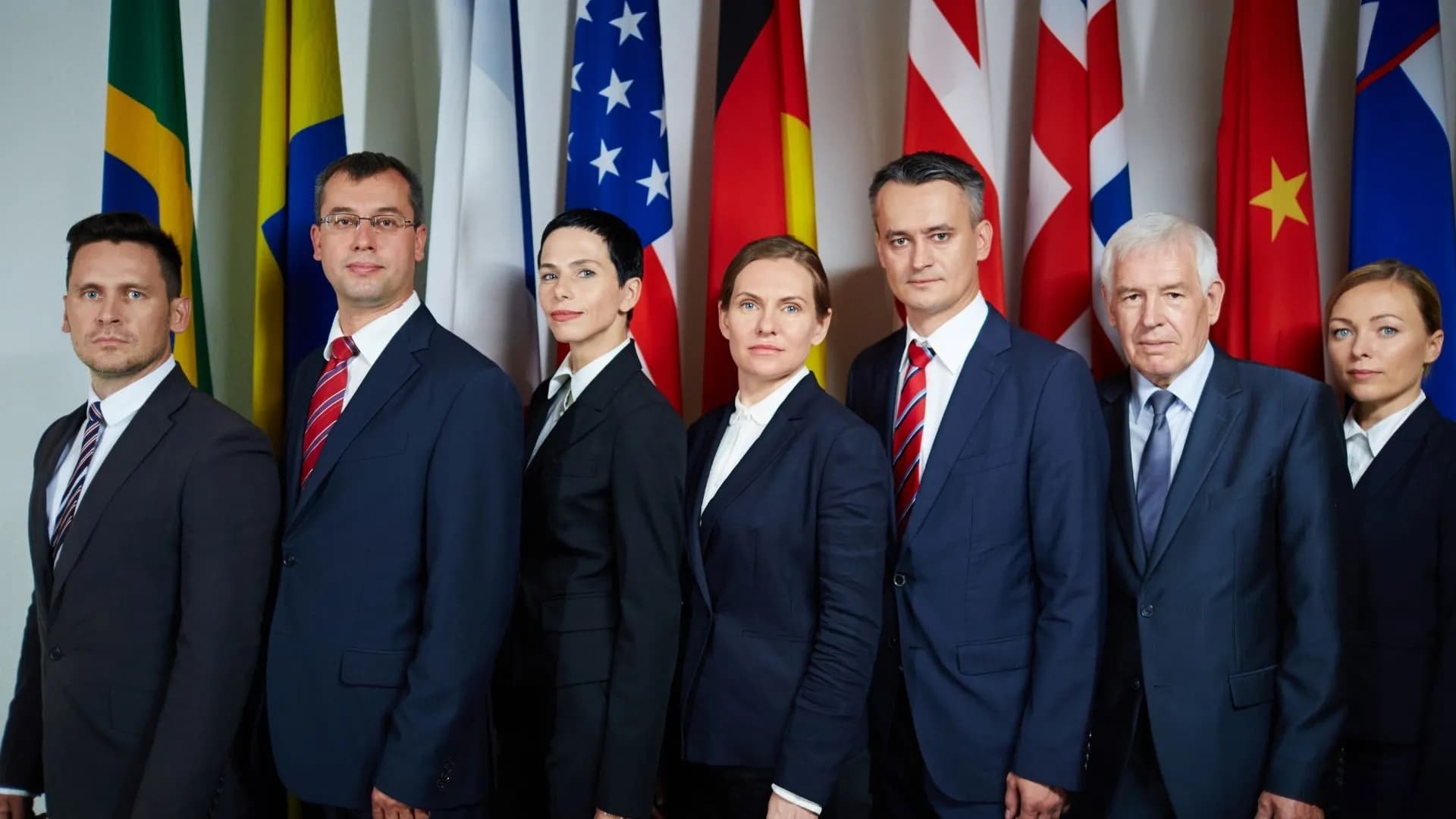
In diplomatic engagements conducted at the level of heads of state, the role of interpreters holds critical importance for international relations, even though it often remains insufficiently visible to the public. Contemporary discussions of interpretation tend to emphasize grammar, vocabulary, and fluency. However, interpretation in leader-to-leader communication represents a multi-layered field of expertise that extends far beyond classical linguistic competence. This is not a recent development; such requirements were already relevant in the twentieth century. Nevertheless, the increasing complexity of global politics and the acceleration of communication have rendered these qualifications even more essential.
According to experts, an interpreter working for a head of state must possess deep cultural knowledge in addition to linguistic proficiency. Historical references, collective memory, religious symbols, social codes, and political traditions frequently embedded in leaders’ speeches place interpretation within an extremely sensitive domain. An interpreter who lacks familiarity with these dimensions may convey words accurately while failing to transmit the intended meaning, thereby creating risks of misinterpretation. For this reason, cultural competence constitutes a fundamental component of diplomatic interpretation.
The language of contemporary diplomacy displays a level of complexity that exceeds that of earlier periods. Strategic ambiguity, deliberate vagueness, symbolic messaging, and subtext directed at public audiences have become integral elements of political discourse. Within this context, the interpreter’s task extends beyond the transmission of spoken statements and requires an accurate understanding of why certain expressions are foregrounded and which messages are deliberately emphasized. An interpretation that fails to account for a leader’s priorities, red lines, and rhetorical strategy may lead to serious diplomatic consequences.
An effective interpreter functions as a transparent channel of communication between two leaders. This transparency requires the faithful transmission of statements without distortion, yet it does not imply mechanical word-for-word translation. Instead, it necessitates the reconstruction of the speaker’s intent, tone, and communicative purpose in a form compatible with the cognitive and cultural framework of the receiving party. Such performance demands a high degree of intuition and sustained intellectual preparedness.
One of the most demanding aspects of diplomatic interpretation involves maintaining communication without placing the leader in a vulnerable position. Differences in educational background, conceptual frameworks, and terminological familiarity among leaders can complicate this process. When unfamiliar or potentially ambiguous concepts arise, the interpreter must be capable of integrating these elements into the interpretive process through prior preparation or gradual contextualization. This responsibility requires linguistic expertise, psychological resilience, and diplomatic sensitivity.
Differences in cultural background represent another highly sensitive dimension of diplomatic interpretation. Identical words or expressions may generate entirely different connotations across cultures. Consequently, interpreters must demonstrate thorough familiarity with the cultural, historical, and political codes of both their own country and the counterpart. Failure to do so may transform seemingly neutral expressions into sources of diplomatic tension.
In this context, periodic public debates concerning interpreters underscore the strategic role they play in interstate communication. Although often perceived as invisible actors, interpreters occupy one of the most delicate and decisive positions in leader-level interaction. Experts therefore emphasize that the selection of interpreters for heads of state should be guided by criteria extending beyond linguistic proficiency, including cultural depth, political intuition, psychological endurance, and a strong sense of ethical responsibility.
Mirzojon Kalandarov
Contributing writer at EUReflect.
Follow EUReflect
See more of our reporting on Google
Mark EUReflect as a preferred source and our stories are ranked higher for you in Top Stories, Discover and Google News — and carry a “preferred” badge when they are cited in AI results.
Add EUReflect as a preferred source