Agroeconomics and Influence: China’s Strategic Food Partnership in Central Asia
Central Asia is increasingly emerging as a theater for the construction of a new geoeconomic architecture.
Introduction
Geoeconomics transcends the mere intersection of trade and politics; it represents a strategic framework wherein economic instruments are deliberately employed to exert geopolitical influence. Nowhere is this dynamic more visible than in Central Asia, where China has been utilizing agri-industrial cooperation as a pivotal component of its long-term regional engagement strategy. Against the backdrop of global food security pressures, climate challenges, and shifting market structures, the agricultural landscape of Central Asia is increasingly emerging as a theater for the construction of a new geoeconomic architecture.
Kyrgyzstan: Export, Logistics, and Enhanced Market Access to China
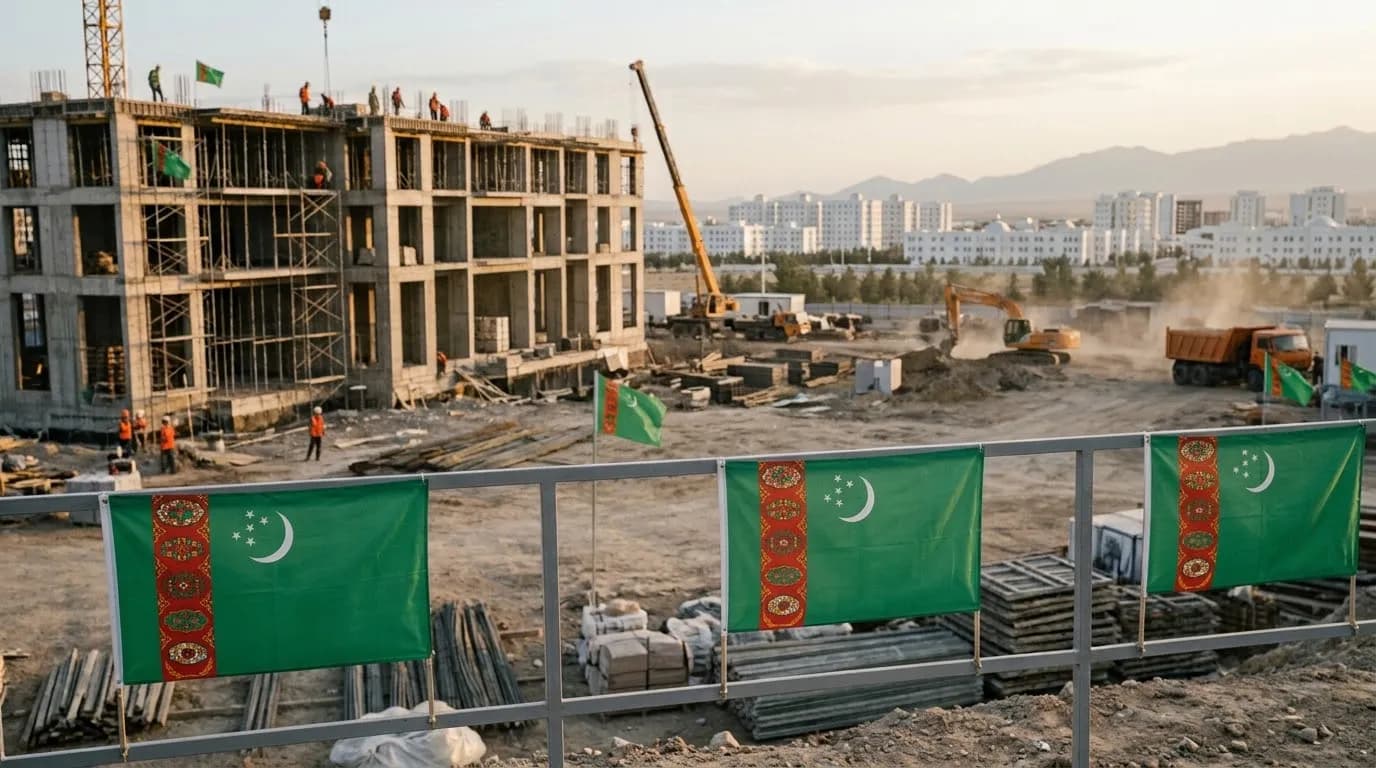
Kyrgyzstan has been developing a bilateral framework with China centered on export facilitation and logistical integration. A landmark event occurred in 2025 with the establishment of the first Kyrgyz supervisory warehouse on Chinese territory, located in Uluu-Chat, Xinjiang Uyghur Autonomous Region (XUAR). This facility serves multiple purposes: storage, inspection, and certification of agricultural products. Functionally divided into zones—grains, fruits and vegetables, frozen goods, and general cargo—it has an annual capacity exceeding one million tons.
The inauguration of this warehouse represents a critical step toward establishing a more direct and transparent trade corridor, enabling Kyrgyz agricultural goods to reach Chinese markets at reduced cost and in shorter timeframes. This structural integration strengthens Kyrgyzstan’s role as a reliable partner in China’s evolving food security system.
Simultaneously, during the official visit of the President of the Kyrgyz Republic to China in February 2025, pivotal phytosanitary protocols were signed between the Ministry of Water Resources, Agriculture, and Processing Industry of Kyrgyzstan and the General Administration of Customs of China. These agreements covered high-potential export categories such as legumes, wool, cashmere, and poultry products. Beyond expanding export diversification, these accords foster deeper trust from the Chinese side and lay the groundwork for a systematic increase in agri-food trade turnover.
Uzbekistan: Technological Innovation and High-Value Production
In Uzbekistan, Chinese investments are predominantly channeled toward technological modernization. Bilateral cooperation has focused on the implementation of advanced agrotechnologies and the establishment of export-oriented production systems.
Smart Greenhouse Systems with Hydroponics:
Chinese firms are instrumental in constructing greenhouse complexes utilizing hydroponic systems and nano-engineered thermal-regulating films. These innovations optimize water and energy consumption while significantly boosting yields. For instance, the China-Uzbekistan Agricultural Park in the Syrdarya region operates as a platform for technology transfer and practical innovation.
Export-Oriented Value Chains:
Chinese investors, notably Joyvio Group, are developing vertically integrated fruit and berry production facilities targeted at the Chinese market. Rather than merely sourcing raw produce, these companies are building entire production chains—including cultivation, processing, and logistics—within Uzbekistan. This approach contributes to local economic development, job creation, and capacity building.
Kazakhstan: Infrastructure Development and Raw Material Flows
Kazakhstan remains China’s most significant agricultural base in the region. The construction of a major agro-logistics hub in Khorgos is projected to process up to five million tons of agricultural products annually by 2030. In addition to logistics infrastructure, China is investing in meat processing plants, grain elevators, and joint grain enterprises in collaboration with Kazakh agroholdings. These initiatives lay the foundation for agro-industrial corridors modeled on a vertically integrated structure—raw material acquisition, processing, logistics, and export.
Geopolitical Context and Emerging Challenges
According to estimates by the FAO and the Asian Development Bank, Central Asia possesses approximately 23 million hectares of arable land, much of which remains underutilized. For China, this land represents not only a potential source of food supply but also a strategic space for establishing processing infrastructure and agricultural research centers.
However, the increasing presence of Chinese actors has raised public concerns. In Kazakhstan and Kyrgyzstan, protests have emerged opposing the leasing of land to Chinese companies. Societal apprehension revolves around the risk of overdependence on China’s agri-industrial model—from seed stock to quality standards and logistics systems. In response, Central Asian governments emphasize mutual benefit and procedural transparency.
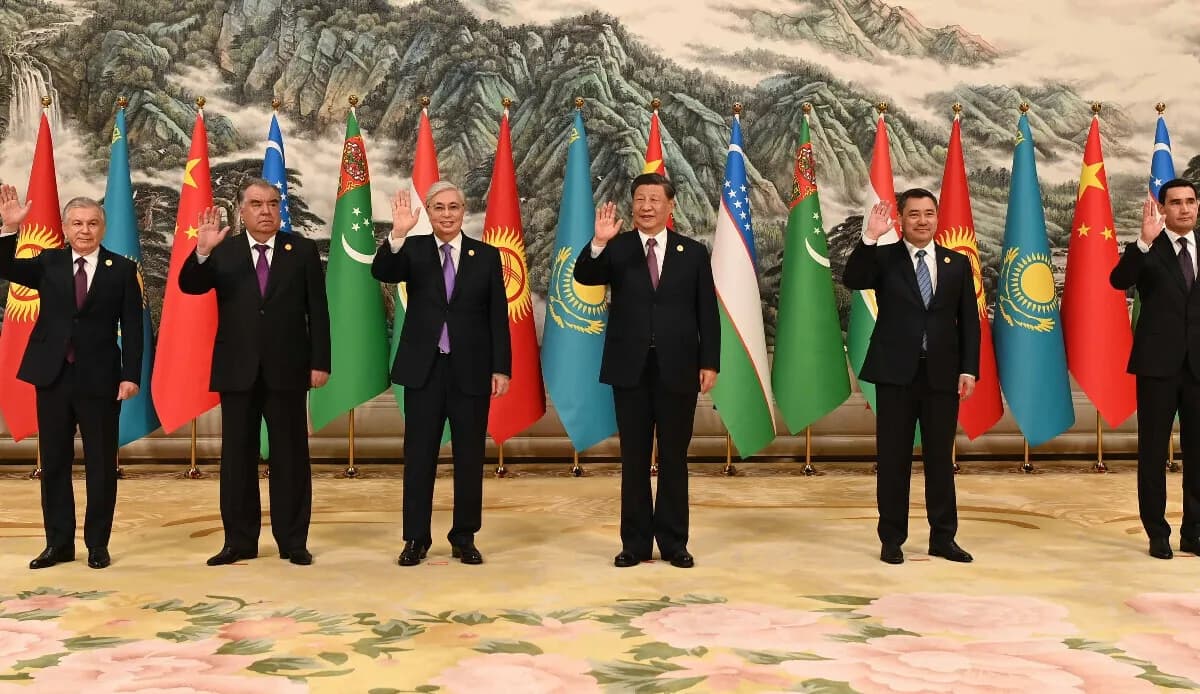
At the 2023 China–Central Asia Forum held in Xi’an, participating countries agreed to enhance oversight mechanisms for agricultural investments, expand local farmers’ access to Chinese technologies, and strengthen participation in international programs led by IFAD and UNDP.
Toward a New Axis of Interdependence
Despite underlying tensions, the trajectory is clear: China is transitioning from being a conventional economic partner to becoming a systemic actor in the agri-industrial transformation of Central Asia. This shift is no longer defined by isolated projects but by the construction of a comprehensive regional ecosystem—spanning logistics, scientific research, processing capabilities, and human capital development.
On one hand, this integration provides Central Asian states with new export channels, capital inflows, and infrastructure modernization. On the other hand, it amplifies external influence, making the region’s economy an increasingly integral part of China’s food security strategy.
For Kyrgyzstan, this represents an opportunity to embed itself within global agri-food supply chains, access new markets, acquire technologies, and cultivate skilled professionals. For China, it ensures stable supply lines and broadens the scope of its economic corridor.
Yet, the effectiveness of such cooperation depends not only on the content of bilateral agreements but also on the robustness of governance mechanisms throughout the policy cycle—from conception to execution. As international experience demonstrates, the sustainability of development partnerships is determined as much by their institutional architecture as by their economic rationale.
Batma Iskandarova
Contributing writer at EUReflect.
Follow EUReflect
See more of our reporting on Google
Mark EUReflect as a preferred source and our stories are ranked higher for you in Top Stories, Discover and Google News — and carry a “preferred” badge when they are cited in AI results.
Add EUReflect as a preferred source