Angola Sets Sights on Becoming Africa’s Next Business Hub
Angola’s President outlined a vision that goes beyond tourism, positioning the country as an emerging business and investment hub in Africa. Infrastructure projects, economic diversification, and regional integration are expected to drive Angola’s transformation into one of the continent’s new growth centers.
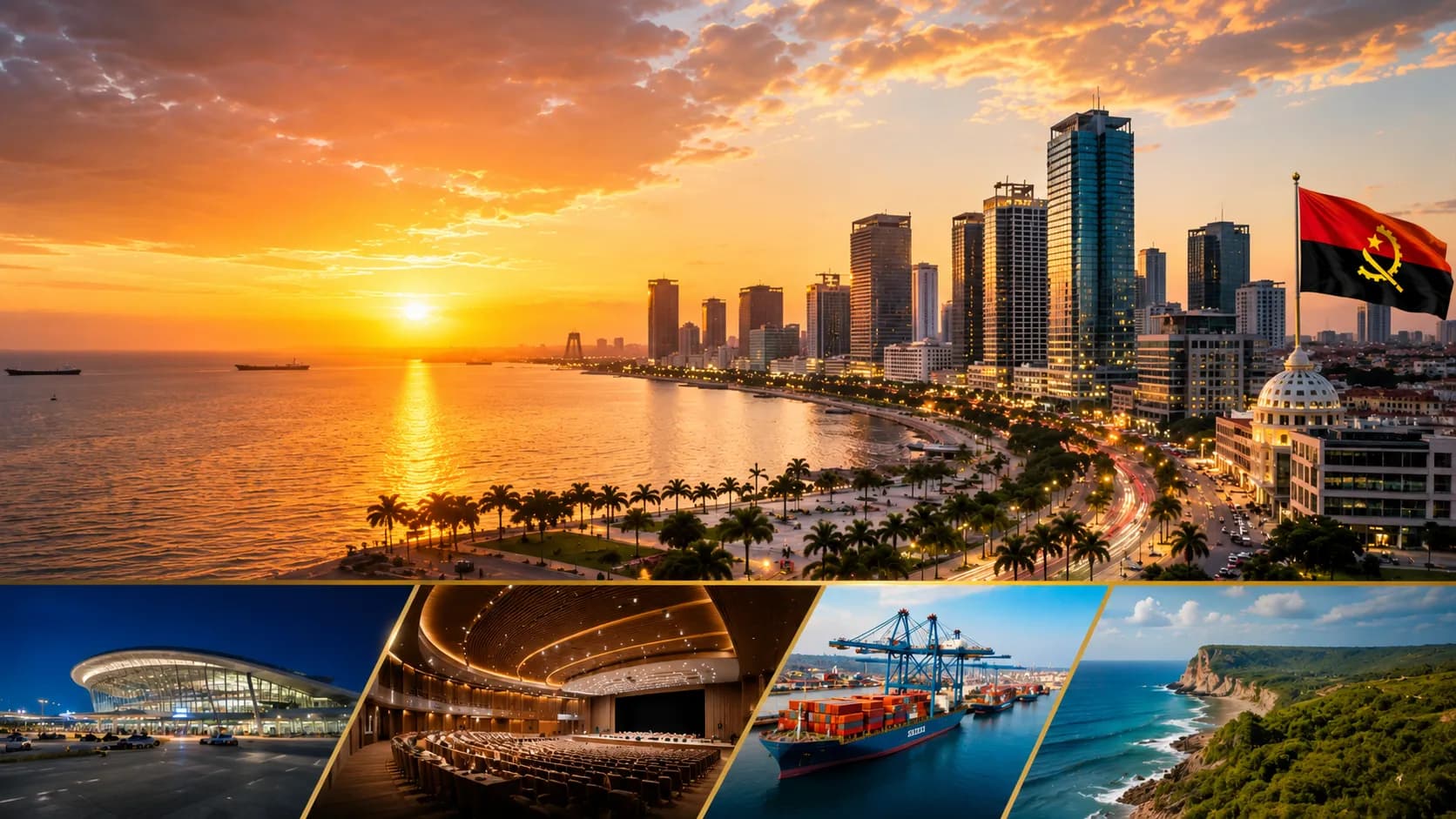
Angola is seeking to redefine its position in Africa by moving beyond its traditional dependence on oil and transforming itself into one of the continent’s leading centers for business, connectivity, and international cooperation.
During the Tourism Destinations Summit held in Luanda, Angolan authorities outlined a broader vision in which tourism is viewed not as an isolated sector but as part of a larger strategy aimed at building a diversified economy. Officials emphasized that the country intends to position itself as a gateway connecting Southern Africa, Central Africa, and international markets through investments in logistics, aviation, digital infrastructure, trade, and innovation.
As global attention increasingly shifts toward Africa as a new frontier for economic growth, Angola is seeking to establish itself among the continent's emerging economic gateways.
Infrastructure Investments Support Angola's Business Hub Ambitions
Angola's transformation strategy is being supported by a series of major infrastructure projects designed to enhance connectivity and facilitate investment.
The operational launch of Dr. António Agostinho Neto International Airport has been described as a key milestone in the country's efforts to become an aviation and transport hub. The upcoming inauguration of the new Conference Palace in Luanda, together with improvements in highways, ports, telecommunications systems, and digital infrastructure, is expected to strengthen the country's role in regional trade and services.
Analysts note that Angola's strategic location on the Atlantic coast provides significant advantages, allowing it to serve as a bridge between Southern and Central Africa. Beyond physical infrastructure, authorities are emphasizing political stability, institutional reforms, and long-term planning as essential foundations for attracting international investors.
Tourism Seen as a Driver of Investment and Economic Growth
Angola is also placing tourism at the center of its diversification efforts. Officials argue that tourism has the potential to generate broader economic benefits by stimulating investment in hospitality, transportation, construction, and related industries.
With more than 1,600 kilometers of coastline, vast biodiversity, and a rich cultural heritage, Angola remains one of Africa's relatively untapped tourism markets. Authorities believe these assets can help transform Luanda into a regional center for international conferences, exhibitions, sporting events, and cultural exchanges.
The future Conference Palace is expected to strengthen the city's position as a destination for business events and economic diplomacy, creating stronger links between tourism, trade, and foreign investment. According to government officials, attracting visitors ultimately means attracting capital and new economic opportunities.
Angola Calls for Greater African Integration and Partnerships
Angola has also highlighted the importance of regional cooperation in unlocking Africa's economic potential. Officials stressed that stronger integration, harmonized regulations, improved transportation links, and easier movement of people and goods are necessary for the continent to remain competitive globally.
Against this backdrop, Angola is seeking a larger role in Africa's integration process and is actively courting foreign investment. Authorities have reiterated that the country remains open to partnerships based on innovation, sustainability, and shared prosperity.
Financial institutions, airlines, hospitality groups, technology companies, and infrastructure developers have all been invited to participate in Angola's long-term development plans. Maintaining political stability, security, and a favorable business climate remains central to the country's strategy for attracting long-term capital.
Conclusion
Angola's latest economic vision signals a shift from a resource-driven model toward a broader development strategy centered on tourism, logistics, aviation, and international services. If these ambitions materialize, Luanda could emerge as one of Africa's major business capitals, positioning the country among the continent's new poles of growth and strengthening its role in global economic networks.
Botakoz Unbayeva
Contributing writer at EUReflect.
Follow EUReflect
See more of our reporting on Google
Mark EUReflect as a preferred source and our stories are ranked higher for you in Top Stories, Discover and Google News — and carry a “preferred” badge when they are cited in AI results.
Add EUReflect as a preferred source