Belarus and the Future of the European Security Architecture
Inside a European Policy Centre discussion on Belarus, where consolidation, repression, and the war in Ukraine define the country's present.
Overview
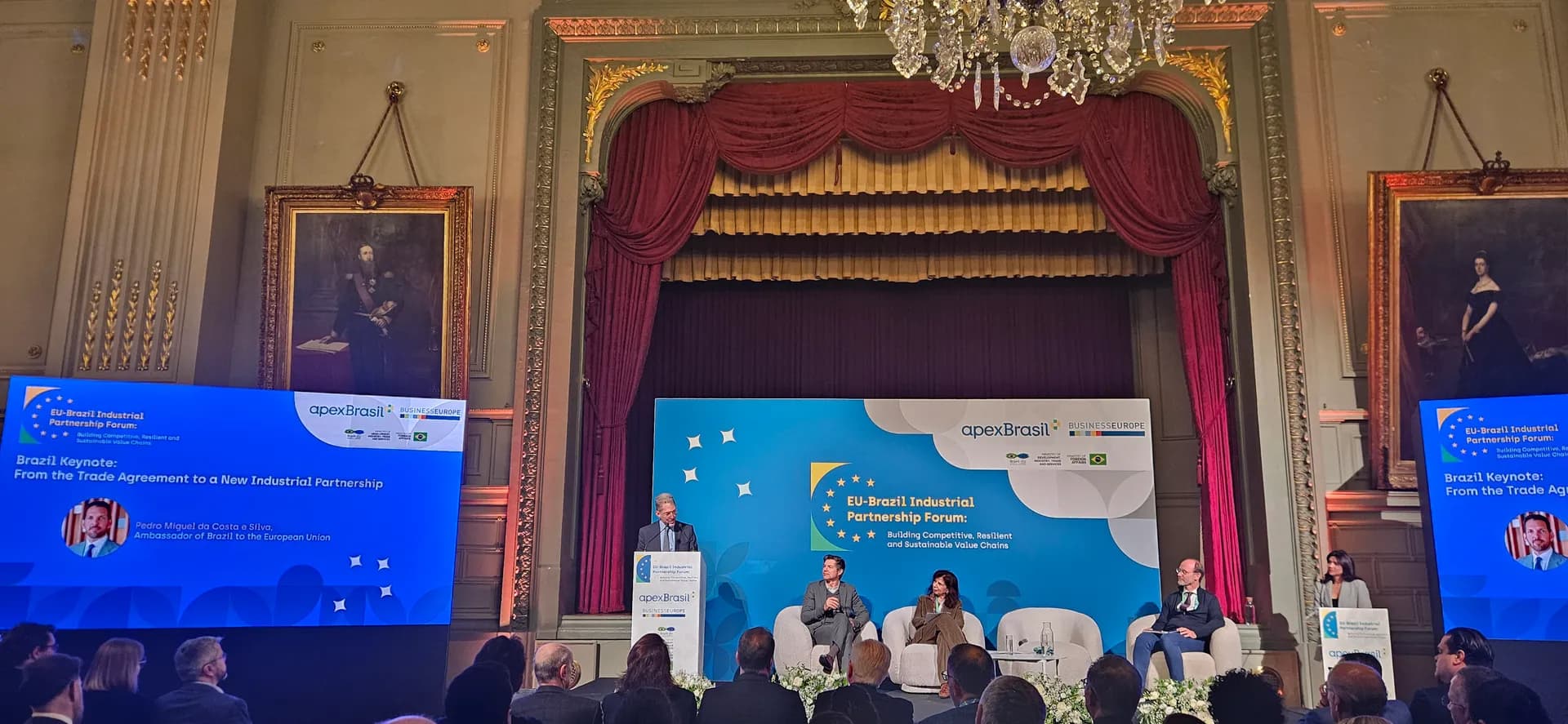
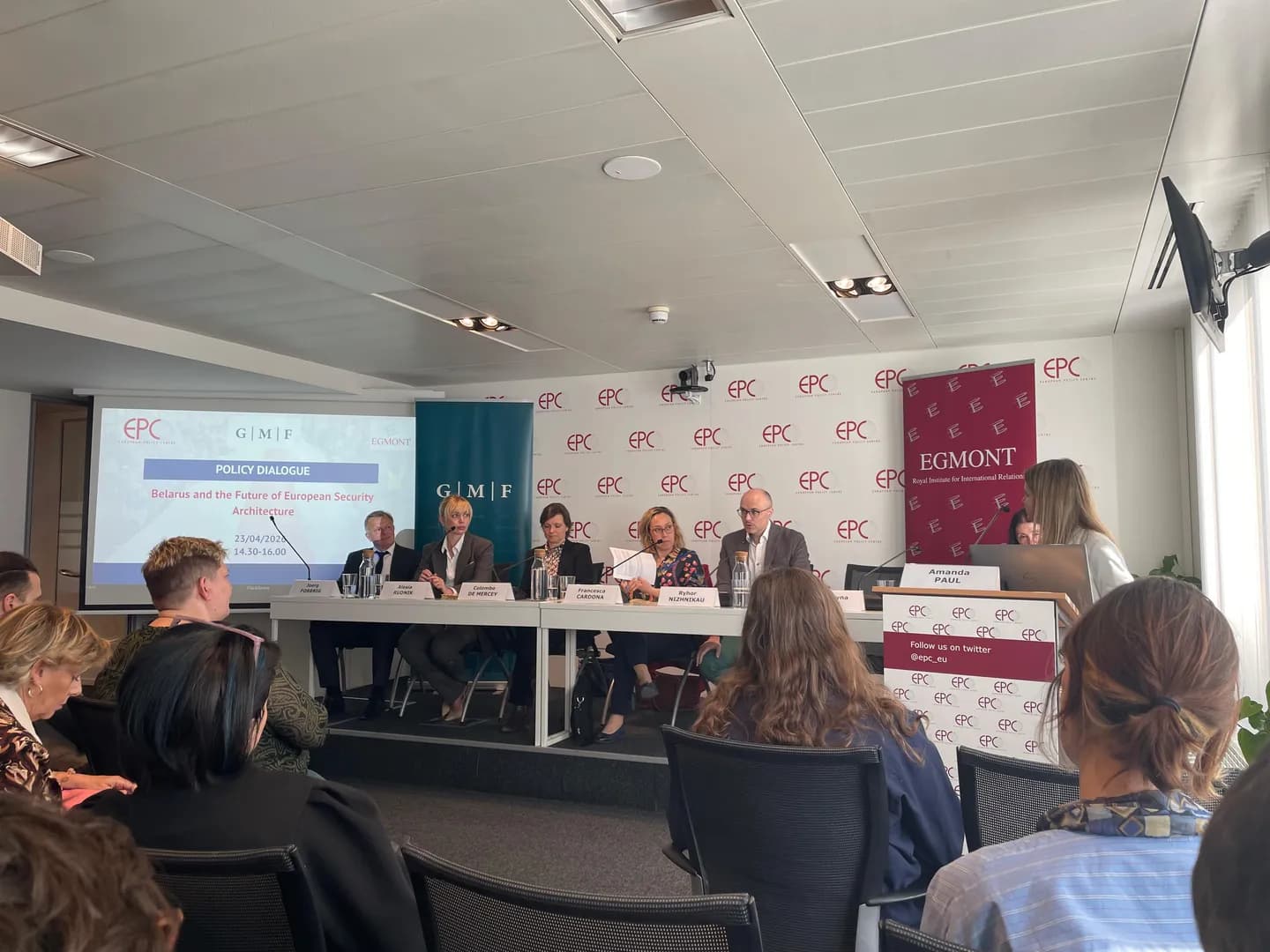
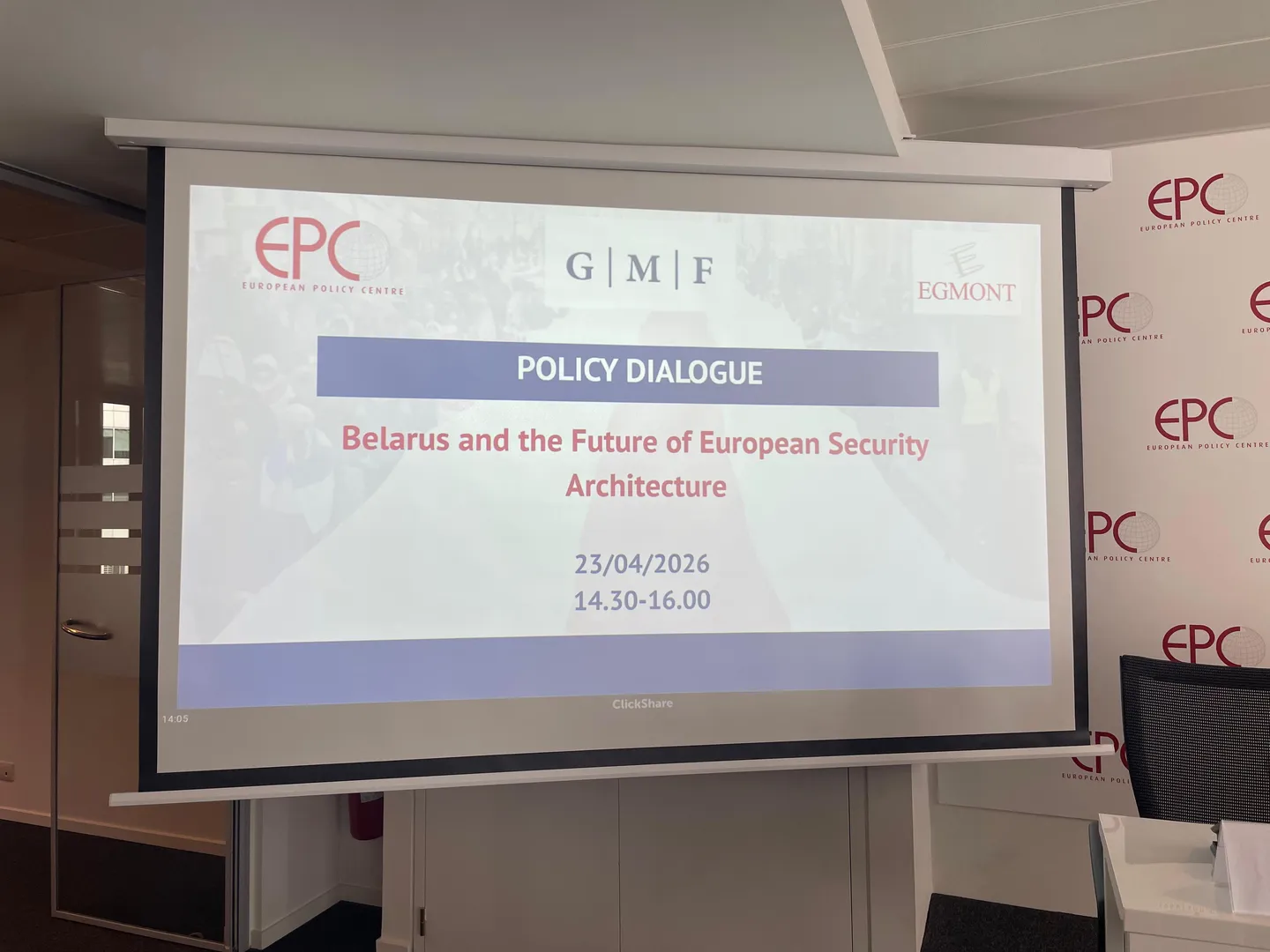
On Thursday, 23 April, the European Policy Centre in Brussels hosted a policy dialogue on Belarus and its opposition, at a moment when a shift in United States policy toward engagement with the Lukashenka regime has reopened fundamental questions about Western coordination and the European Union's leverage. The discussion came against the backdrop of an uncomfortable reality: the regime in Minsk remains a belligerent in Russia's war against Ukraine, while widespread human rights violations continue across the country. Following the 2020 and 2021 protests and the escalation of Russia's full scale invasion of Ukraine in 2022, the EU has maintained a united front, refusing to recognise the regime and continuing to support Belarusian pro-democracy actors. The debate sought to identify what lessons could be drawn from previous policy cycles, and how the EU might sustain effective support for the democratic movement in an increasingly difficult environment.
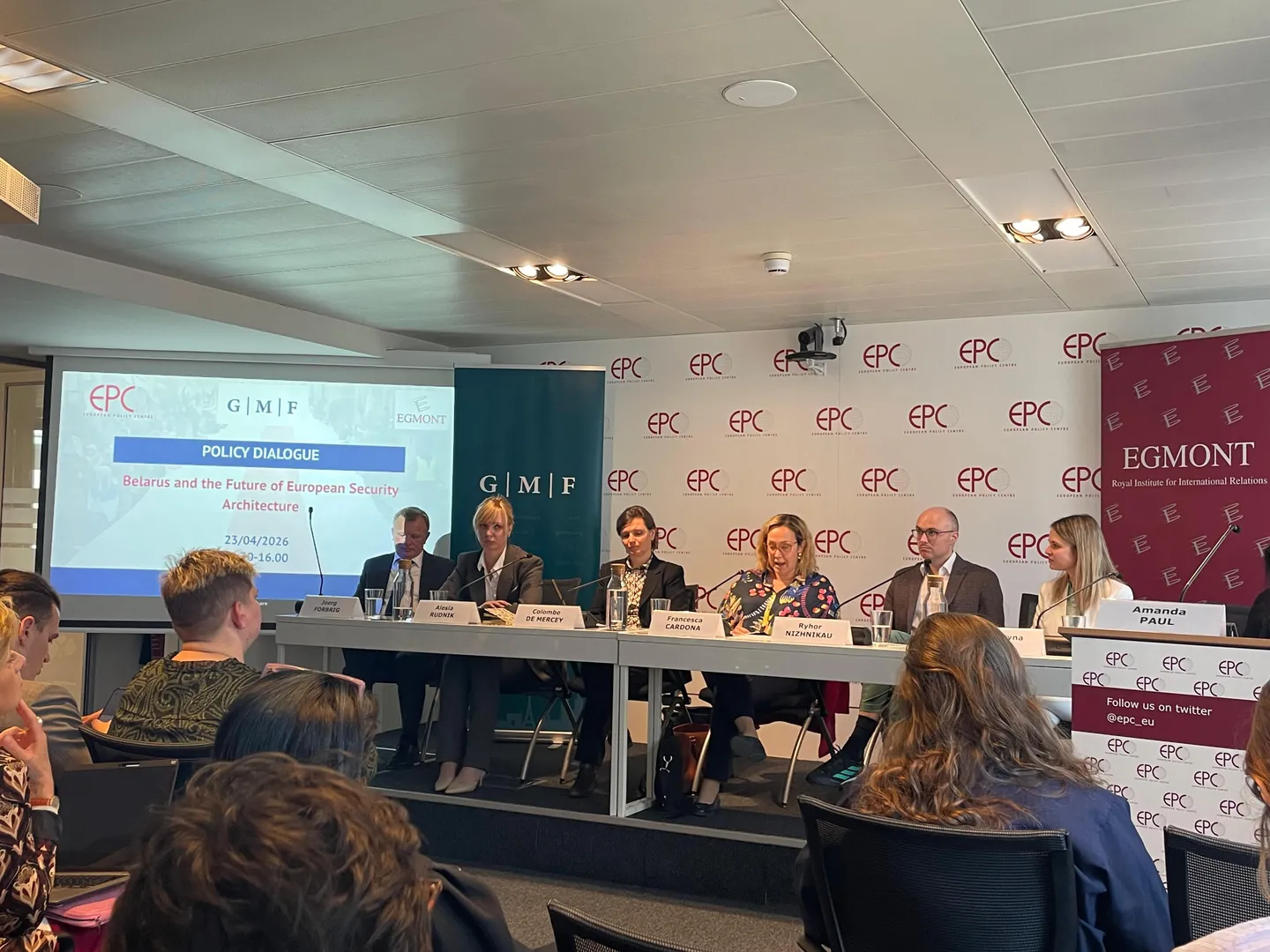
The event brought together Joerg Forbrig, Managing Director for European Resilience at the German Marshall Fund of the United States; Alesia Rudnik, Postdoctoral Researcher at Södertörn and Maastricht Universities; Ryhor Nizhnikau, Senior Research Fellow at the Finnish Institute of International Affairs; and representatives of the European Commission, DG ENEST. It was co-moderated by Amanda Paul of the European Policy Centre and Katsiaryna Lozka of the Egmont Institute and the European Policy Centre.
A Regime Consolidated, an Opposition Cornered
Amanda Paul opened by noting that the Lukashenka regime's deepening alignment with Moscow, significantly escalated after the 2022 full scale invasion, has become a direct threat to European security. Alesia Rudnik offered an analysis of how the Belarusian regime has evolved since 2020. The most significant shift, she argued, has been one of consolidation, particularly among elites tied to Lukashenka. This doesn't mean alternatives no longer exist, but the consolidation has reshaped media, law, and the wider system. The regime has become more modern and more digital, yet hundreds of independent channels remain blocked. A growing ideological campaign has invested heavily in portraying citizens as patriots and Lukashenka as a heroic figure, while Belarusian society itself has grown less resistant than it was five years ago.
Ryhor Nizhnikau delivered a blunt assessment: without Russia, the Lukashenka regime would not be survivable. The legacy of 2020 still lives, but Moscow now shapes the regime's room for domestic manoeuvre, including its refusal to engage seriously with the opposition. The opposition, he said, remains the key factor for change, and EU policy toward it needs sharper instruments. The regime continues to pretend to conduct real elections while avoiding direct engagement with Ukraine, and Sviatlana Tsikhanouskaya's position outside the country poses an ongoing challenge for any EU attempt to dialogue with Minsk.
Joerg Forbrig turned to the American role. The Trump administration's engagement with Minsk, he explained, has focused on the release of political prisoners, a category Lukashenka has long treated as commodities to trade. Organisations such as the GMF have worked on Belarus for two decades, and although US policy has grown more transactional, the logic remains usable: whenever Minsk is isolated, it becomes more dependent on Moscow, which means Washington can, in principle, pull Belarus marginally toward Europe if sanctions and pressure are calibrated intelligently.
From the European Commission side, Francesca Cardona and Colombe de Mercey of DG ENEST emphasised that 2020 fundamentally reshaped EU foreign policy toward Belarus. The Commission has been active in supporting the release and rehabilitation of political prisoners, and views the opposition as a genuine contributor to democratic and civic life. A two level approach guides the EU, combining concrete measurable steps toward the regime with continued support for society. "Every person who is no longer in prison is already an achievement," one of the speakers noted. Repression nonetheless continues: a Telegram group chat about food was recently declared extremist, and a university in Vilnius has seen students accused by Minsk of extremism simply for receiving an alternative perspective on their country. Mobility support continues, with the EU helping ensure Belarusians can still obtain visas.
On the war, panellists agreed that the future of Belarus is inseparable from the outcome in Ukraine. If Russia loses, Belarus enters one scenario; if Ukraine loses, quite another. In the meantime, Belarusian society remains heavily dependent on Russian media narratives and on platforms such as TikTok, a reversal of the pre-2020 environment when independent media consumption was far stronger.
Dmytro Melnyk
Contributing writer at EUReflect.
Follow EUReflect
See more of our reporting on Google
Mark EUReflect as a preferred source and our stories are ranked higher for you in Top Stories, Discover and Google News — and carry a “preferred” badge when they are cited in AI results.
Add EUReflect as a preferred source