Business Diplomat: Reading the Context, Courtesy on Screen
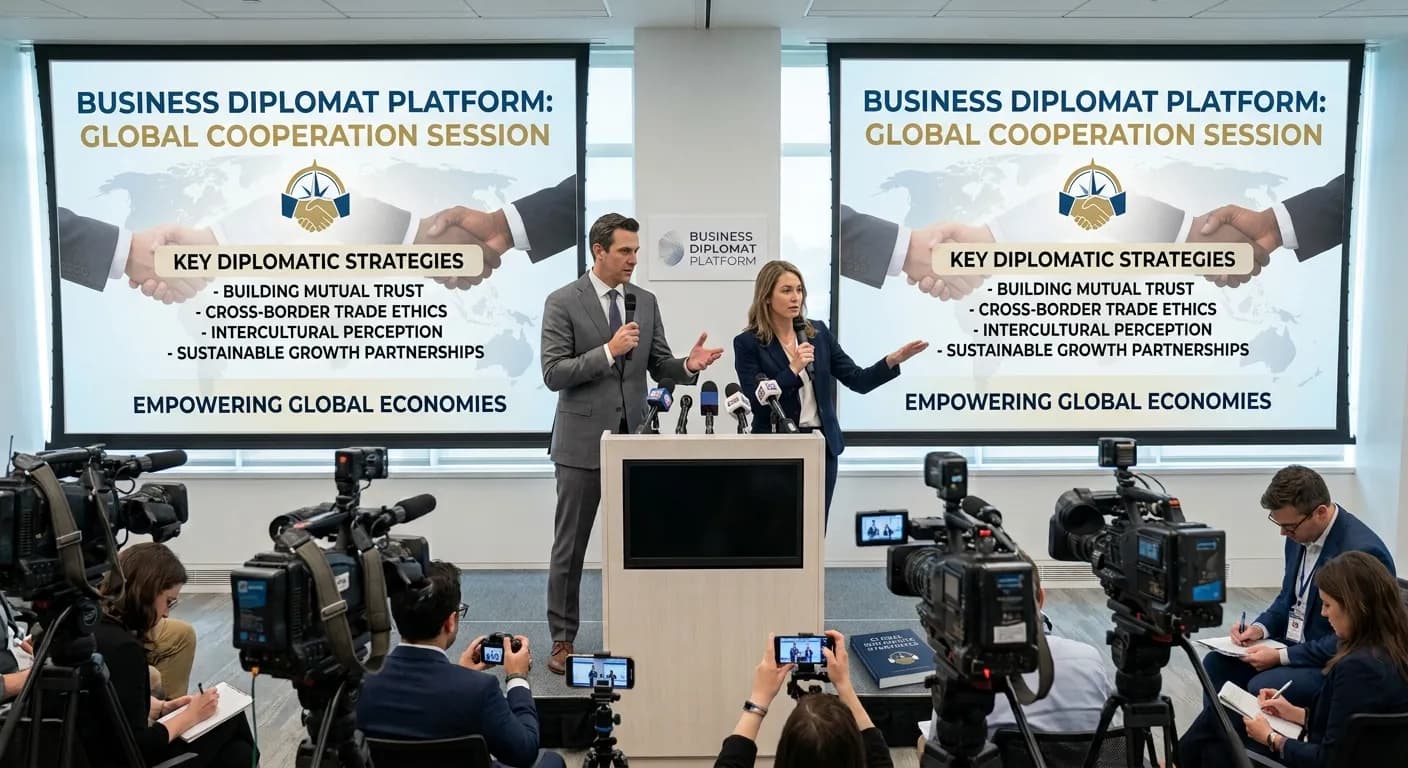
EUREFLECT conducted an exclusive interview with diplomat Lana Jalagonia on diplomacy, international business, and professional communication.

Introduction
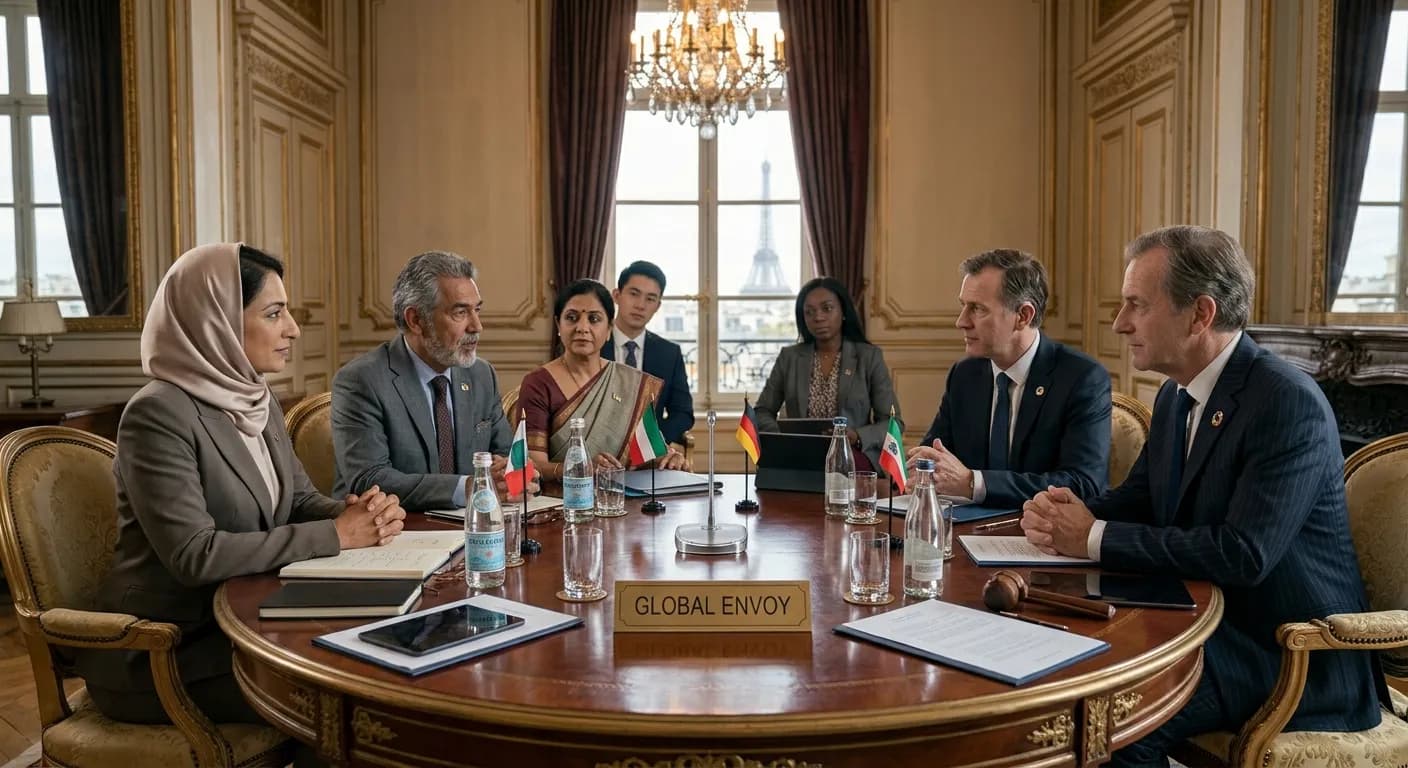
Business diplomacy works on two scales. On the wide scale, it requires seeing the political, economic and cultural setting in which a decision is taken. On the narrow scale, it shows itself in small behaviours such as joining a meeting on time or waiting for one's turn to speak. In this part of its interview series, Business Diplomat presents three observations that bring the two scales together: one on strategic representation and two on courtesy in the digital age.
Three observations
"Strategic representation requires understanding the wider political, economic and cultural context in which business decisions are made.
In the digital age, diplomatic courtesy and protocol are not disappearing; on the contrary, they are turning into a new form of online communication and etiquette.
Punctuality, being prepared, communicating respectfully, using digital communication channels correctly and paying attention to speaking order in meetings have become important elements of professional conduct in virtual meetings."
Business Diplomat commentary
These observations look like separate subjects at first, but they share a point: both ask the business diplomat to read the setting correctly and act accordingly.
Representation means knowing the context. The first observation explains why representation is "strategic". Representing a company is not only passing on its offer. Business decisions are not made in a vacuum, and the sentence names a context of three layers:
Political context: The course of relations between two countries, regulations and public policies can open or close the way for a partnership.
Economic context: Exchange rates, financing conditions and the state of the sector determine what the other side is able to agree to.
Cultural context: The way decisions are made, hierarchy and style of communication show how an offer should be presented.
A representative who knows all three knows not only what to offer but when and how. The same proposal is seen as an opportunity in the right context and as an ill-timed move in the wrong one.
Not disappearing, transforming. The second observation corrects a common misconception about digitalisation. It might be thought that the online environment removes formality and makes protocol unnecessary. The phrase "on the contrary" rejects this: courtesy and protocol continue and simply take a new form. Other signals replace seating order, the welcome and the handshake. The respect is the same; the way it is expressed has changed.
Five rules of the virtual meeting. The third observation gives the concrete content of this new etiquette:
Punctuality: Joining an online meeting late means everyone waits in front of a screen, and it is more visible than a delay in person.
Being prepared: Working equipment and documents at hand show respect for the counterpart's time.
Respectful communication: Where body language is weaker, words carry more weight and tone needs more care.
Using digital channels correctly: Knowing which matter belongs in a video call, which in an email and which in an instant message is a new area of judgement.
Attention to speaking order: Interrupting is more disruptive online. Waiting for one's turn and leaving room for the person chairing the meeting is a condition of order.
The wording "have become" shows that these are no longer a matter of preference but an established expectation.
Two scales, one skill. Reading the wider context and taking care with small on-screen behaviours are two sides of the same skill: attentiveness. Someone who sees the balance between countries but comes to a meeting unprepared falls short, and so does someone who follows every rule but misses the larger picture. A business diplomat carries both.
The role of Business Diplomat. The platform's mission is to give young people experience, bring a diplomatic order to the business world, and benefit states by revitalising the economy. Young professionals use digital tools well, but knowledge of context and digital etiquette come with experience. Business Diplomat aims to give its members both the ability to read the political, economic and cultural background of markets and a culture of professional conduct online.
Conclusion
Strategic representation requires understanding the political, economic and cultural context behind a business decision. The digital age has not removed courtesy; it has given it a new form: online communication that is punctual, prepared, respectful and orderly. Business Diplomat aims to raise a generation of business diplomats who see the larger picture and take care with the small details.
Olha Pashchenko
Contributing writer at EUReflect.
Follow EUReflect
See more of our reporting on Google
Mark EUReflect as a preferred source and our stories are ranked higher for you in Top Stories, Discover and Google News — and carry a “preferred” badge when they are cited in AI results.
Add EUReflect as a preferred source