Business Diplomat: Reputation Is Governance
By the time a controversial post attracts international attention, the chance to prevent the damage may already be gone, says António Buscardini. Reputation management, he argues, belongs in everyday governance, not in crisis response. Interviewed by: Olha Pashchenko Interviewee: António Buscardini, Founder & CEO; President, Press Club Brussels Europe
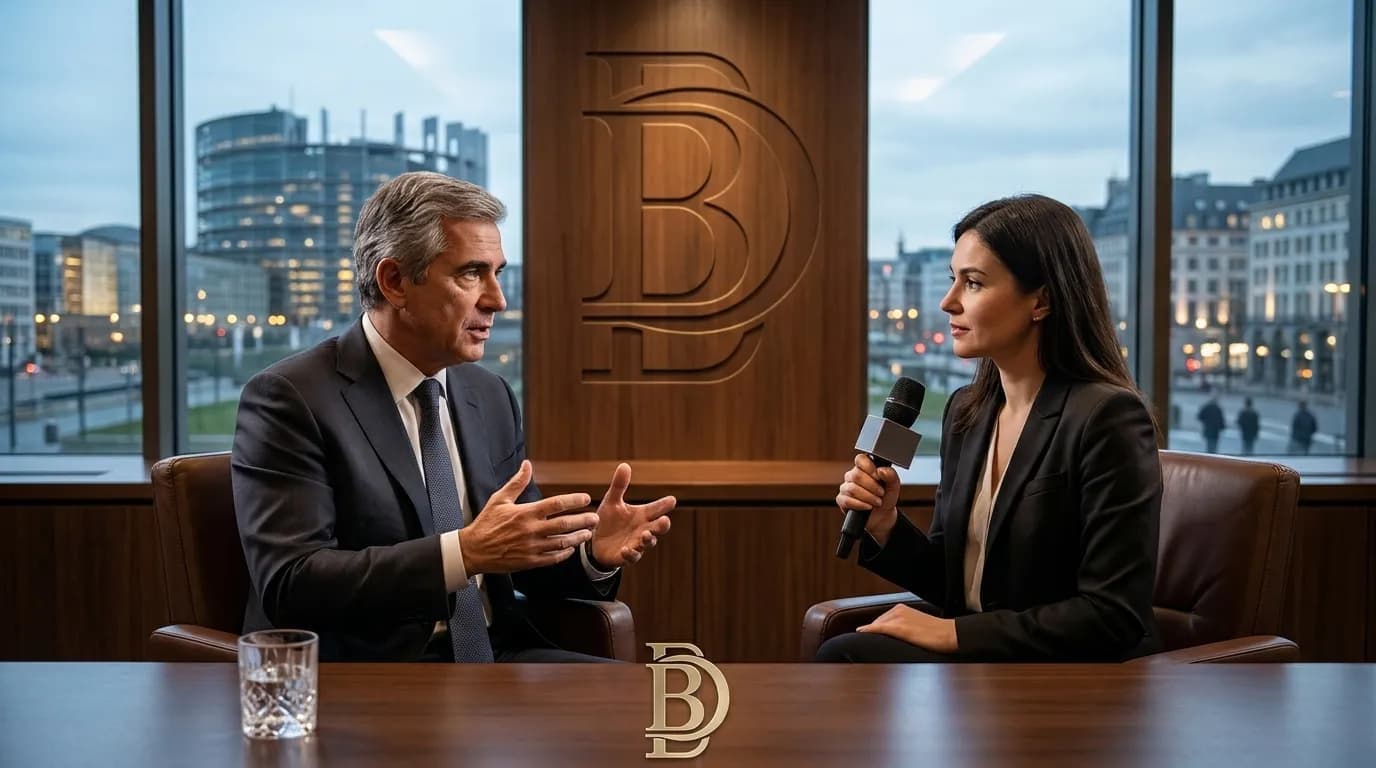
A single social media post can undo years of careful relationship building with an international partner. In this part of its interview series, Business Diplomat presents an assessment by António Buscardini, Founder & CEO and President of the Press Club Brussels Europe. Asked how digital reputation management for businesspeople should be institutionalised, he starts with a point about timing that changes how the whole question is understood.
Reputation as everyday governance
First observation: reputation is a daily matter
The assessment opens with a claim about where reputation management belongs:
“Reputation management should be part of an organisation’s everyday governance.”
The choice of “governance” is deliberate. Governance is the routine machinery by which an organisation decides, authorises and takes responsibility. By placing reputation inside it, Buscardini rejects the idea that reputation is a communications department’s side task or a matter for crisis meetings. It is treated like finance or compliance: something that is managed continuously, with owners and procedures, whether or not anything is going wrong.
Second observation: the cost of waiting
The second sentence explains why:
“By the time a controversial post attracts international attention, the opportunity to prevent the damage may already have passed.”
The sentence is about time. Once a post has crossed borders, the only remaining work is repair, and repair is always more expensive and less certain than prevention. An organisation that begins thinking about reputation at that moment has started too late. The word “opportunity” is exact: prevention is a window, and it closes before most organisations notice it was open.
How messages cross borders
Third observation: how messages travel
The third passage draws on the speaker’s own experience:
“Through my work in communications, I see how quickly messages cross borders and lose their original context. A statement intended for a domestic audience can reach international partners within minutes, carrying very different cultural or political implications.”
This is the mechanism behind the risk. A message is written for a particular audience, with shared assumptions that the author does not even notice. When the audience changes, the assumptions disappear and the words are read against a different background. Nothing in the text has to be false or offensive at home for it to be damaging abroad. The speed adds to the problem: minutes are not enough time for a correction to travel as far as the original.
The logic of the assessment
The logic of the assessment
The three steps form a chain. Reputation management belongs in everyday governance. This is because prevention has a limited window that closes once a post spreads. And the window closes quickly because messages cross borders in minutes and lose their context on the way. The argument moves from position to reason to mechanism, and each step makes the previous one harder to dispute.
The role of Business Diplomat
The role of Business Diplomat
The platform’s mission is to give young people experience, bring a diplomatic order to the business world, and benefit states by revitalising the economy. Many of the young professionals it works with have grown up posting freely and are now beginning to represent organisations with international partners. Business Diplomat can help them see that the habits of personal posting do not carry over unchanged into professional life, and that the audience for what they write is wider than the one they imagine.
Conclusion
Digital reputation cannot be left to chance and repaired when it fails. It has to be built into the daily governance of an organisation, because the time to prevent damage is before a message is published, and because messages leave their original context within minutes. Business Diplomat aims to help young professionals carry this understanding into their first international roles.
Olha Pashchenko
Contributing writer at EUReflect.
Follow EUReflect
See more of our reporting on Google
Mark EUReflect as a preferred source and our stories are ranked higher for you in Top Stories, Discover and Google News — and carry a “preferred” badge when they are cited in AI results.
Add EUReflect as a preferred source