CEPA and the Future of EU–Indonesia Cooperation
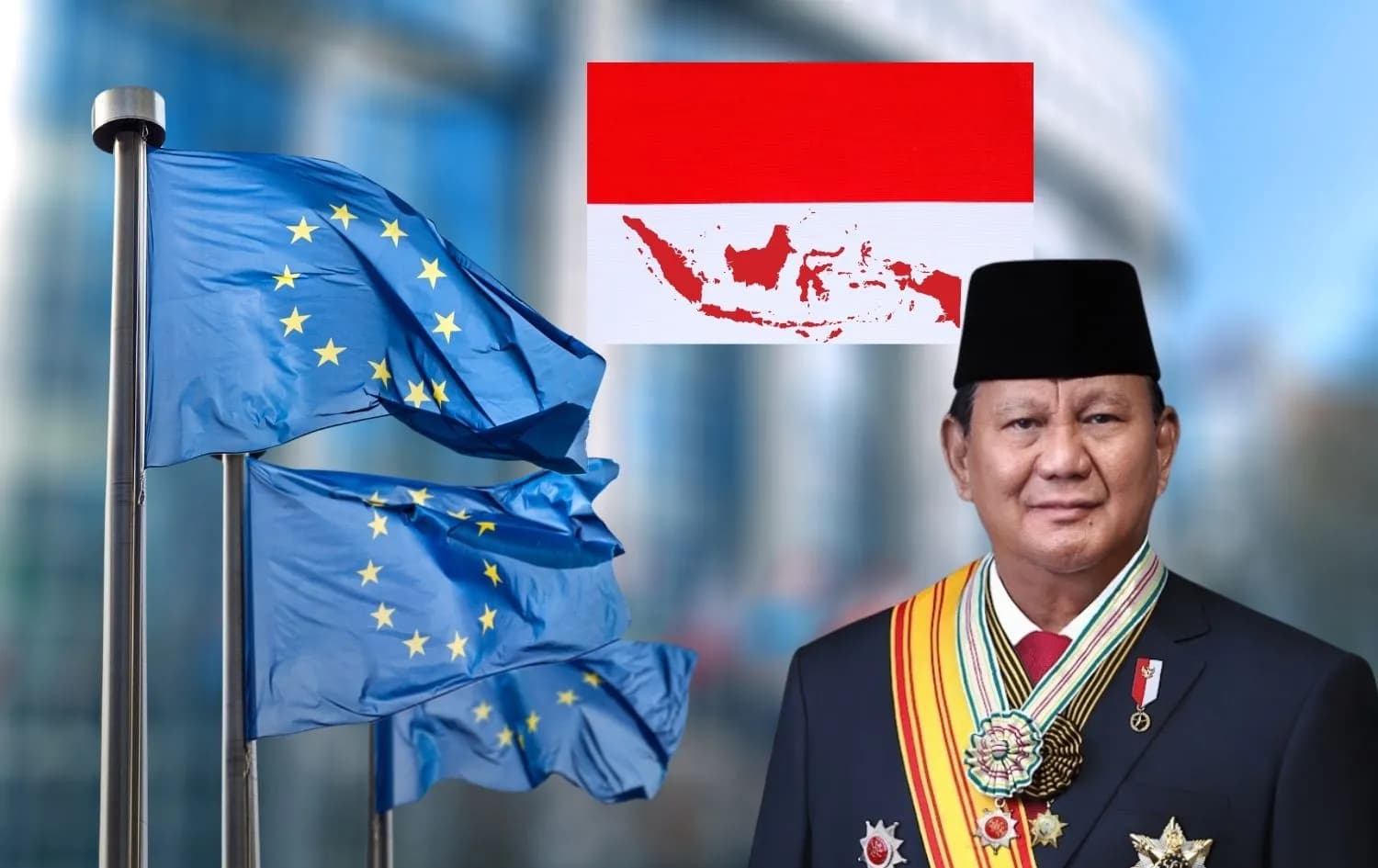
Relations between the European Union and Indonesia have deepened significantly in recent years. Negotiations for a free trade agreement, launched in 2016 following exploratory discussions, were successfully concluded on 23 September 2025. The parties reached an agreement on the Comprehensive Economic Partnership Agreement (CEPA) alongside an Investment Protection Agreement, marking a significant milestone in the evolution of bilateral economic relations. These agreements aim to establish a broader institutional framework for trade and investment while strengthening the strategic partnership between the two economies.
1. Current Structure of EU–Indonesia Trade
Trade relations between the EU and Indonesia have demonstrated steady growth over the past decade. In 2024, bilateral trade in goods reached approximately €27.3 billion. Within this total, EU exports to Indonesia amounted to €9.7 billion, while imports from Indonesia reached €17.5 billion.
The services sector has also shown increasing dynamism. In 2023, bilateral trade in services amounted to €8.8 billion, including €5.7 billion in EU exports and €3.1 billion in Indonesian exports.
Investment flows further illustrate the depth of the economic relationship. As of 2023, the EU’s foreign direct investment (FDI) stock in Indonesia reached €25.1 billion, reflecting the strong presence of European capital in Indonesian manufacturing, services, and infrastructure sectors. By contrast, Indonesia’s FDI stock in the EU remained relatively modest at approximately €1.1 billion. These figures highlight the growing role of European investment in supporting Indonesia’s economic development and industrial diversification.
2. Institutional Framework and Political Dialogue
EU–Indonesia relations extend beyond trade and are supported by a long-standing institutional framework for political and economic cooperation. The foundations of this relationship date back to the 1980 Cooperation Agreement between the European Community and ASEAN, which established the basis for regular dialogue between the two regions.
A significant step toward deeper bilateral engagement was the Framework Agreement on Comprehensive Partnership and Cooperation, signed on 9 November 2009 and entering into force on 1 May 2014. This agreement elevated bilateral relations by institutionalizing regular political dialogue and expanding sectoral cooperation across a broad range of policy areas.
Under this framework, both sides engage in periodic senior officials’ meetings and specialized working groups addressing topics such as trade policy, economic governance, sustainable development, and human rights. These mechanisms provide a structured platform for addressing shared challenges and strengthening strategic cooperation between the EU and Indonesia.
3. The CEPA Agreement and Emerging Economic Opportunities
The Comprehensive Economic Partnership Agreement, negotiated since 2016, represents a comprehensive framework designed to facilitate deeper economic integration between the two partners. Unlike traditional trade agreements that focus primarily on tariff reductions, CEPA covers a wide range of regulatory and economic policy areas.
Key elements of the agreement include:
progressive reduction of customs tariffs,
elimination of non-tariff barriers to trade,
expansion of trade in services,
improved conditions for investment flows,
access to public procurement markets,
strengthened competition rules and intellectual property protection.
In addition, CEPA incorporates provisions related to sustainable development, environmental protection, and responsible supply chain management. These provisions align the agreement with broader international standards on sustainable economic governance.
Indonesia currently benefits from preferential access to the EU market under the Generalised Scheme of Preferences (GSP), which allows a significant share of Indonesian exports to enter the EU with reduced tariffs. The implementation of CEPA is expected to institutionalize and expand these advantages within a more comprehensive trade architecture.
Conclusion: Future Perspectives for EU–Indonesia Cooperation
The conclusion of CEPA represents a strategic turning point in EU–Indonesia relations. Beyond facilitating increased trade and investment, the agreement also opens new avenues for cooperation across several emerging sectors. In the coming period, bilateral collaboration is expected to expand particularly in areas related to the green transition and energy cooperation, including investments in renewable energy and climate-related initiatives. At the same time, the digital economy and technological innovation are likely to become important pillars of the partnership, encompassing regulatory frameworks for e-commerce, data governance, and the development of digital infrastructure.
Another critical dimension concerns resilient supply chains and industrial cooperation. As Indonesia increasingly positions itself as a strategic production and logistics hub in Southeast Asia, deeper economic integration with the European market may contribute to the diversification and stability of global supply chains. In addition, regional strategic engagement will remain an important element of the relationship, particularly given Indonesia’s central role within the Association of Southeast Asian Nations and its growing influence in regional economic integration processes.
Taken together, these developments suggest that EU–Indonesia relations are likely to evolve from a predominantly trade-based partnership toward a broader geo-economic and strategic cooperation framework. Such a transformation may play a significant role in strengthening long-term economic connectivity between Europe and Southeast Asia in the coming decades.
Alvara Merrick
Contributing writer at EUReflect.
Follow EUReflect
See more of our reporting on Google
Mark EUReflect as a preferred source and our stories are ranked higher for you in Top Stories, Discover and Google News — and carry a “preferred” badge when they are cited in AI results.
Add EUReflect as a preferred source