China–Uzbekistan Poverty Reduction Cooperation Framework
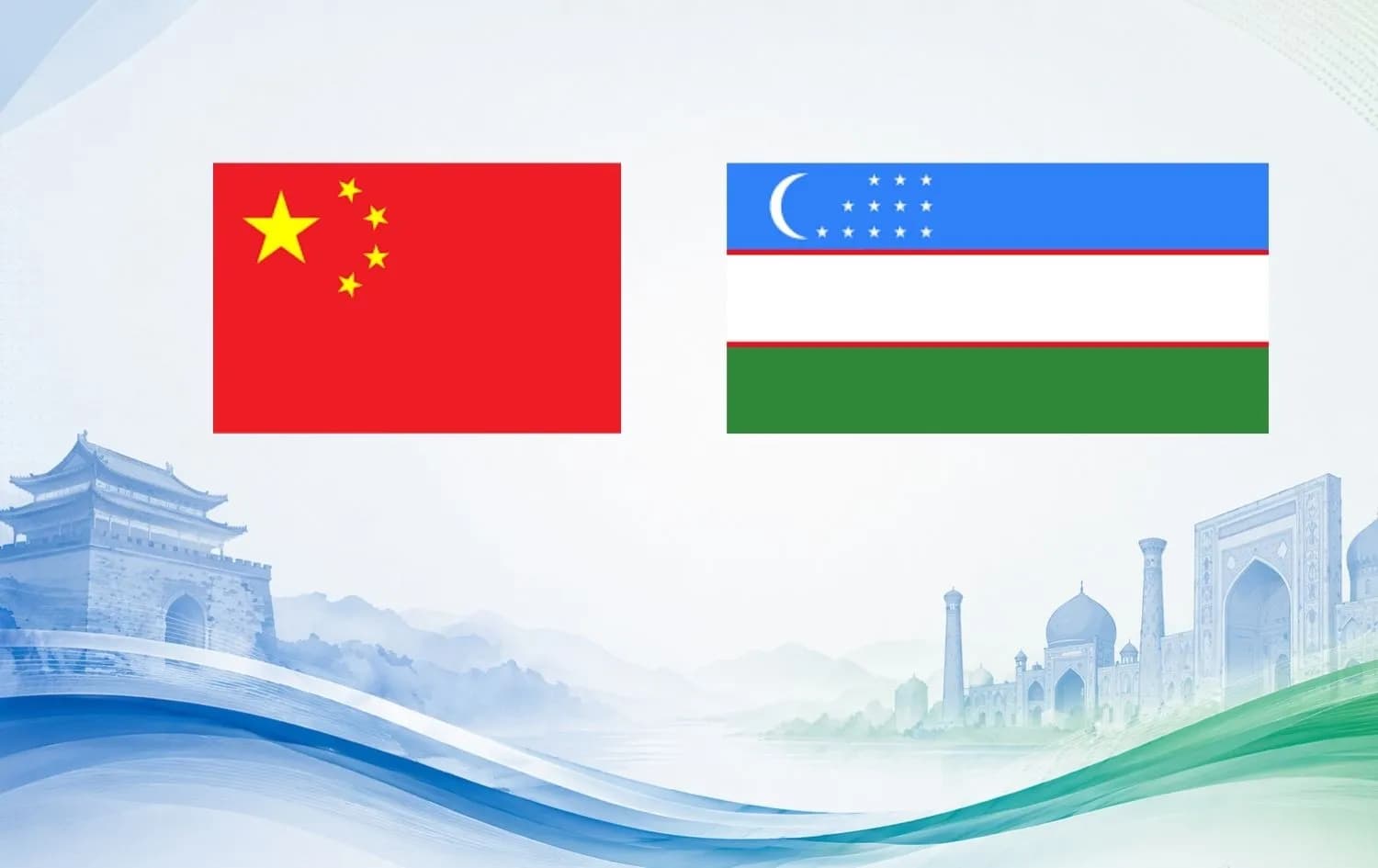
China and Uzbekistan are strengthening institutional cooperation on poverty reduction through policy dialogue and pilot projects. China’s experience in rural development supports Uzbekistan’s structural transformation, aiming at sustainable growth and enhanced development capacity.
Introduction
Uzbekistan, as one of the most populous countries in Central Asia, has been undergoing a significant transformation in recent years through economic reforms, rural development initiatives, and foreign investment policies. The country’s structural potential—particularly in agriculture, textiles, and energy—offers substantial opportunities for poverty reduction and regional development. In this context, cooperation between the People’s Republic of China and Uzbekistan has evolved beyond traditional diplomatic engagement into a development-oriented strategic partnership.
The third meeting of the Subcommittee on Poverty Reduction Cooperation of the China–Uzbekistan Intergovernmental Cooperation Committee, held on April 1 in Beijing, reflects the institutional deepening of this partnership. The meeting demonstrates a shared commitment to advancing practical cooperation mechanisms aimed at enhancing poverty alleviation outcomes and fostering sustainable development.
1. Institutional Deepening of Cooperation and Policy Dialogue
During the meeting, the two sides engaged in comprehensive discussions on pilot poverty reduction projects, institutional capacity building, and more effective utilization of existing cooperation platforms. China’s extensive experience in poverty alleviation—particularly its integrated rural development model—serves as a key reference point for Uzbekistan’s policy framework.
The Uzbek side expressed strong interest in China’s multidimensional approach, which combines agricultural modernization, industrial integration in rural areas, and targeted income support mechanisms. In this regard, the institutional dialogue between the two countries is not limited to information exchange but increasingly reflects a process of policy learning and adaptation.
This evolving cooperation mechanism contributes to strengthening governance capacities and improving the implementation efficiency of poverty reduction strategies in Uzbekistan.
2. Structural Development Potential of Uzbekistan
Uzbekistan possesses considerable structural advantages, including a young population, extensive agricultural land, and strong production capacity in cotton, fruits, and vegetables. Recent economic liberalization measures have further enhanced private sector participation and increased foreign investment inflows.
However, regional disparities and persistent rural poverty continue to present significant development challenges. Improving agricultural productivity, modernizing irrigation systems, and developing agro-industrial value chains are critical priorities for sustainable poverty reduction.
In this context, cooperation with China provides Uzbekistan with access to technical expertise, institutional experience, and development models that can help unlock its latent economic potential. In the long term, Uzbekistan’s transition from raw agricultural production to value-added agro-industrial systems is expected to significantly enhance income generation and regional economic balance.
3. Transfer of China’s Poverty Reduction Experience and the Emerging Cooperative Model
China’s poverty reduction strategy is characterized by integrated rural development, targeted assistance programs, infrastructure investment, and the promotion of local entrepreneurship. Uzbekistan has expressed particular interest in adapting these experiences to its own socio-economic context.
One of the key outcomes of the meeting is the emphasis on pilot projects aimed at applying China’s agricultural-based poverty reduction practices in selected regions of Uzbekistan. These initiatives are expected to enhance rural employment, improve productivity, and reduce income inequality.
Furthermore, both sides agreed to strengthen cooperation between specialized institutions, expand capacity-building programs, and promote demonstration projects. This approach reflects a shift from traditional aid-based cooperation toward a more sustainable, knowledge-driven development partnership.
Conclusion
The China–Uzbekistan cooperation framework on poverty reduction represents a significant step toward building a long-term development partnership grounded in institutional learning and practical collaboration. Uzbekistan’s demographic advantages, agricultural potential, and ongoing reform agenda, combined with China’s extensive experience in poverty alleviation, create a strong foundation for mutually beneficial cooperation.
In the future, this partnership is likely to extend beyond poverty reduction, contributing to Uzbekistan’s broader objectives of sustainable economic growth, structural transformation, and deeper regional integration.
https://english.moa.gov.cn/news_522/202604/t20260408_301591.html
Alvara Merrick
Contributing writer at EUReflect.
Follow EUReflect
See more of our reporting on Google
Mark EUReflect as a preferred source and our stories are ranked higher for you in Top Stories, Discover and Google News — and carry a “preferred” badge when they are cited in AI results.
Add EUReflect as a preferred source