Civil Society Takes Centre Stage in Brussels Talks on Ukraine’s Security and Recovery
At the European Parliament on November 19th, lawmakers, civil-society leaders, and humanitarian actors gathered for the Renew Europe Reconstruction Talks, hosted by Renew Europe MEP Petras Auštrevičius, sending a clear political message: Ukraine’s resilience is no longer defined solely by its army, but by the strength of its civil society.

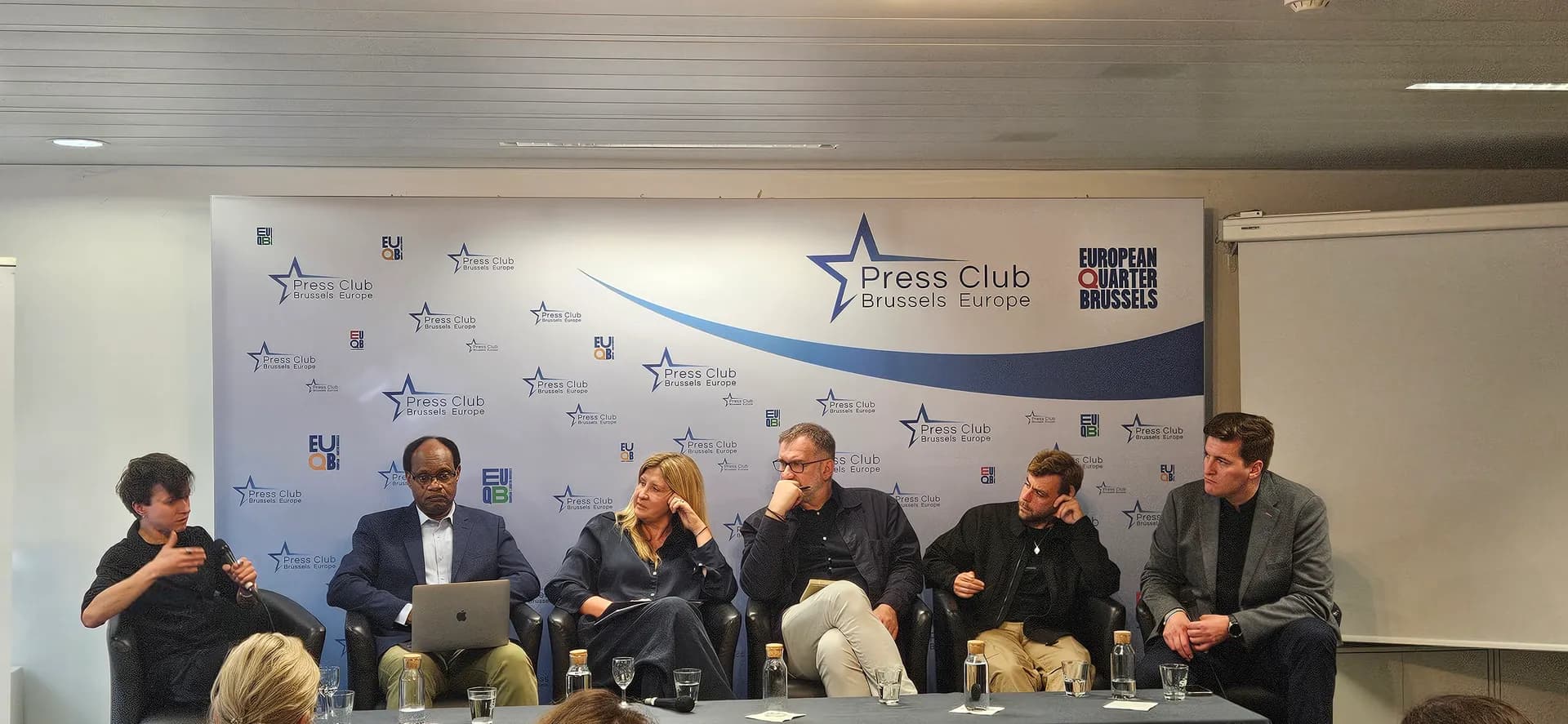
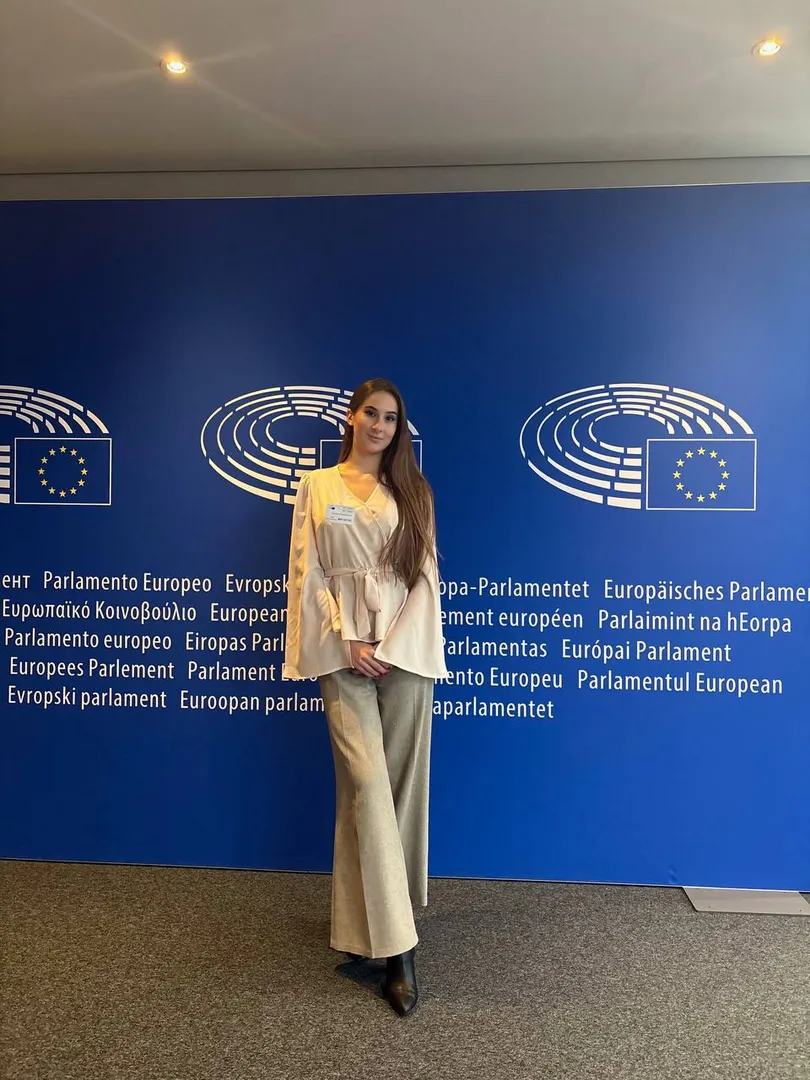
During the discussions—which I attended as a Ukrainian journalist for EU Reflect—participants emphasised that volunteer organisations and NGOs now operate as a strategic extension of Ukraine’s defence architecture. From supplying drones to rescuing deported children, civil society has filled critical gaps that no government can fully address during wartime.
A New Model of Defence: Society as a Strategic Actor
Speakers from well-known organisations such as Come Back Alive, Dignitas Fund, Blue/Yellow, and Wings for Europe stressed that Ukraine has effectively pioneered a 21st-century defence model in which citizen mobilisation becomes a national security asset.
According to defence volunteers, civilian-led crowdfunding campaigns are now responsible for providing everything from reconnaissance drones to medical kits—sometimes faster and more efficiently than traditional procurement channels. Several EU-based initiatives confirmed that European citizens continue to fundraise independently, demonstrating sustained grassroots support for Ukraine across the continent.
The presence of MEPs actively involved in defence and security policy, including Karin Karlsbro and Reinis Pozņaks, underlined a growing recognition in Brussels that Ukrainian volunteerism is not a temporary wartime phenomenon but a structural feature of its modern defence ecosystem.
Healing the Human Front: NGOs Confront Trauma and War Crimes
The second central message of the talks was that Ukraine’s recovery begins long before the war ends.
Representatives from Superhumans, Save Ukraine, Numo, Sisters!, and other humanitarian organisations highlighted a grim but urgent reality: thousands of Ukrainian soldiers, children, and former prisoners of war require long-term medical and psychological care.
The NGOs warned that the reintegration of women returning from Russian captivity and the rehabilitation of wounded defenders continue to outpace available resources. At the same time, journalists were briefed on cross-border efforts to document and reverse the deportation of Ukrainian children—a crime that attendees insisted must remain at the forefront of Europe’s political agenda.
European Institutions Signal Long-Term Commitment
European Commissioner for Defence and Space Andrius Kubilius joined the event for a high-level exchange, reinforcing the EU’s readiness to align defence industrial policy with the realities of a long war. According to Kubilius, Europe must treat Ukraine’s survival as a cornerstone of its own security—a framing that strongly resonated with the parliamentary hosts.
The discussions reflected a broader shift within the EU: the idea that reconstruction, reintegration, and resilience-building must run in parallel with military assistance. MEPs stressed that supporting Ukrainian civil society is as vital as delivering ammunition.
A European Partnership Built on People, Not Just Policy
The Brussels gathering reaffirmed that the Ukraine–EU partnership now extends well beyond institutions. It is being shaped by engineers designing battlefield technology, volunteers delivering aid, psychologists supporting traumatized families, and activists rescuing children from illegal deportation.
I would like to express a special thanks to Jens Alstrup for your heartwarming speech. Your voice is heard.
For Europe, backing these initiatives is not charity—it is geopolitical strategy. For Ukraine, they are lifelines.
Olha Pashchenko
Contributing writer at EUReflect.
Follow EUReflect
See more of our reporting on Google
Mark EUReflect as a preferred source and our stories are ranked higher for you in Top Stories, Discover and Google News — and carry a “preferred” badge when they are cited in AI results.
Add EUReflect as a preferred source