ESC Unveils New Heart Guidelines
The European Society of Cardiology has released three major guideline updates covering cardiac rehabilitation, cardiovascular disease linked to chronic kidney disease, and heart failure. The new recommendations broaden the role of rehabilitation and call for closer monitoring of kidney health among people with cardiovascular disease.
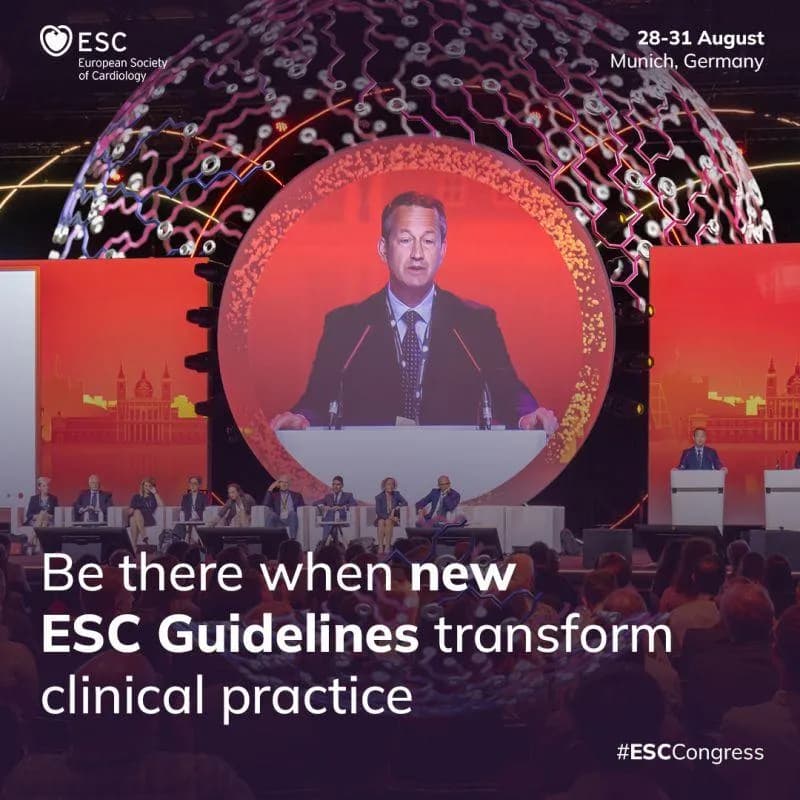
A New Approach to Heart Care
The European Society of Cardiology has introduced three major sets of guidelines at ESC Congress 2026 in Munich, addressing cardiac rehabilitation, cardiovascular disease associated with chronic kidney disease, and heart failure. The recommendations aim to strengthen prevention and improve long-term care for patients with cardiovascular conditions.
One of the most significant changes is the expansion of cardiac rehabilitation. Traditionally associated with patients recovering from heart attacks or heart failure, rehabilitation is now recommended for a broader range of patients, including people with atrial fibrillation, congenital heart disease, heart valve replacements and cardiovascular complications linked to cancer treatment.
The new approach reflects a wider understanding of cardiovascular recovery. Rehabilitation is not limited to physical exercise; it can also improve quality of life, psychological wellbeing, confidence and long-term cardiovascular outcomes. By extending rehabilitation to more patient groups, European cardiology is placing greater emphasis on prevention and recovery rather than focusing exclusively on acute treatment.
Another major development concerns the relationship between cardiovascular disease and chronic kidney disease. The ESC's new recommendations call for patients with cardiovascular disease to be assessed for kidney disease, recognising that the two conditions frequently interact and can increase overall health risks.
This integrated approach could have important implications for healthcare systems across Europe. Instead of treating heart and kidney conditions separately, physicians are being encouraged to consider them as interconnected parts of a patient's overall health profile.
The recommendations also arrive as Europe faces growing pressure from ageing populations and increasing rates of chronic disease. More effective long-term management could help reduce complications and improve quality of life while potentially easing pressure on healthcare systems.
The broader significance of the new guidelines lies in their emphasis on integrated cardiovascular care. As heart disease becomes increasingly connected with other chronic conditions, European healthcare is moving toward a model in which prevention, rehabilitation and early detection play a larger role alongside conventional medical treatment.
Ipek Tuncer
M.A. in International Relations
Follow EUReflect
See more of our reporting on Google
Mark EUReflect as a preferred source and our stories are ranked higher for you in Top Stories, Discover and Google News — and carry a “preferred” badge when they are cited in AI results.
Add EUReflect as a preferred source