Work Programmes Support Reentry
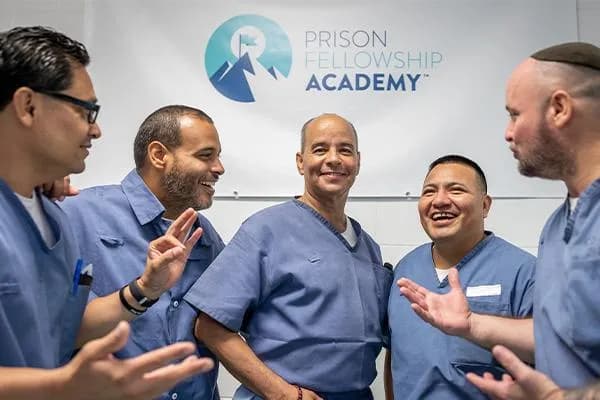
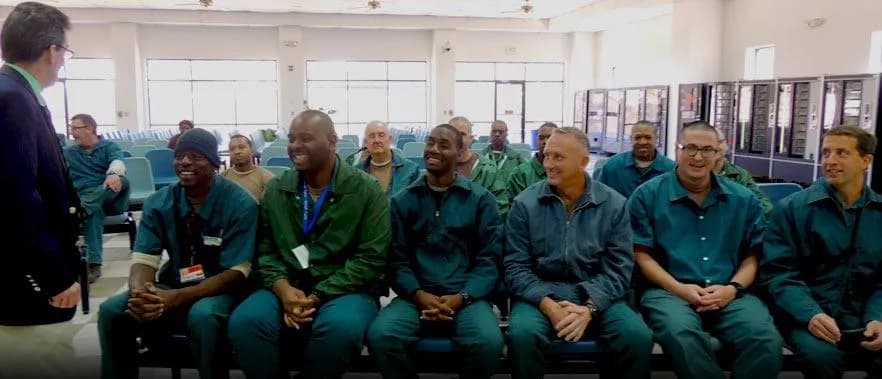
The U.S. is using prison employment and vocational training to help incarcerated people develop skills for successful reentry.
Building Skills Behind Bars
The U.S. Federal Bureau of Prisons is expanding its focus on employment and vocational training as part of its rehabilitation and reentry strategy.
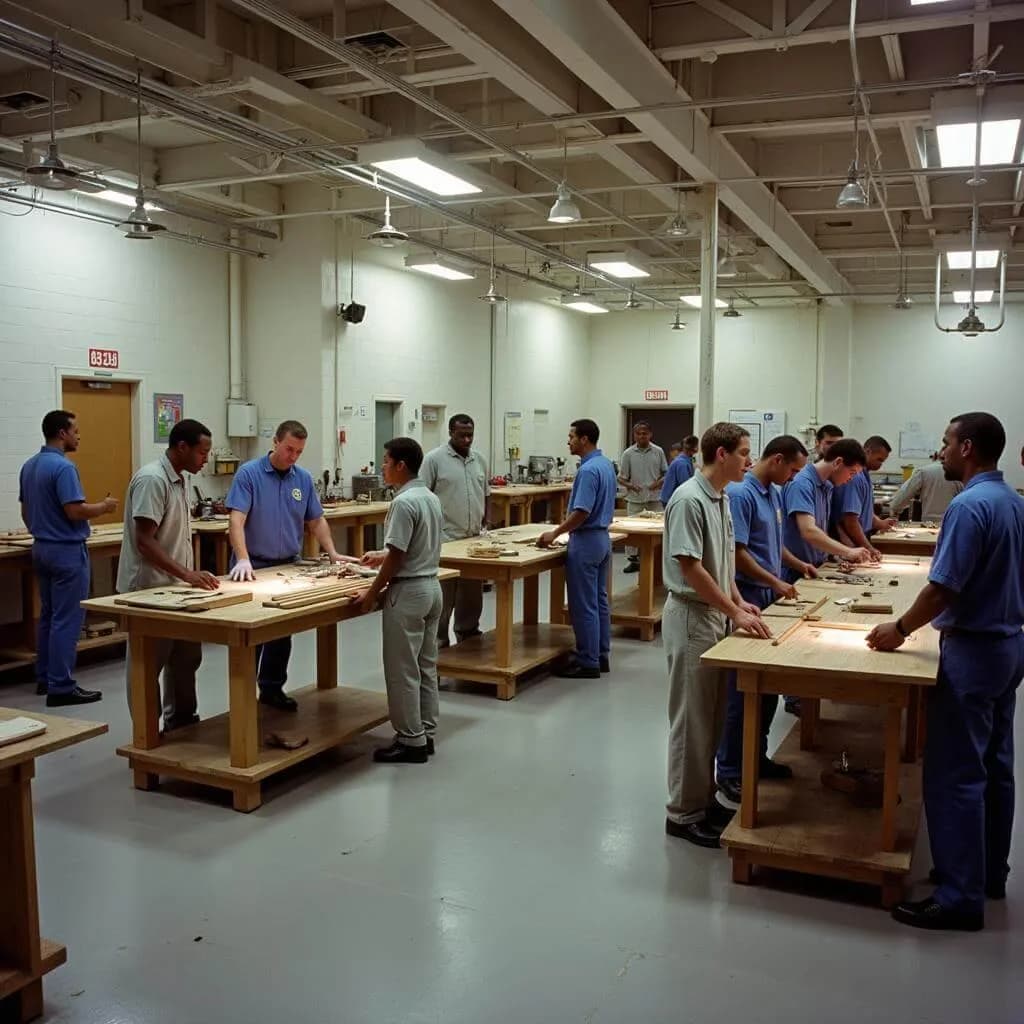
Through Federal Prison Industries, known as UNICOR, incarcerated people can gain practical work experience and develop marketable skills before returning to their communities. The programme covers areas including manufacturing, textiles, carpentry, customer service and equipment maintenance.
Building Skills for Release
The objective extends beyond providing work inside prison. The Bureau considers employment preparation an important part of successful reintegration, helping individuals develop skills that can be used after release.
BOP's education programmes similarly combine vocational training with labour-market needs, while work assignments provide opportunities to gain practical experience.
Employment and Reintegration
Stable employment can provide more than financial security after release. It can also give individuals a legitimate social role, daily structure and opportunities to establish relationships outside the criminal justice system.
This makes employment particularly relevant to desistance theory, which emphasises the importance of social roles, identity and legitimate opportunities in the process of moving away from crime.
Evidence Behind the Model
The BOP reports that participants in UNICOR have been found to be 24% less likely to recidivate and 14% more likely to obtain employment after release, based on the Post-Release Employment Project.
These findings help explain why employment has become an important component of correctional rehabilitation. However, employment programmes are most effective when combined with other forms of support, including education, treatment and reentry assistance.
Preparing for Life After Prison
The broader federal reentry strategy begins from the first day of incarceration and intensifies before release. Programmes include vocational education, résumé preparation, job-search training and connections with community organisations.
The U.S. approach therefore treats work not simply as an activity during imprisonment, but as a potential pathway towards rehabilitation, economic stability and successful reintegration.
Ipek Tuncer
M.A. in International Relations
Follow EUReflect
See more of our reporting on Google
Mark EUReflect as a preferred source and our stories are ranked higher for you in Top Stories, Discover and Google News — and carry a “preferred” badge when they are cited in AI results.
Add EUReflect as a preferred source