Health · Health Policy Systems
Europe’s New Era in Child Rehabilitation
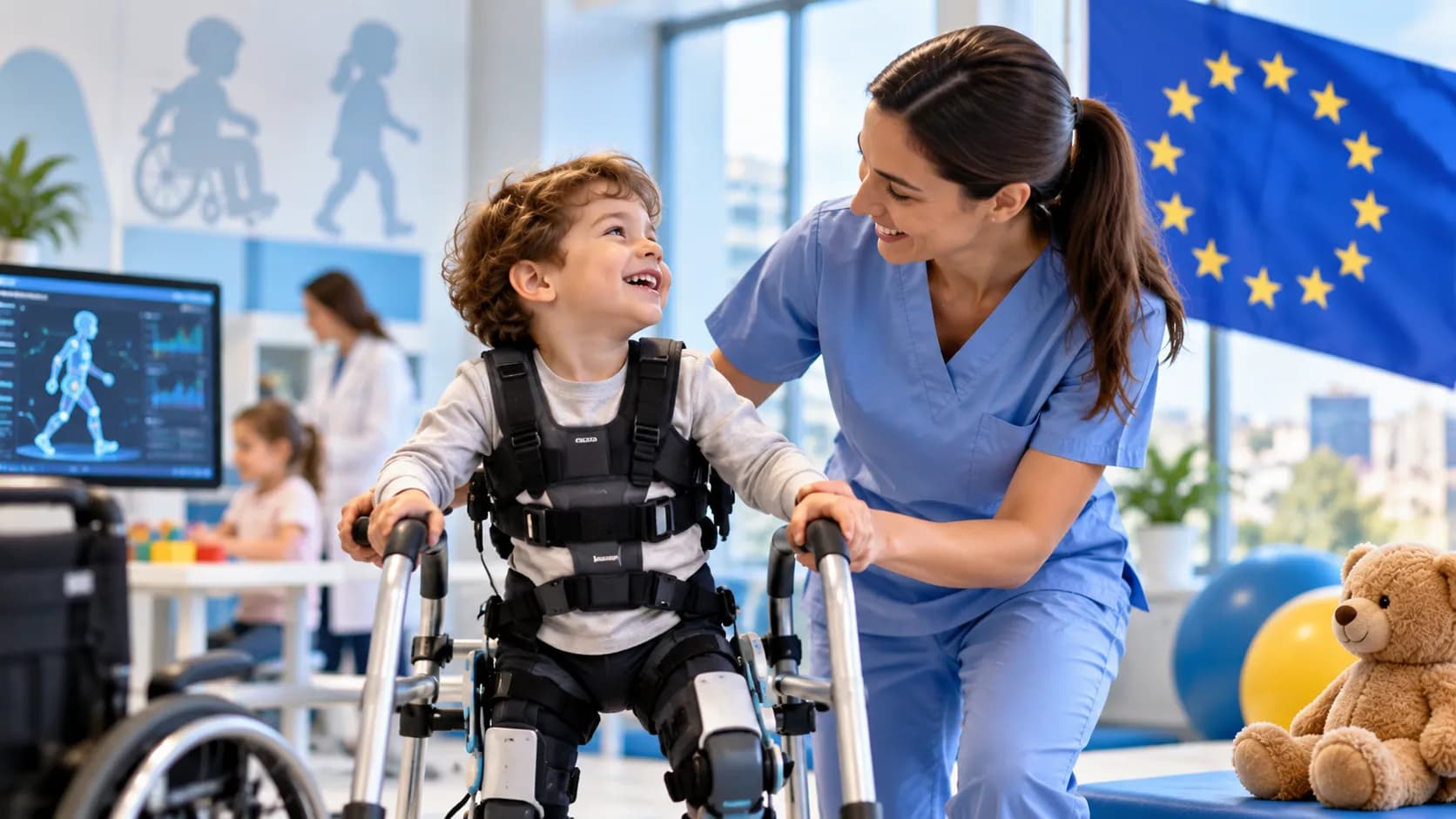
EU4Health-funded projects are developing devices for home rehab, including a modular system for upper-limb exercises and dynamic head support for severe neuromotor impairments.
EU4Health-funded projects are developing devices for home rehab, including a modular system for upper-limb exercises and dynamic head support for severe neuromotor impairments.

CEPI's 100 Days Mission aims to develop a safe vaccine within 100 days of identifying a new threat, a goal that would have drastically shortened the COVID-19 response.
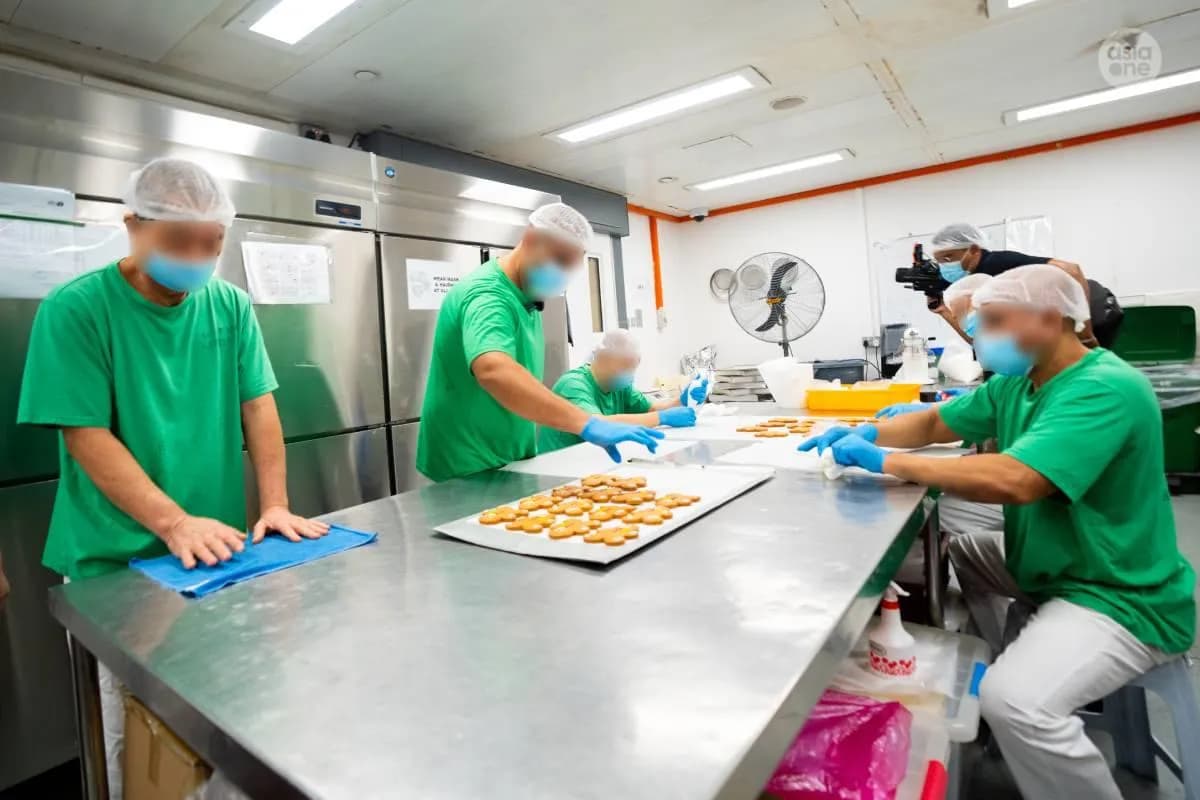
The U.S. is using prison employment and vocational training to help incarcerated people develop skills for successful reentry.
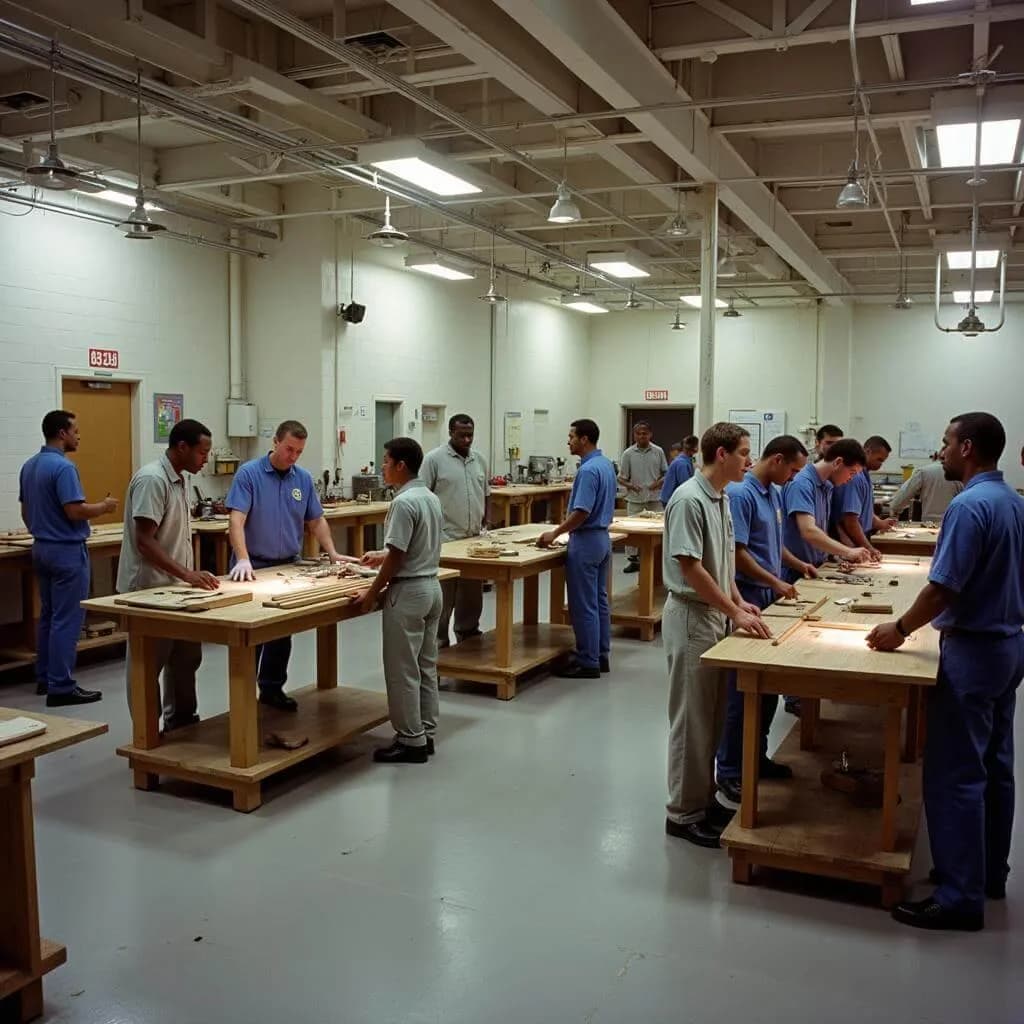
The U.S. is expanding evidence-based rehabilitation programmes designed to prepare incarcerated people for successful reentry and reduce recidivism.
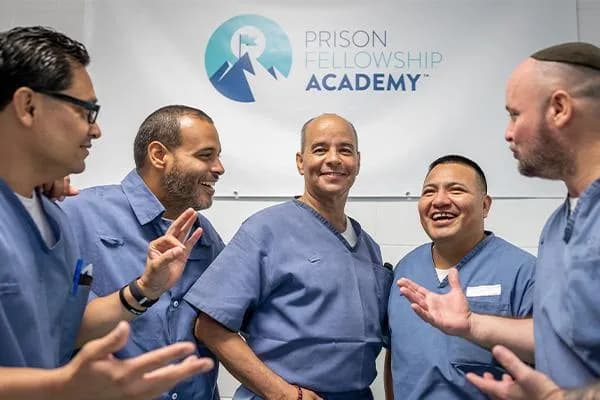
The U.S. Bureau of Prisons is expanding minimum-security placements to help eligible inmates prepare for a gradual return to society.
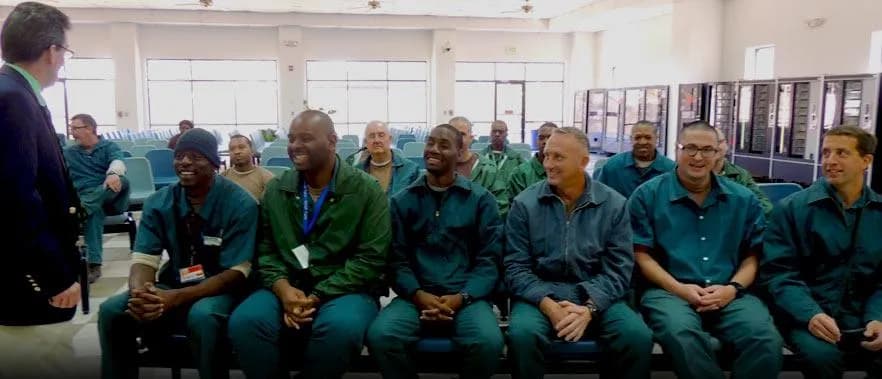
Singapore’s Learning Prison model uses education, skills training and personal planning to prepare inmates for life after release.
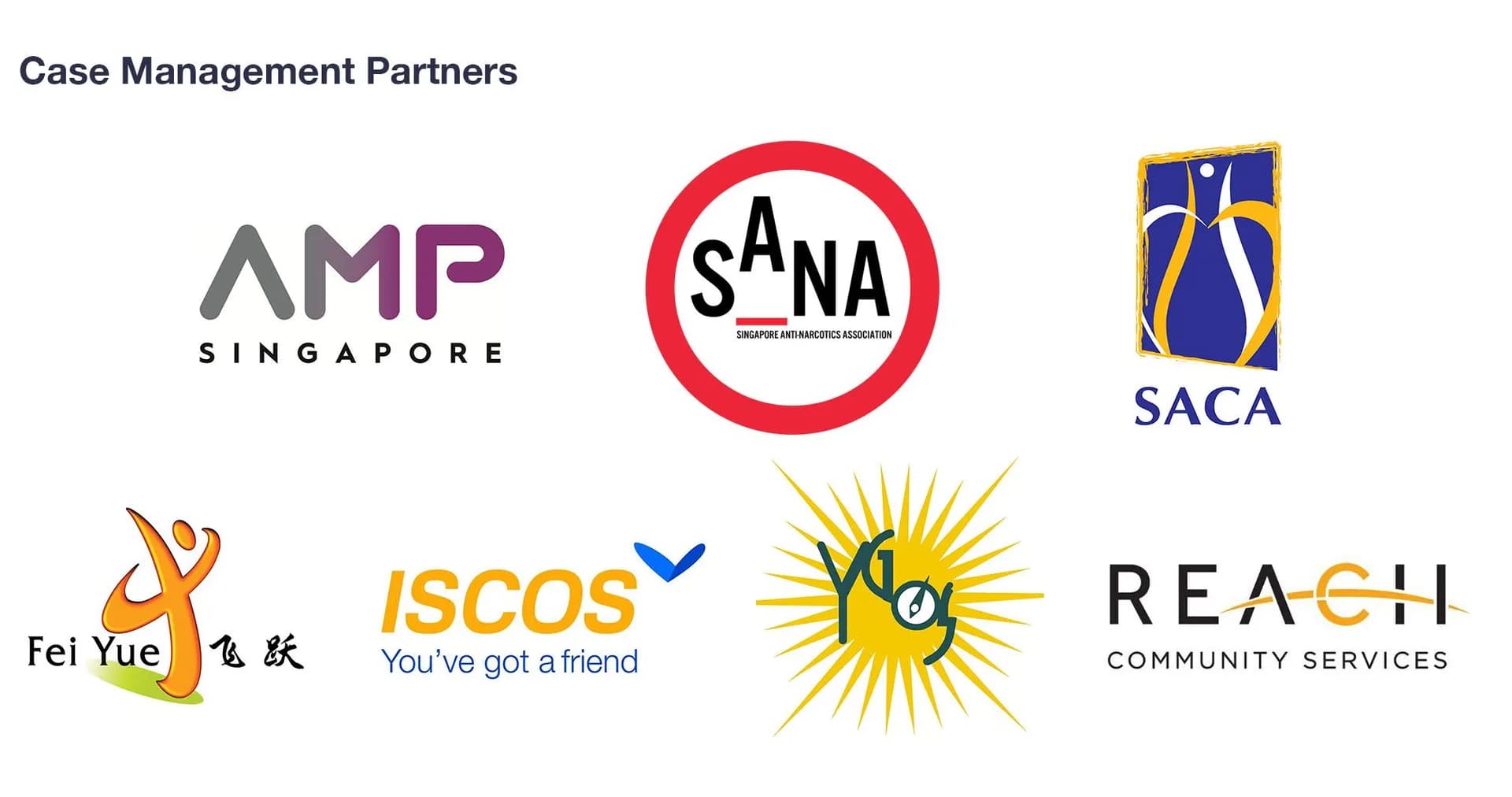
Singapore is strengthening collaboration between government agencies, social services and community groups to support rehabilitation and reintegration.
Singapore is helping inmates gradually return to society through structured community-based rehabilitation programmes.

A major pediatric cancer programme in Lyon is highlighting the importance of supporting children and adolescents beyond cancer treatment, with rehabilitation and long-term care playing an important role in recovery and quality of life.
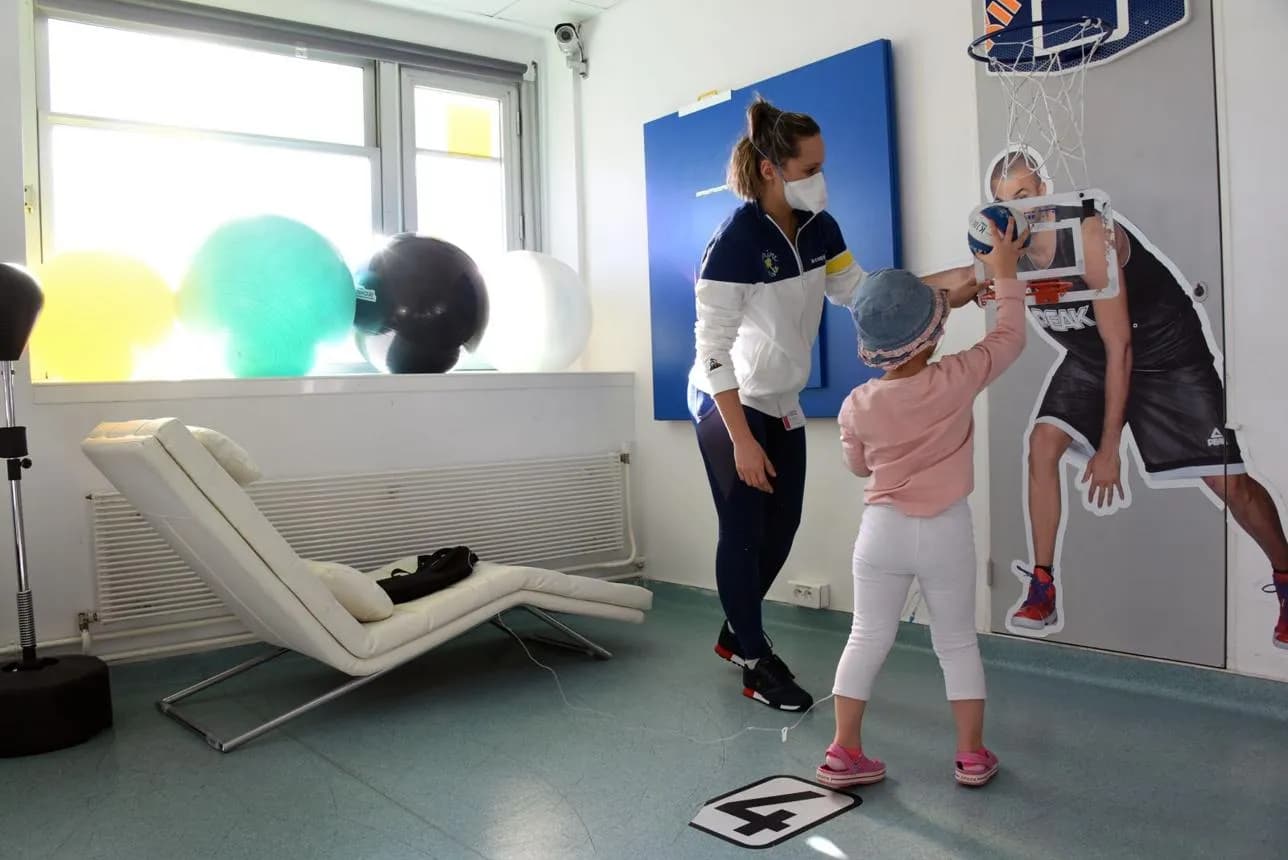
France is strengthening early support for children with developmental and neurological difficulties, with healthcare professionals encouraged to identify rehabilitation needs as early as possible.
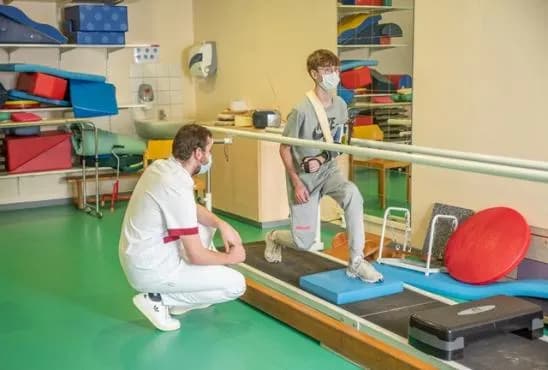
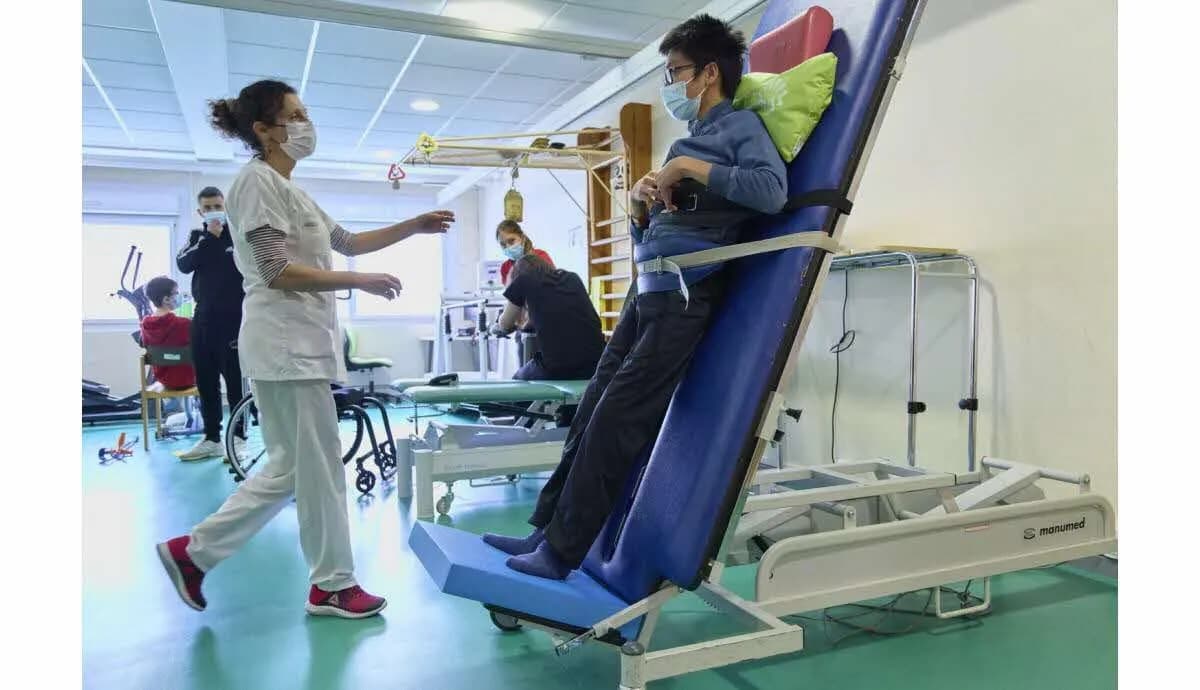
A leading Paris children's hospital is expanding access to specialised rehabilitation care for young patients with neurological and motor conditions through multidisciplinary treatment programmes.
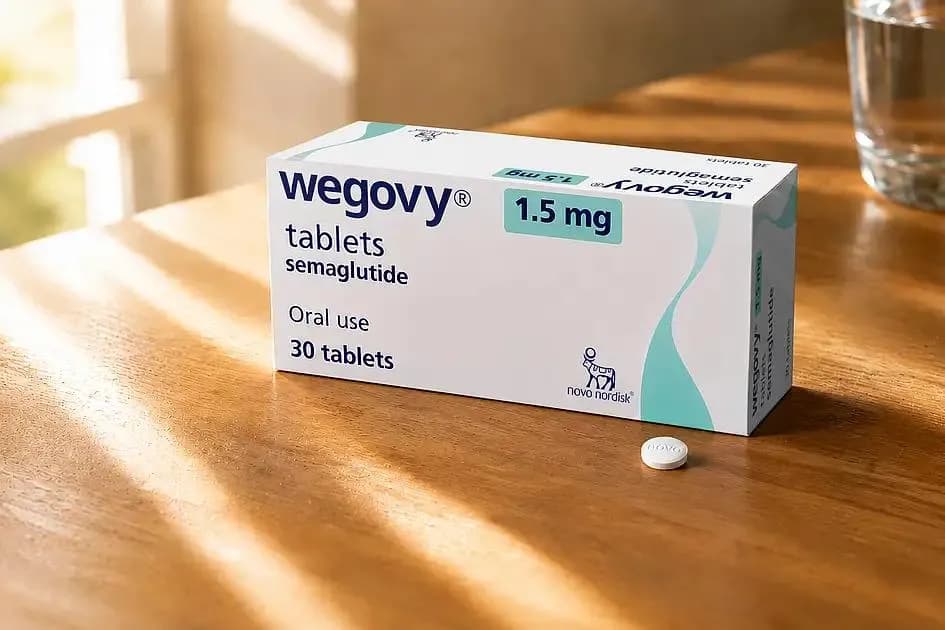
Germany has become the first European Union country to launch Novo Nordisk’s Wegovy weight-loss pill, adding a new oral treatment option to the country’s growing obesity-care market.
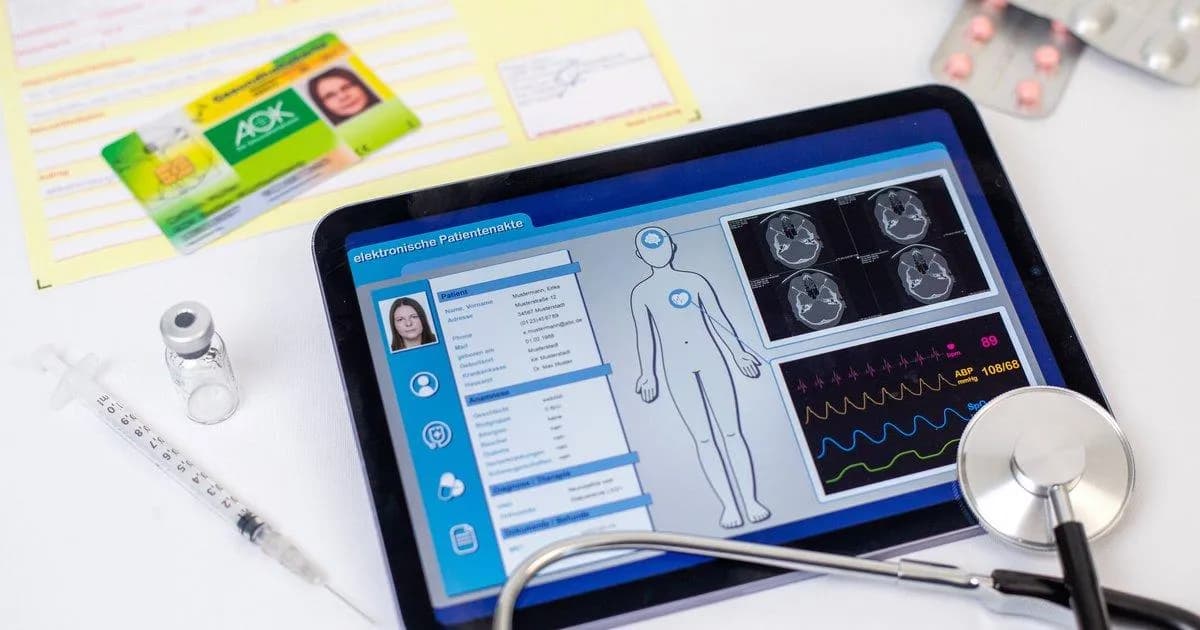
Germany is advancing the digital transformation of its healthcare system with new legislation designed to improve the use of health data for patient care, research and innovation.
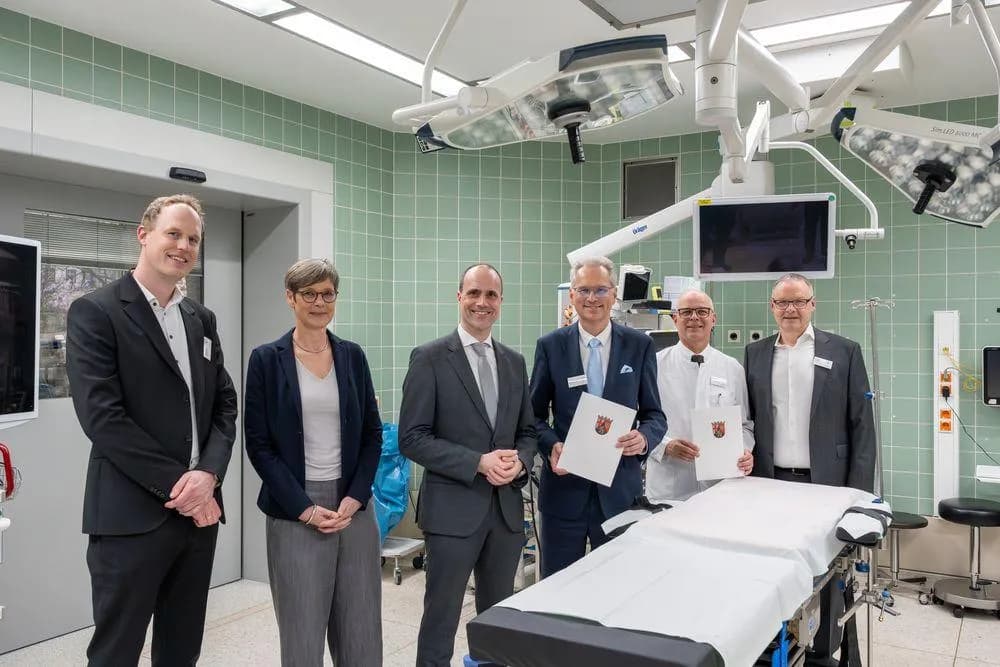
Germany has launched a major hospital transformation programme aimed at modernising healthcare infrastructure and strengthening the long-term delivery of medical services.
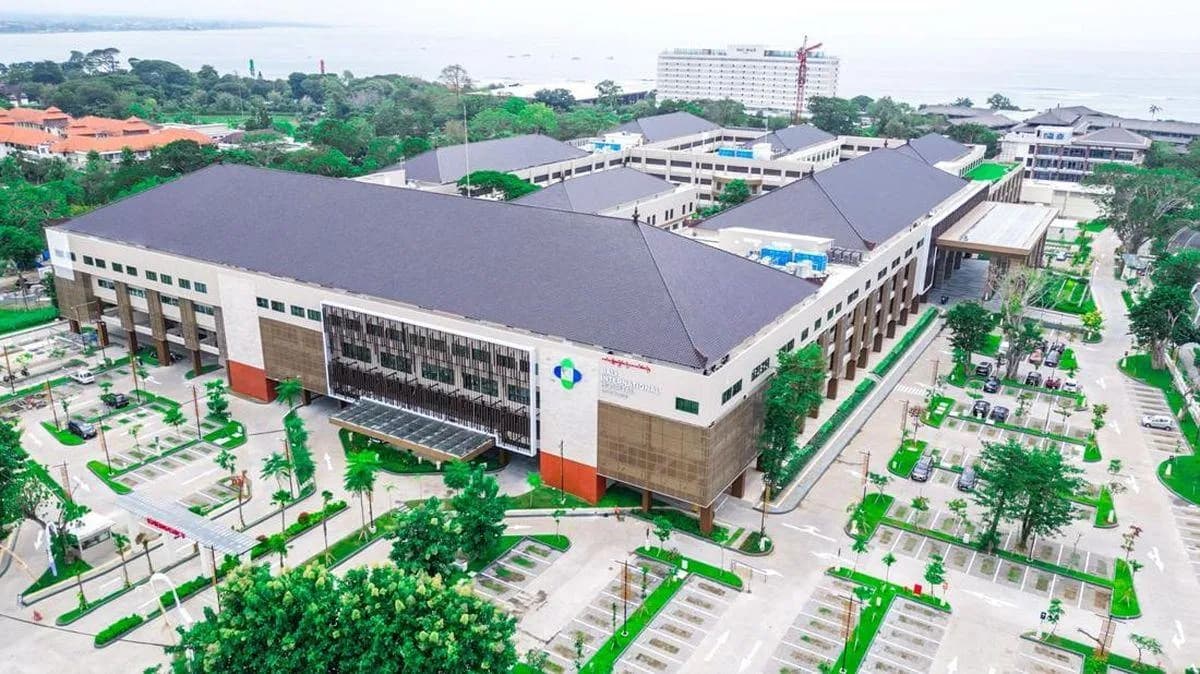
Indonesia is strengthening its wellness tourism ecosystem to improve global competitiveness and attract high-value international visitors.

Bali is strengthening its international health tourism profile by showcasing the Sanur Health Special Economic Zone to foreign diplomats and potential investors.

Indonesia is developing a cross-sector strategy to strengthen health tourism by bringing tourism and healthcare stakeholders together.
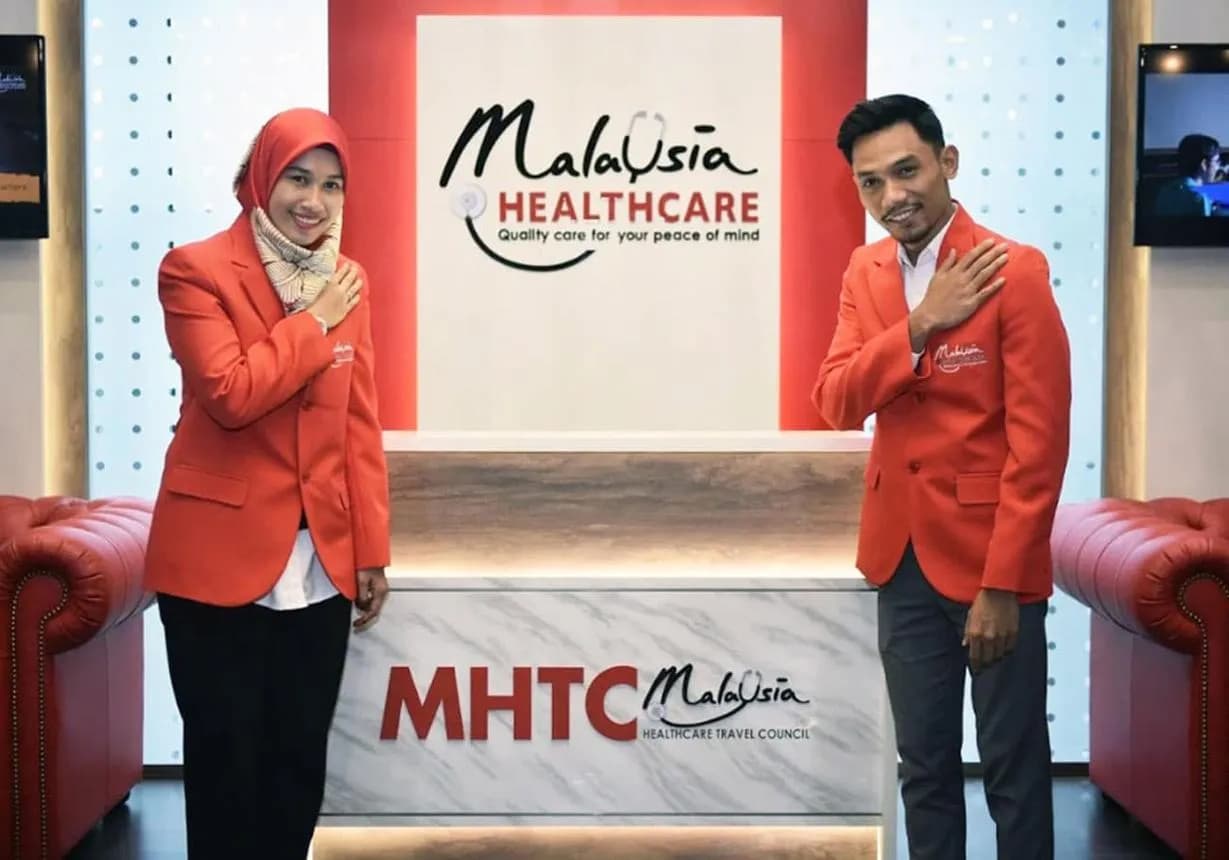
Malaysia is strengthening its medical tourism strategy through closer cooperation between Tourism Malaysia and the Malaysia Healthcare Travel Council.
Malaysia is strengthening its presence in India by promoting medical tourism alongside its wider tourism offerings under the Visit Malaysia 2026–2027 campaign.

The Global Digital Health Certification Network now spans 82 countries, giving around 2 billion people access to digital health records.
With nearly 5,000 cases and over 2,300 deaths in the DRC, the WHO has declared the Ebola outbreak a Public Health Emergency of International Concern.
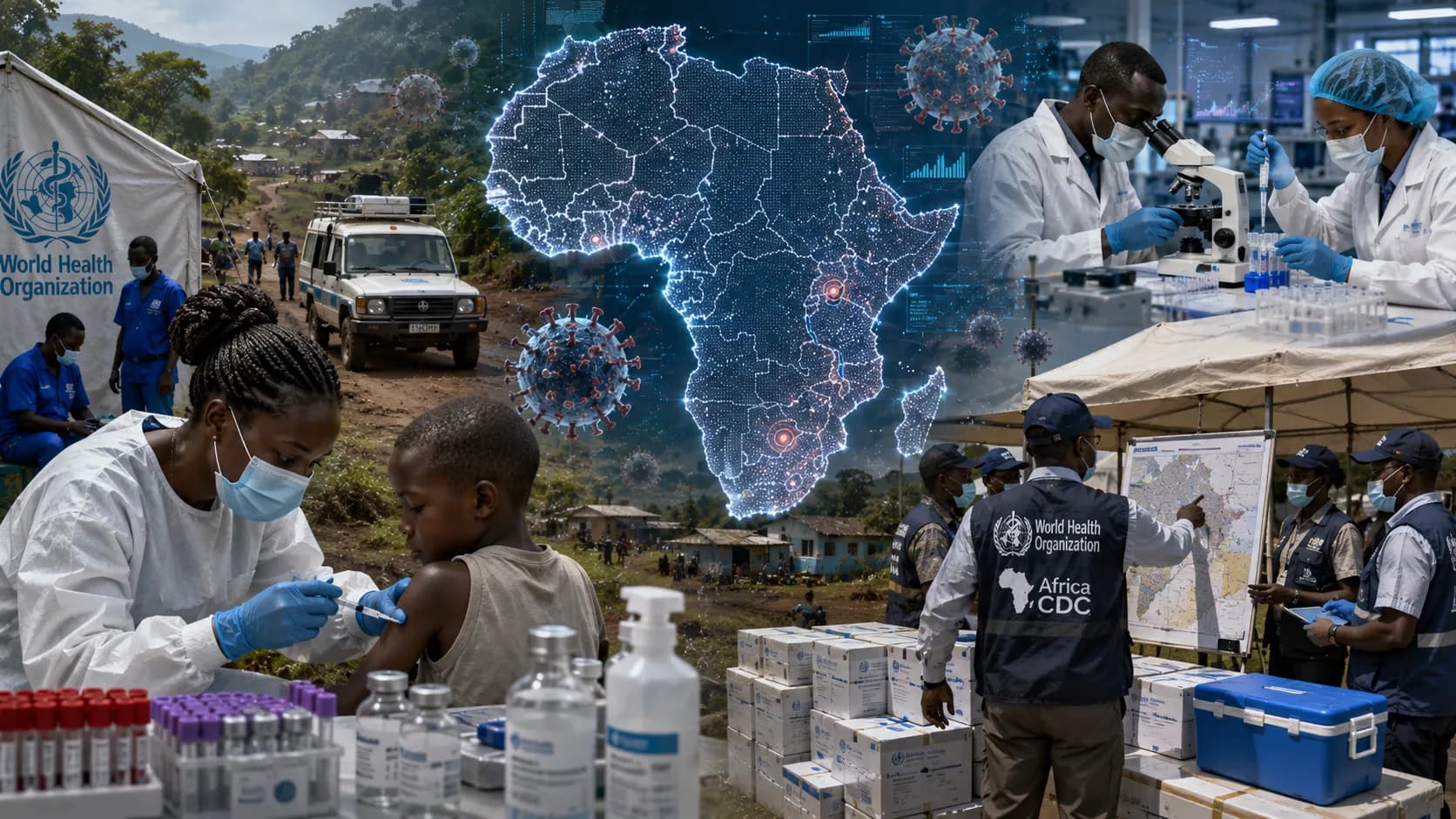
WHO has drawn up research roadmaps for 10 viral families and a group of bacteria to develop diagnostics, treatments, and vaccines before the next pandemic emerges.

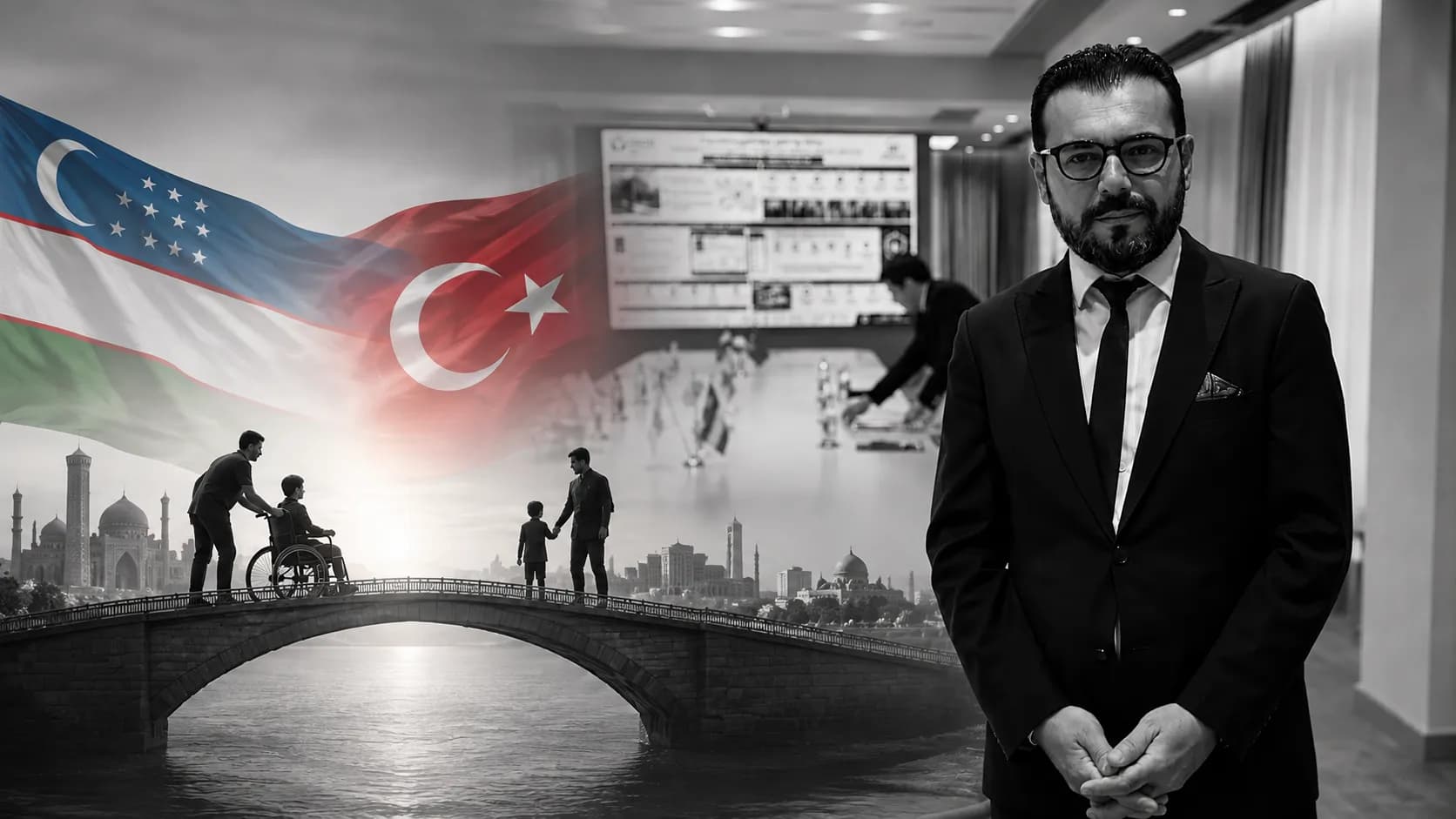
The proposed 'Türkiye Model' envisions a full rehabilitation pathway—from diagnosis to therapy—aimed at integrating children with special needs into social life.
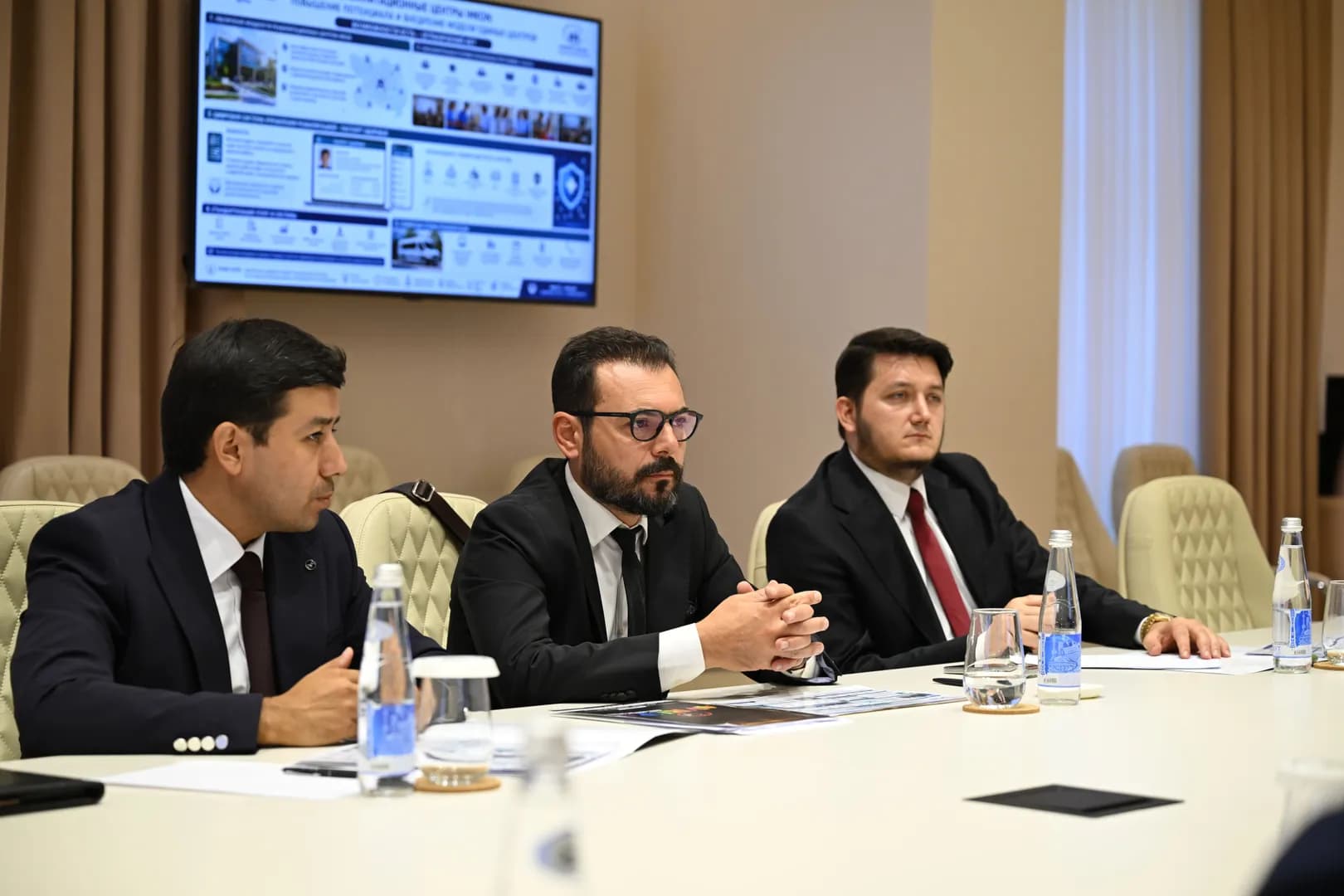
A delegation led by Salih Sunelcan, Chairman of the Board of Avrupa Çocuk Rehabilitation Centers, visited rehabilitation centers in Uzbekistan to strengthen cooperation in special education and rehabilitation services for children with disabilities. The initiative focuses on professional capacity building, early intervention, digital child monitoring, family education, and the exchange of best practices to enhance the quality of rehabilitation services for children with disabilities.