France Supports Recovery After Childhood Cancer
A major pediatric cancer programme in Lyon is highlighting the importance of supporting children and adolescents beyond cancer treatment, with rehabilitation and long-term care playing an important role in recovery and quality of life.
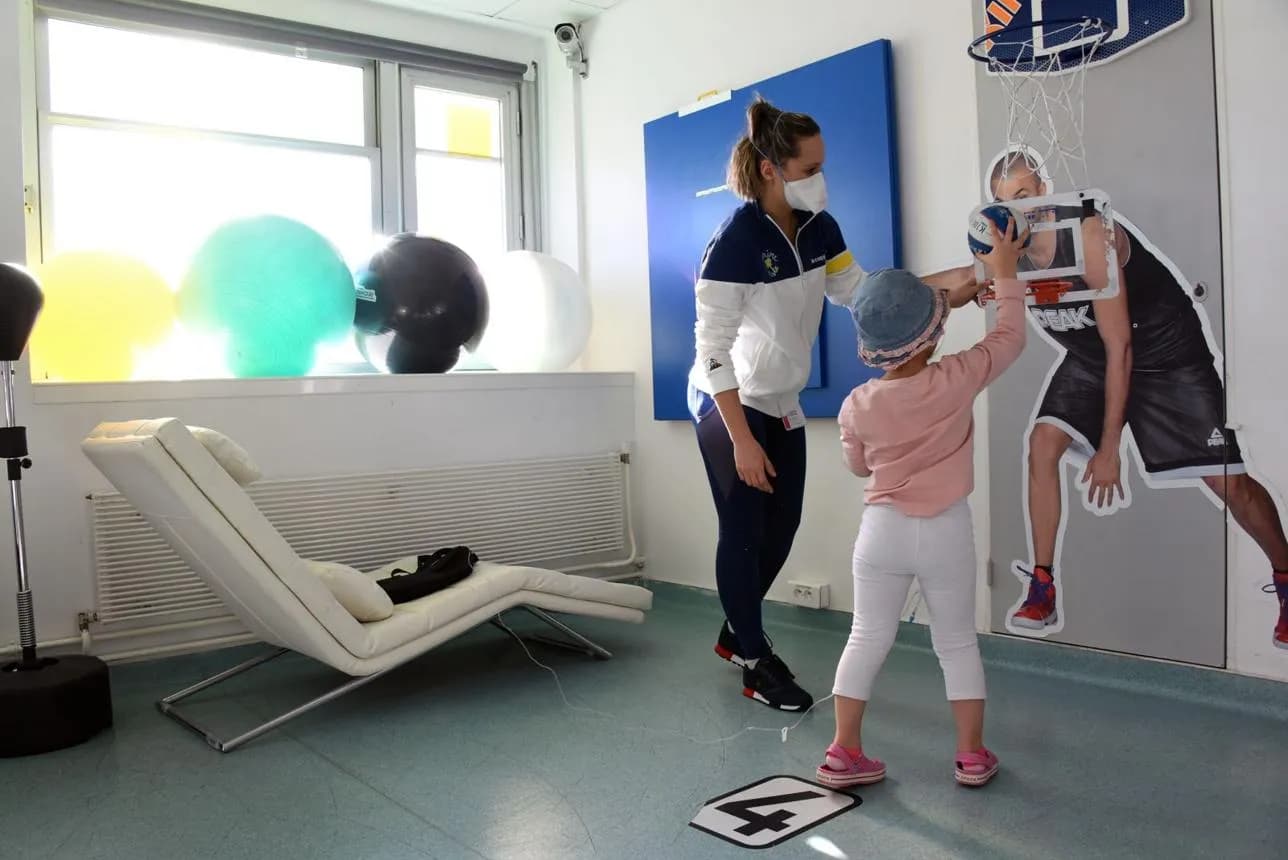
Beyond Cancer Treatment
Recovery from childhood cancer does not necessarily end when medical treatment finishes. Children and adolescents may need continued support as they return to school, social activities and everyday life.
This broader perspective is increasingly important in pediatric healthcare because young patients are still developing physically, psychologically and socially while undergoing treatment.
In Lyon, the Institut d’Hématologie et d’Oncologie Pédiatrique (IHOPe) is participating in September en Or 2026, a national awareness campaign dedicated to childhood, adolescent and young-adult cancers. The campaign runs throughout September and includes activities involving healthcare teams and parent organisations.
Supporting Young Patients
Pediatric rehabilitation can form part of a wider recovery pathway for children who have experienced serious illness.
Depending on individual needs, rehabilitation and supportive care may address physical abilities, mobility, daily activities, communication and the child's return to normal routines.
For young patients, these objectives can be particularly important because illness may interrupt education, social development and participation in activities with other children.
A Multidisciplinary Perspective
The care of a child with cancer involves more than medical treatment alone.
Healthcare professionals, rehabilitation specialists, psychologists, educators and families can all contribute to supporting a child's recovery. The objective is to consider the young patient's needs as a whole rather than focusing exclusively on the disease.
The September en Or programme in Lyon brings together healthcare teams and parent associations and places emphasis on research, treatment and support for families and young patients.
This type of cooperation is particularly relevant to pediatric rehabilitation, where long-term recovery may require coordination between different areas of care.
Returning to Everyday Life
For children and adolescents, successful recovery also means being able to participate in everyday activities.
Returning to school, interacting with friends and rebuilding physical confidence can all become important parts of the period following intensive treatment.
Rehabilitation professionals can help identify practical challenges and work with families and other professionals to support the child's gradual return to daily activities.
The approach is therefore not simply about recovering physical function. It can also involve helping young people regain independence and participate in their communities.
The Family’s Role
Families remain central throughout the recovery process.
Parents often coordinate medical appointments, therapies, education and everyday support. A coordinated healthcare pathway can therefore help families understand the different stages of recovery and identify the services available to their child.
The involvement of parent organisations in Lyon's September en Or programme also illustrates the importance of giving families a role in the wider pediatric cancer care environment.
Looking Beyond Treatment
France's September 2026 campaign places childhood cancer in a wider context of treatment, research, support and awareness.
For pediatric rehabilitation, the broader lesson is that recovery should be considered as a continuing process. Children who have experienced serious illness may require support not only during treatment but also while returning to education, social life and age-appropriate independence.
Lyon's participation in September en Or 2026 highlights this wider approach and keeps the long-term needs of children, adolescents and their families within the conversation around pediatric healthcare.
Ipek Tuncer
M.A. in International Relations
Follow EUReflect
See more of our reporting on Google
Mark EUReflect as a preferred source and our stories are ranked higher for you in Top Stories, Discover and Google News — and carry a “preferred” badge when they are cited in AI results.
Add EUReflect as a preferred source