Evidence-Based Rehabilitation Expands in U.S. Prisons
The U.S. is expanding evidence-based rehabilitation programmes designed to prepare incarcerated people for successful reentry and reduce recidivism.
A New Rehabilitation Programme
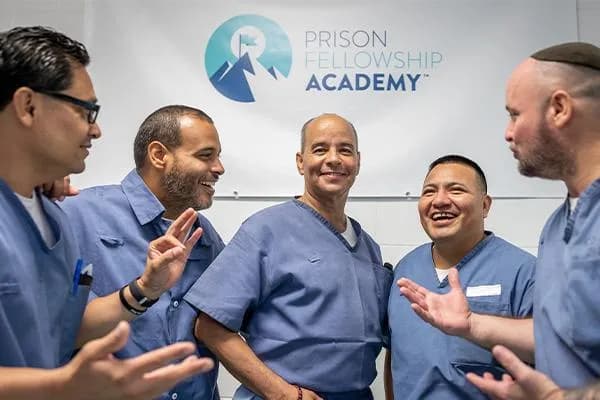
The U.S. Federal Bureau of Prisons (BOP) has expanded its evidence-based rehabilitation efforts with the launch of the Prison Fellowship Academy at the Federal Correctional Institution in El Reno, Oklahoma.
In June 2026, the programme became the first nonprofit initiative formally designated as an evidence-based recidivism reduction programme under the First Step Act.
Preparing for Reentry
The year-long programme is designed to support incarcerated individuals preparing to return to their communities. BOP describes the initiative as part of its broader commitment to evidence-based rehabilitation and successful reentry.
The programme brings together correctional authorities, community organisations and programme participants, reflecting a growing emphasis on cooperation between prisons and outside organisations.
Rehabilitation and Individual Needs
The First Step Act has encouraged the BOP to move toward a more individualised approach to rehabilitation.
Its 2026 programme guide identifies 13 areas of need, including education, employment, family relationships, substance use, mental health, trauma and antisocial peers. Risk is also assessed and reassessed during incarceration.
This framework closely reflects the Risk-Needs-Responsivity (RNR) model, which argues that effective correctional intervention should correspond to an individual's level of risk, address factors linked to offending and respond to individual characteristics.
Evidence-Based Correction
The development of programmes under the First Step Act represents a broader move toward evidence-based correctional policy.
Rather than treating rehabilitation as a single standard intervention, the federal system increasingly links programmes to specific criminogenic needs and measurable reentry objectives. The BOP states that its approved programmes are intended to support successful return to society and reduce recidivism.
From Prison to Community
The initiative also reflects a wider understanding of rehabilitation in the United States. Preparation for release is not limited to the final weeks of a sentence. BOP describes reentry preparation as beginning from the first day of incarceration, with education, employment preparation and community-based support forming part of the process.
The growing emphasis on evidence-based programming therefore connects rehabilitation inside prison with the longer-term objective of successful reintegration outside it.
Ipek Tuncer
M.A. in International Relations
Follow EUReflect
See more of our reporting on Google
Mark EUReflect as a preferred source and our stories are ranked higher for you in Top Stories, Discover and Google News — and carry a “preferred” badge when they are cited in AI results.
Add EUReflect as a preferred source