Singapore Expands Community Rehabilitation
Singapore is helping inmates gradually return to society through structured community-based rehabilitation programmes.
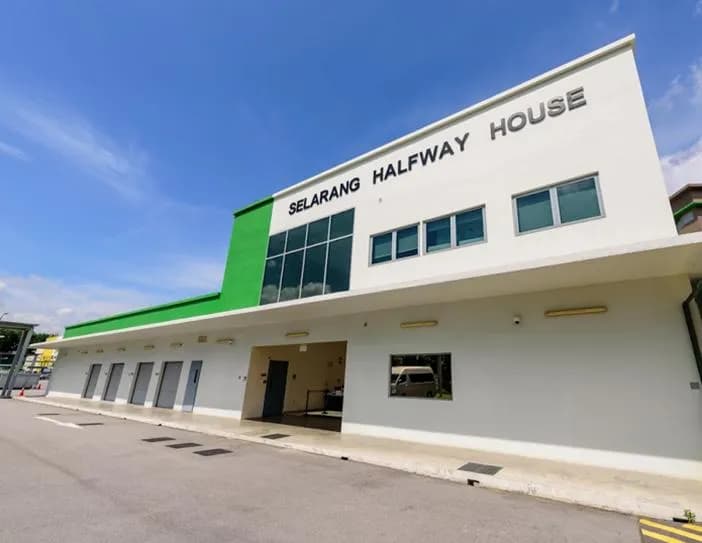
A Gradual Return to Society
Singapore is strengthening community-based rehabilitation as part of its broader approach to helping inmates return to society.
Through Community-Based Programmes (CBPs), eligible inmates can spend the tail-end of their sentences in the community under structured supervision. Depending on their circumstances, they may stay at home or in approved residential facilities, including halfway houses.
Building Skills Beyond Prison
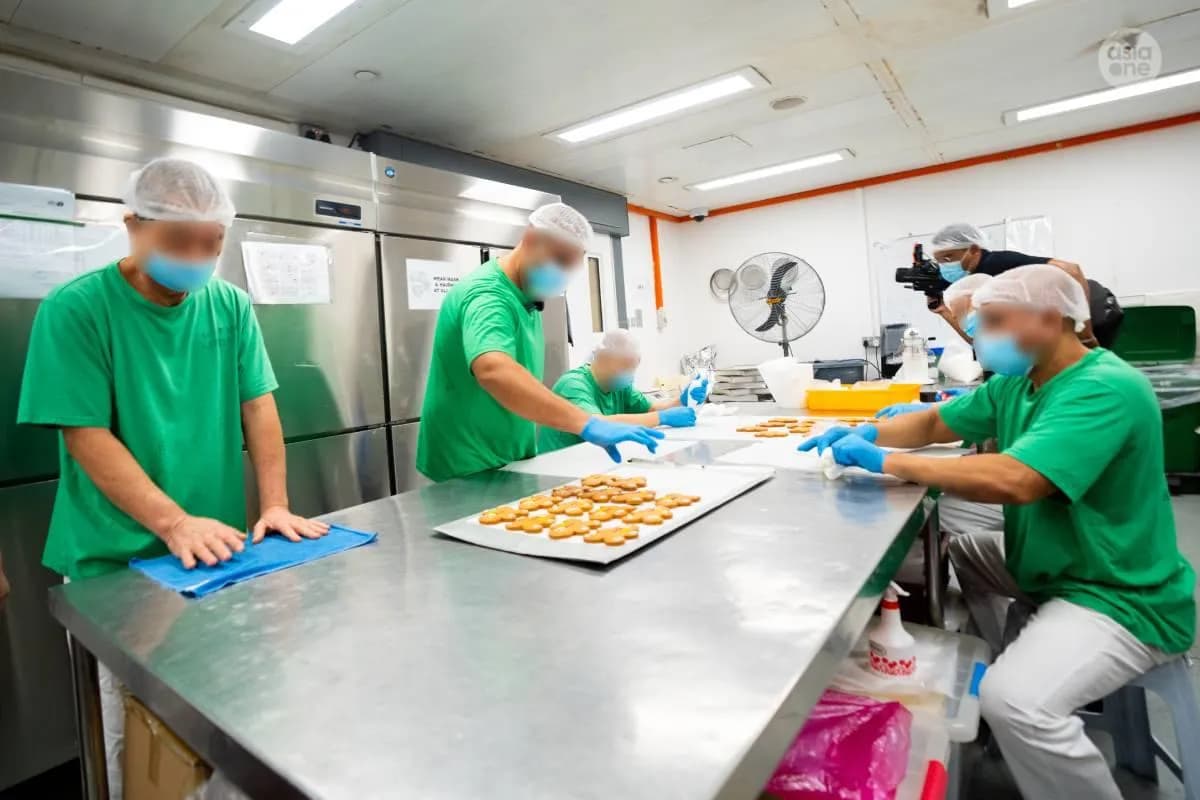
The programmes allow participants to apply the skills they have developed during imprisonment in real-life settings. Employment, education, family relationships and counselling can become part of the reintegration process.
The Singapore Prison Service describes CBPs as a way to help supervisees reconnect with their families and become gainfully employed as contributing members of society.
Support and Supervision
Community-based rehabilitation does not mean that individuals are released without oversight. Participants remain subject to structured supervision while receiving support for their transition.
Halfway houses can provide a more structured environment for individuals who require additional assistance, while those with suitable family circumstances may return home under supervision.
Rehabilitation in the Community
The model reflects an important principle in contemporary rehabilitation theory: behavioural change can be strengthened when individuals are able to practise new skills and responsibilities in their everyday environment.
Singapore's broader correctional framework also emphasises community involvement, with families, volunteers and community partners supporting the rehabilitation and reintegration process.
From Supervision to Reintegration
Community-based programmes therefore represent more than an alternative way of serving the final part of a sentence. They form part of a gradual transition from institutional life to community life.
By combining supervision with employment, family connections and social support, Singapore seeks to make reintegration a structured process rather than a sudden transition from prison to freedom.
Ipek Tuncer
M.A. in International Relations
Follow EUReflect
See more of our reporting on Google
Mark EUReflect as a preferred source and our stories are ranked higher for you in Top Stories, Discover and Google News — and carry a “preferred” badge when they are cited in AI results.
Add EUReflect as a preferred source