France Focuses on Early Child Rehabilitation
France is strengthening early support for children with developmental and neurological difficulties, with healthcare professionals encouraged to identify rehabilitation needs as early as possible.
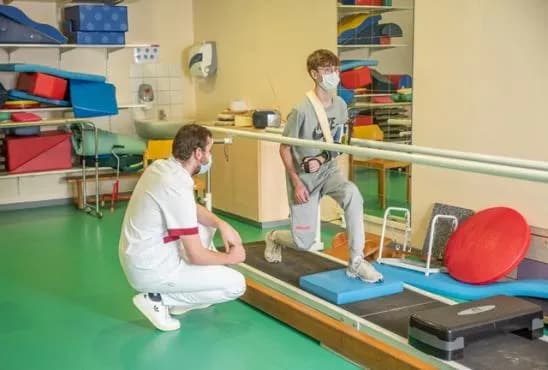
Early Support Matters
Early identification has become an important element of pediatric healthcare in France. When developmental or neurological difficulties are identified at an early stage, children can be assessed and directed toward appropriate medical and rehabilitation services.
The approach is particularly relevant for children whose difficulties may affect movement, communication, learning or everyday activities.
Rather than waiting for problems to become more pronounced, healthcare professionals are encouraged to pay attention to developmental signs and consider appropriate referral when concerns arise.
A Multidisciplinary Approach
Pediatric rehabilitation rarely depends on a single healthcare professional.
Depending on the child's needs, rehabilitation may involve physicians, physiotherapists, occupational therapists, speech and language professionals, psychologists and other specialists.
This multidisciplinary model allows different aspects of a child's development to be considered together rather than treating each difficulty separately.
For families, coordination between professionals can also make the rehabilitation pathway easier to understand and follow.
Supporting Development
Rehabilitation for children has a different character from rehabilitation for adults. Children are still developing physically, cognitively and socially, meaning that treatment and support may need to evolve as they grow.
Rehabilitation programmes can therefore focus not only on physical abilities but also on participation in school, communication, independence and everyday activities.
This broader perspective places the child's development and quality of life at the centre of rehabilitation planning.
The Role of Families
Families are an important part of pediatric rehabilitation.
Parents and caregivers often provide information about changes in a child's development and daily abilities. They can also play an important role in continuing recommended activities and supporting the child outside clinical settings.
A coordinated relationship between families and healthcare professionals can therefore help create a more continuous rehabilitation pathway.
Building Earlier Pathways
France's focus on early identification reflects a wider shift toward preventing delays in access to specialised support.
For children who need rehabilitation, the objective is to connect assessment, medical care and therapeutic support as efficiently as possible.
Early and coordinated intervention can provide families with clearer pathways while allowing healthcare professionals to adapt support to the child's individual development.
Ipek Tuncer
M.A. in International Relations
Follow EUReflect
See more of our reporting on Google
Mark EUReflect as a preferred source and our stories are ranked higher for you in Top Stories, Discover and Google News — and carry a “preferred” badge when they are cited in AI results.
Add EUReflect as a preferred source