Personalized Cancer Vaccine Shows Promise
A personalized mRNA cancer vaccine developed by Moderna and Merck has achieved positive Phase 3 results in patients with high-risk melanoma. The treatment significantly improved recurrence-free and distant metastasis-free survival when combined with pembrolizumab, marking a major milestone for personalized cancer therapy
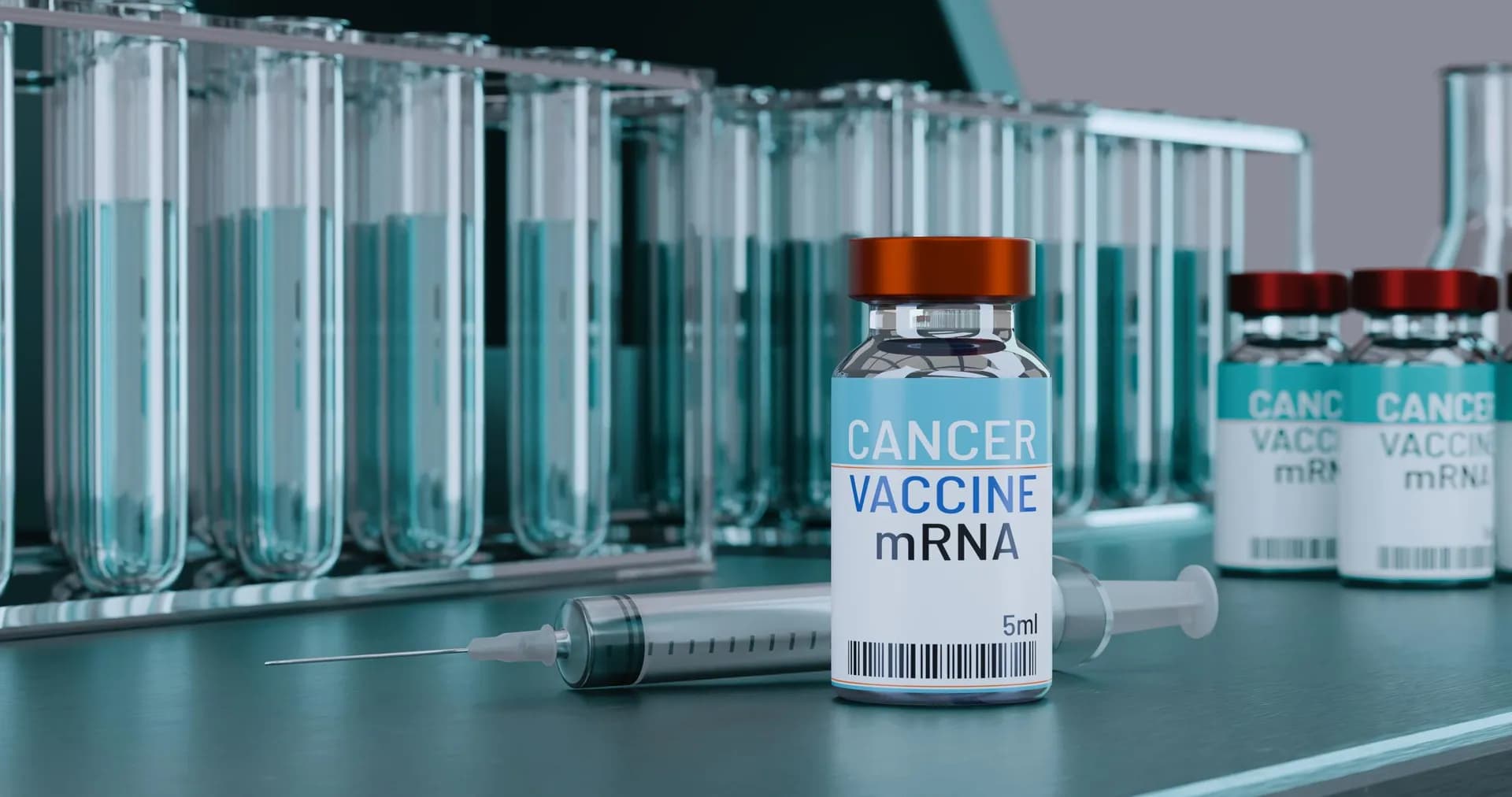
A New Era in Cancer Treatment
For decades, scientists have explored whether vaccines could be used not only to prevent infectious diseases but also to train the immune system to attack cancer. New results from Moderna and Merck suggest that this approach may finally be entering a new stage.
Their personalized mRNA vaccine, intismeran autogene, was tested alongside pembrolizumab in patients whose high-risk melanoma had been surgically removed. The Phase 3 trial found that the combination significantly extended the period during which patients remained free of cancer recurrence and distant metastasis compared with pembrolizumab alone.
The significance of the development lies in its personalized design. Rather than using the same vaccine for every patient, the technology is designed around mutations identified in an individual's tumor. The aim is to give the immune system a more precise target.
The results are particularly important because previous cancer-vaccine research has repeatedly demonstrated biological potential without producing clear evidence of clinical benefit at the same scale. The positive Phase 3 results therefore represent a major step toward demonstrating that personalized neoantigen vaccines can have meaningful effects for patients.
The implications could extend beyond melanoma. Researchers are investigating similar approaches across several other cancer types, raising the possibility that personalized mRNA therapies could eventually become part of a broader shift toward highly individualized cancer treatment.
However, the development should not yet be interpreted as a universally available cancer cure. Regulatory review, manufacturing challenges and the cost and speed of producing individualized vaccines remain important obstacles.
Nevertheless, the breakthrough signals a potentially significant change in oncology: the future of cancer treatment may increasingly involve therapies designed around the biological characteristics of each individual patient's tumor.
Ipek Tuncer
M.A. in International Relations
Follow EUReflect
See more of our reporting on Google
Mark EUReflect as a preferred source and our stories are ranked higher for you in Top Stories, Discover and Google News — and carry a “preferred” badge when they are cited in AI results.
Add EUReflect as a preferred source