Avrupa Çocuk Opens a New Chapter in Türkiye–Uzbekistan Social Cooperation
The proposed 'Türkiye Model' envisions a full rehabilitation pathway—from diagnosis to therapy—aimed at integrating children with special needs into social life.
Under the leadership of President Shavkat Mirziyoyev, Uzbekistan has in recent years embarked on a comprehensive transformation of its social policy framework. Strengthening the social protection system, improving the quality of life of persons with special needs, supporting families, and enhancing the effectiveness and accessibility of social services have emerged as key priorities within the country’s broader reform agenda. The initiatives undertaken under the direction of Mansurbek Olloyorov, Chairman of the National Agency for Social Protection under the President of the Republic of Uzbekistan, constitute an important institutional dimension of this transformation.
Meeting aims to advance rehabilitation services
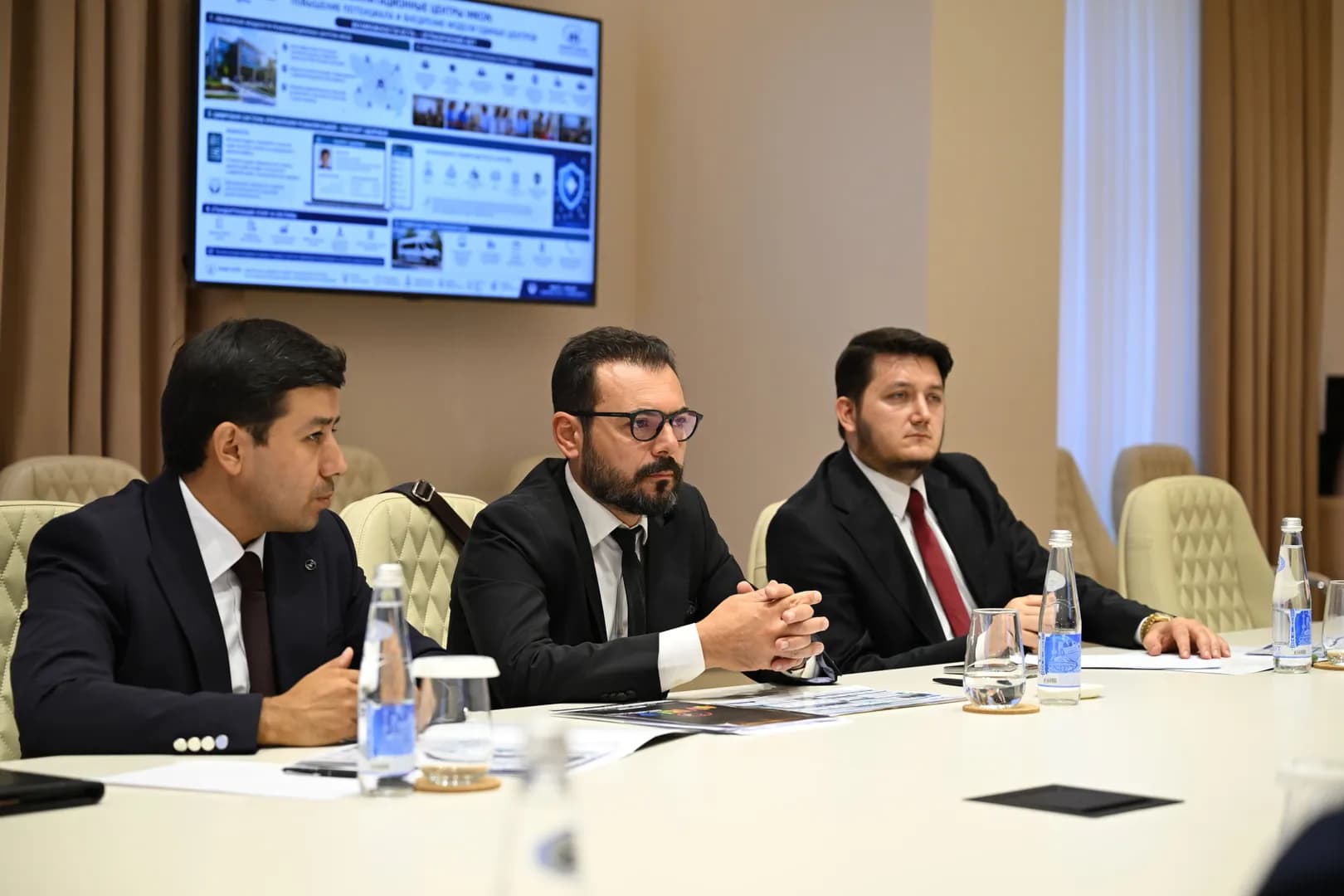
Against the backdrop of these reforms, an important meeting was held with the aim of advancing rehabilitation services for children with special needs and laying the foundations for a new framework of cooperation between Türkiye and Uzbekistan.
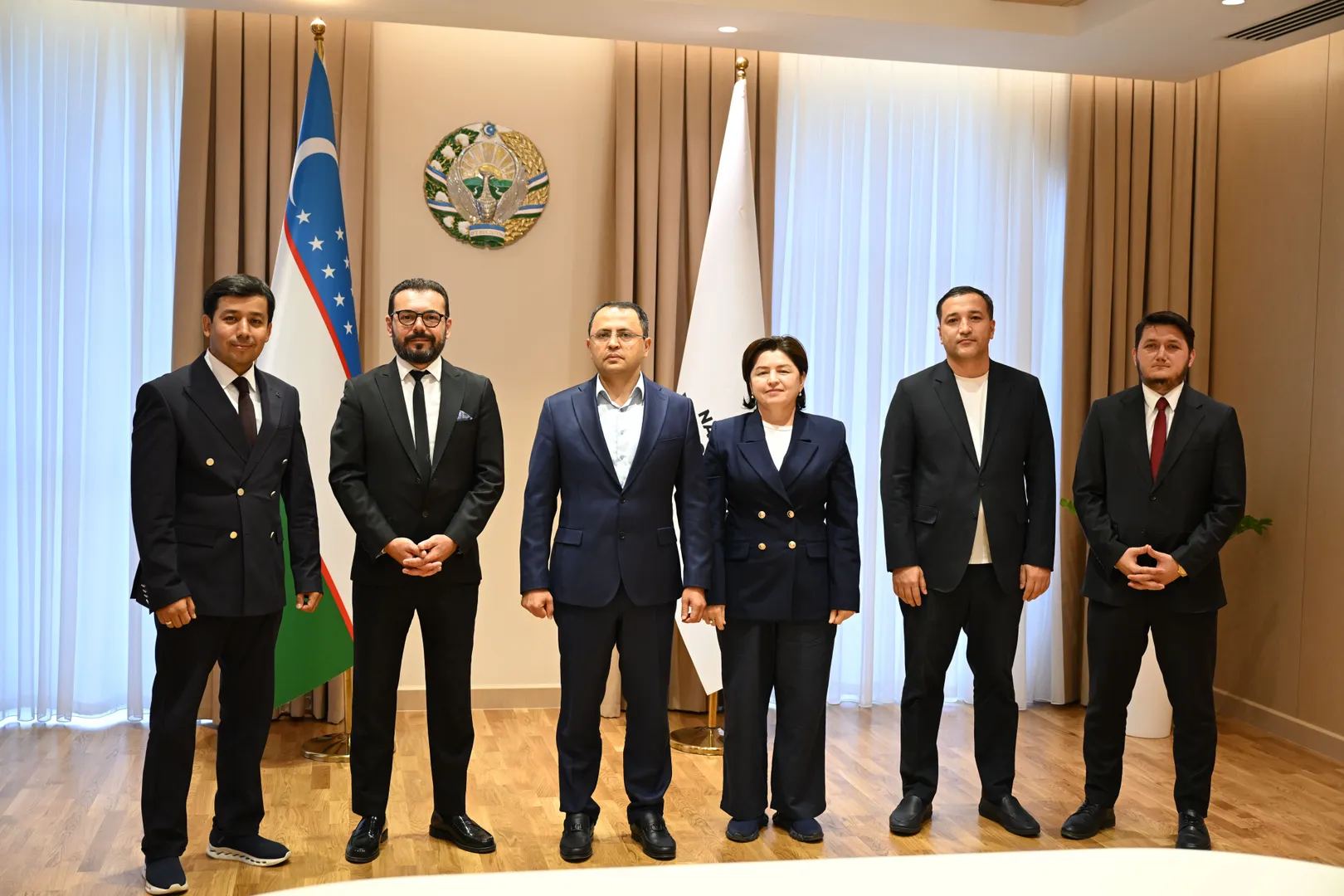
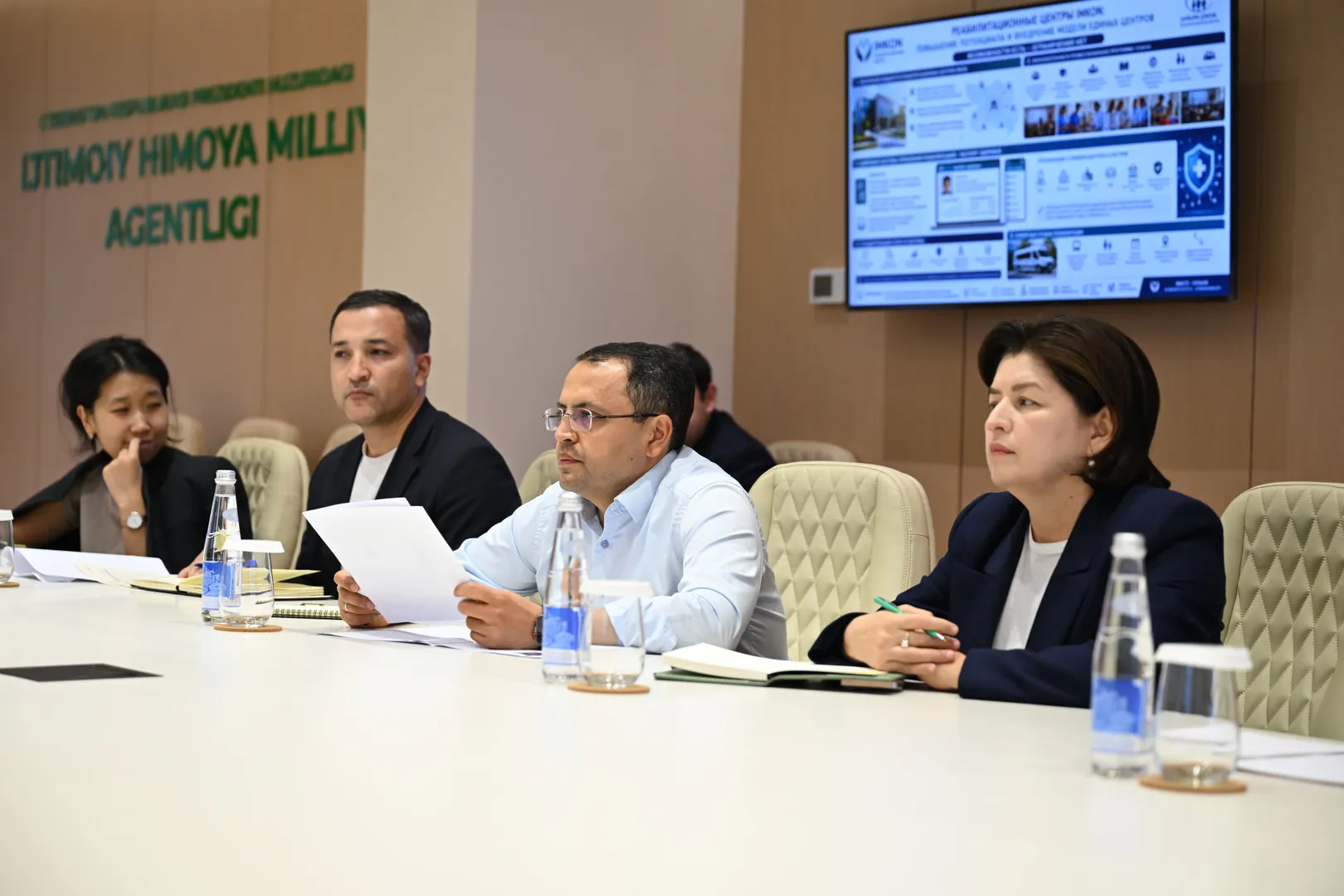
The meeting brought together Mansurbek Olloyorov, Chairman of the National Agency for Social Protection under the President of the Republic of Uzbekistan, together with senior members of his team; Salih Sunelcan, Chairman of the Board of Avrupa Çocuk Rehabilitation Centers; Mirzacan Kalandarov, Chairman of Sevinç Rehabilitation Center, Avrupa Çocuk’s partner in Uzbekistan; and Dr. İsmail Polat, Director of International Relations at Avrupa Çocuk.
The highly productive discussions focused on the future development of rehabilitation services for children with special needs in Uzbekistan, the expansion of existing institutional capacity, the training of qualified specialists, and the potential adaptation of Türkiye’s accumulated experience in rehabilitation to the specific needs and existing social protection framework of Uzbekistan.
Türkiye Model offers integrated framework
The “Türkiye Model” presented by Avrupa Çocuk extends beyond the development of rehabilitation centers alone. It envisages a systematic and integrated framework encompassing the entire rehabilitation pathway, from medical diagnosis and pedagogical assessment to individualized therapy programs and the continuous monitoring of developmental progress. The model also incorporates the training of local specialists, cooperation with universities, and the digital monitoring of rehabilitation processes.
One of the principal objectives of the proposed approach is to facilitate the stronger participation of children with special needs in social life while simultaneously contributing to the reduction of the social and economic burdens faced by their families. In the longer term, the model aims to establish a sustainable system that can be operated and further developed through Uzbekistan’s own human resources and institutional capacity.
Emphasizing that the initiative should not be understood merely as a technical rehabilitation model, but rather as an expression of a broader sense of human and social responsibility, Salih SUNELCAN, Chairman of the Board of Avrupa Çocuk Rehabilitation Centers, articulated the philosophy underlying the initiative in the following words:
Gratitude expressed through action
“Allah has granted us healthy bodies, feet with which we can walk, hands with which we can reach out, eyes with which we can see, and the ability to participate freely in life. For all of these blessings, we should, of course, be grateful. Yet I believe that if our gratitude remains confined merely to words, it is incomplete and, in a sense, even self-centered.
If we truly wish to express our gratitude for what we have been given, we must translate that gratitude into action. We must touch the life of a child, ease the burden carried by a mother, strengthen the hope of a father, and help a family believe in the future once again.
For me, genuine gratitude is not simply a matter of saying, ‘Alhamdulillah.’ Genuine gratitude means allowing the blessings we have received to become a source of goodness for others. If we can contribute, however modestly, to a positive transformation in another person’s life, then we have begun to demonstrate true gratitude for the health and opportunities we ourselves have been granted. I believe that genuine gratitude to Allah begins where one human being reaches out and touches the life of another.”
Consistent with this philosophy, the humanitarian vision of the project is not limited to those who directly receive rehabilitation services. Its broader aspiration is to touch hearts at every level of society and the state—from individuals with special needs and their families to professionals working in the field, public officials, senior decision-makers, and ultimately Presidents. In this sense, rehabilitation is envisaged not merely as a matter of healthcare or social service provision, but as a shared societal responsibility capable of mobilizing institutions, communities, and political leadership around the dignity and future of the individual.
Common understanding on roadmap reached
One of the most significant outcomes of the meeting was the emergence of a common conceptual understanding among the parties regarding the fundamental principles of a potential roadmap for the future development of rehabilitation services in Uzbekistan.
The necessary official and administrative processes are expected to be initiated in order to translate this shared understanding into practical implementation. Following the anticipated completion of the relevant procedures over the coming months, the cooperation is expected to move from the conceptual and institutional stage towards concrete implementation.
Pilot implementation planned in Tashkent
Within the framework of the proposed model, the initial phase envisages the launch of a pilot implementation in Tashkent. Based on the results and experience generated through this initial phase, the system could subsequently be expanded progressively to other regions of the country. The broader framework is designed to increase capacity in accordance with demonstrated needs while contributing to the establishment of a sustainable nationwide rehabilitation network.
The meeting, held within the broader context of the social reforms pursued under the leadership of President Shavkat Mirziyoyev and the work of the National Agency for Social Protection under the direction of Mansurbek Olloyorov, represents a potentially significant step towards bringing together Türkiye’s accumulated experience in rehabilitation with Uzbekistan’s evolving social policy vision.
The ultimate objective is to contribute to the development of a strong, measurable, scalable, and sustainable rehabilitation system that places children and families at its center and that Uzbekistan can ultimately maintain and advance through its own specialists, institutions, and national capacity.
Zulya Atabayeva
Contributing writer at EUReflect.
Follow EUReflect
See more of our reporting on Google
Mark EUReflect as a preferred source and our stories are ranked higher for you in Top Stories, Discover and Google News — and carry a “preferred” badge when they are cited in AI results.
Add EUReflect as a preferred source