EU-Ukraine Business Summit 2026
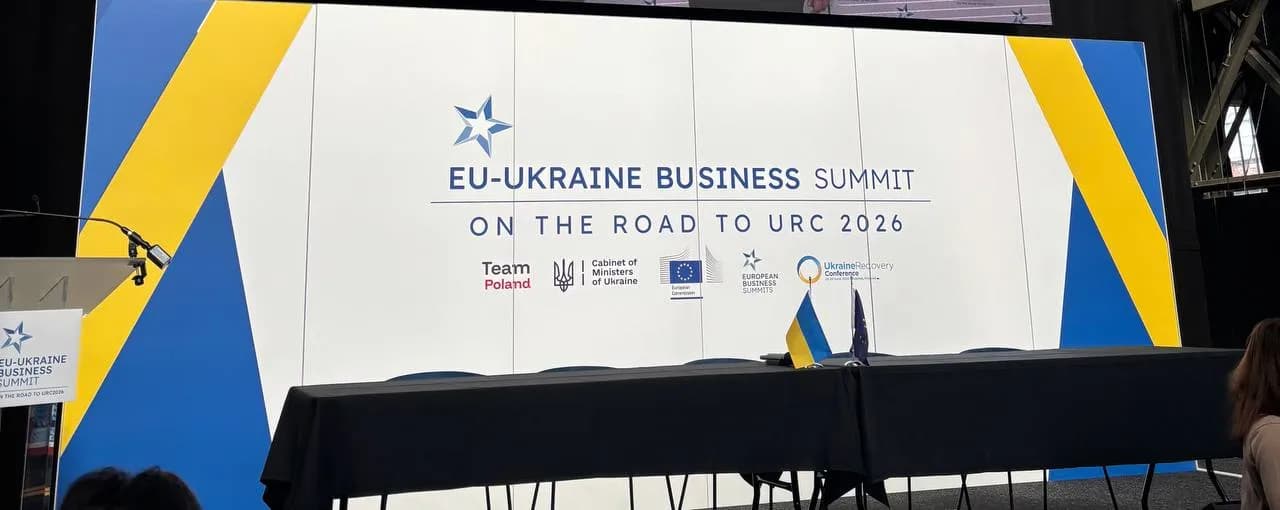
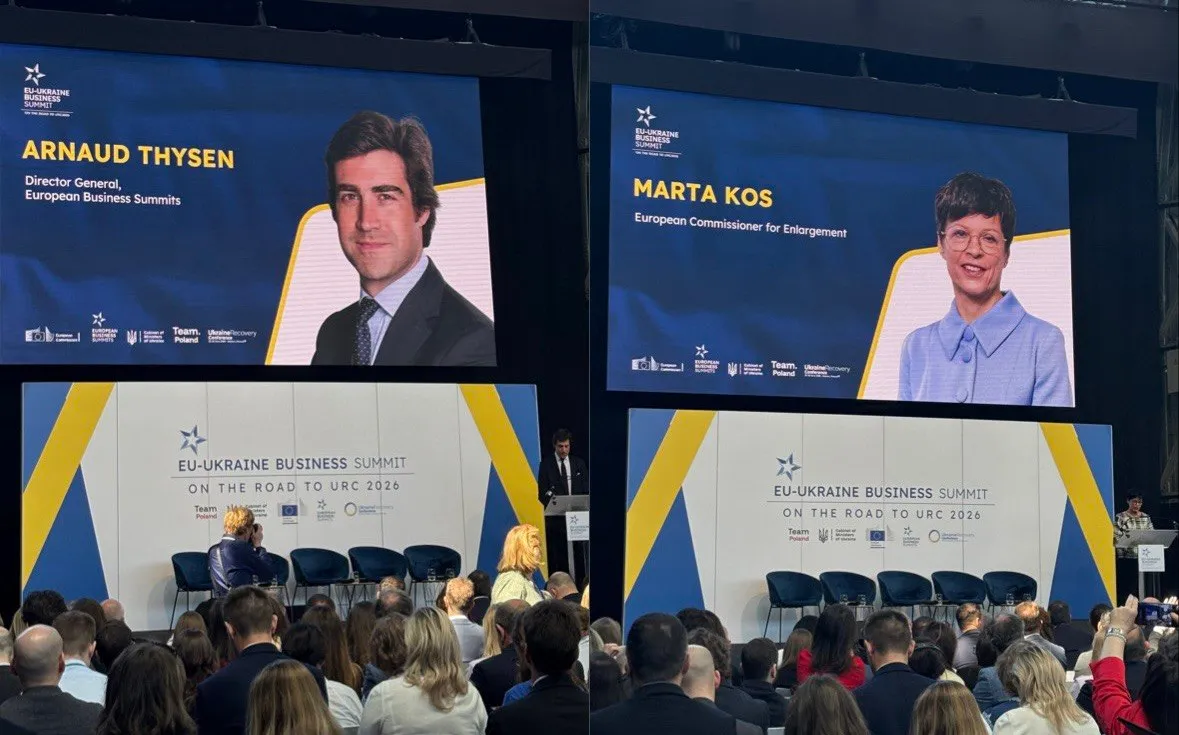
In a landmark move toward deeper economic and military integration of Ukraine into the European Union, the EU-Ukraine Business Summit held in Brussels on April 22-23 yielded over €1 billion in immediate deals and paved the way for a massive €90 billion loan package. The two-day event, co-organized by the European Commission and the governments of Ukraine and Poland, brought together more than 1,000 business leaders, policymakers, and investors. The summit served as a critical precursor to the 2026 Ukraine Recovery Conference, focusing on shifting the recovery narrative from humanitarian aid to strategic industrial partnership.
A Strategic Pivot to Defense and High-Tech
The summit’s most significant takeaway was the European Union’s explicit shift toward funding Ukraine’s military-industrial base. Historically hesitant to finance lethal applications, the EU is now leaning into "dual-use" technologies—innovations that serve both civilian and military purposes.
A new €1.2 billion investment package was unveiled by the European Commission to bolster priority infrastructure, energy resilience, and the defense sector. This includes a specific declaration of cooperation with Ukraine's Ministry of Defense, backed by €161 million in guarantees aimed at unlocking up to €400 million in investments for disruptive technologies, such as drones and space technology.
"This isn't support for what we normally do," said Gert-Jan Koopman, the EU’s top civil servant for enlargement. He mentioned it was support for industries that are essential for the security of Ukraine and the EU.
Concrete results of this shift were seen in the signing of two major joint ventures: Shark Robotics (France) partnered with Tencore to develop advanced drone technology; Gomspace (Denmark) signed a deal with Stetman to launch nanosatellites, signaling Ukraine's growing role in European aerospace security.

The €90 Billion Lifeline
The summit coincided with the finalization of a monumental €90 billion ($105 billion) EU loan for Kyiv. The package, which had previously faced political hurdles, moved forward after Hungary dropped its opposition.
Crucially, €60 billion of this loan is earmarked specifically for Ukraine’s defense. Analysts suggest this marks a permanent change in the EU’s geopolitical architecture, as it effectively interweaves Ukraine’s military industrial base with that of the European Union.
Boosting the Private Sector and Reconstruction
Beyond the defense sector, the summit addressed the urgent need for economic stabilization. The European Investment Bank (EIB) signed deals worth over €500 million for immediate reconstruction projects, while the European Bank for Reconstruction and Development (EBRD) committed €360 million to support small and medium-sized enterprises (SMEs). This SME funding is expected to "crowd in" additional private investments totaling up to $3.4 billion.
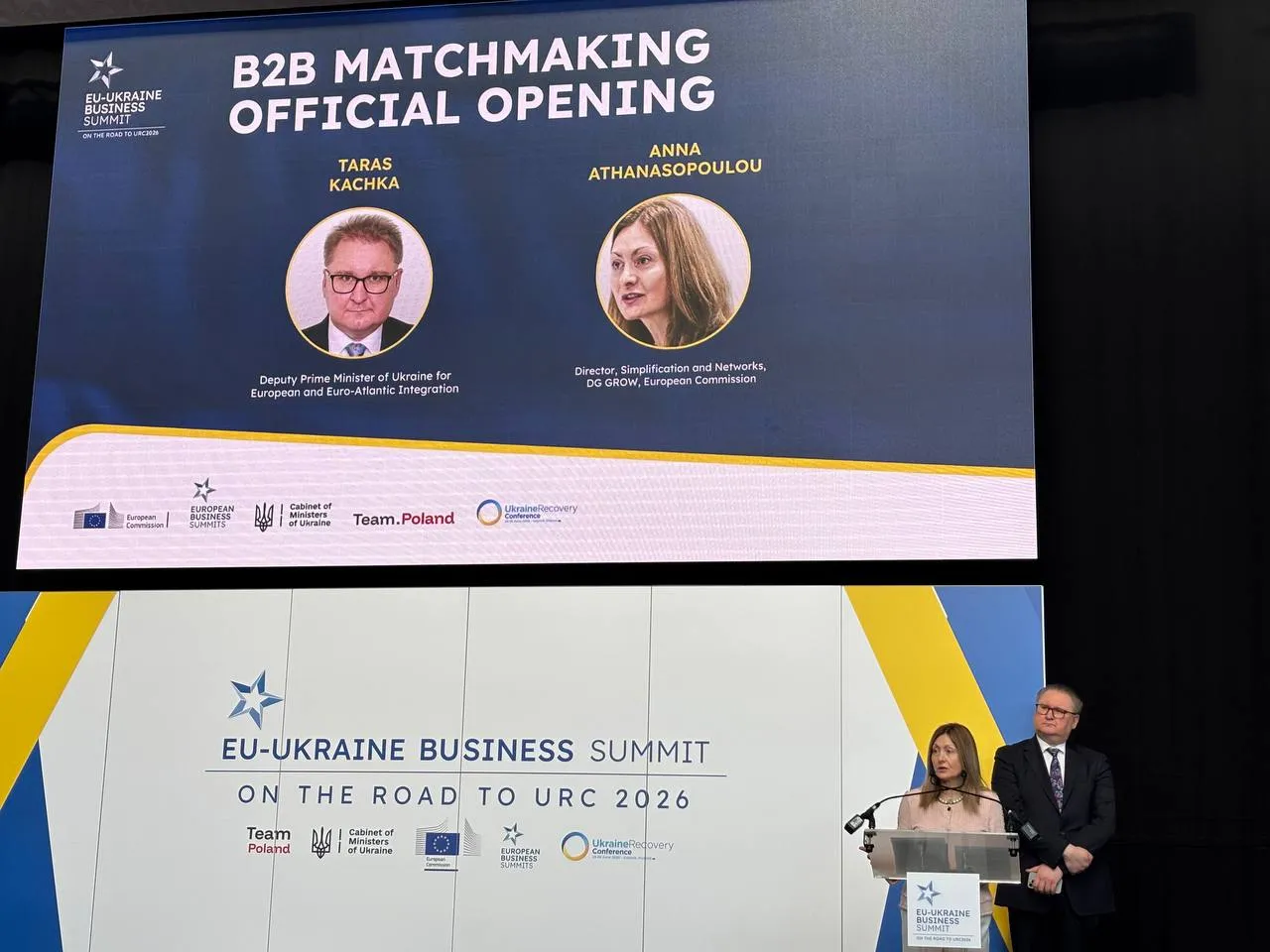
To facilitate these connections, the summit saw the launch of a new B2B matchmaking platform. Developed by the Enterprise Europe Network, the platform has already facilitated meetings for over 300 participants, aiming to create a permanent pipeline for cross-border partnerships.
"The Most Strategic Destination in Europe"
The atmosphere in Brussels was one of long-term commitment. Marta Kos, the European Commissioner for Enlargement, delivered a clear message to the international business community: the time to wait is over.
"Now is a good time to invest in Ukraine," Kos stated. "It is becoming one of the most strategic investment destinations in Europe. Innovative, full of potential, and ever more central to Europe’s future."
Despite the influx of funds, the challenge remains immense. With the World Bank estimating reconstruction costs at nearly $600 billion and a $20 billion defense funding gap still looming for 2026, the Brussels summit represents a vital, yet initial, step in a decade-long project.
By uniting private equity, cross-border logistics, and state-backed guarantees, the EU and Ukraine are no longer just discussing aid—they are building a shared industrial future.
Olha Horina
Contributing writer at EUReflect.
Follow EUReflect
See more of our reporting on Google
Mark EUReflect as a preferred source and our stories are ranked higher for you in Top Stories, Discover and Google News — and carry a “preferred” badge when they are cited in AI results.
Add EUReflect as a preferred source