Forms of Memory: The Spirit of an Era in Ceramics
This study explores how ceramic forms exhibited in the İzmir Archaeology Museum reflect the aesthetic sensibilities and cultural spirit of the civilizations that produced them. Beyond their functional roles, these artifacts embody the creative dialogue between humanity and nature, capturing the rhythm, values, and worldview of their eras. Through formal and stylistic analysis of ancient ceramics, the paper argues that each vessel, figurine, or amphora serves as a silent chronicle of its time—preserving the aesthetic ideals, technological knowledge, and emotional depth of the societies that shaped them. By interpreting ceramics as cultural texts, the study situates them within a broader framework of artistic continuity and human expression.
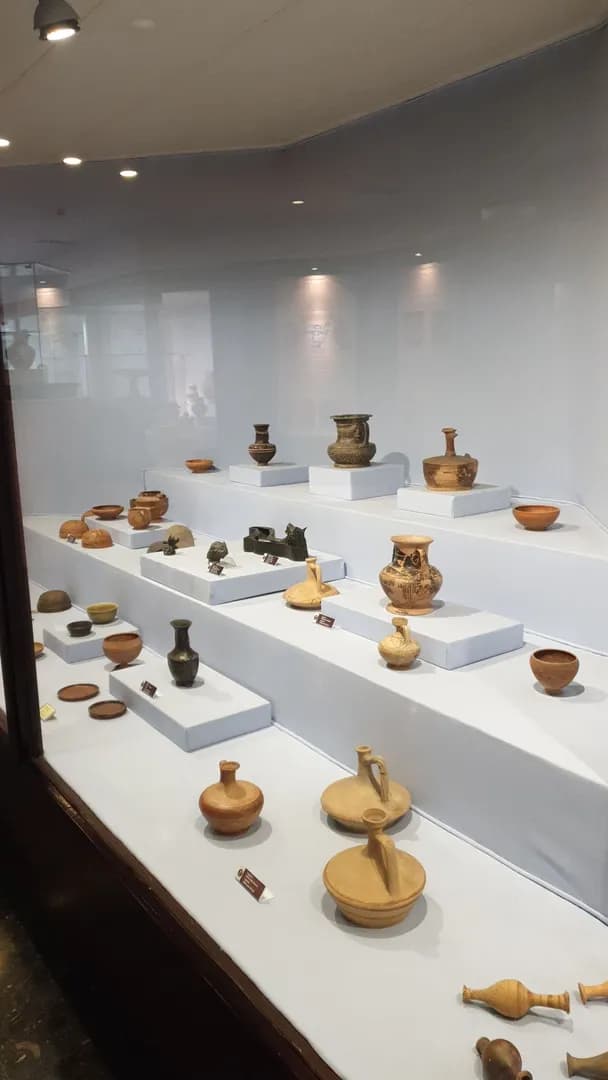
Ceramic art stands as one of humanity’s most enduring creative legacies. Emerging from the elemental fusion of earth, water, and fire, it reveals not only technological ingenuity but also the emotional and intellectual landscape of past civilizations. The İzmir Archaeology Museum, home to a diverse collection of ancient pottery, offers a unique lens through which to study how material form becomes a mirror of cultural spirit. Each artifact encapsulates the rhythm of its age—its social rituals, aesthetic ideals, and modes of thinking—thereby transforming simple clay into a vessel of memory and meaning.
2. Form as a Reflection of Cultural Spirit
The formal diversity of the museum’s ceramic collection—ranging from utilitarian jars and bowls to ritual amphorae and figurines—illustrates how design evolves in dialogue with the ethos of an era. The harmonious proportions, balance, and restraint visible in many forms reflect an ancient pursuit of beauty grounded in functionality. These formal qualities reveal more than aesthetic choices; they convey the values of moderation, order, and reverence for nature that shaped the cultural consciousness of the time.
In this sense, the form of a vessel becomes a metaphor for civilization itself: molded by necessity yet elevated by imagination. The smooth curvature of a bowl or the symmetry of an amphora speaks not only to technical mastery but also to an inner sense of balance that ancient artisans sought to achieve—between the material and the spiritual, the individual and the collective.
3. Surface, Texture, and the Passage of Time
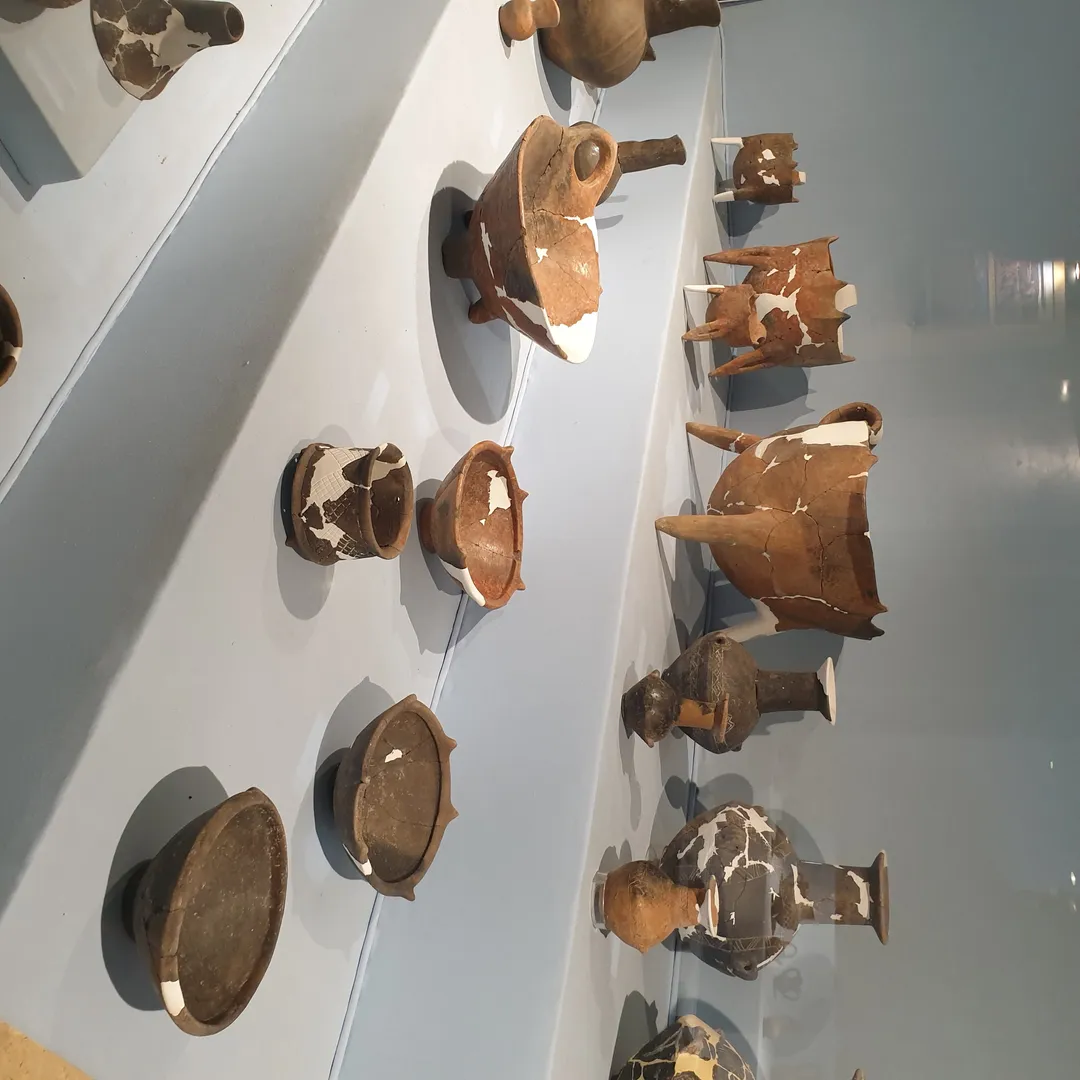
The surface of each ceramic object functions as a tactile archive. Layers of glaze, traces of the potter’s hand, and natural patina accrued over centuries form a narrative of endurance. In the İzmir collection, one can observe the transition from matte, earth-toned textures to the glossy and richly pigmented surfaces of later periods—a shift that mirrors evolving aesthetic preferences and technological advancements.
These surfaces embody time itself: they retain the fingerprints of creation, the marks of ritual use, and the silent erosion of centuries. Through this material storytelling, ceramics transform into carriers of collective memory, allowing the observer to sense the continuity between ancient creativity and contemporary artistic inquiry.
4. Cultural Continuity and Artistic Dialogue
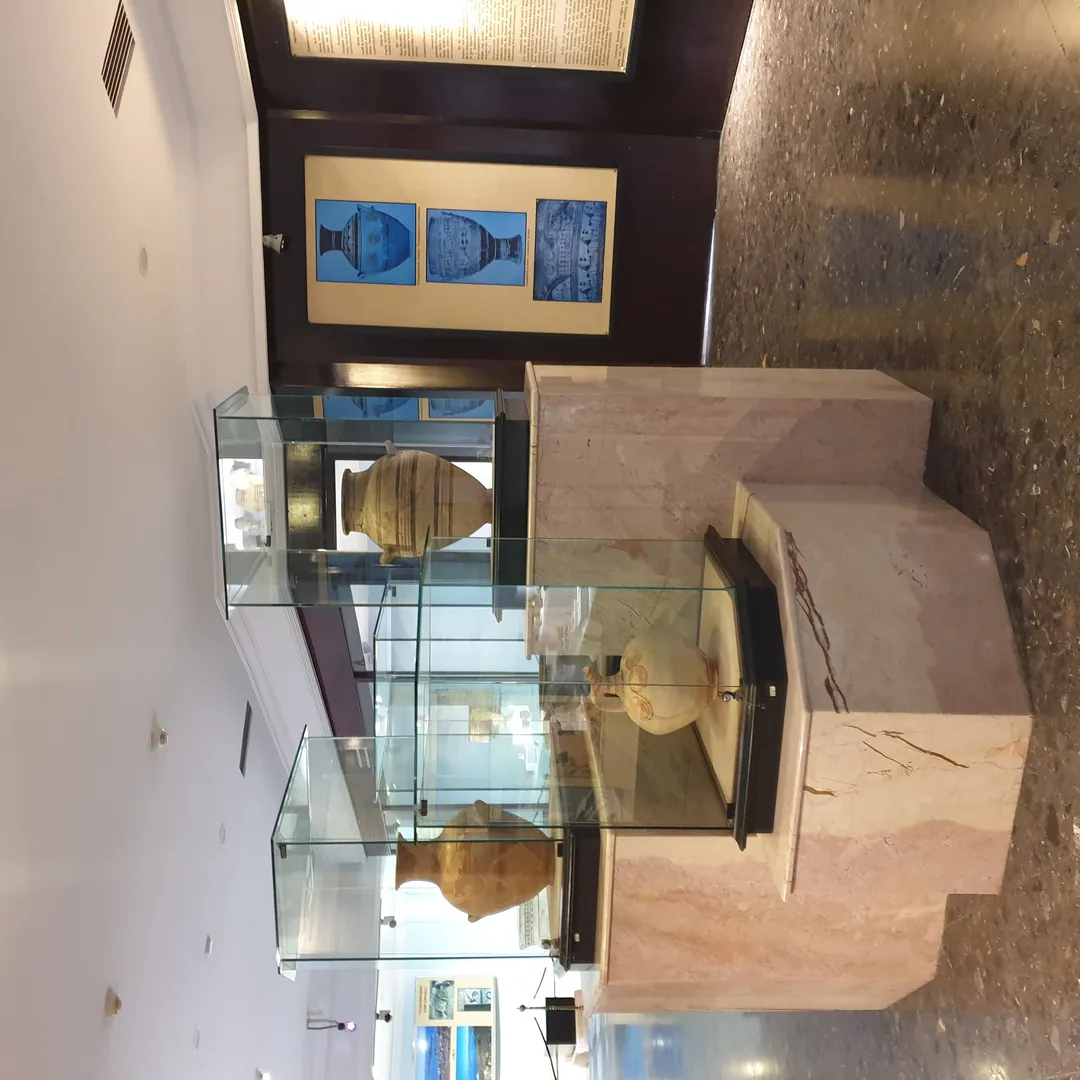
The Aegean and Anatolian regions have long served as crossroads of cultural exchange. The ceramic forms found in İzmir’s collection reveal shared motifs and proportional systems that traverse time and geography. Such similarities underscore the universality of aesthetic principles and the permeability of cultural borders.
Viewed through the lens of a modern ceramic artist, these forms provide not only historical insight but also inspiration. Their simplicity, structural integrity, and refined surface treatment continue to inform contemporary ceramic practice, demonstrating that ancient art remains a living source of creativity and reflection.
5. Conclusion
The ceramic artifacts of the İzmir Archaeology Museum encapsulate the spirit of their age—each form a tangible reflection of how humans once perceived beauty, order, and their place within the natural world. These pieces bridge the temporal gap between past and present, reminding us that artistic expression is an enduring dialogue across centuries.
Ultimately, ceramic art serves as a universal language of form—translating the unseen emotions and ideals of civilizations into a lasting, tactile legacy. Through their shapes, textures, and compositions, these works continue to speak, allowing the soul of ancient cultures to resonate within the modern imagination.
Mürüvet Nur Polat
Contributing writer at EUReflect.
Follow EUReflect
See more of our reporting on Google
Mark EUReflect as a preferred source and our stories are ranked higher for you in Top Stories, Discover and Google News — and carry a “preferred” badge when they are cited in AI results.
Add EUReflect as a preferred source