From Clay to Code: Ceramics in the Digital Age
This article examines the evolution of ceramic art from its historical development to contemporary technological innovations. It focuses particularly on how digital design, 3D printing, automation, and new material technologies have transformed ceramic production. The balance between preserving traditional handicrafts and embracing the possibilities offered by modern technologies is discussed, emphasizing that these two spheres should not be seen as mutually exclusive but as complementary.
Introduction
Ceramics is one of the oldest crafts in human history—a discipline where earth, water, fire, and human labor meet. For thousands of years, it has existed both as a functional medium and an aesthetic form of expression. However, since the late 20th century, with the influence of technology and digitalization, ceramic production has undergone a profound transformation.
Today, traditional hand-crafted ceramics coexist with computer-aided design (CAD), 3D printing technologies, and new-generation materials. This coexistence demonstrates that ceramics is no longer merely a craft but has evolved into a significant domain of contemporary art and industrial design.
1. Historical and Craft Origins of Ceramics
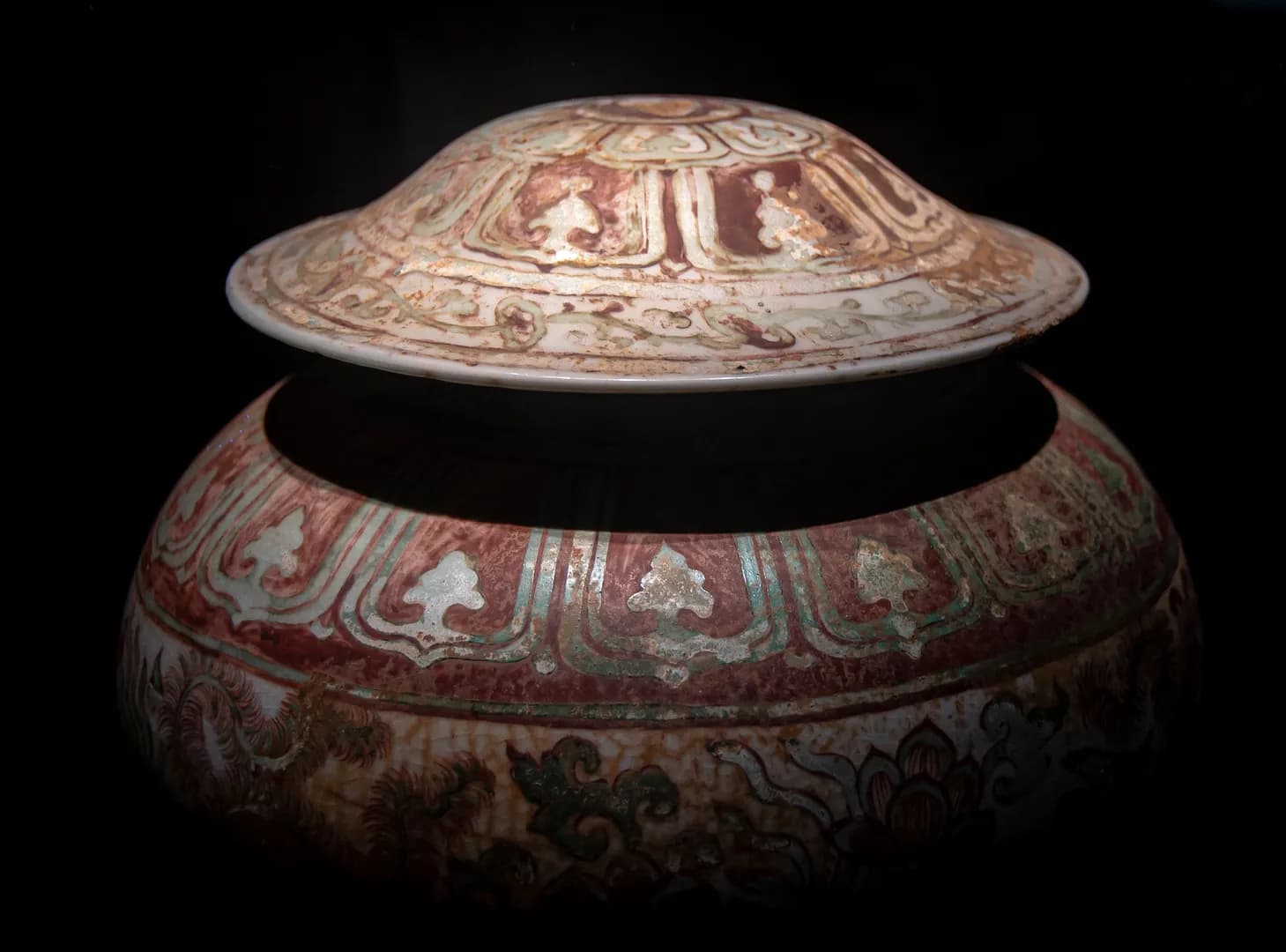
Throughout history, ceramic art has been an integral part of social and cultural life. In civilizations such as Anatolia, Mesopotamia, and China, pottery served both practical needs and aesthetic expression.
In the craft tradition, ceramics were shaped through master–apprentice transmission, patience, and manual skill. Each piece was unique—imperfections themselves often carried artistic character.
2. The Beginning of Technological Transformation
With the Industrial Revolution, production processes became increasingly mechanized. By the late 20th century, computer-aided design (CAD) software, CNC machines, and automated kiln systems revolutionized ceramic production.
These developments provided major advantages in serial production, precision measurement, and material control. However, they also triggered concerns that the spirit of craftsmanship might be lost in the process.
3. 3D Printing Technology and Digital Design in Ceramics
One of the most striking innovations in recent years is the adaptation of 3D printing technologies to ceramics. Forms designed digitally can now be produced layer by layer using specially formulated ceramic pastes.
This method enables the creation of complex geometries and surface textures impossible to achieve through traditional handcrafting. Moreover, designers are extending formal creativity through parametric design and AI-assisted modeling, pushing the boundaries of aesthetic exploration.
4. New-Generation Materials and Sustainability
Technology has transformed not only production methods but also the materials used in ceramics.
Today’s ceramic production incorporates:
Nanotechnological additives
Biodegradable composites
Recycled clay and glass compounds
These innovations promote environmentally friendly manufacturing while enhancing durability and functionality. For example, heat-sensitive smart ceramic surfaces and self-cleaning glazes have become possible, merging utility with sustainability.
5. The Intersection of Handicrafts and Technology
Rather than threatening traditional crafts, technology provides an opportunity to redefine them.
Contemporary artists use digital tools as “modern hammers and lathes,” blending handcraft with digital aesthetics. Many ceramic artists now apply hybrid production methods, in which they design digitally and finalize forms manually.
This approach preserves artisanal skills while enabling innovative explorations in form and surface design.
Conclusion
Technological advancements in the field of ceramics have not replaced traditional craftsmanship; rather, they have expanded its boundaries. Through 3D printing, digital design, and sustainable material technologies, ceramic art has become a reflection of both contemporary design and cultural heritage.
In the future, ceramics will continue to exist as an art form that unites the wisdom of the past with the creativity of the future—bridging the technological and the human dimensions of artistic expression.
References
Peterson, S. (2016). The Craft and Art of Clay. New York: Laurence King.
Fortnum, R. (2019). Contemporary Clay and Museum Culture. Bloomsbury Publishing.
Levin, E. (2021). “3D Printing Ceramics: Between Tradition and Innovation.” Journal of Ceramic Design.
Mürüvet Nur Polat
Contributing writer at EUReflect.
Follow EUReflect
See more of our reporting on Google
Mark EUReflect as a preferred source and our stories are ranked higher for you in Top Stories, Discover and Google News — and carry a “preferred” badge when they are cited in AI results.
Add EUReflect as a preferred source