From History to Law: A New Phase in Franco-Algerian Relations
Algeria’s parliament has criminalized the French colonial period, defining it as a state crime and opening the door to compensation claims. France views the move as hostile to dialogue, deepening long-standing tensions over memory, sovereignty, and regional politics.
Introduction
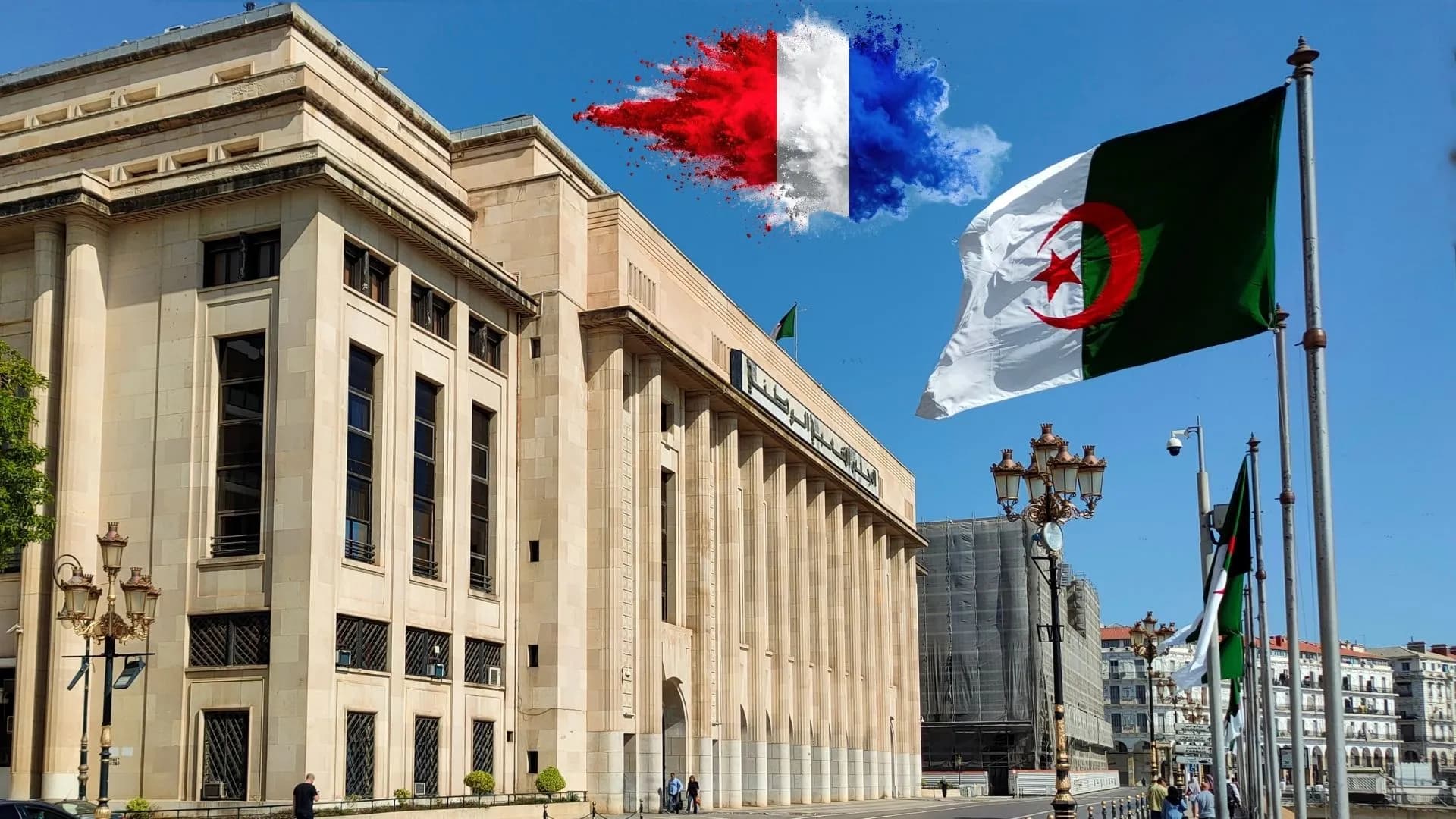
The Algerian Parliament’s unanimous adoption of a comprehensive law criminalizing the French colonial period has carried the already fragile relationship between Paris and Algiers into a new phase of tension. While the French government has described the move as “clearly hostile to dialogue,” Algerian authorities frame the legislation as a matter of historical justice, national memory, and legal accountability. The decision signals the likelihood of a more difficult period ahead for bilateral relations.
1. Algeria’s Law: History, Legal Framing, and the Demand for Compensation
The law adopted by Algeria’s National People’s Assembly defines the period of French colonial rule between 1830 and 1962 as a “state crime.” The text details a broad range of practices attributed to the colonial administration, including nuclear testing, extrajudicial executions, physical and psychological torture, arbitrary detention, and the systematic transfer and exploitation of economic resources.
Beyond its symbolic dimension, the legislation establishes a legal framework that asserts the right of the Algerian state and people to seek compensation for all material and moral damages resulting from colonial rule. This right is defined as inalienable. The law also criminalizes the glorification or justification of colonialism, thereby institutionalizing a specific approach to memory politics within the national legal order.
According to parliamentary officials, the law is grounded not only in political considerations but also in principles of international law. Colonialism is described as a comprehensive project of dispossession and exploitation, and the text seeks to formalize Algeria’s historical narrative while strengthening its position in international debates on colonial responsibility.
2. The French Response: “Hostile Initiative” and Calls for Dialogue
French diplomatic sources have stated that Paris has no intention of commenting on Algeria’s domestic political choices. At the same time, they have characterized the legislation as an initiative that undermines bilateral dialogue and complicates efforts to address sensitive historical issues.
France maintains that questions related to colonial memory should be addressed through calm and methodical work, particularly via joint historical commissions composed of French and Algerian scholars. Officials in Paris argue that previous initiatives, including archival access and academic cooperation, risk being sidelined by unilateral legislative measures.
Despite this criticism, the French government has reiterated its intention to continue engagement with Algeria, emphasizing that cooperation remains essential in areas such as security, migration management, and regional stability. From the French perspective, maintaining functional channels of communication is considered a strategic necessity, even amid deep political disagreements.
3. Accumulated Crises and Escalating Tensions
Relations between France and Algeria have deteriorated markedly in recent years as a result of multiple overlapping disputes. France’s support for an autonomy plan for Western Sahara under Moroccan sovereignty was perceived in Algiers as a breach of fundamental principles, triggering a sharp diplomatic reaction. This was followed by tighter visa policies, reciprocal expulsions of diplomats, and increasingly confrontational rhetoric on both sides.
The detention and prosecution of writers and journalists further aggravated tensions, bringing human rights concerns to the forefront of bilateral relations. Migration agreements, consular cooperation, and cultural exchanges have all been affected by the prevailing climate of mistrust.
Statements by French leaders emphasizing migration control and security priorities have reinforced perceptions in Algeria that Paris is adopting a unilateral and interest-driven approach. In Algiers, such positions are often interpreted as infringements on national sovereignty rather than as pragmatic policy adjustments.
Conclusion
The adoption of Algeria’s new law represents a decisive step in institutionalizing the country’s approach to its colonial past, while simultaneously provoking strong diplomatic unease in Paris. Although both sides continue to affirm their commitment to dialogue, persistent disagreements over historical memory, regional issues, and mutual trust make a rapid normalization of relations unlikely. The legislation is widely viewed as a turning point that will shape not only how the past is addressed, but also how the future of Franco-Algerian relations is negotiated.
EUReflect News
Site Administrator
Follow EUReflect
See more of our reporting on Google
Mark EUReflect as a preferred source and our stories are ranked higher for you in Top Stories, Discover and Google News — and carry a “preferred” badge when they are cited in AI results.
Add EUReflect as a preferred source