Fueling Stability: South Caucasus Gas and the Future of Energy Security in the Levant
On August 2, Azerbaijan began natural gas exports to Syria via Türkiye, marking a new phase in regional energy cooperation. The project, led by SOCAR and supported by both governments, supplies 6 million cubic meters per day of gas to power Syria’s reconstruction and electricity generation. Azerbaijani Minister Mikayil Jabbarov and Syrian Minister Mohammed al-Bashir hailed the initiative as both an economic and humanitarian partnership, symbolizing solidarity and regional unity. With Türkiye’s logistical support, the project establishes a new energy corridor linking the South Caucasus and the Middle East, reinforcing Azerbaijan’s role as a global energy hub and a symbol of post-conflict recovery for Syria.
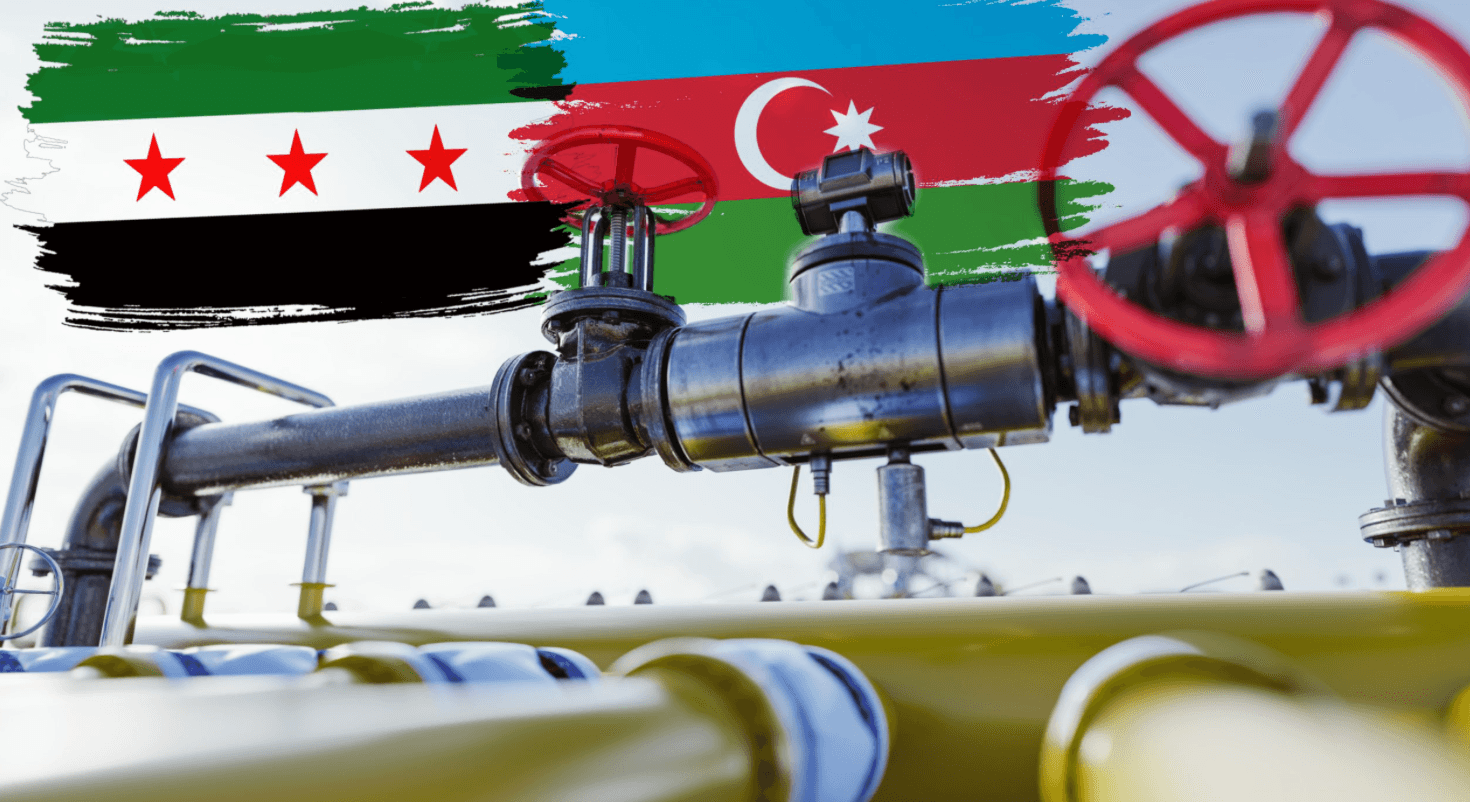
Azerbaijan has opened a new chapter in its natural gas exports with the commencement of gas deliveries to Syria via Türkiye as of August 2. This development not only reflects a deepening of economic cooperation between the two countries but also underscores the pivotal role of energy security in the reconstruction of Syria, a country severely affected by prolonged conflict.
From Kilis to Aleppo: A Regional Model of Energy Partnership
Speaking at the official ceremony held in Kilis, Azerbaijani Minister of Economy Mikayil Jabbarov emphasized that Azerbaijan currently exports natural gas to 14 countries. He highlighted that the new export route enhances Azerbaijan’s role as a key contributor to global energy security. According to Minister Jabbarov, this initiative is a direct outcome of President Ilham Aliyev’s balanced economic and foreign policy approach.
The gas exported to Syria is expected to be used primarily for electricity generation, contributing to the stabilization of energy infrastructure and the improvement of living conditions for the Syrian population.
Diplomacy of Solidarity: Syrian Appreciation for Azerbaijan and Türkiye
At the inauguration ceremony, Syrian Minister of Energy Mohammed al-Bashir expressed gratitude to both Azerbaijan and Türkiye. He described the initiative not merely as an energy project, but as an act of solidarity and friendship. “True friendship reveals itself in times of hardship. The Syrian people will never forget this support,” al-Bashir stated.
Strategic Cooperation and SOCAR’s Role
Minister Jabbarov also underlined the key role of SOCAR (State Oil Company of Azerbaijan Republic) in the planning and implementation of the project. He noted that despite the complex logistical and commercial challenges, the rapid execution of the gas deliveries reflects international confidence in Azerbaijan.
Turkish Minister of Energy and Natural Resources Alparslan Bayraktar announced that a swap agreement had been signed, enabling the transfer of Azerbaijani gas at the Turkish-Syrian border. Initial deliveries are set at 6 million cubic meters per day, with annual volumes potentially reaching 2 billion cubic meters. This volume is expected to support approximately 1,200 megawatts of electricity generation capacity in Syria.
Energy Infrastructure as a Pillar of Reconstruction
Given that Syria’s energy infrastructure has been severely damaged by years of war, restoring a stable energy supply is of critical importance for normalizing daily life. In this context, Azerbaijani natural gas plays a strategic humanitarian role in addition to its economic value.
This development marks the establishment of a new energy corridor linking the South Caucasus and the Middle East. With logistical support from Türkiye, the corridor may eventually extend to other countries in the region. Azerbaijan continues to pursue its strategic vision of becoming a central energy hub connecting both eastern and western markets.
Conclusion: Beyond Energy, a Symbol of Hope
Azerbaijan’s natural gas exports to Syria are not merely a commercial endeavor; they represent a multifaceted strategy that integrates post-conflict recovery, humanitarian support, and regional diplomacy. This project exemplifies how energy resources can serve not only as economic assets but also as instruments for peace, resilience, and development.

İsmail Polat
Ph. D. in International Relations
Follow EUReflect
See more of our reporting on Google
Mark EUReflect as a preferred source and our stories are ranked higher for you in Top Stories, Discover and Google News — and carry a “preferred” badge when they are cited in AI results.
Add EUReflect as a preferred source