Hungary Votes: Viktor Orbán vs Péter Magyar
Viktor Orbán faces Péter Magyar in a pivotal election that will determine whether Hungary continues its illiberal path or shifts toward pro-EU reforms, with major implications for the EU, NATO, and regional democracy.
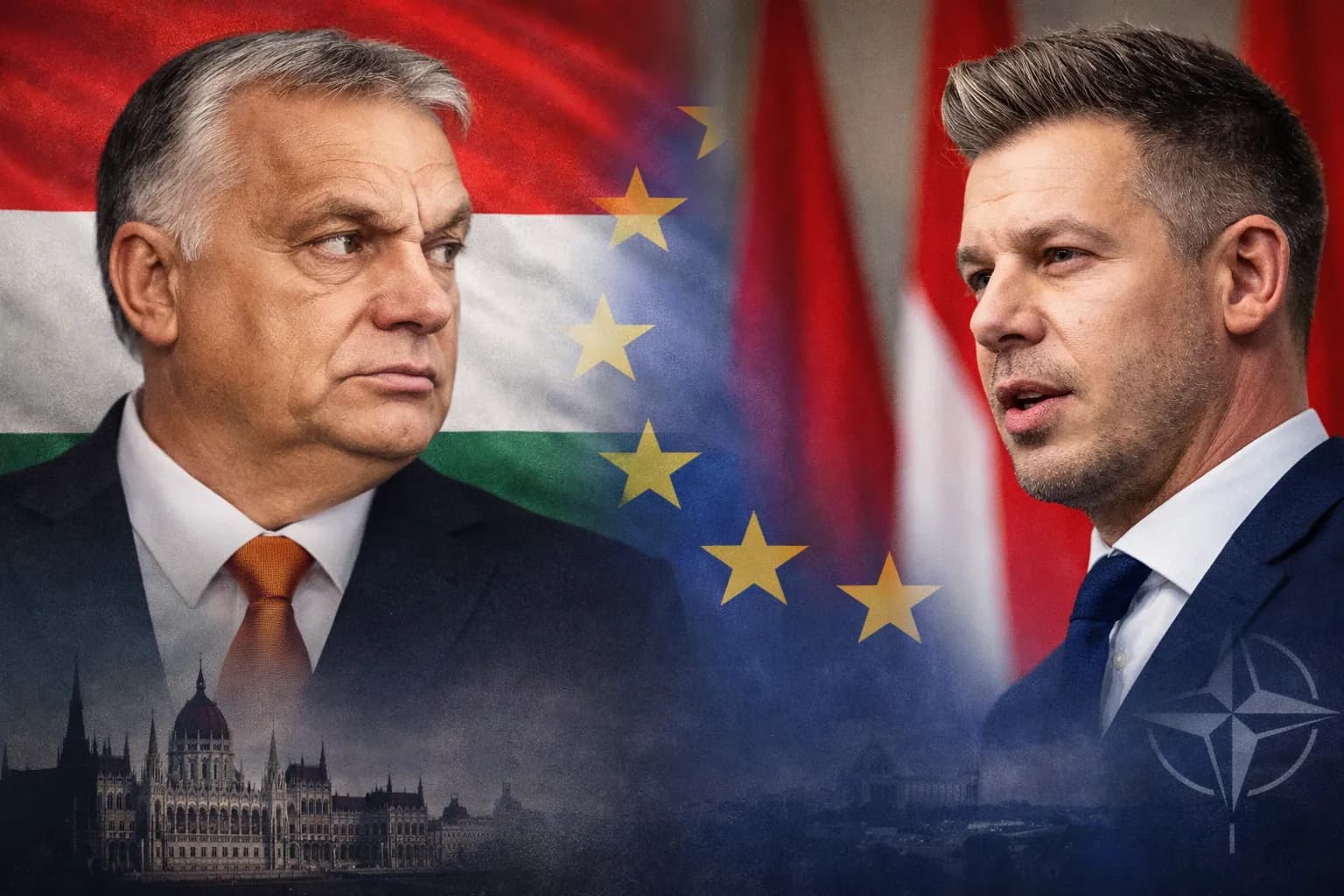
On Sunday, April 12, Hungarian voters will go to the polls to choose a new prime minister in what promises to be one of the most consequential general elections in the country’s recent history. The parliamentary vote pits the longserving Viktor Orbán against Péter Magyar, a younger opposition leader whoactivated younger voters, urban professionals, and Hungarians living in the EU. With the two main blocs locked in a tight race, the outcome will shape Hungary’s direction for years to come. It will decide whether the country continues its illiberal trajectory under Orbán or pivots toward a more proEuropean, reformoriented government under Magyar. The election is being watched closely across the European Union and beyond, not only because of its domestic stakes, but also because of its potential impact on EU cohesion, NATO policy, and democratic standards in Central Europe.
The Two Leading Contenders
Viktor Orbán and the Fideszled Coalition
Viktor Orbán has served as prime minister for all but four of the last 18 years, and this election will be his fifth consecutive campaign for the office. A polarising but highly effective political operator, Orbán has built his power on a mix of conservative nationalism, social populism, and a strategy of controlling the media and public institutions. Over the last decade, he has consolidated a dominantparty system by reshaping the constitution, redrawing electoral districts, and reshaping the judiciary and the state bureaucracy in his favour.
Fidesz, the party Orbán leads, has defined itself by a strong emphasis on family policy, social transfers, and a clear antimigration stance. The government has introduced generous child benefit schemes, tax breaks for families, and cheap mortgage programmes, all of which have helped keep many middleincome and rural voters loyal.At the same time, Orbán framed Hungary as a defender of “Christian values,” opposing liberal immigration policies and criticizing what he calls EU “open borders” and “globalism.” This narrative has resonated strongly in small towns and villages across the Great Plains and eastern Hungary, where he remains the dominant political force.
Economically, the Orbán years have been marked by a combination of growth and rising costs, high public spending, and significant dependence on EU funds. Inflation has been a persistent challenge, with the annual rate fluctuating between highsingledigit and doubledigit levels in recent years, driven by energy prices, global supply shocks, and domestic pricecontrol measures. The government has tried to offset the pain with targeted subsidies and energyprice caps, but these have also contributed to fiscal pressure and a growing public debt burden. Many younger Hungarians complain that rising living costs, relatively low wages, and a sense of economic stagnation have driven thousands to leave the country in search of better opportunities abroad.
Corruption and state capture have also been central topics of Orbán’s rule. Domestic and international watchdogs have repeatedly documented cases of cronyism, favouritism in publicprocurement contracts, and close ties between rulingparty officials and wealthy business allies. Several highprofile corruption scandals have rocked the Fideszled government, and the European Commission has repeatedly frozen or blocked portions of EU funds due to concerns over governance and the rule of law. Orbán dismissed these allegations as politically motivated, portraying the EU as hostile to Hungary’s national interests and his own governance model. His supporters, however, argue that the country’s stability, security, and social programmes more than compensate for the criticisms.
Péter Magyar and the Emerging Opposition
Péter Magyar, leader of the Tisza Party and Orbán’s mainopponent, represents a newer face in Hungarian politics. At 45, he is a technocratic and mediasavvy politician who has positioned himself as the figurehead of a broad, proEuropean opposition coalition. Magyar has framed his campaign around the need to “depersonalize politics” and restore institutional checks and balances, promising reforms to the judiciary, media regulation, and anticorruption agencies. His message is aimed squarely at voters whofeel alienated by two decades of Fidesz dominance and the country’s increasingly polarised political climate.
Magyar’s support base is markedly different from Orbán’s. His strongest backing comes from younger voters, university students, and urban professionals, especially in Budapest and other major cities. He has also gained traction among Hungarians living in the European Union, where diaspora communities have registered in record numbers to cast ballots in the election. Polls indicate that Magyar leads among voters under 30 by a wide margin, with many citing dissatisfaction with corruption, democratic backsliding, brain drain, and Hungary’s increasingly isolated position in Europe as key reasons for their preference.
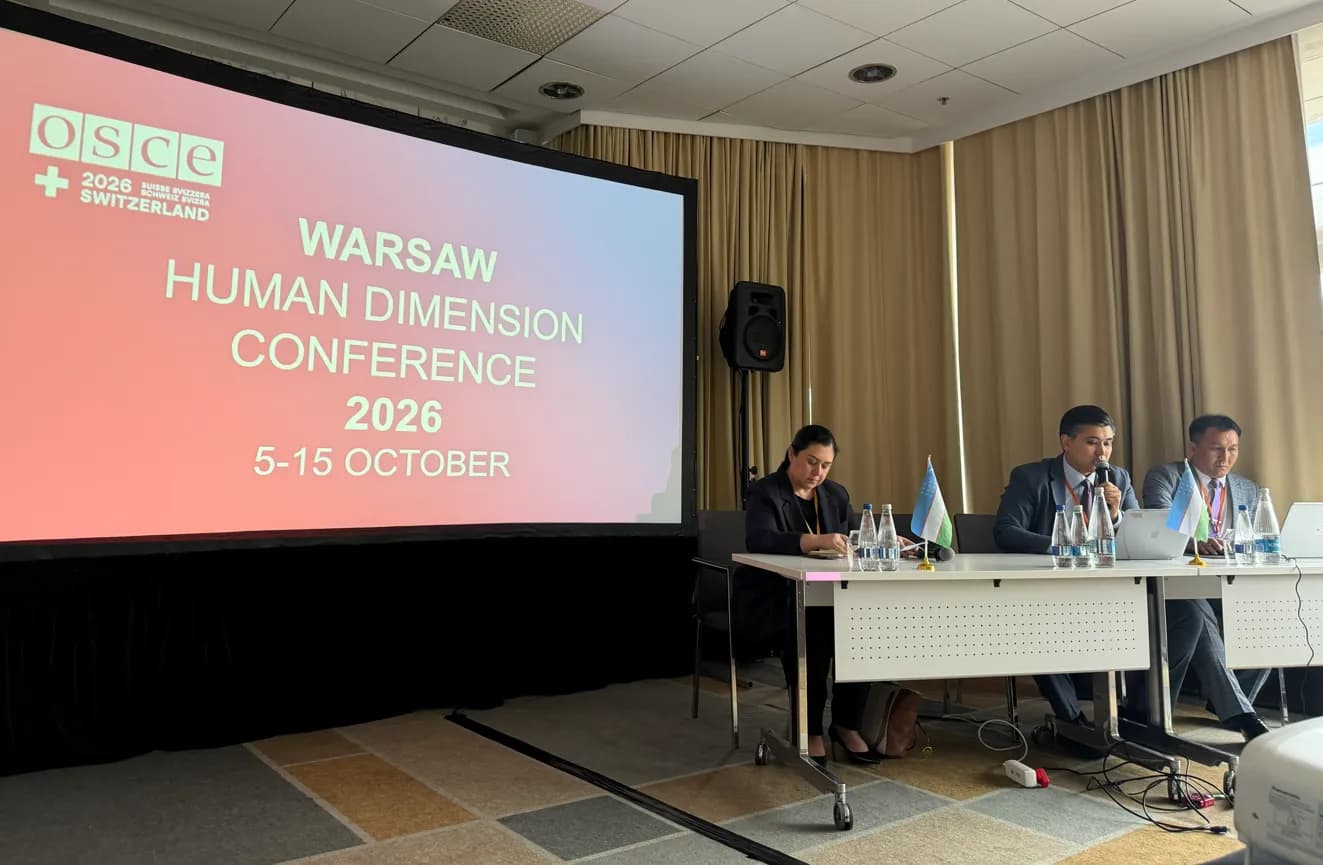
The opposition coalition backing Magyar has also benefited from a surge of interest in the campaign period, drawing comparisons to a political spy thriller. In the final days, the race has been marked by leaks, espionagestyle allegations, and reports of harassment and surveillance of opposition figures, including Magyar’s team. International observers, including the European Parliament and OSCE, have raised concerns about the fairness of the election, pointing to the ruling party’s control over public broadcasting, tilted campaign rules, and the unequal use of state resources to support Orbán. The opposition accuses the government of using “hybrid warfare” tactics, including cyberattacks and disinformation, to undermine its campaign.
UrbanRural and Generational Divides
The Hungarian election is also a clear reflection of a deepening urbanrural split. In the country’s provincial heartlands, particularly in the eastern and southern regions, Orbán remains the dominant political figure. Fidesz’s wellorganized local networks, entrenched control over municipal institutions, and steady stream of publicworks and socialassistance programmes have helped maintain loyalty in small towns and villages. These communities tend to value the sense of stability and national pride that Orbán emphasises, and they are more likely to distrust the opposition, which they often portray as closer to Brussels than to Hungarian voters.
By contrast, urban centres like Budapest, Pécs, Debrecen, and Szeged have become increasingly sceptical of Orbán’s model. The younger, more educated, and more internationally connected populations in these cities are more likely to supportMagyar’s platform of reform, transparency, and reintegration with European institutions. The same is true among Hungarians living in EU countries, who have benefited from open borders and a strong labour market but also watch their home country’s slide toward authoritarianism with growing concern. This geographic and generational divide is likely to shape the final results, as urban turnout and the performance of the diaspora vote could prove decisive.
Why This Election Matters
Beyond the question of who sits in the prime minister’s office, this election has broader significance for Hungary’s relationship with the European Union, its role in NATO, and its internal democratic quality. If Orbán wins again, he is likely to deepen his illiberal model, continuing to challenge EU norms on the rule of law, press freedom, and judicial independence. Such a victory could also complicate the European Union’s efforts to present a unified front on issues like Ukraine, energy policy, and enlargement, given Orbán’s longstanding habit of using his country’s position to extract concessions.
A victory for Magyar, by contrast, would open the door to a significant policy shift. His coalition has promised to restore the independence of the judiciary, adopt stricter anticorruption measures, and work to release frozen EU funds. Such a turn could also reset Hungary’s image within the EU, moving it from the position of a problem case to a more cooperative partner. At the same time, a Magyar government would face the challenge of balancing reformist aspirations with the expectations of a divided electorate, where many voters still appreciate elements of Orbán’s social and economic policies.
Conclusion
This Sunday’s election in Hungary is more than a routine change of government; it’s a moment of decision between continuity and change, between national sovereignty and European integration, between charismatic strongman politics and institutional reform. Viktor Orbán has used the last 16 years to reshape Hungary along conservative,nationalist, and centralized lines, while Péter Magyar emerged as the standardbearer of a younger, more proEuropean, and reformminded alternative. The result will be shaped by the turnout of young voters, the performance of the diaspora, and the willingness of provincial communities to remain loyal to Orbán’s promises of stability and protection.
A victory for Orbán would likely entrench the existing model, deepening tensions with the European Union and reinforcing the country’s role as a testing ground for illiberal governance within the bloc. A win for Magyar, in contrast, could open the way to a more pluralistic and rulesbased political system, with a stronger emphasis on the rule of law, transparency, and alignment with EU institutions. Whichever candidate prevails, the April 12 vote will mark a turning point in Hungary’s political trajectory, with consequences that will echo across Central Europe and the wider European Union in the years ahead.
Dmytro Melnyk
Contributing writer at EUReflect.
Follow EUReflect
See more of our reporting on Google
Mark EUReflect as a preferred source and our stories are ranked higher for you in Top Stories, Discover and Google News — and carry a “preferred” badge when they are cited in AI results.
Add EUReflect as a preferred source